Newsletter
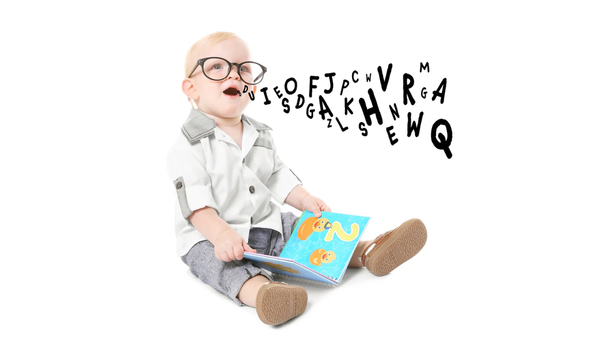
What’s the point of baby talk?
How caregivers instinctively simplify their speech for children—and how it helps

Hi! I'm Danny! 👋🏼 I am a linguist. 🗣️ I work to document and revitalize endangered languages, while studying the crosslinguistic patterns we see across the world’s languages.

Newsletter
How caregivers instinctively simplify their speech for children—and how it helps
Current Linguistics
Also this week: People with personality disorders use language differently + Decoding the lost scripts of the ancient world. Here’s what happened this week in language and linguistics.
Newsletter
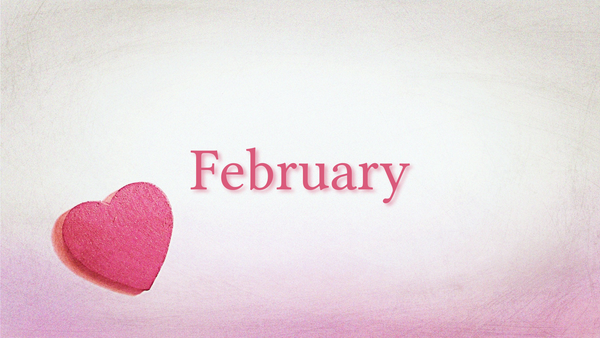
Why is “February” spelled with two ⟨r⟩’s even though most people only pronounce one of them?

Current Linguistics
Also in this week’s digest: Why Morse Code didn’t work for Chinese + Words affect us based on how they sound + Your brain processes language more alike to AI than we previously thought
Newsletter
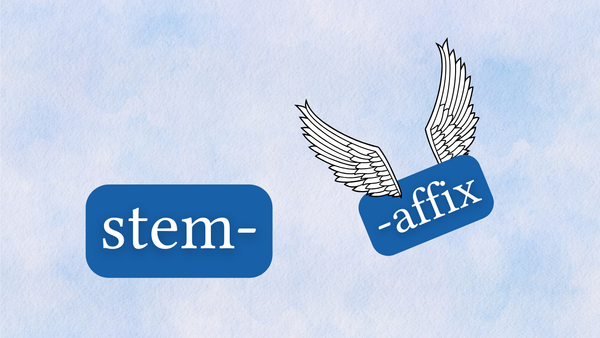
What happens when parts of words declare independence
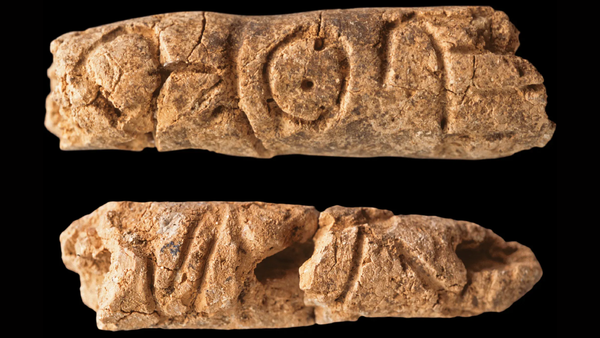
Current Linguistics
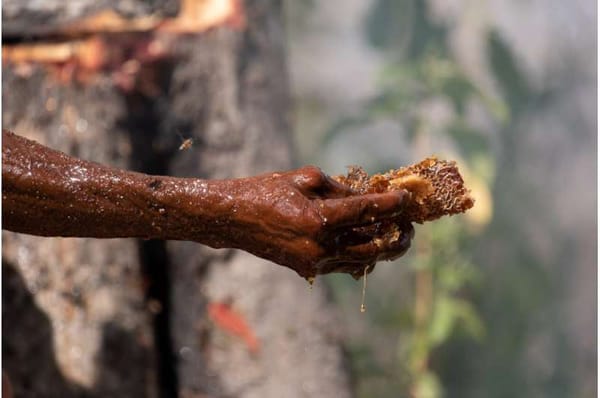
Also this week: Researchers determine that bees understand morse code + ⅓ of grammatical universals stand up to rigorous testing
Newsletter
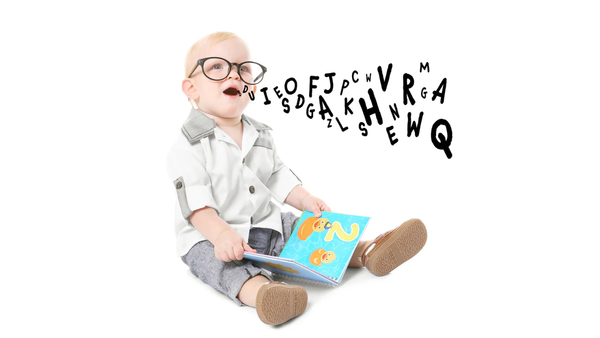
Early exposure to language is crucial for your child’s long-term linguistic development
Newsletter
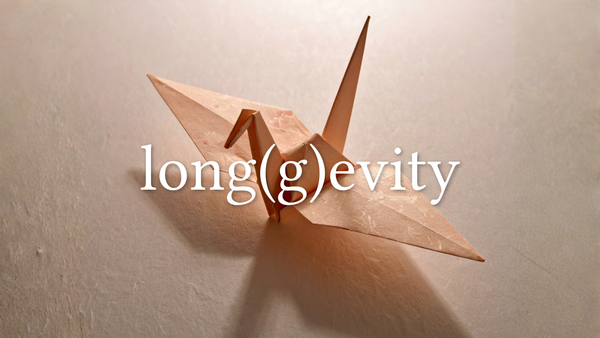
How the spelling of “longevity” is playing a mental trick on you
Current Linguistics
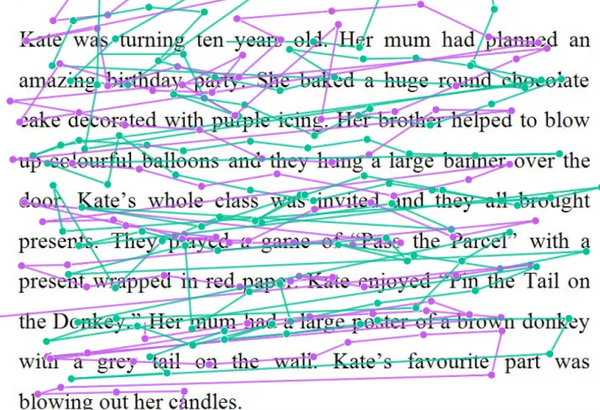
Also this week: AI models can now analyze language as well as humans + The first monolingual Irish dictionary is published
Announcements
A look back at the first year of the newsletter, and what’s changing in 2026

Current Linguistics
Also in the news this week: Merriam-Webster chooses “slop” as the 2025 Word of the Year; Gaelic and Scots now recognized as official languages in the UK; and Canada’s prime minister called out for using British spellings

Current Linguistics
Also this week: The California Language Archives receives a treasure trove of new materials on Pomoan languages. Here's what happened this week in language and linguistics.