Linguists unlock the grammar of music in language, and runes show that Elfdalian is its own language
Here’s what happened this week in language and linguistics.

Welcome to this week’s edition of Discovery Dispatch, a weekly roundup of the latest language-related news, research in linguistics, interesting reads from the week, and newest books and other media dealing with language and linguistics!
📢 Updates
Announcements and what’s new with me and Linguistic Discovery.
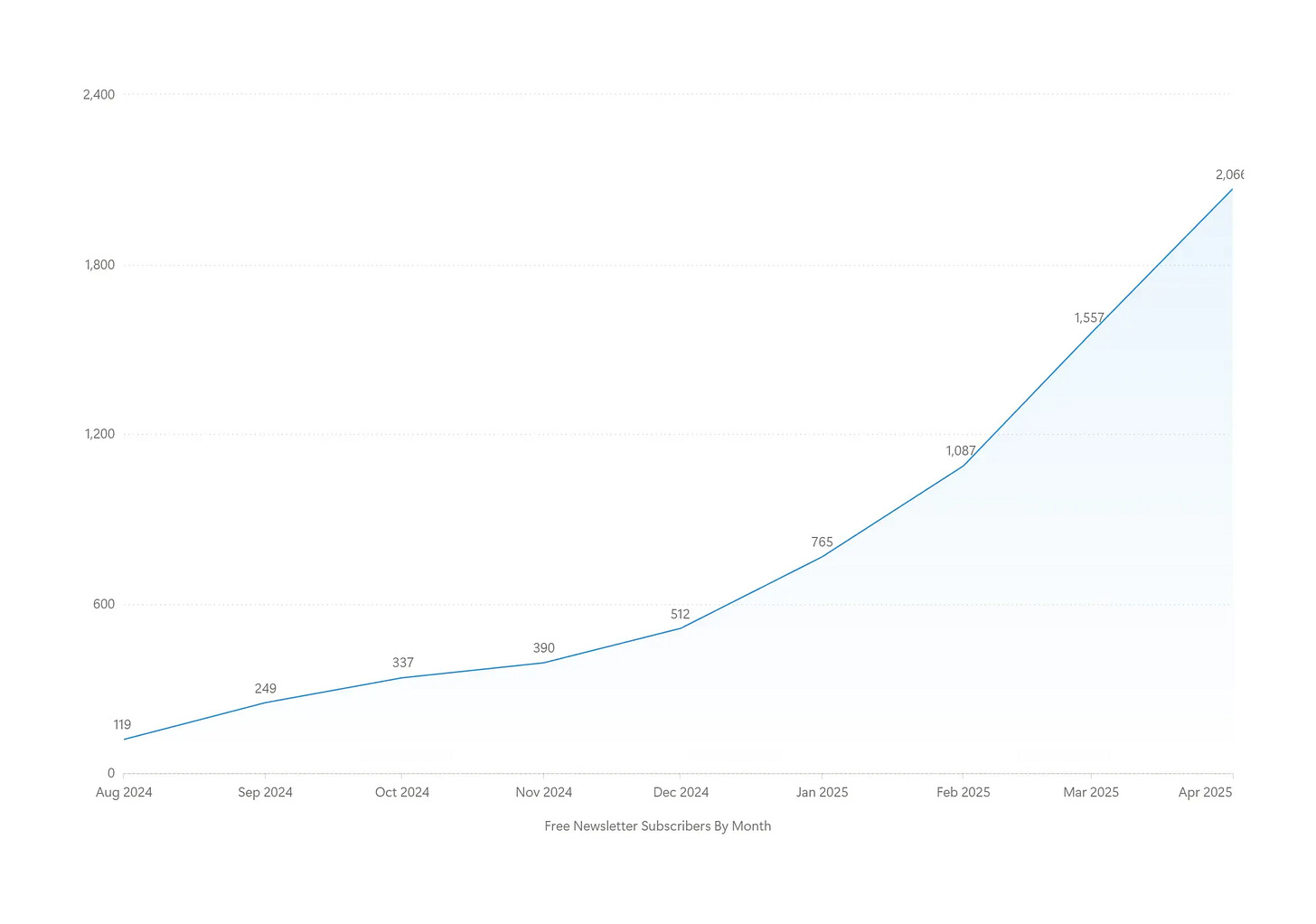
The Linguistic Discovery newsletter has reached 2,000 subscribers! 🎉 Thank you all so much for taking the time to read this newsletter each week. I hope this digest has been a useful way to keep up on the all the latest news and research!
“But wait,” you say, “don’t you owe us a special thank-you post for 1,000 subscribers?”
Yes! And part of the reason it’s taking a while is because it involves an extra special collaboration! I think you’ll enjoy the result. I’m editing the accompanying video for it this week, so expect to see the article and video soon! And something similarly fun as a thank-you for 2,000 close on its heels!
Lastly, I did an interview with History.com this week about the world’s oldest language (spoiler: there is none!), so I’ll post that as soon as it’s published!
📰 In the News
Language and linguistics in the news.
Ethnozoology and language documentation
Documentary linguists (linguists who document endangered/indigenous/underdocumented languages) often do much more than just linguistic documentation in their fieldwork—they also do a great deal of ethnographic, ethnobotanical, and ethnozoological documentation, finding out local names for plants and animals. What emerges when they do this is often wonderful complex classification systems that categorize the natural world in ways that are entirely different from the Linnean classification used in science. For example, a language might classify plants by their medicinal uses, or what times of year they grow, and have specific names for those categories. This type of detailed ecological knowledge is extremely vulnerable to loss, and typically disappears even before the language itself stops being spoken.
This article tells how zoologist Fortunate Mafeta Phaka conducted a comprehensive survey of indigenous names for frogs and reptiles in South Africa—an incredible documentary feat. The article is a neat insight into just what this kind of work entails and uncovers.
 Fortunate Mafeta Phaka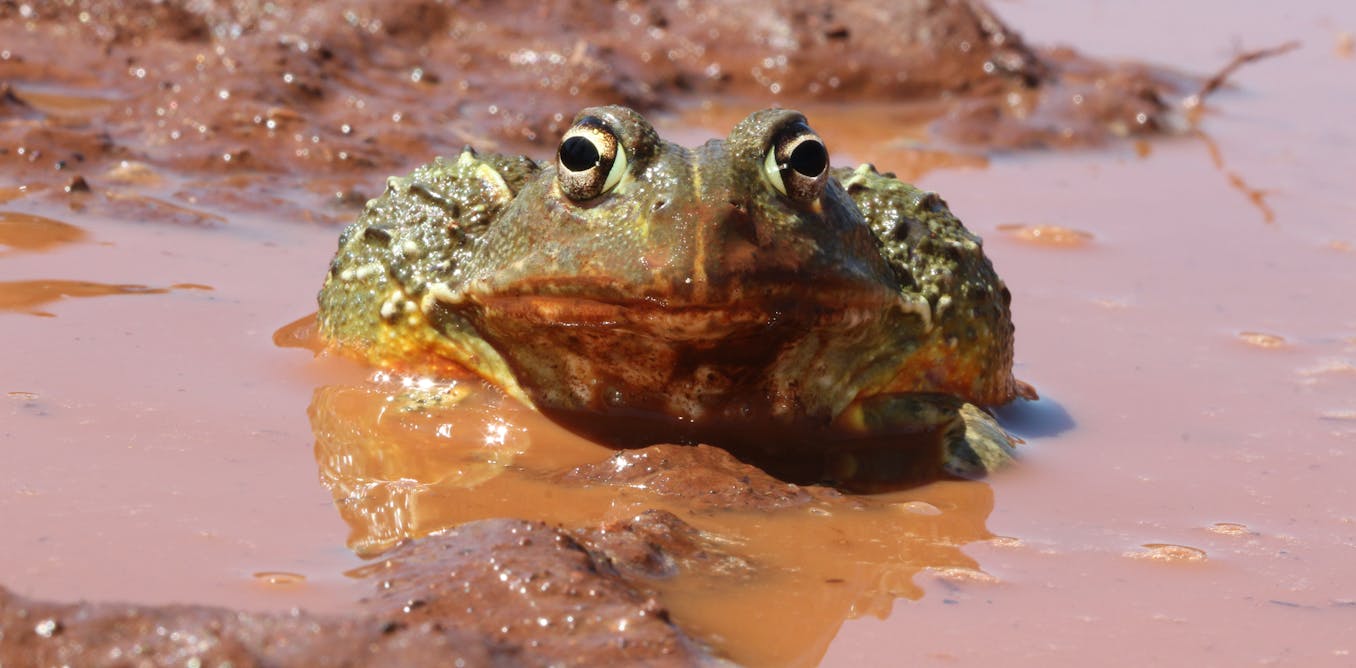
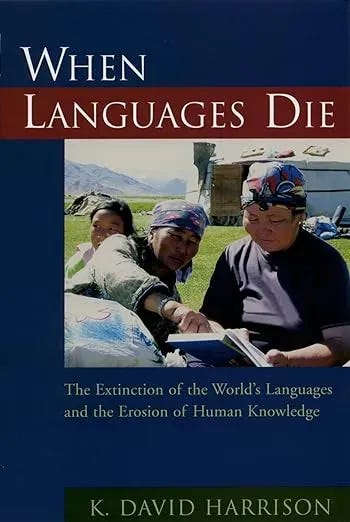
One of my all-time favorite pop linguistics books, When languages die: The extinction of the world’s languages and the erosion of human knowledge, is all about these kinds of indigenous knowledge systems, and shows the incredibly diverse ways that different cultures categorize the world. If the above article piqued your interest, I can’t recommend this book highly enough:
Other News
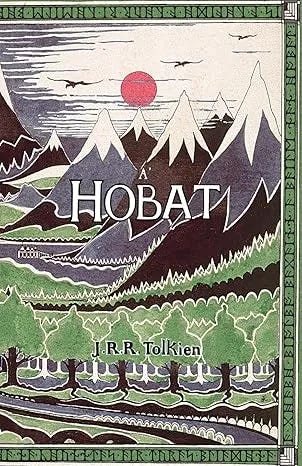
The Hobbit gets its first-ever Scottish Gaelic translation:
 BBC News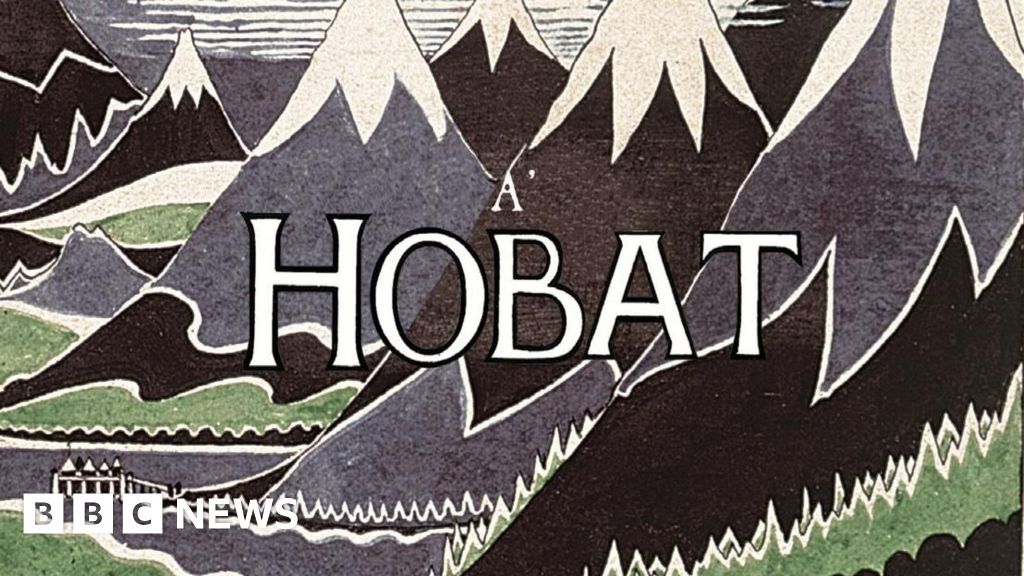
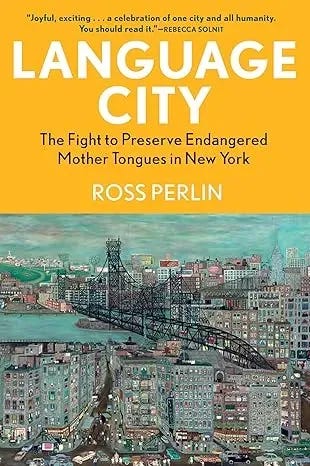
Ross Perlin, who worked to map the languages of New York City and documented the project in his book Language city: The fight to preserve endangered mother tongues in New York, has now called for a similar project in London:
 Vanessa Thorpe
Apparently people in the PNW aren’t big fans of the word y’all because of its associations with the South, but this attitude is in tension with the fact that many find y’all to be a great gender-neutral alternative to you guys, which is the most common second person plural pronoun in the western U.S.:
🗞️ Current Linguistics
Recently published research in linguistics.
The grammar of intonation
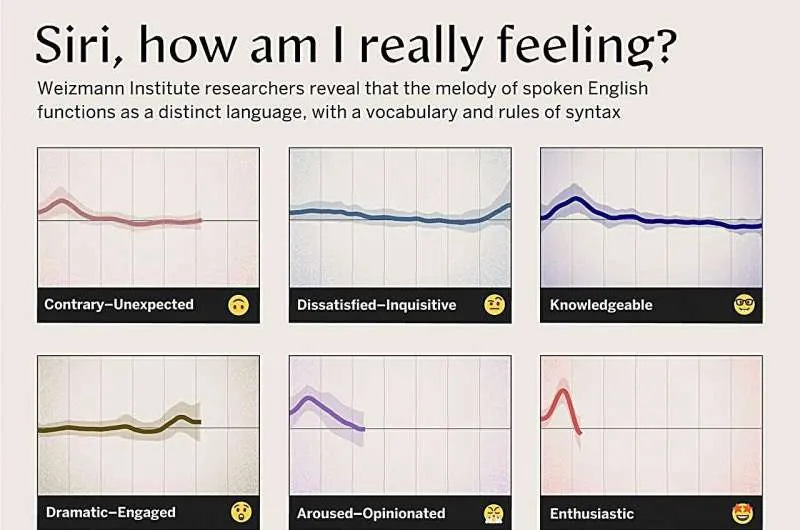
The melody or pitch with with you utter a phrase is called its intonation, and everybody intuitively recognizes that intonation can convey all sorts of different meanings—surprise, a question, emphasis, a simple statement, that you’ve got more to say, etc. Human speakers recognize these different patterns and know how to interpret them, but most speech recognition and speech production systems are really bad at this, which is why the intonation of artificial voice assistants like Siri sound so unnatural—they can correctly string together the consonants and vowels of speech, but have a harder time producing broader intonational patterns and using them in appropriate contexts (let alone recognizing them).
New research takes a step towards changing that, by using AI to help build a dictionary of intonational patterns in English—about 200 in all. Not only does this constitute a big step forward for speech recognition and synthesis technologies, but it’s also especially exciting for those of us in the discourse-functional tradition who have long appreciated the crucial role that intonation has in organizing speech. Linguist Wallace L. Chafe noticed that we tend to package ideas into easily-digestible intonational chunks which he called intonation units, each of which gets one of a number of different intonational patterns—a library of preset melodies, if you will. For instance, a final rising intonation indicates that the speaker has more to say or is asking a question, while a final falling intonation indicates that the speaker has completed their statement, and a reset to the top of the speaker’s pitch range indicates a shift to a new topic. So it’s incredibly exciting that recent technology has given us the ability to empirically verify and describe these intonational patterns now.
 Weizmann Institute of Science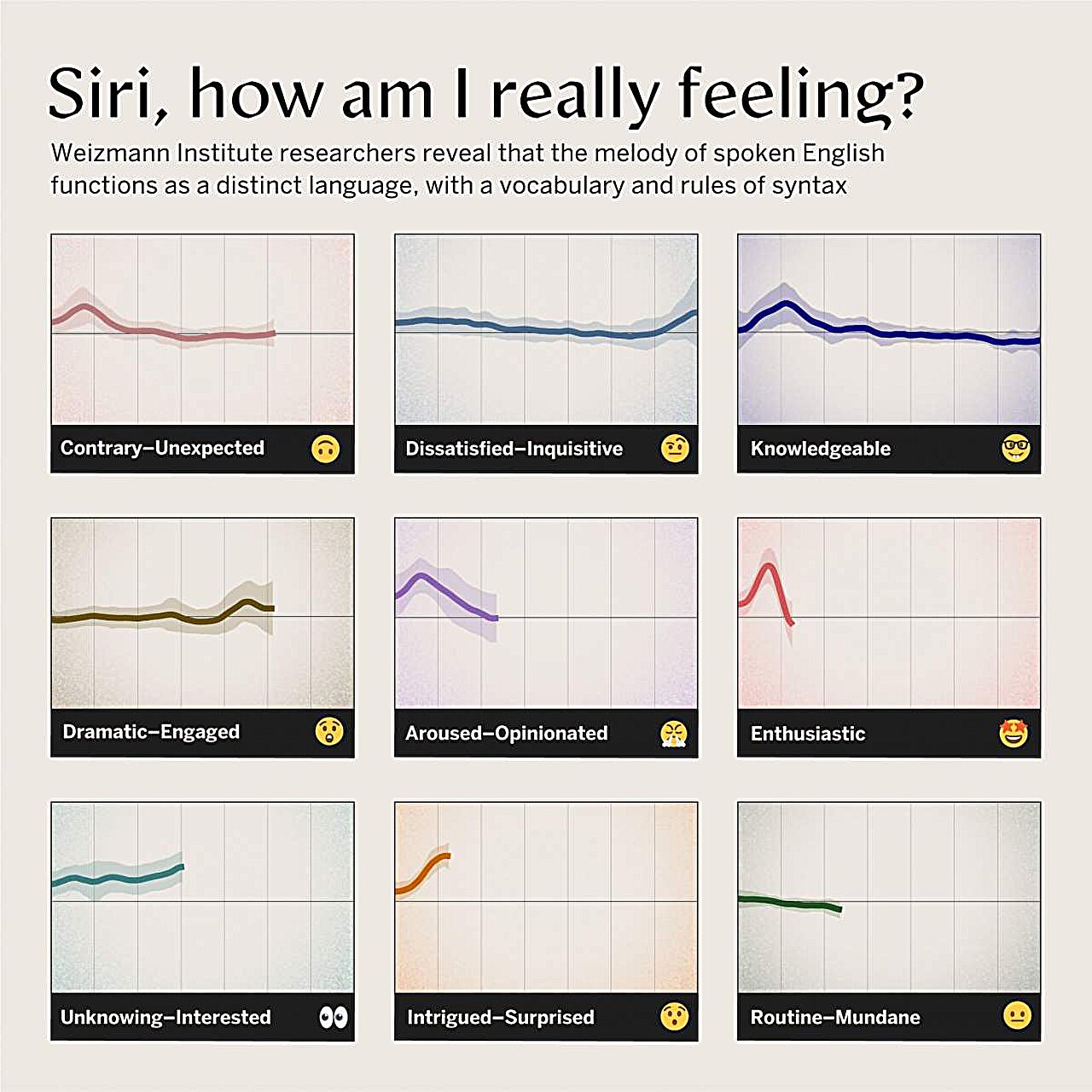
- Matalon et al. 2025. Structure in conversation: Evidence for the vocabulary, semantics, and syntax of prosody. Proceedings of the National Academy of Sciences 122(17): e2403262122. DOI: https://doi.org/10.1073/pnas.2403262122
Elfdalian should be considered a distinct language
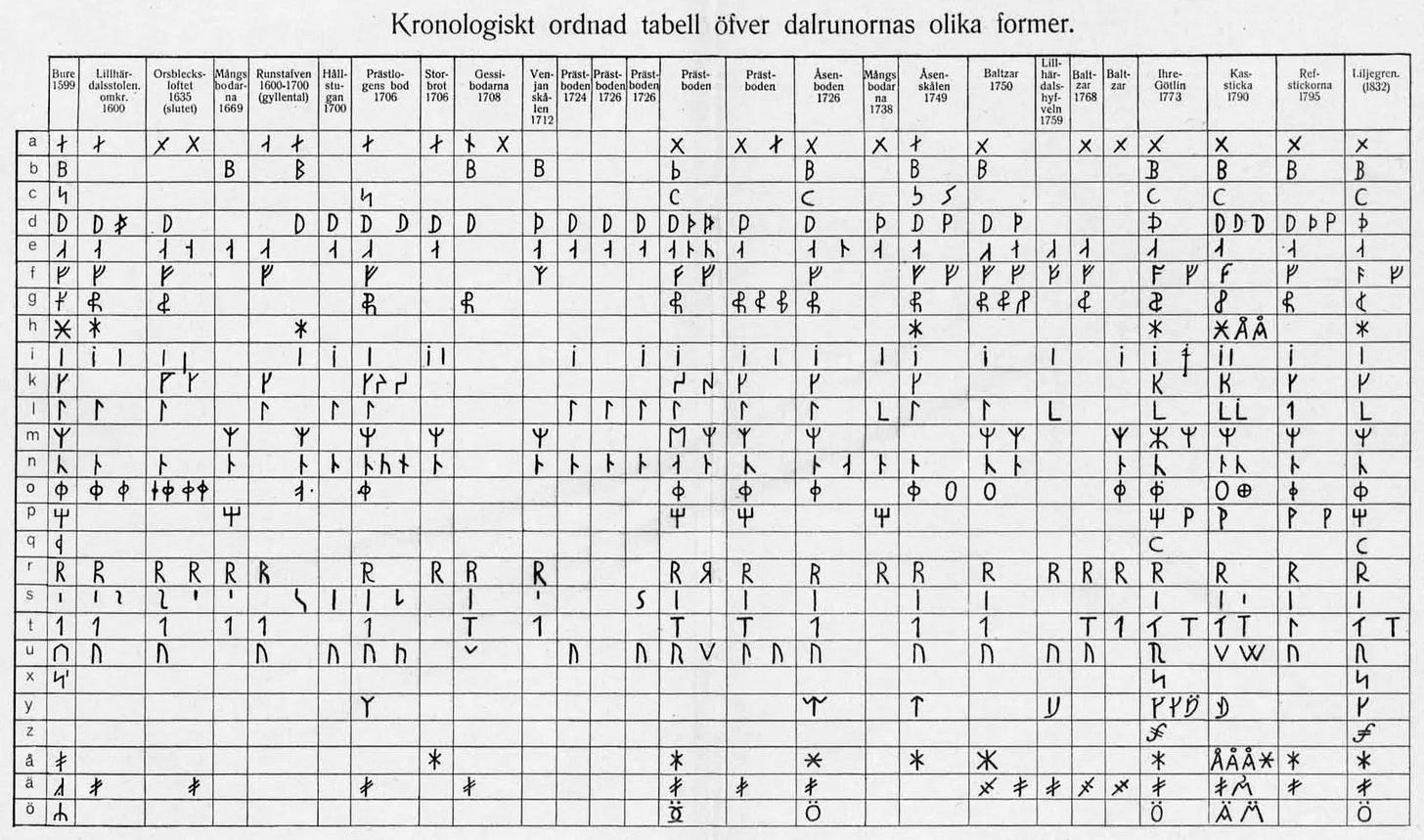
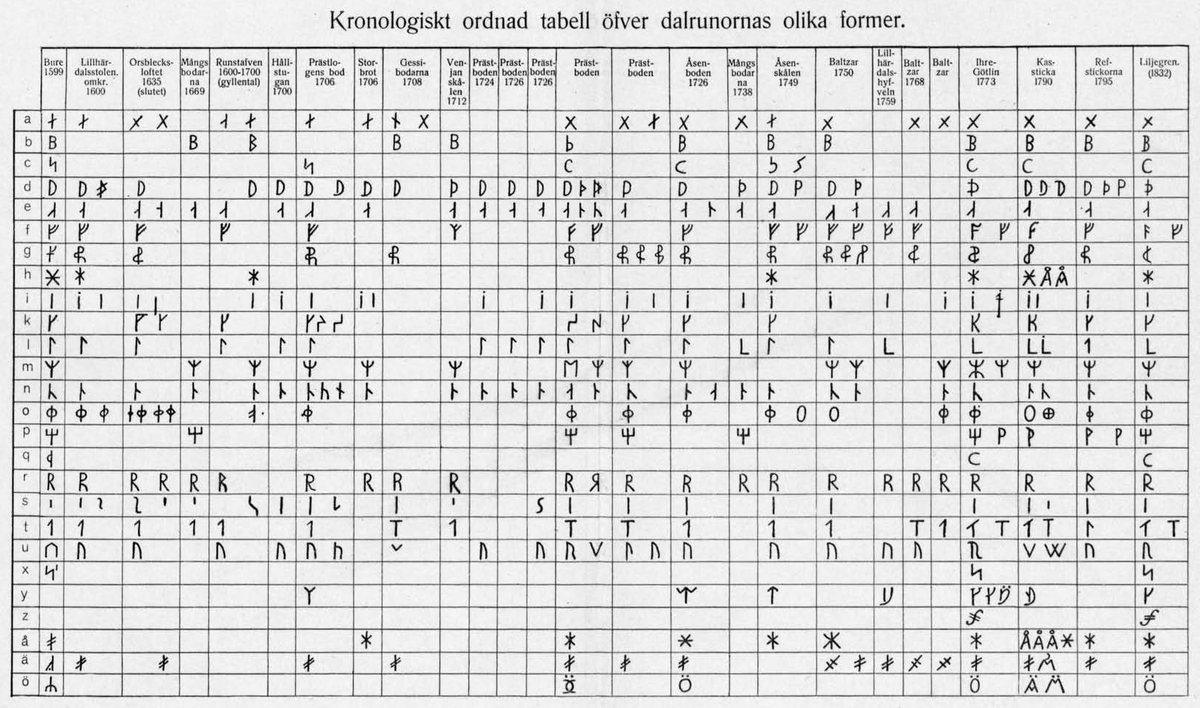
Efldalian is a language variety spoken by about 2,500 people in central Sweden, and has long been considered just a dialect of Swedish. However, linguists Yair Sapir & Olof Lundgren, in their new grammar of the language, argue that the grammar and vocabulary of Elfdalian is sufficient distinct from Swedish as to be considered its own language. When comparing the vocabulary of the two languages, there are as many vocabulary differences between the two as there are between Swedish and Icelandic. The authors argue that Elfdalian branched off from the other Scandinavian languages at an earlier point.
What’s especially cool about this research is that some of the evidence it relies on for these claims is runes, which Elfdalian speakers were still using until the early 1900s. It had its own alphabet during the 1600s and 1700s, and represents the last surviving use of runes in the world.
 Miranda Bryant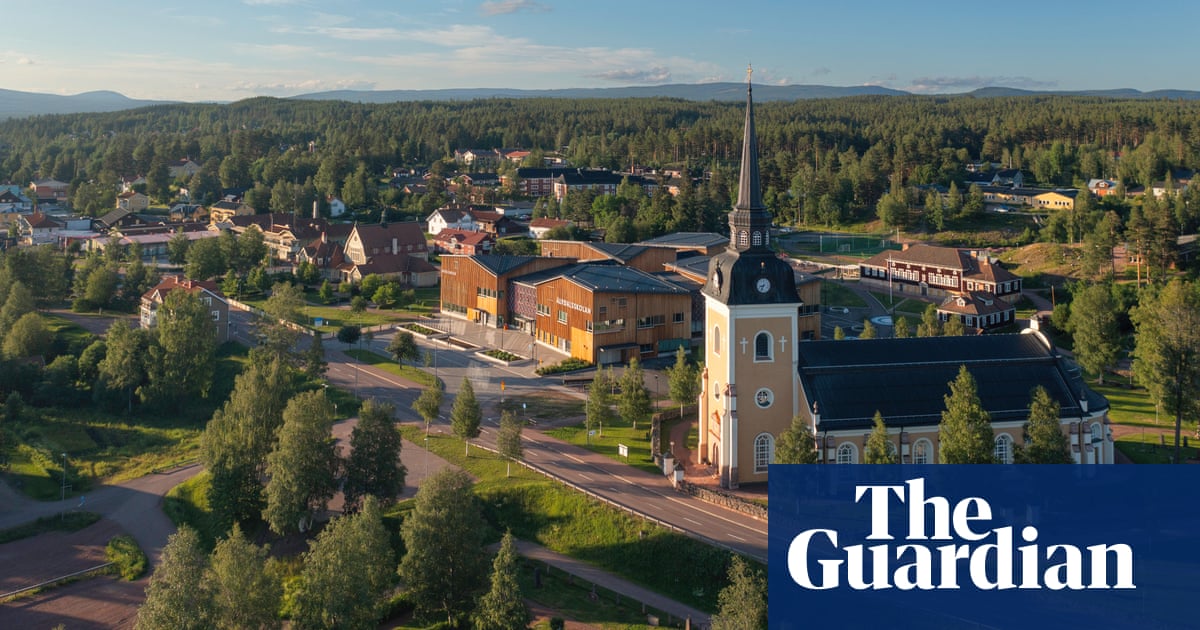
 Yair Sapir
📃 This Week’s Reads
Interesting articles I’ve come across this week.
Do Coloradans have an accent? Of course! Everybody speaks with an accent. But what makes the Colorado accent unique?
 Andrea Ano
The Duolingo blog answers the fun question, “How far back in time could I travel and still be able to communicate in English?”
 Cindy Blanco, Ph.D.
Roy Bualan (@human1011 | @humanteneleven) also did a viral video on the topic a few weeks ago:
Just how many words are there in the English language? This turns out to be an incredibly tricky question to answer! One complication that this article doesn’t mention is the difference between active vocabulary which you use regularly vs. passive vocabulary which you understand but don’t use. Check out the article to learn more!
 Jennifer Gunner
Gretchen McCulloch, author of Because internet and co-host of the Lingthusiasm podcast, made the excellent point on the Instant Genius podcast back in 2019 that the internet has actually expanded our use of writing rather than harmed it. This is a point I also harp on quite frequently to anyone who will listen: new technologies like writing, books, and the internet don’t ruin language, they merely expand the range of ways language is used. At first it was books, then newspapers, then blog posts, then microblogging (e.g. Twitter) and texting. But all the more traditional styles of writing are still there, just as cultured and erudite and sophisticated as ever. New technologies merely lower the barrier to entry for people to adopt literacy, and make a wider range of literacy types and qualities possible. Literacy for the masses is a good thing; not everyone needs to be Dostoevsky. We should encourage a wide range of literacy types, formalities, and qualities.
This interview got picked up again by the London Times recently for some reason, so I figured I’d point it out here too:
 Mark Sellman, Technology Correspondent
📚 Books & Media
New (and old) books and media touching on language and linguistics.
I was reminded this week of the existence of a great course from the aptly-named Great Courses, called The secret life of words, about English etymology. It’s by linguist Anne Curzan, who also authored the recently-published book Says who? A kinder, funner usage guide for everyone who cares about words that I mentioned last week, as well as a great book about teaching for graduate students.
🗃️ Resources
Maps, databases, lists, etc. on language and linguistics.
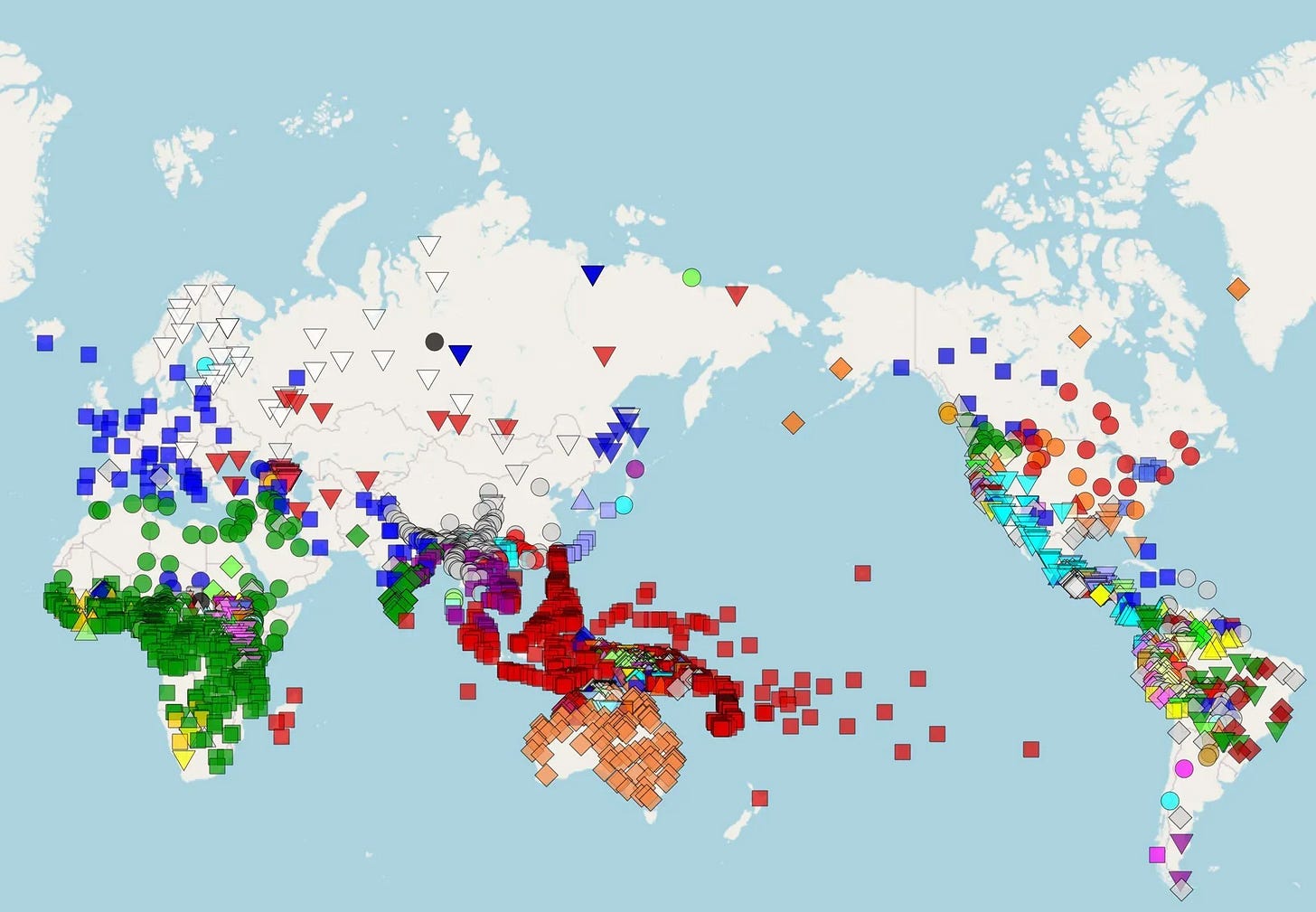
Linguistic typology is the study of the grammatical diversity in the world’s languages, the recurring patterns we see amongst that diversity, and why those patterns exist.
A great place to explore the diversity of the world’s languages is GramBank, a database of grammatical features of the world’s languages:

If you’d like to learn more about linguistic typology, I put together a list of resources to get you started:

I hope you enjoyed this week’s issue of Discovery Dispatch, and that you have a wonderful week!
~ Danny
If you'd like to support Linguistic Discovery, purchasing through these links is a great way to do so! I greatly appreciate your support!
Check out my entire Amazon storefront here.