Inside the fiercest debate in linguistics—Universal Grammar. Plus, why your brain can process short text messages so quickly.
Here’s what happened this week in language and linguistics.

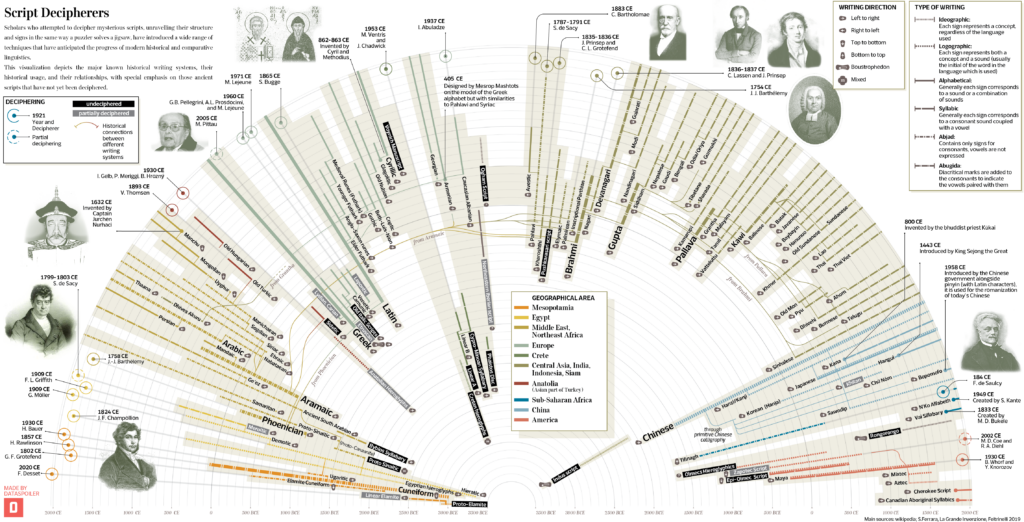
I’ll kick off this week’s digest with another stunning infographic from Marco Giannini of Dataspoiler, about Italian place names (toponyms):
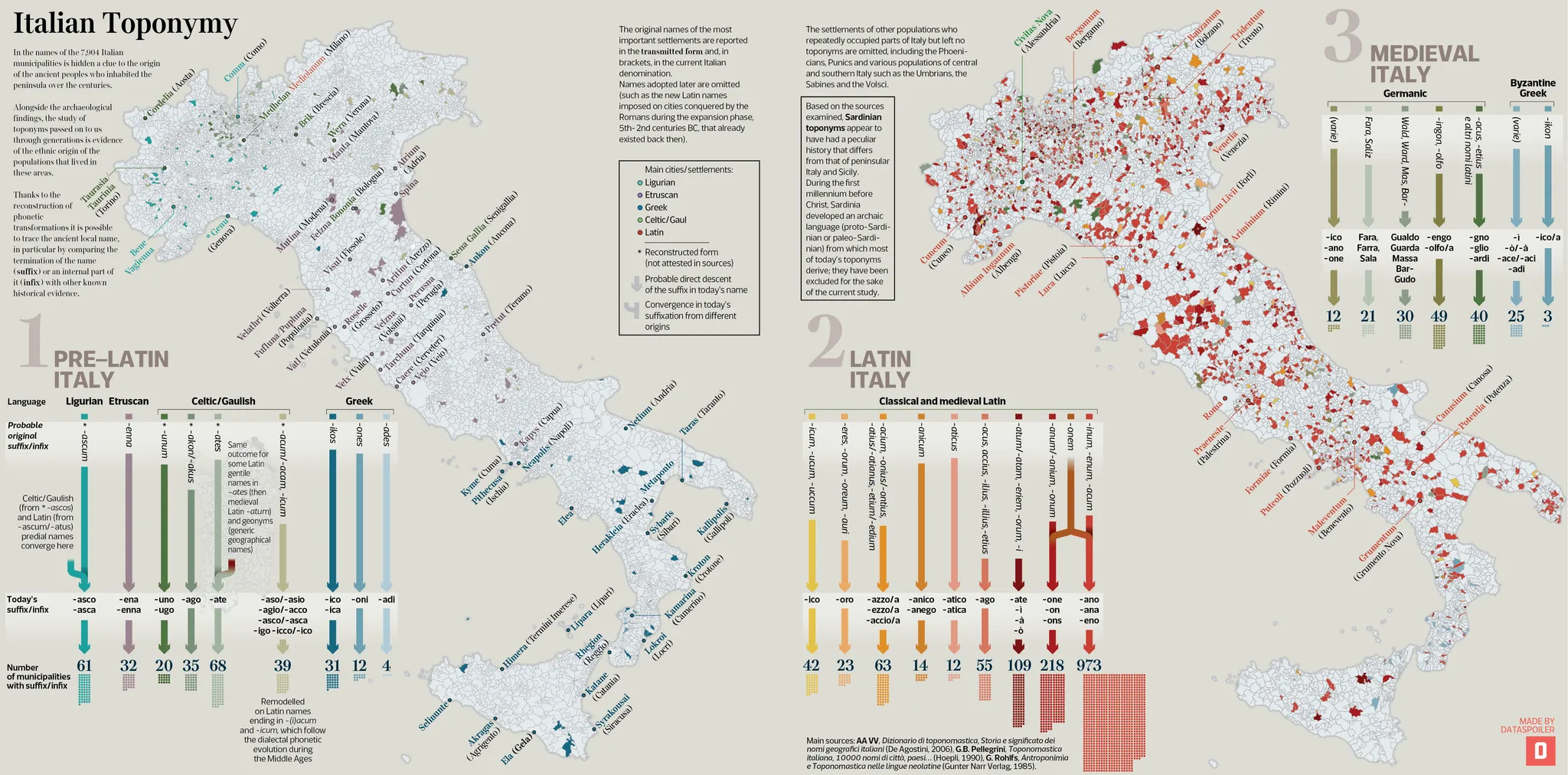
You can see all Marco’s linguistics projects, and read the details for this one, here:

Welcome to this week’s edition of Discovery Dispatch, a weekly roundup of the latest language-related news, research in linguistics, interesting reads from the week, and newest books and other media dealing with language and linguistics.
🗞️ Current Linguistics
Recently published research in linguistics.
It seems our brains are even faster at processing short messages like texts than we previously realized. New research suggests that we process short messages in a fashion similar to how we perceive visual scenes, taking it all in at a single glance. Interestingly, this is the same skill that speed reading attempts to train you to do.
 James Devitt-NYU
 Index by author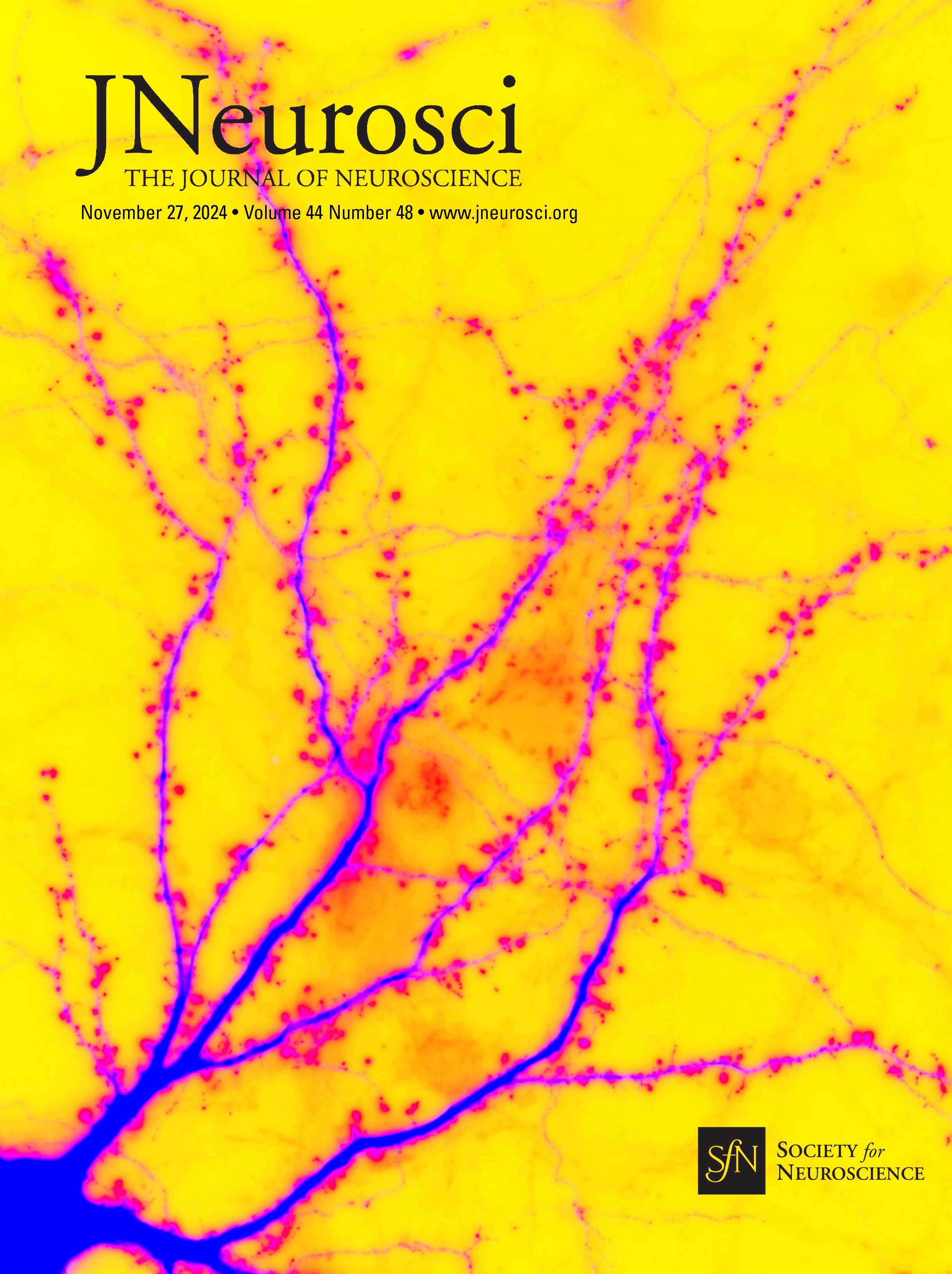
- Fallon & Pylkkänen. 2024. Language at a glance: How our brains grasp linguistic structure from parallel visual input. Science Advances 10(43). DOI: https://doi.org/10.1126/sciadv.adr9951
Does ChatGPT have the same grammaticality judgments as humans? Does it find the same kinds of expressions grammatically acceptable or unacceptable? A new study aims to find out:
 SCIENMAG
(Note that the above article is pretty clearly an AI-generated summary, as all of Scienmag’s articles seem to be.)
 Zhuang Qiu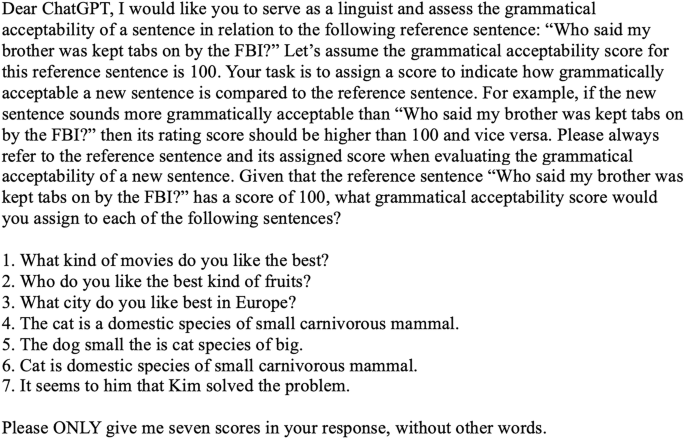
📃 This Week’s Reads
Interesting articles I’ve come across this week.
What makes Canadian English unique? The Duolingo blog has your answer. Personally, having lived in Edmonton for two years, my favorite Canadian expression that I discovered was bunny hug, which is the term they use in Saskatchewan for a hoodie! 🐇🤗
 Dune Dills
Linguist Damián Blasi talks about the monumental task of cataloging the world’s 7,000+ languages as part of the UNESCO World Atlas of Languages for Sapiens.org:
 Keridwen Cornelius


Noam Chomsky once wrote, “We have very strong reasons to believe that all possible human languages are very similar; a Martian scientist observing humans might conclude that there is just a single language, with minor variants.” Michael Ferber in his Speaking of Words column discusses whether there’s any truth to this claim:
 Michael Ferber
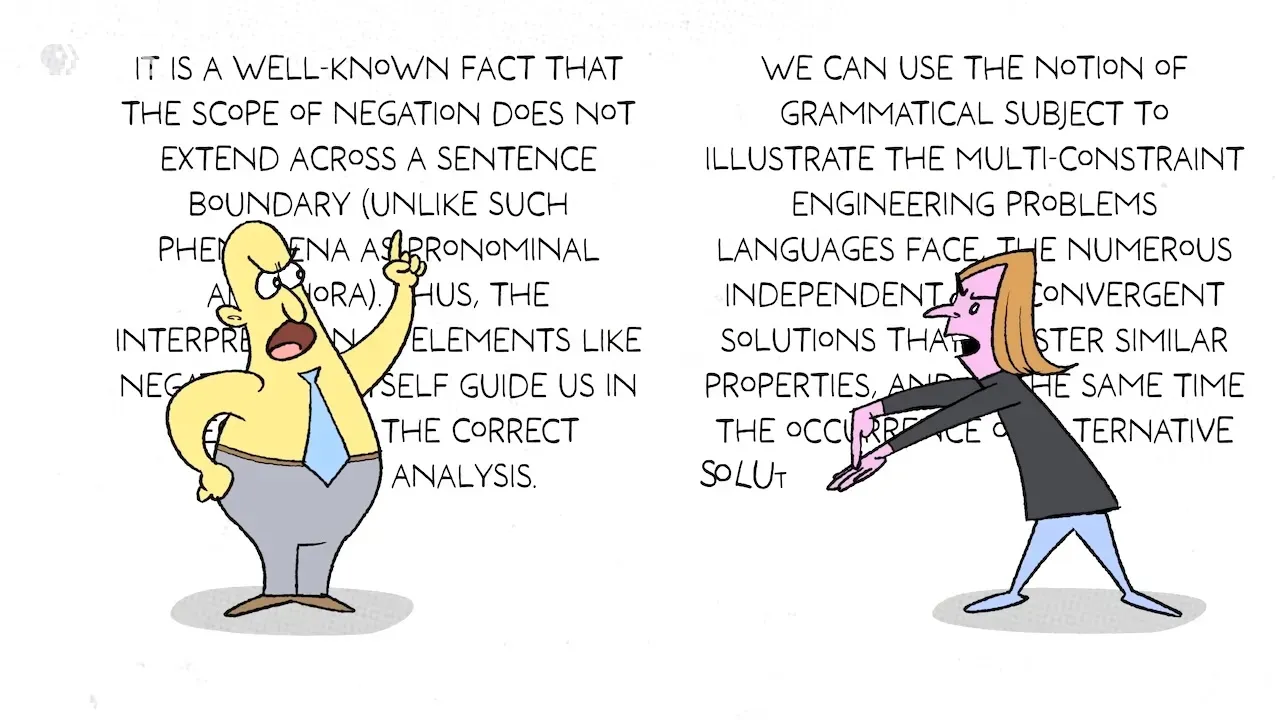
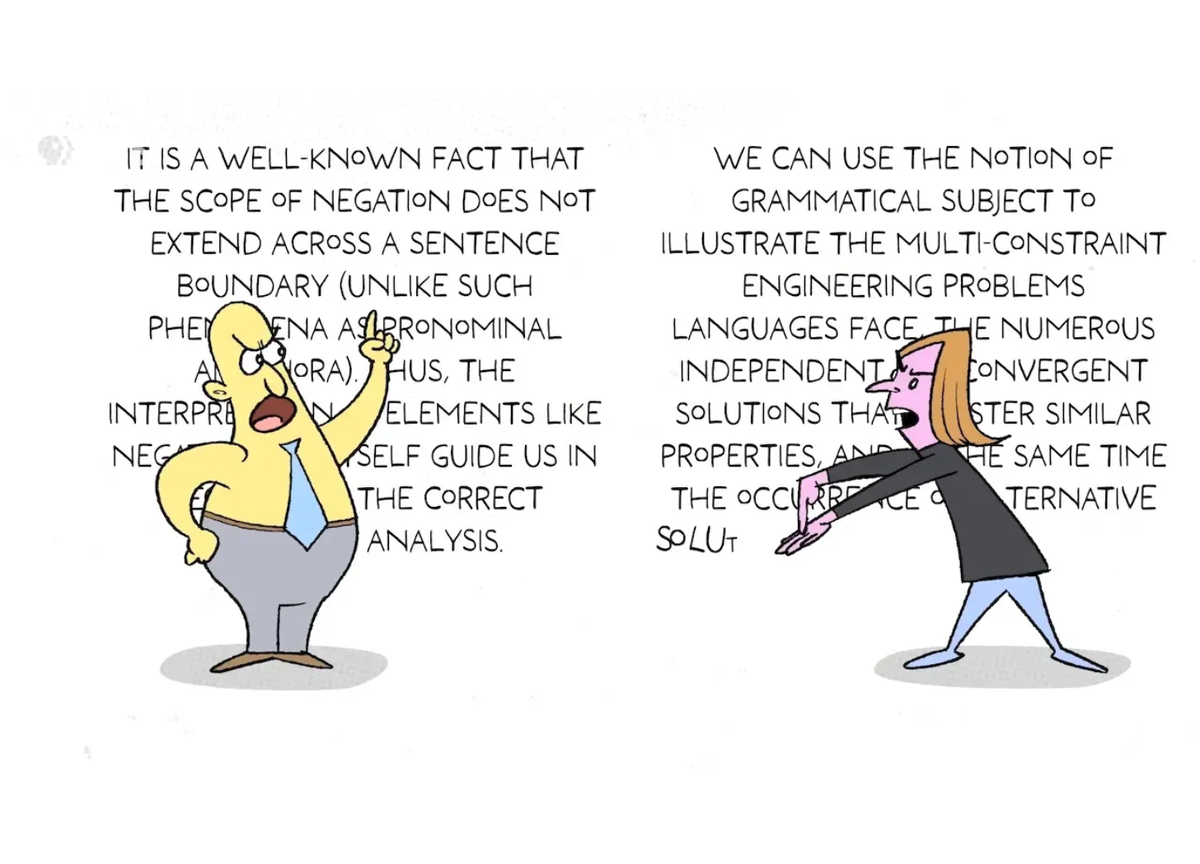
On that note, PBS recently created a short (13-minute) video about the debate over Universal Grammar, which includes a lot of the sociopolitics behind the debate too. To be quite honest, it’s a pretty embarrassing episode in the history of linguistics where scholars treated each other as loathsome miscreants, but it makes for engaging journalism I guess:
Dialectal variation has always been a weak spot for speech recognition and synthesis technologies as well as AI, because the majority dialect in the training data will wind up overshadowing most dialectal variation:
 Celeste Rodriguez Louro
So it’s nice to see ChatGPT learning how to speak Aussie:
 Ross Yates
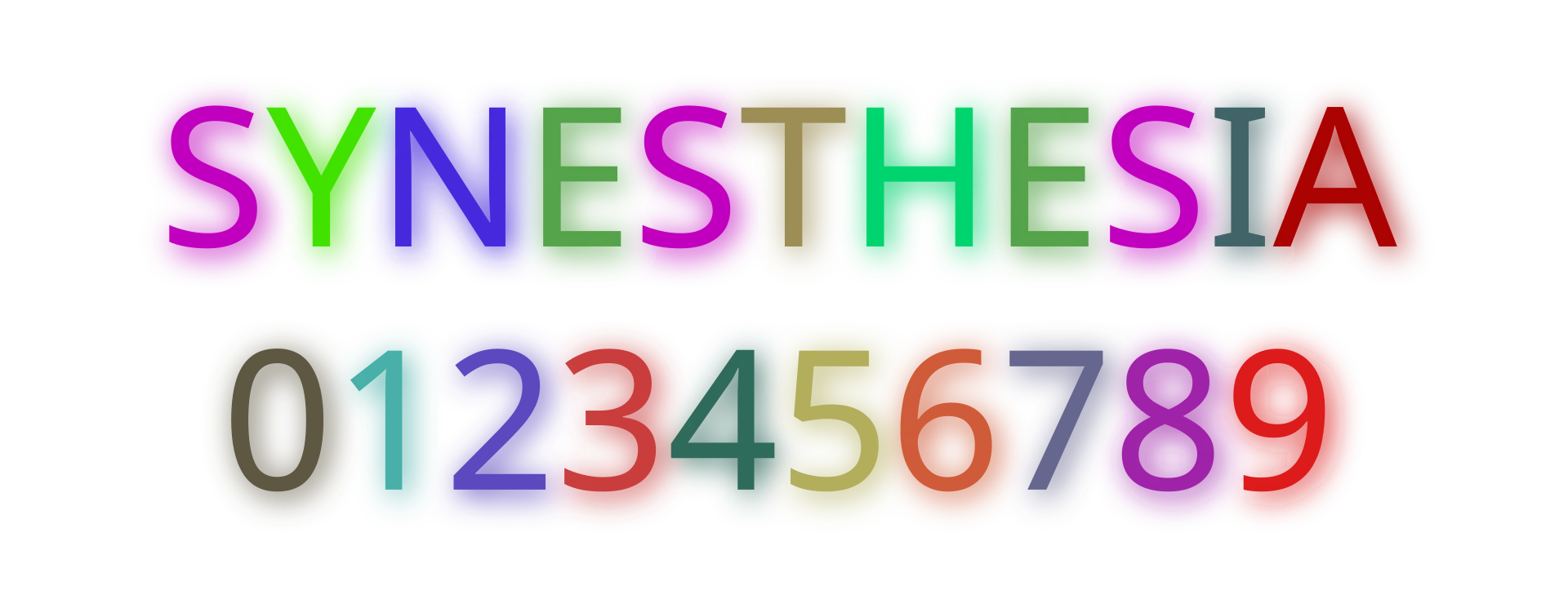
Do you experience sounds or music visually as certain shapes? Or do you hear colors? You might have synesthesia! Some synesthetes also have extrasensory associations with words, a kind of linguistic synesthesia. And BBC’s Instant Genius podcast has an episode all about this neat phenomenon:
 Jason Goodyer
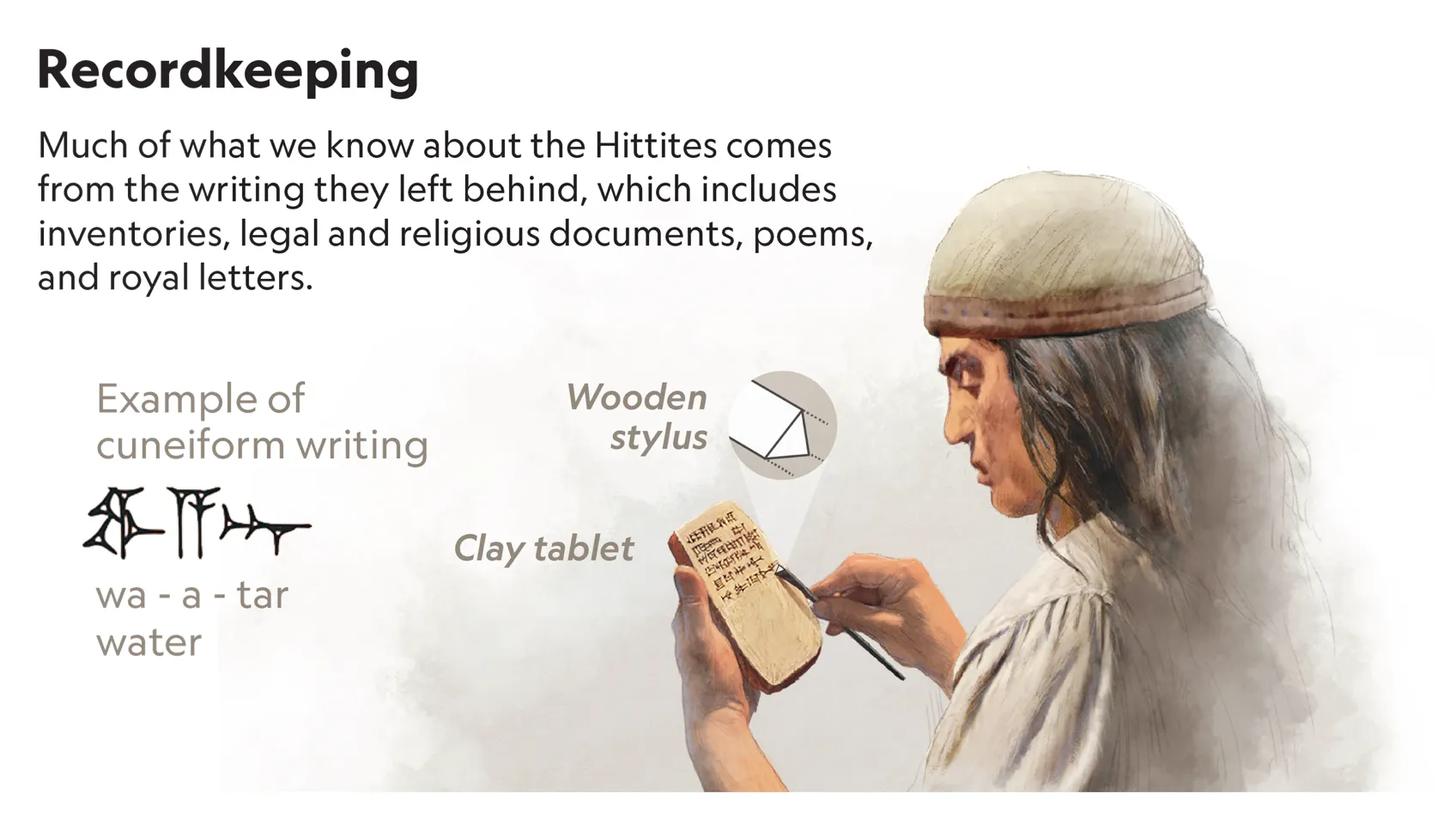
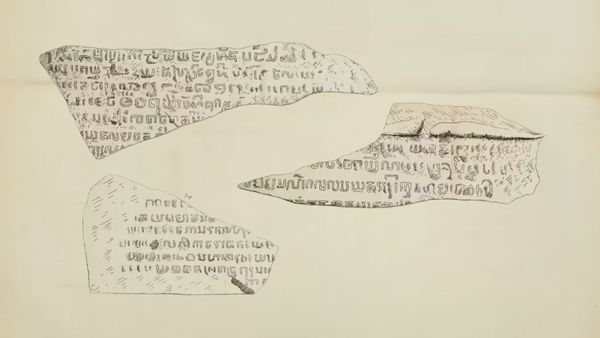
The latest issue of National Geographic has a feature about the Hittite Empire, and of course you can’t talk about the Hittite Empire without talking about Hittite language and the trove of cuneiform tablets that have given linguists and historians incredible insights into the early Indo-Europeans and the Proto-Indo-European language:


📚 Books & Media
New (and old) books and media touching on language and linguistics.
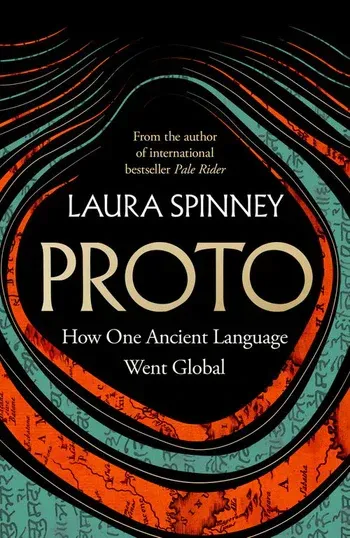
The Economist reviews the new book Proto: How one ancient language went global:
 The Economist
The author of Proto, Laura Spinney, also just published an article with The Guardian asking, “Could the English language ever die out?”:
 Laura Spinney
🗃️ Resources
Maps, databases, lists, etc. on language and linguistics.
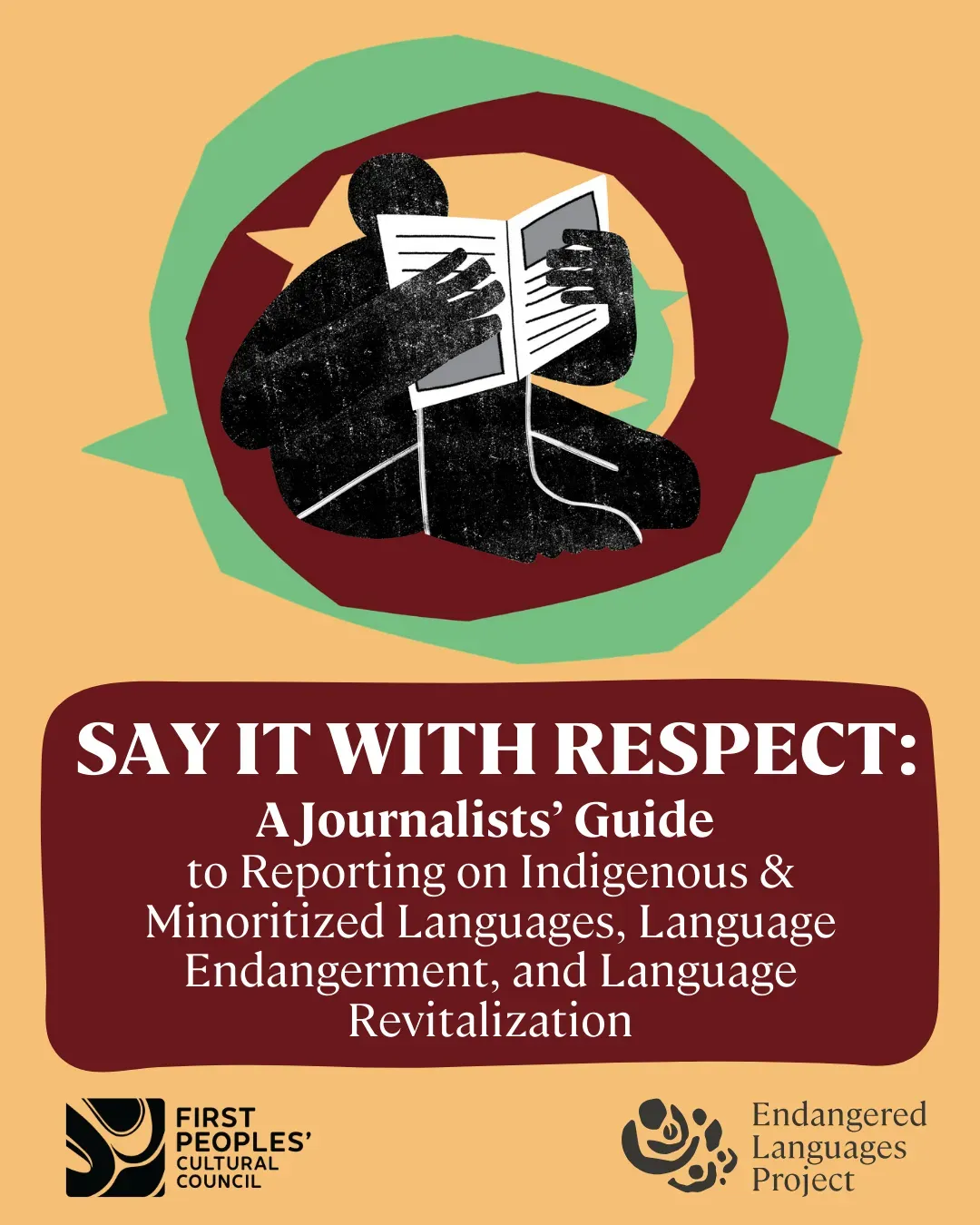
The First Peoples’ Cultural Council of British Columbia has put together a guide for journalists on reporting on indigenous and minority languages, language endangerment, and language revitalization:


Ever wonder about the etymology of a word but don’t know where to find it? Check out Etymonline.com. It’s a huge, very accessible database of word histories. While the compiler doesn’t include sources for the etymologies, he does list them here. So while I don’t recommend using Etymonline for scholarly research because its sources aren’t traceable, I do highly recommend it for everyday use. It’s a great place to start when diving in to a particular etymology.


That’s all for this week! I’ve actually mostly caught up on the most recent news and research in linguistics now, so the Current Linguistics portion of the digest might continue to be a little shorter from here, but don’t fret—I still have an absolutely ginormous backlog of interesting articles and resources to share with you! There really is a never-ending supply of fascinating things to explore with language.
Have a great week!
~ Danny
If you'd like to support Linguistic Discovery, purchasing through these links is a great way to do so! I greatly appreciate your support!
Check out my entire Amazon storefront here.