Germans bemoan the “idiot’s apostrophe”, and research on using AI to communicate with dolphins wins the $100,000 Dolittle Prize
Here’s what happened this week in language and linguistics.

Welcome to this week’s edition of Discovery Dispatch, a weekly roundup of the latest language-related news, research in linguistics, interesting reads from the week, and newest books and other media dealing with language and linguistics.
📰 In the News
Language and linguistics in the news.

Dr. Ofelia Zepeda is a Native Tohono O’odham scholar and linguist at the University of Arizona who is well known for her work in language documentation and revitalization. The Tohono O’odham language is a part of the Uto-Aztecan family, and in the past has been known as Papago or Pima. It is the 10th most-spoken indigenous language in the United States, and is spoken in Arizona and northern Sonora, Mexico. AZ Central has a wonderful article about Dr. Zepeda this week:
 , The Arizona Republic
Apostrophes used in a “non-standard” manner are called grocers’ apostrophes or idiots’ apostrophes in English, and German has their version of them too: Deppenapostroph ‘idiot’s apostrophe’, when German writers use an apostrophe to indicate possession. While technically unnecessary because German nouns already have a genitive (possessive) ending, it has nonetheless become common to see apostrophes with names especially. In acceptance of this growing convention, the latest edition of the Council for German Orthography’s style guide now allows this usage with proper names.
 Philip Oltermann
🗞️ Current Linguistics
Recently published research in linguistics.
Primate Communication
A pair of recent studies finds that chimp communication includes two features considered important for spoken communication: rhythmic structures and call combinations.
 Rosie McCall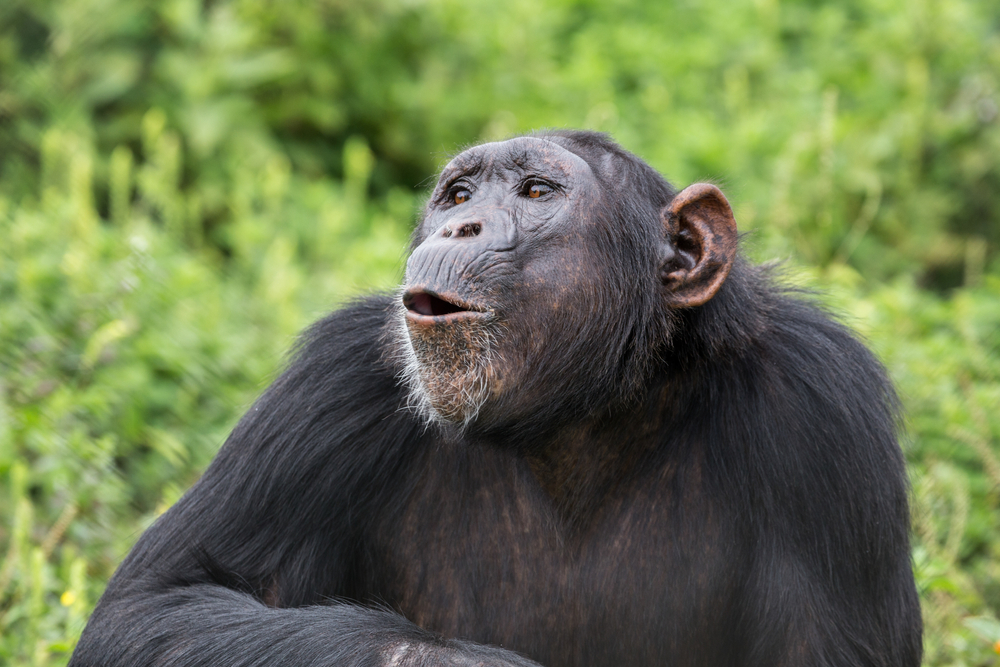
- Chimps’ rhythmic drumming and complex calls hint at origins of human language (NPR)
- Eleuteri et al. 2025. Chimpanzee drumming shows rhythmicity and subspecies variation. Current Biology 35(10). DOI: https://doi.org/10.1016/j.cub.2025.04.019
- Girard-Buttoz et al. 2025. Versatile use of chimpanzee call combinations promotes meaning expansion. Science Advances 11(19). DOI: https://doi.org/10.1126/sciadv.adq2879
A recent study also finds that alarm calls from female Sumatran orangutans also display embedding and recursion, a feature once claimed by Noam Chomsky to be unique to human language:
 Sanjana Gajbhiye
- De Gregorio, Gambia, & Lameira. 2025. Third-order self-embedded vocal motifs in wild orangutans, and the selective evolution of recursion. Annals of the New York Academy of Sciences, pp. 1–11. DOI: https://doi.org/10.1111/nyas.15373
Americans and Britons outswear Australians online
In a surprising result, a new study finds that Americans and Britons swear more online than Australians do. However, Australians make up for this in creativity, using a wider range of swear words than Americans, who mostly stick to “fuck” and its variants. And of course Australians use more swear words in person.
 Tory Shepherd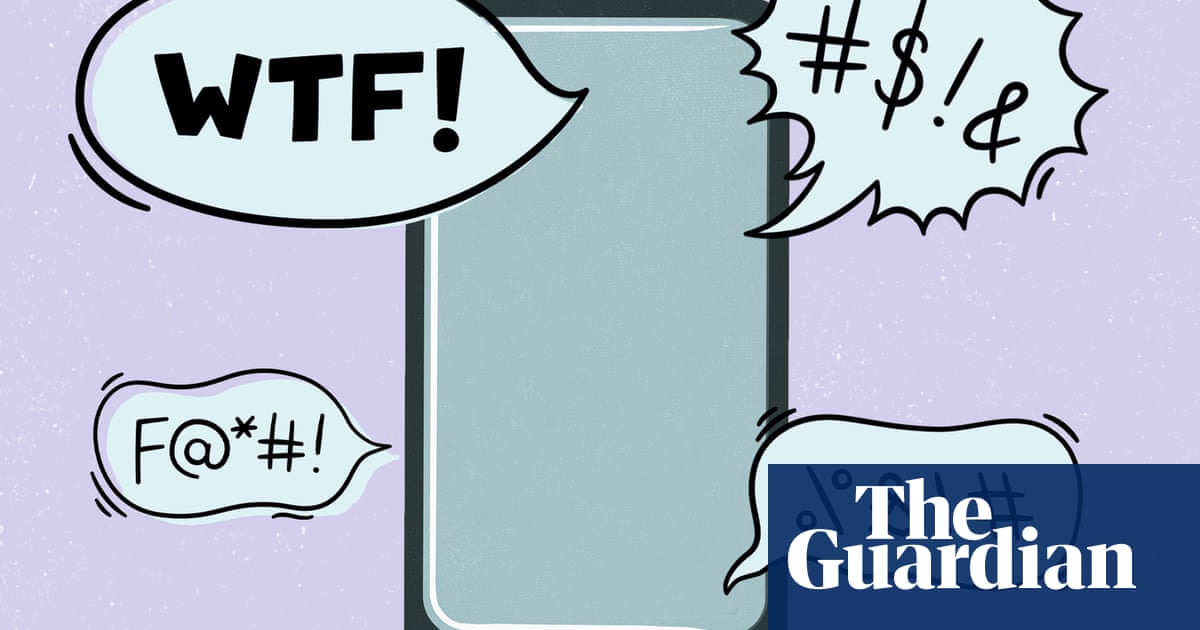
 Andrew Paul
- Schweinberger & Burridge. 2025. Vulgarity in online discourse around the English-speaking world. Lingua 321. DOI: https://doi.org/10.1016/j.lingua.2025.103946
Linguistics for Language Learning
Recent research suggests that add linguistics into language learning curricula could improve student outcomes and engagement. I can’t say this one surprises me!
 Anna D. Havinga


📃 This Week’s Reads
Interesting articles I’ve come across this week.
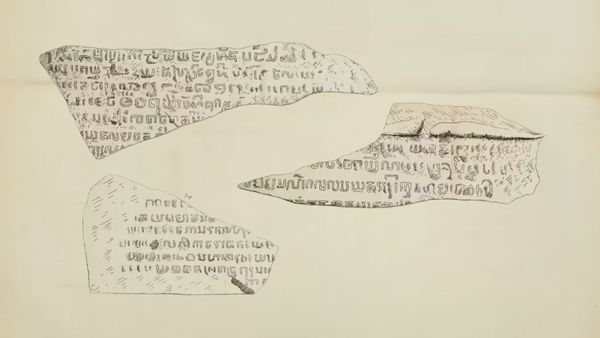
Yiddish is a West Germanic language historically spoken by Ashkenazi Jews originating in the 800s, based on High German but with influences from Hebrew, Aramaic, Slavic languages, and Romance languages. When many eastern European Jews migrated to Britain in the late 19th century, they may have influenced the English cockney accent as it evolved in the early 20th century:
 Nadia Valman
The Dolittle Prize is a $100,000 award recognizing early breakthroughs in artificial intelligence (AI)-powered interspecies communication. The winning project was just announced, exploring how dolphins use shared, learned whistles that may carry specific meanings—possibly even warning each other about danger, or just expressing confusion.
 Leonard David
The New Yorker has a piece about Trump’s executive order making English the official language of the federal government:
 Graciela Mochkofsky
For my own explanation and perspective on the matter, check out this issue of the newsletter:
 Daniel W. Hieber, Ph.D.
Radio France Internationale (RFI) has an article this week introducing readers to the concept of language endangerment. They note that just 20 languages dominate the global linguistic landscape, whereas 95% of the world’s languages are spoken by just 5% of the population:
 RFI
RFI
- [French version] Le dernier mot: quand les langues disparaissent (RFI)
These are some of my favorite etymological mysteries: where words like boy, girl, and dog come from:
 Francesco Perono Cacciafoco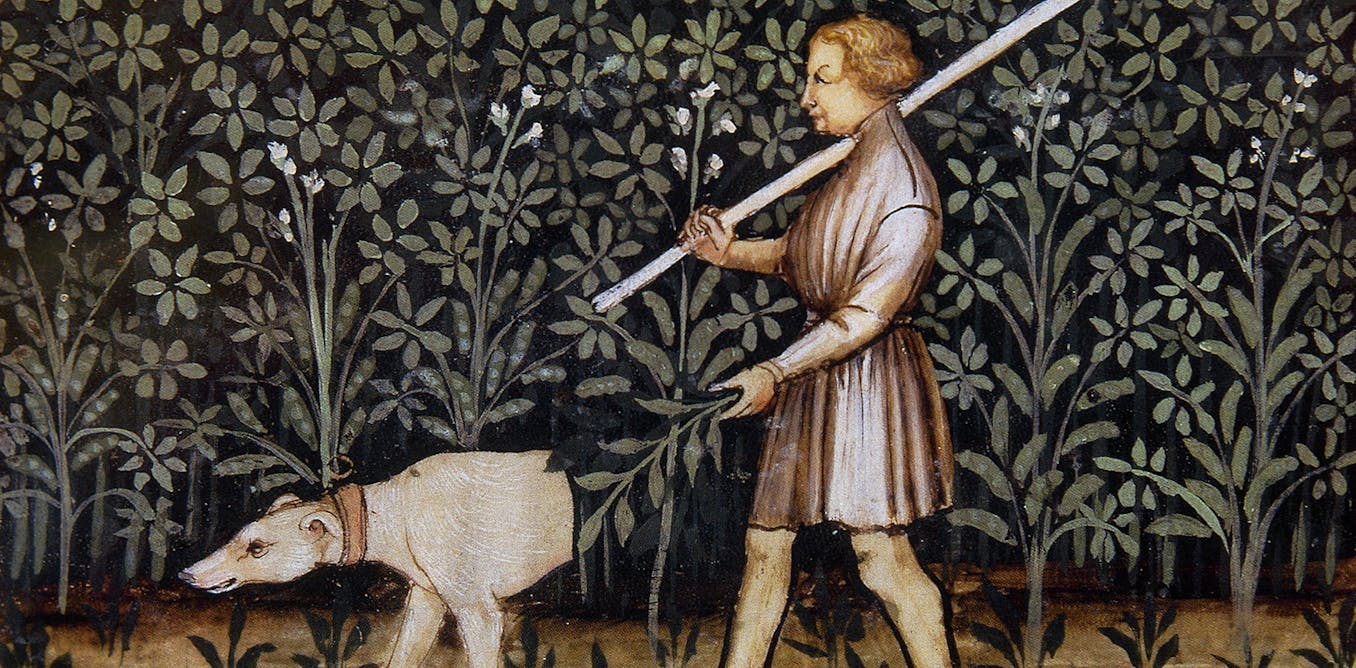
If you haven’t yet become acquainted with Colin Gorrie’s excellent newsletter, Dead Language Society, I highly recommend doing so. To dip your toes in, here’s a great introduction to the runic alphabet:
 Colin Gorrie
I don’t love this question (because with the rare exception of languages forming de novo all languages are equally old), but I do love the fact that Gizmodo reached out to actual linguists to answer it and let them do so in their own voice. I was happy to see mention of Nicaraguan Sign Language (one of those rare de novo languages) and the mixed language Michif, since sign languages and mixed languages are often sidelined and/or not treated as real languages.
 Daniel Kolitz
Always happy to see articles explaining the myriad benefits of multilingualism!
 Uma Jeddy, Zoe Beketova
📚 Books & Media
New (and old) books and media touching on language and linguistics.
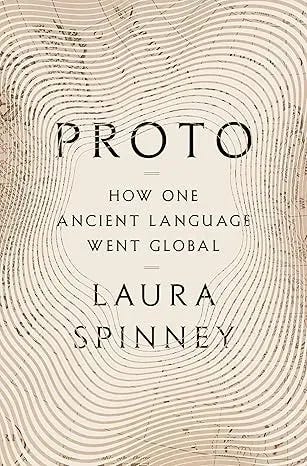
Slate has a laudatory review of Laura Spinney’s new book Proto: How one ancient language went global:
 Laura Miller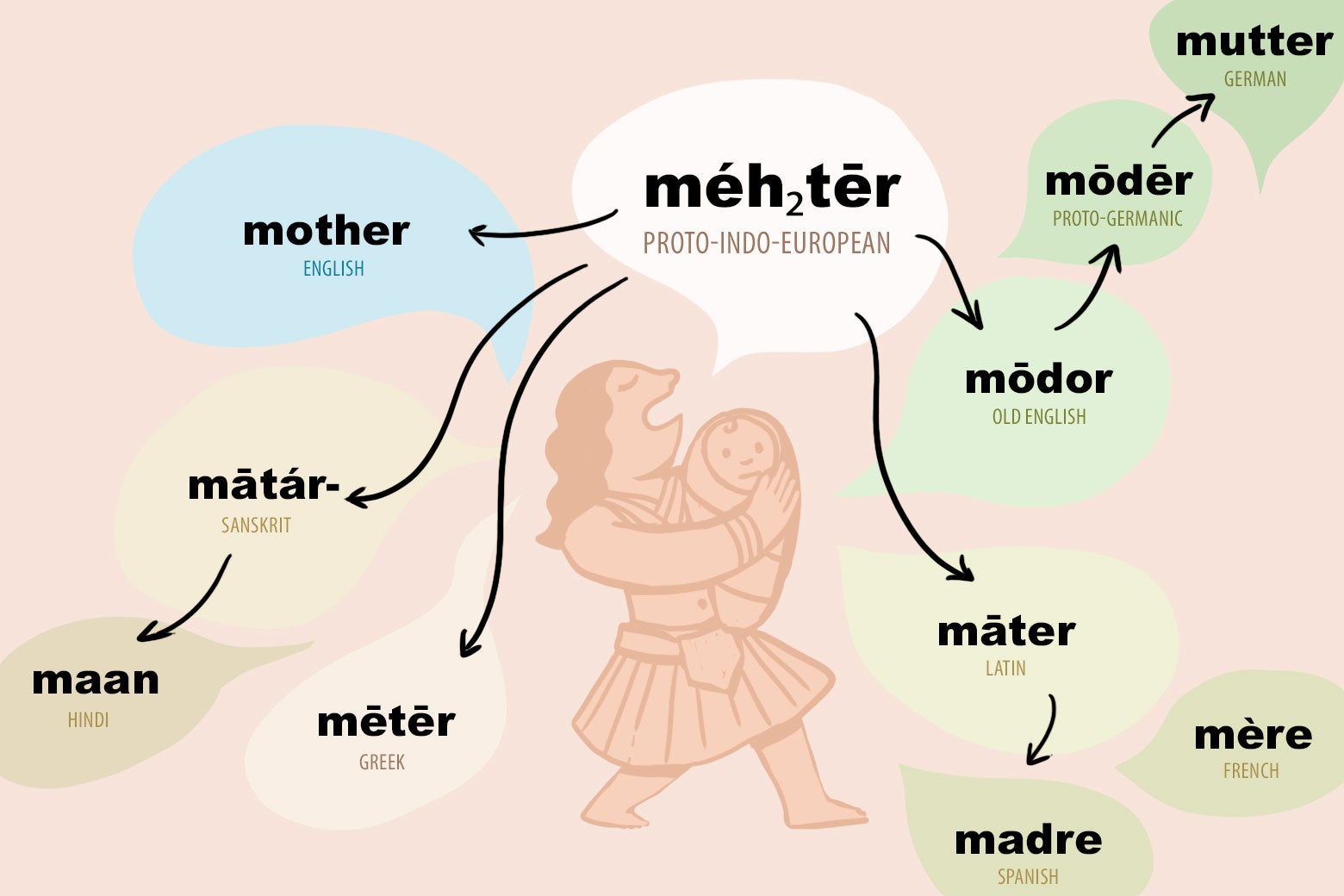
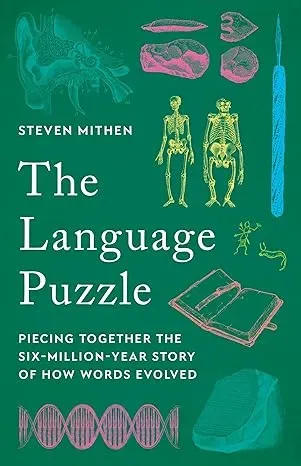
In 2005 archaeologist Steven Mithen published the book The singing neanderthals: The origins of music, language, mind, and body, which gives an overview of language evolution, and proposes that language may have had its origin in music. Our understanding of human evolution has advanced significantly in the 20 years since, and now Mithen has followed up with another book on language evolution, The language puzzle: Piecing together the six-million-year story of how words evolved, published early this year. Here’s a review by paleoanthropologist Ian Tattersall in The New York Review:
 Ian Tattersall
🗃️ Resources
Maps, databases, lists, etc. on language and linguistics.

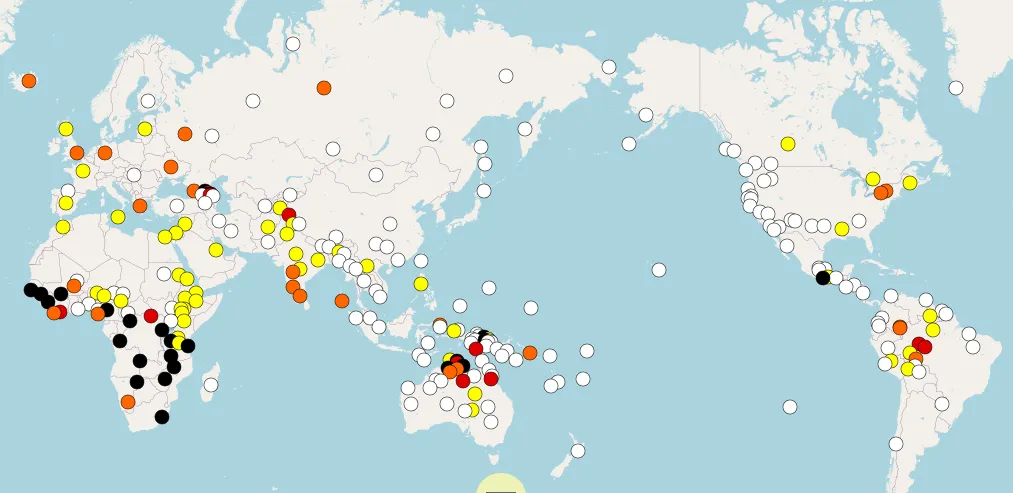
The World Atlas of Language Structures Online (WALS) is a database of grammatical and phonological properties of the world’s languages. Some properties include whether the language is tonal (and what kind of tonal), how the language indicates plurality on nouns, how the language indicates past tense, the order of the subject, object, and verb, and many others. It includes chapters on each feature that explain what possibilities exist in the world’s languages, and interactive maps that you can use to see the geographic distribution of features. It’s an incredible tool and well worth checking out if you’re not already familiar with it:


That’s all for this week! I hope you enjoyed this issue of the digest, and that you have a wonderful week!
~ Danny
If you'd like to support Linguistic Discovery, purchasing through these links is a great way to do so! I greatly appreciate your support!
Check out my entire Amazon storefront here.