Islands are incubators of linguistic diversity, and people are more likely to cooperate with those who use similar linguistic constructions
Here’s what happened this week in language and linguistics.

Happy Thursday! I present to you the Linguistics Serenity Prayer:

In the name of Pānini, William Jones, and Edward Sapir we pray. Amen.
Welcome to this week’s edition of Discovery Dispatch, a weekly roundup of the latest language-related news, research in linguistics, interesting reads from the week, and newest books and other media dealing with language and linguistics.
📢 Updates
Announcements and what’s new with me and Linguistic Discovery.
The latest issue of Babel: The Language Magazine includes an interview with me about how I got into linguistics, and my work with the Chitimacha Tribe of Louisiana to help them revitalize their language!
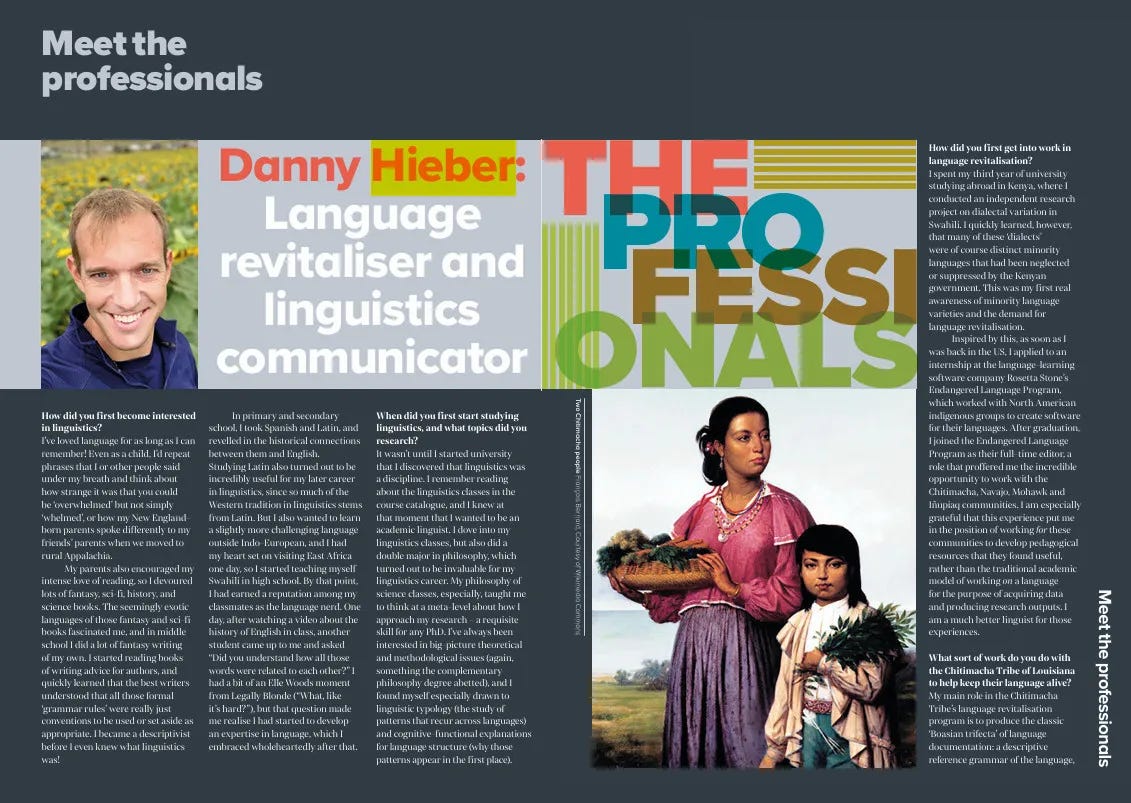
You can subscribe to Babel here:
 Stephen Fry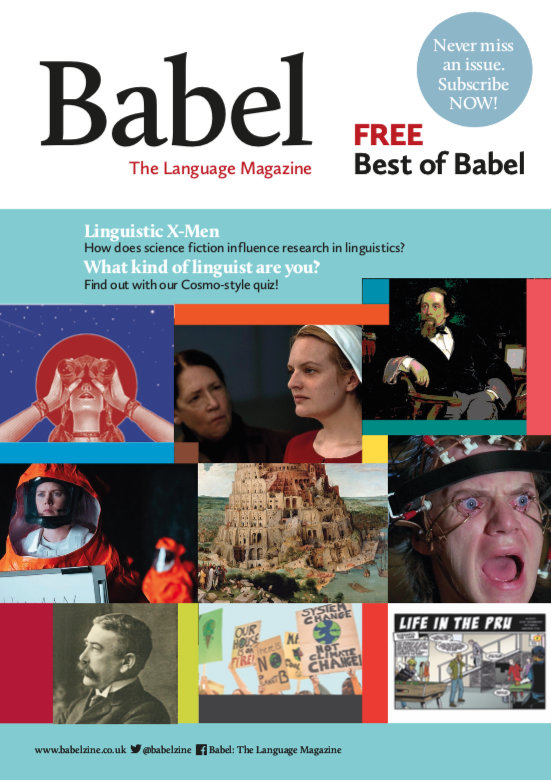
🆕 New from Linguistic Discovery
This week’s content from Linguistic Discovery.
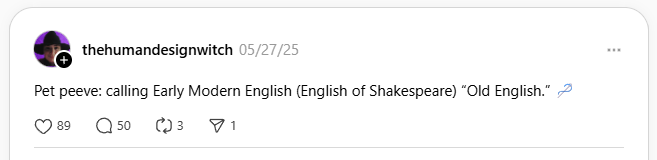
This isn’t really a pet peeve of mine, but this person is correct that Shakespeare didn’t write in Old English—even though he certainly wrote in old English! Seeing this inspired me to write a short thread about the periods of English:
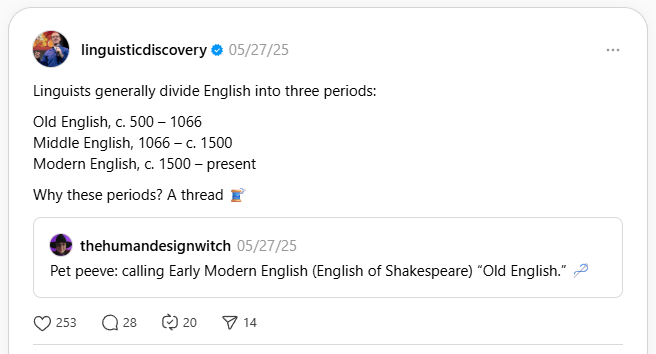
Here’s the complete text of the thread:
Linguists generally divide English into three periods:
- Old English, c. 500 – 1066
- Middle English, 1066 – c. 1500
- Modern English, c. 1500 – present
Why these periods?
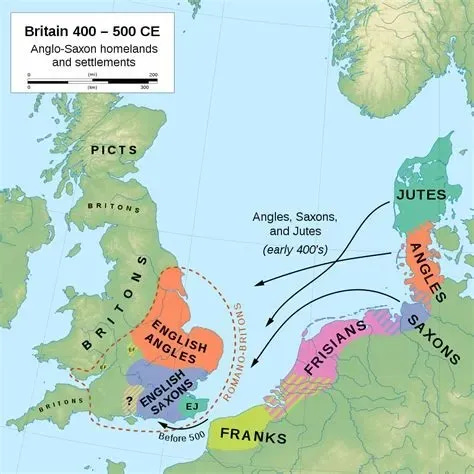
Old English first formed with the settlement of the Anglo-Saxons in England. At this point it had lots of case markers on nouns and complex verbal inflection.
The Lord’s Prayer looked like this:
Fæder ure, þu þe eart on heofonum,
Sī þīn nama gehalgod.
Tō becume þīn rīċe.
Gewurþe þīn willa,
on eorðan swa swa on heofonum.
Sēo ægðer ge forgyf us ūre gyltas,
swa swa wē forgyfað ūrum gyltendum.
And ne gelæd þu us on þæt costnunge,
ac alys us of yfele.
In 1066 the Norman French invaded England and French became the language of the ruling class, while English was disparaged and hardly written. This marked the transition into Middle English. French vocabulary and grammar heavily influenced English during this time period, and English lost many of its inflectional endings.
In Middle English the Lord’s Prayer looked like this:
Oure fadir
That art in hevenes
Halwid be thi name
Thi kingdom come to
Be thi wille don
On erthe as in hevenes
Give to us this day oure bred ovir othir substaunce
And forgiv us oure dettis
As we forgiven oure dettours
And lede us not in to temptacioun
But delyevr us from yvel
Between the 1400s and 1600s English then underwent something called the Great Vowel Shift. Like it name implies, the pronunciation of every long vowel in English changed. English also saw an influx of words from Latin and Greek due to the Renaissance. Because of these drastic changes, the Great Vowel Shift is generally considered to mark the transition to Modern English.
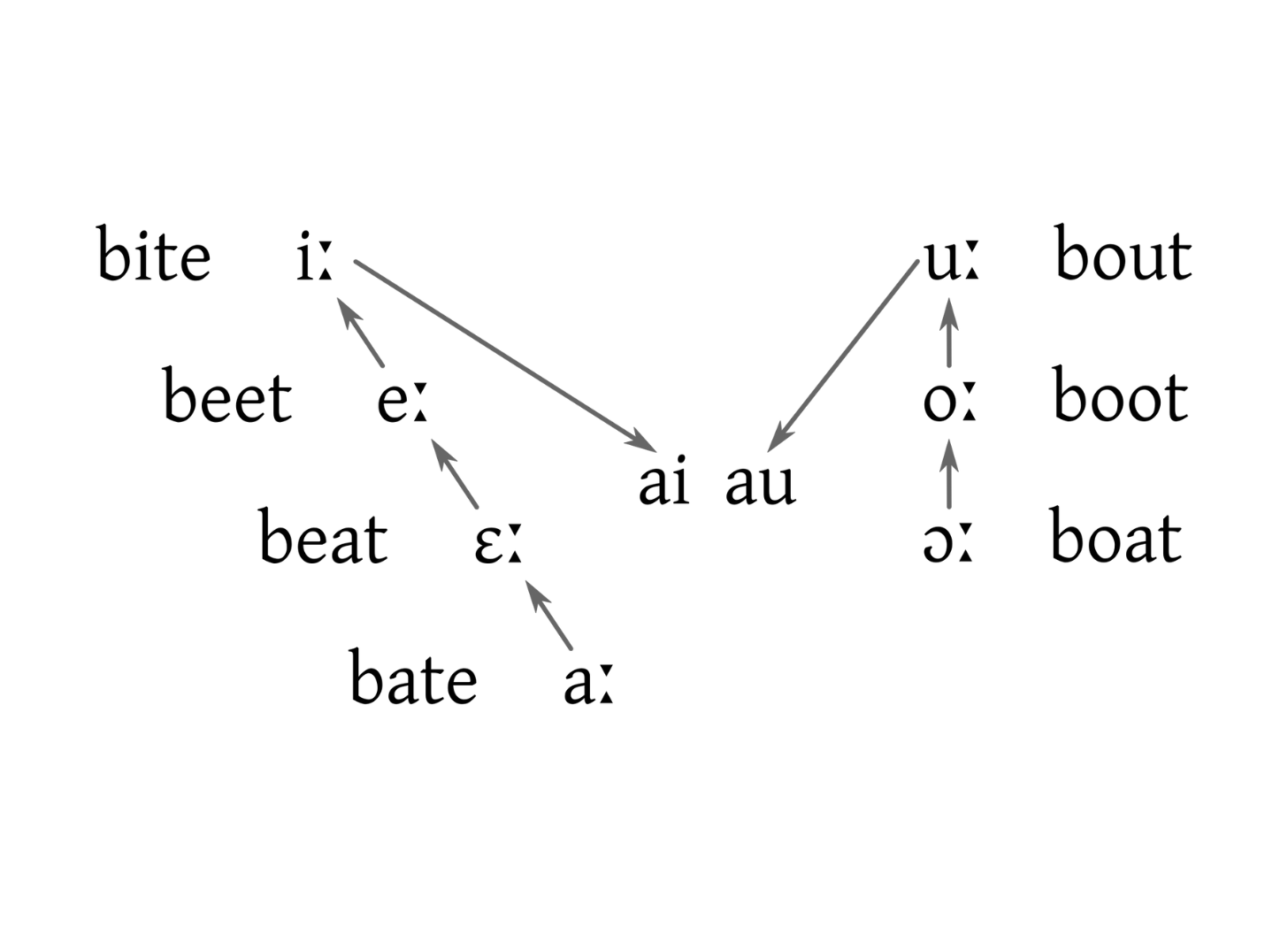
Shakespeare wrote in the Early Modern English period, which is why we can still read his works, with some difficulty.
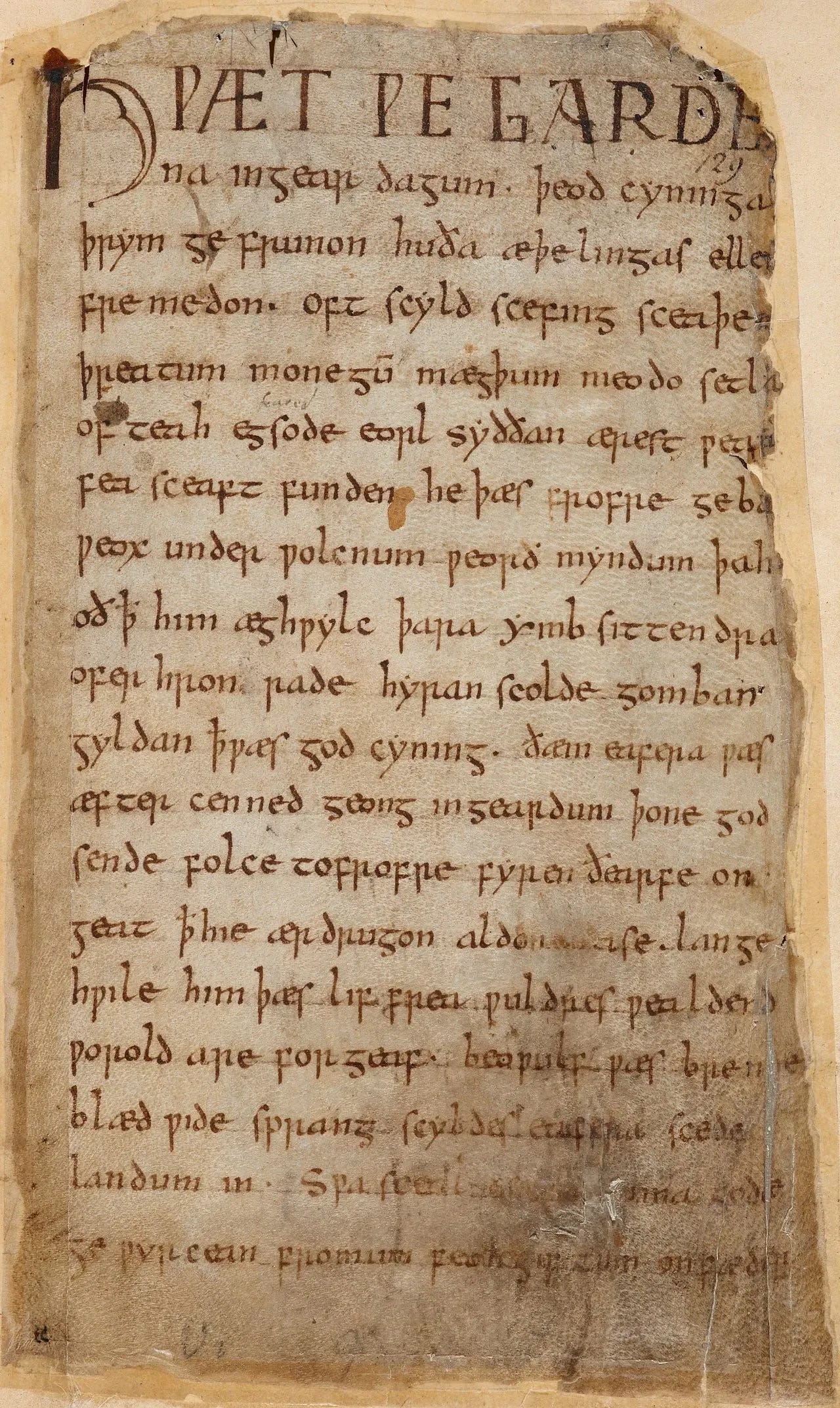
Each period of English is considered not mutually intelligible with the other periods. You have to take a class to understand Old English or Middle English, which is why you can’t read Beowulf without special training:
📰 In the News
Language and linguistics in the news.
With big cash prizes at stake—and AI supercharging research—interspecies translation is closer than ever. But what, if anything, would animals want to tell us? Here’s some more reporting on the recently-awarded Dolittle Prize:
 Arik Kershenbaum
🗞️ Current Linguistics
Recently published research in linguistics.
Word-initial consonants are systematically lengthened across languages
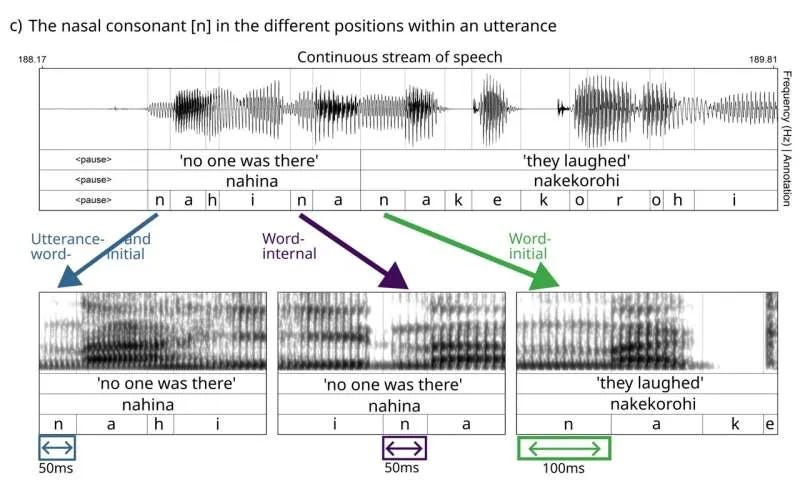
A neat study from 2024 showed that across a diverse set of languages, word-initial consonants are systematically lengthened, serving as a useful perceptual cue for signaling word boundaries.
 Max Planck Society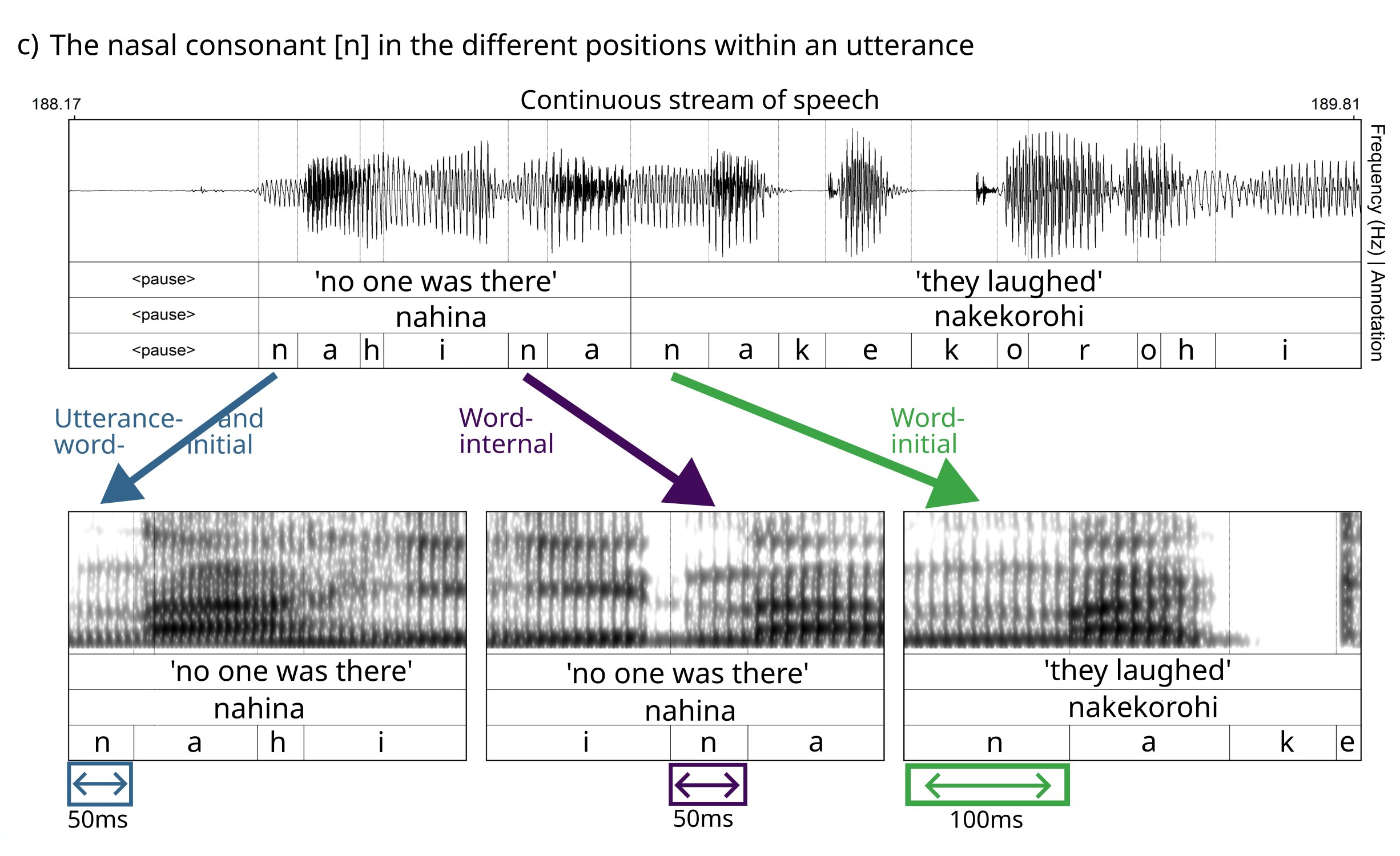
 Frederic Blum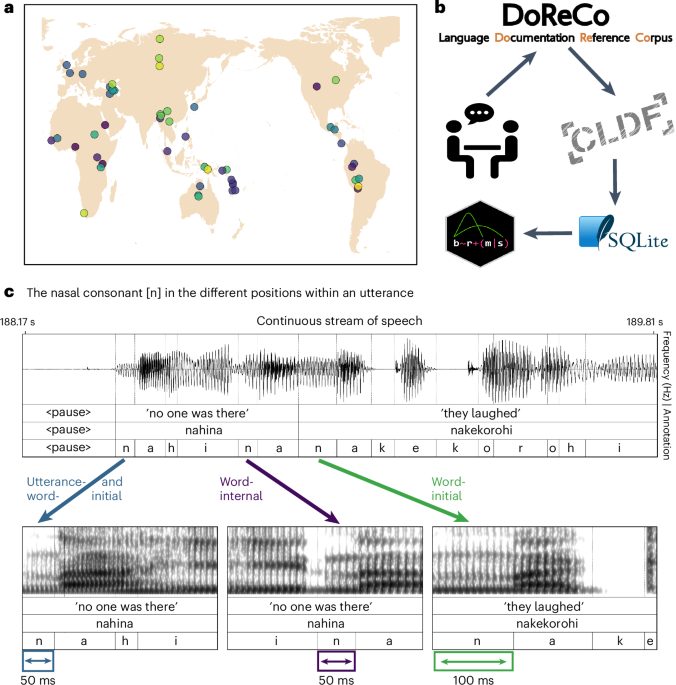
Another neat aspect of that study is that it used data from the fairly new Language Documentation Reference Corpus (DoReCo), a collection of linguistic data in 53 diverse languages, for its analysis.


Islands are incubators of linguistic diversity
In biology, islands have a disproportionately large impact on biological science because they show evolution in action. A 2024 study shows that the same is true for languages: islands are incubators of diversity, and correlate with several other unique features as well:
 Australian National University
 Lindell Bromham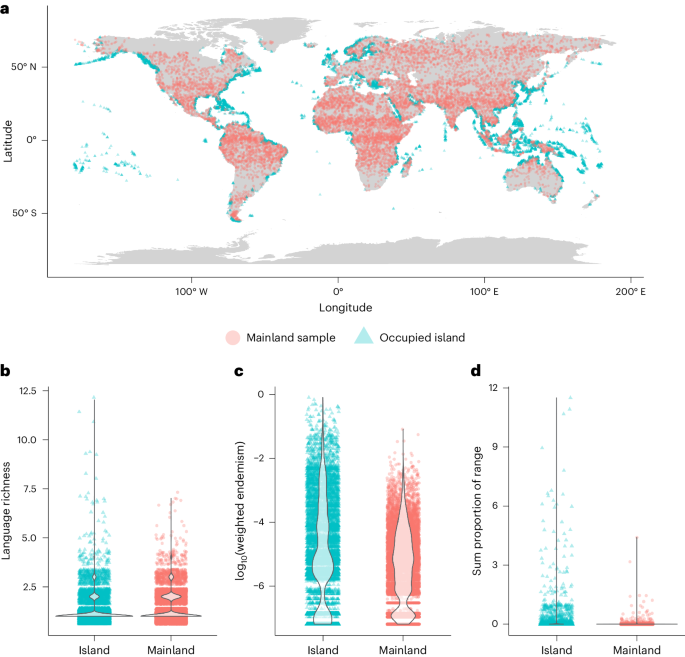
People are more likely to cooperate with those who use similar linguistic constructions
 University of Vienna
 Theresa Matzinger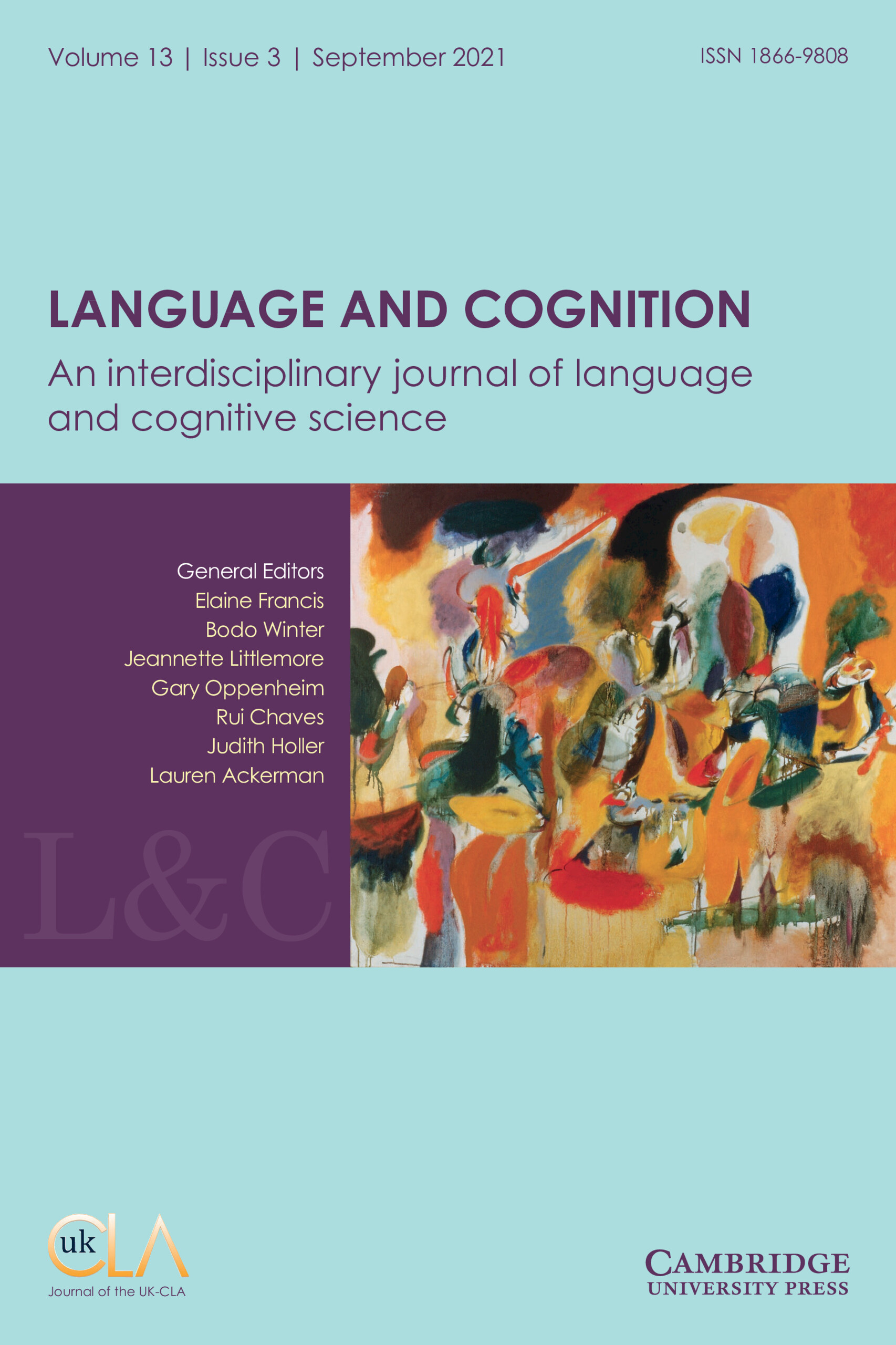
Orangutan calls organized into a rhythmic hierarchy
 Chiara De Gregorio
- De Gregorio, Gamba, & Lameira. 2025. Third-order self-embedded vocal motifs in wild orangutans, and the selective evolution of recursion. Annals of the New York Academy of Sciences. DOI: https://doi.org/10.1111/nyas.15373
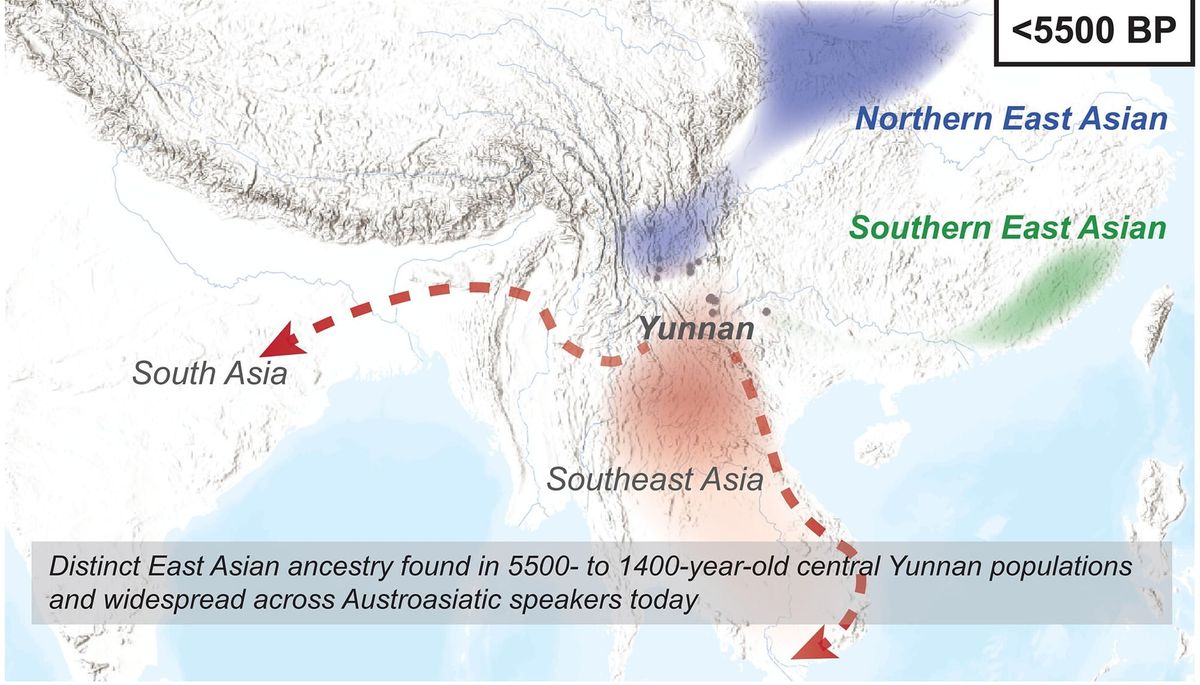
Prehistoric genomes from Yunnan reveal ancestry related to Tibetans and Austroasiatic speakers

Waves of human migration have resulted in population admixture and turnover across the world, resulting in complex histories that are difficult to untangle without ancient DNA. Wang et al. sequenced 127 ancient humans from southwestern China living 7100 years ago to the present day. In addition to determining finer population dynamics such as contributions of Central Yunnan ancestry to modern Austroasiatic speakers, the authors uncovered a potential representative of a deeply divergent lineage similar to a long-speculated “ghost” population that contributed to Tibetans. This study gives greater insight into the populations that have lived in this area.
- Wang et al. 2025. Prehistoric genomes from Yunnan reveal ancestry related to Tibetans and Austroasiatic speakers. Science 388(6750). DOI: https://doi.org/10.1126/science.adq9792
Language may have originated in gesture
It’s long been speculated that language may have originated in gesture, as a type of early sign language, before shifting to a spoken medium. A 2022 paper uses a set of experiments suggesting that the semantics of gestures are sufficiently universal to have provided a basis for early language.
- Hand gestures may have been the start of human language (Discover)
- Fay et al. 2022. Gesture is the primary modality for language creation. Proceedings of the Royal Society B 289(1970). DOI: https://doi.org/10.1098/rspb.2022.0066
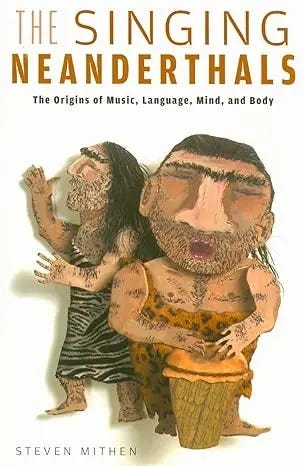
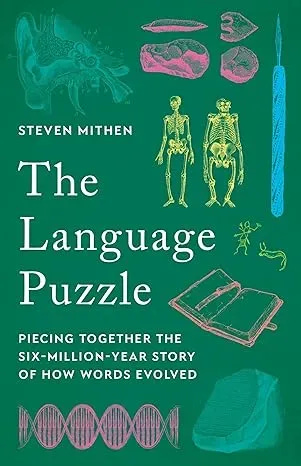
A book that popularized the gestural theory of language origin among the broader public is The singing Neanderthals: The origins of music, language, mind, and body, by Steven Mithen. Mithen also recently published another book on the evolution of language, The language puzzle: Piecing together the six-million-year story of how words evolved:
📃 This Week’s Reads
Interesting articles I’ve come across this week.
Colin Gorrie talks about how the Black Death may have contributed to the Great Vowel Shift in English, which completely restructured how English vowels were pronounced:
 Colin Gorrie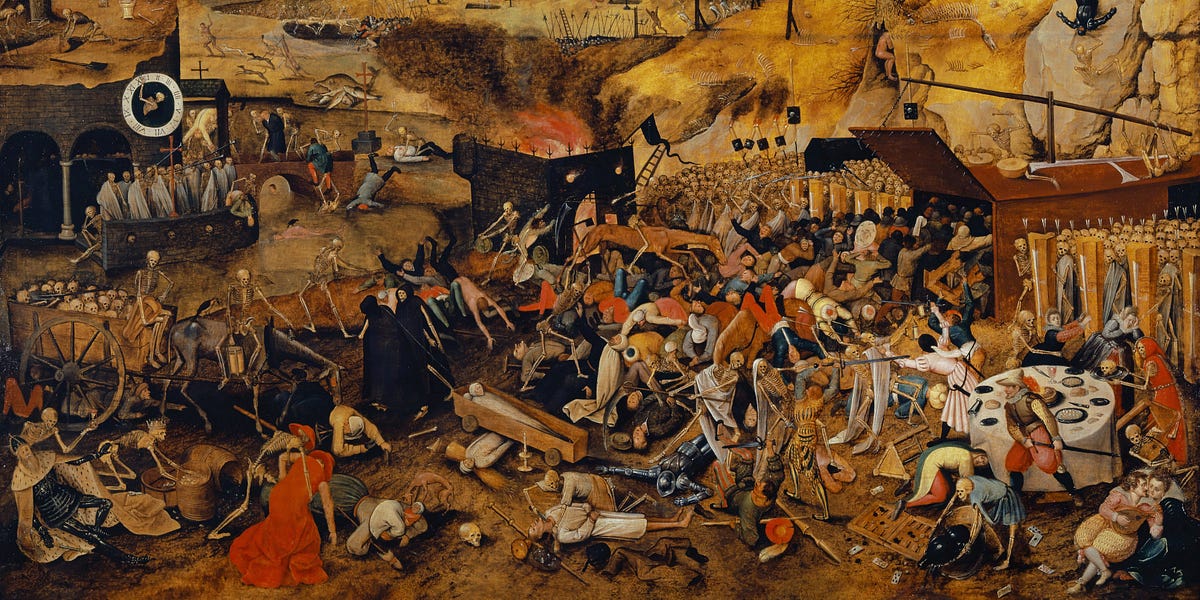
I love posts like this, which show the impact of historical events and societal change on language. It reminds me of one of my favorite podcasts, The History of English, by Kevin Stroud. Stroud’s approach in the podcast is exactly that: he explains the relevant historical events at each stage of English, and how those events shaped the language, making for a podcast that’s half history, half linguistics. I highly recommend giving it a listen if you haven’t yet:
 Kevin Stroud
Here’s an interesting interview with Colleen Billiot, a member of the Houma Nation, a Native American group which was historically situated in Louisiana and Mississippi. Billiot talks about her group’s efforts to revitalize the Houma language. This is a tough situation because the language is poorly attested, with just 75 Houma words recorded by anthropologist John R. Swanton in 1907. But based on those words, Houma seems related to Choctaw, making it a member of the Muskogean family of languages.
- Reviving languages of Native Americans is a journey of cultural discovery (Verite News)
- Brown & Hardy. 2000. What is Houma? International Journal of American Linguistics 66(4). DOI: https://doi.org/10.1086/466440
Parrots are prolific vocal learners. But do they actually understand the words they say?
 Marilyn Perkins
What’s the difference between verb tense and verb aspect?
 Michael Ferber
📚 Books & Media
New (and old) books and media touching on language and linguistics.
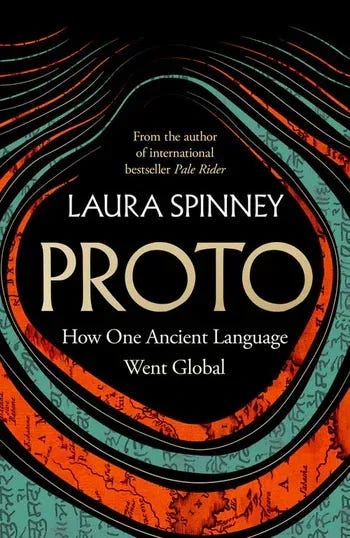
Here’s another excerpt from the new book Proto: How one ancient language went global by Laura Spinney. This excerpt discusses the early branching of the Indo-European languages and how we know about them:
 Laura Spinney
🗃️ Resources
Maps, databases, lists, etc. on language and linguistics.
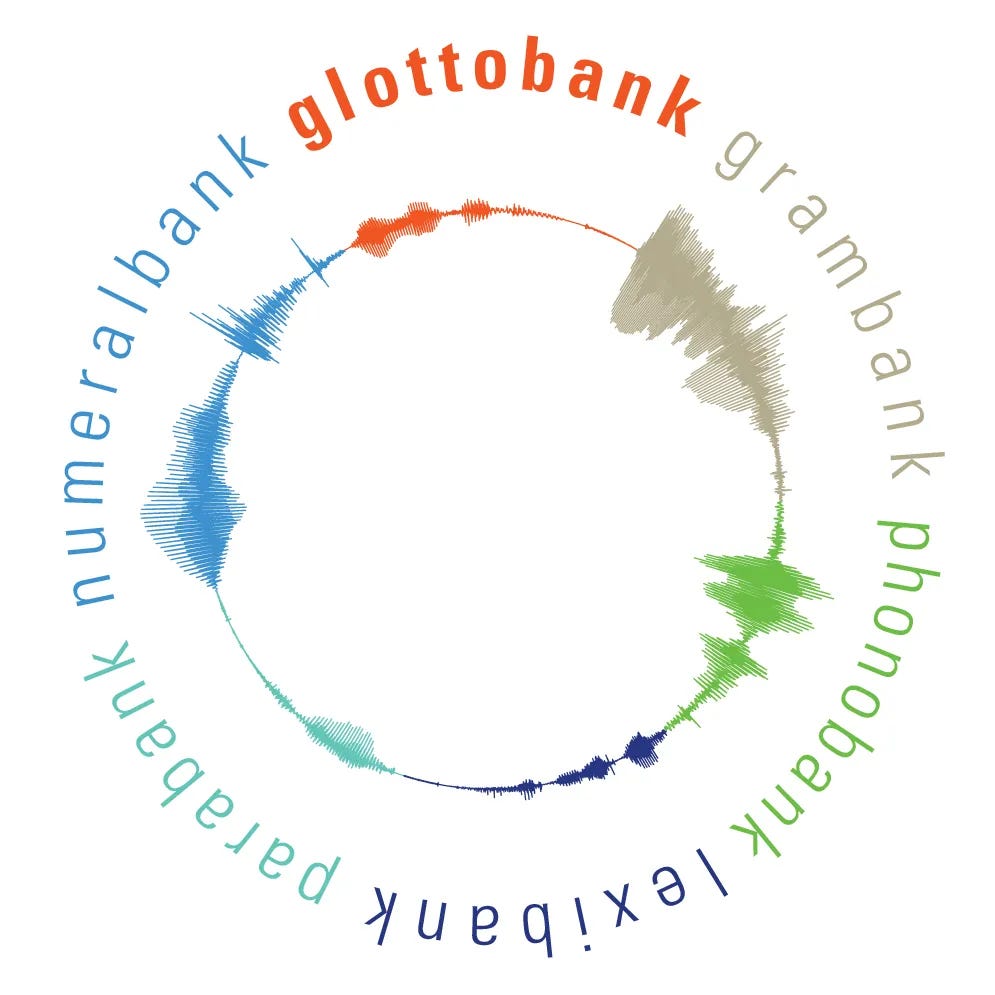
Last week I mentioned the World Atlas of Language Structures (WALS), but I should also point out Grambank, which expands on WALS but is more technical and lacks the friendly accompanying chapters explaining each feature. Nonetheless, it’s a fantastic resource:


GramBank itself is part of a collection of databases called Glottobank, including:
- Grambank: language structures
- Lexibank: lexicons
- Parabank: paradigm systems
- Numeralbank: numeral systems
- Phonobank: phonetic changes
That’s all for this week! Thank you as always for taking the time to read, and I hope you found something new and interesting!
~ Danny
If you'd like to support Linguistic Discovery, purchasing through these links is a great way to do so! I greatly appreciate your support!
Check out my entire Amazon storefront here.