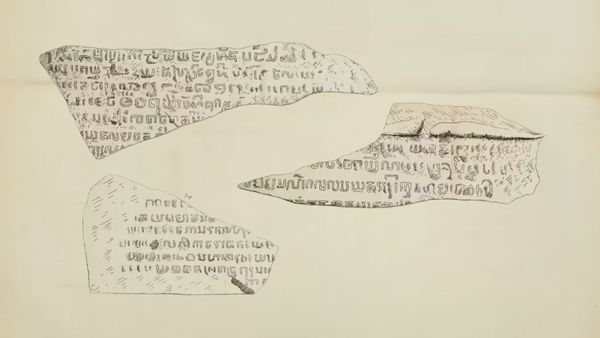
A Paleo-Hispanic alphabet is discovered in Spain, and researchers use AI to read 2,000-year-old scrolls burnt to a crisp by Mt. Vesuvius for the first time
Here’s what happened this week in language and linguistics.

Me on a daily basis:
![Me: I’ll just make a quick 1-minute video about this. Also me, 3 hours and 5,000 words later: [Photo of a man surrounded by books and papers doing research.]](https://substackcdn.com/image/fetch/w_1456,c_limit,f_auto,q_auto:good,fl_progressive:steep/https%3A%2F%2Fsubstack-post-media.s3.amazonaws.com%2Fpublic%2Fimages%2F17e890a8-6729-422e-ad9b-2ab8804b4dfc_1080x1350.png "Me: I’ll just make a quick 1-minute video about this. Also me, 3 hours and 5,000 words later: [Photo of a man surrounded by books and papers doing research.]")
Welcome to this week’s edition of Discovery Dispatch, a weekly roundup of the latest language-related news, research in linguistics, interesting reads from the week, and newest books and other media dealing with language and linguistics.
📢 Updates
Announcements and what’s new with me and Linguistic Discovery.

History.com recently interviewed me about the world’s oldest language. This actually isn’t the best question because with just a few exceptions all languages are equally old. (The exceptions are incredibly cool though.) Myself, Gareth Roberts, and Claire Bowern all tried to impress this on the interviewer, and explained why there’s not really a straightforward answer to this question. Overall I think the article came out well. I’ve seen other versions of this question where the journalist/writer tried to force an answer even though there isn’t one.
I think people really like the idea of a language frozen in time that allows us to peer back into the depths of history because it’s exotic and mysterious, but the fact is languages are always changing. So I agree with Gareth Roberts that most people probably mean something like, “What’s the oldest written language we have evidence of?” when they ask this.
In any case, here’s the article!
📰 In the News
Language and linguistics in the news.
2,500-year-old slate with paleo-alphabet discovered in Spain
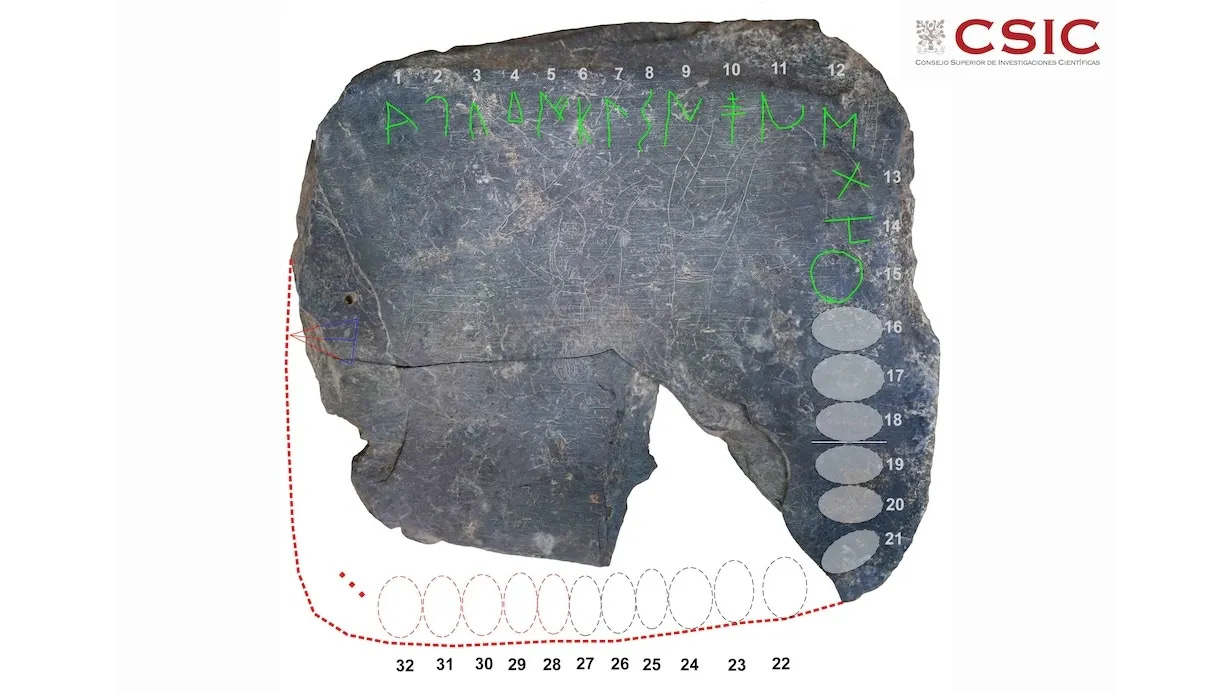
Archaeologists have discovered a stone tablet at a Tartessian site in southwestern Spain that depicts battle scenes in the center and a partial alphabet in a Paleo-Hispanic script along the edges (21 signs total).
 Jennifer Nalewicki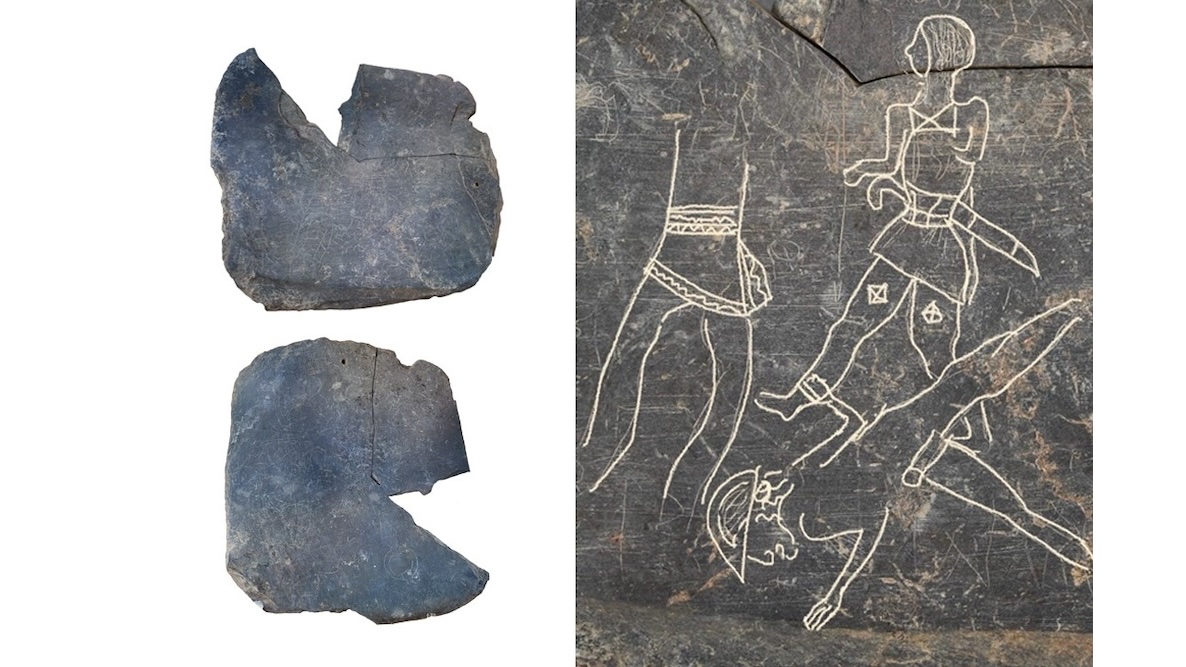
 ccrockett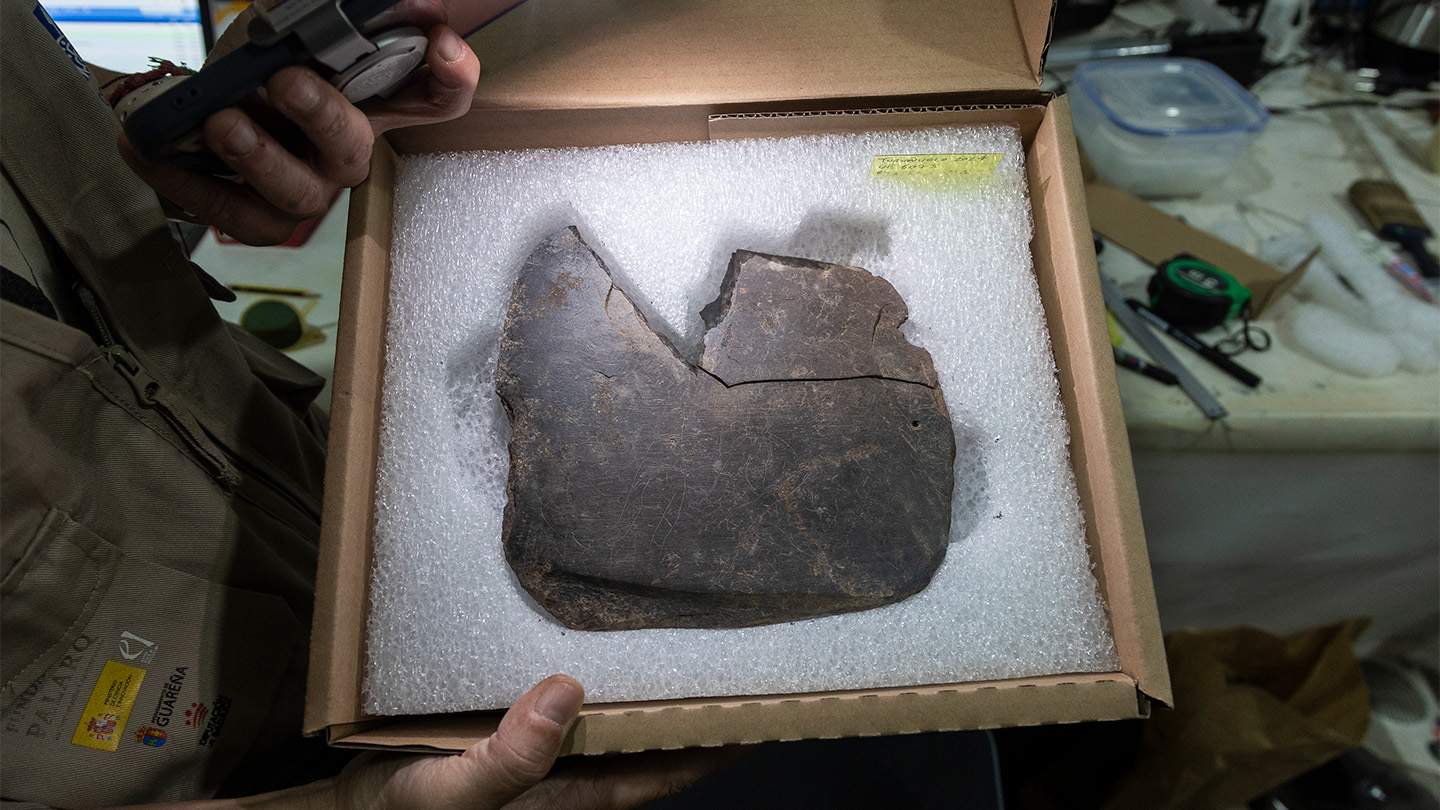
 CSIC
CSIC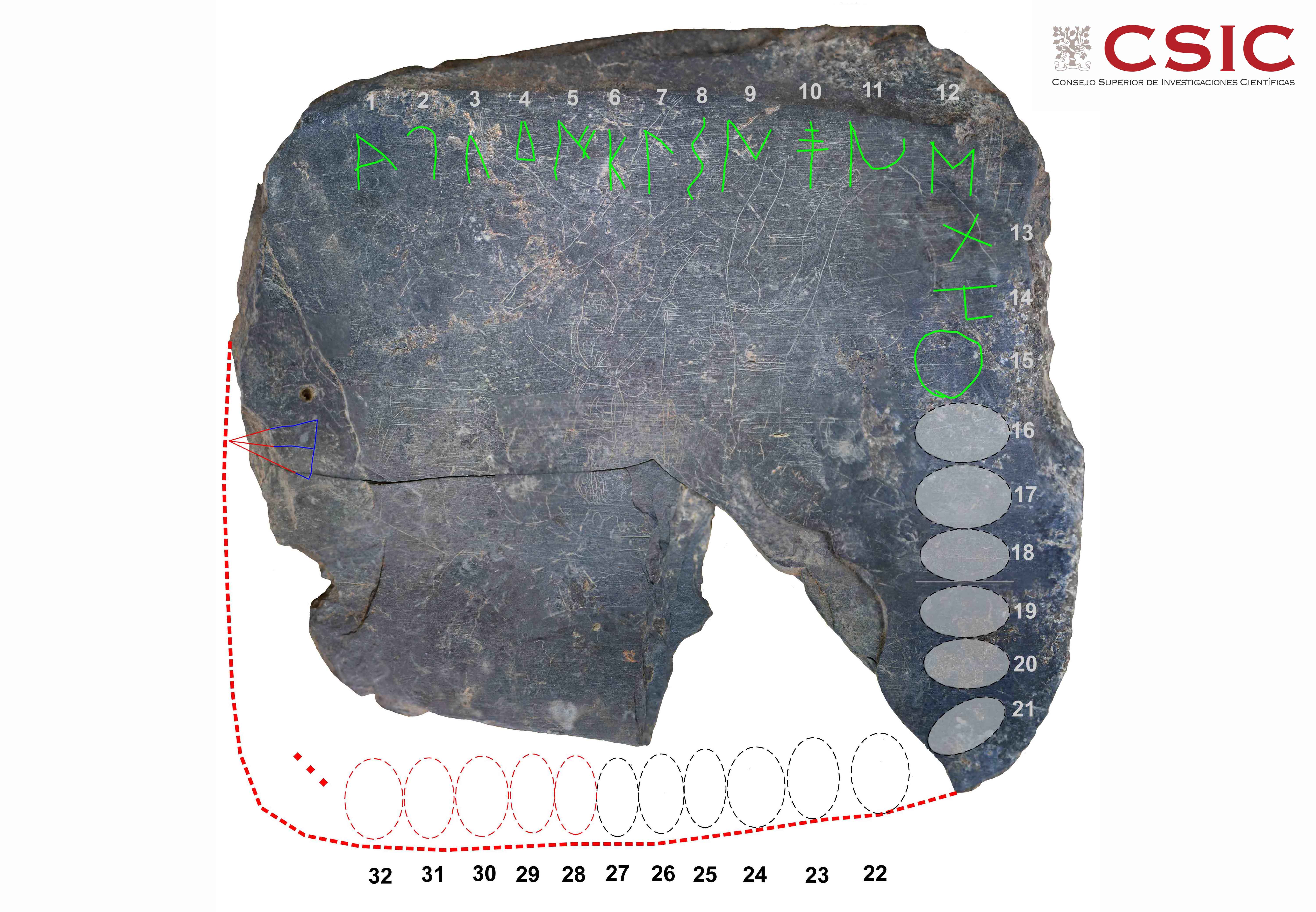
Using AI to digitally unwrap and read the library of Herculaneum
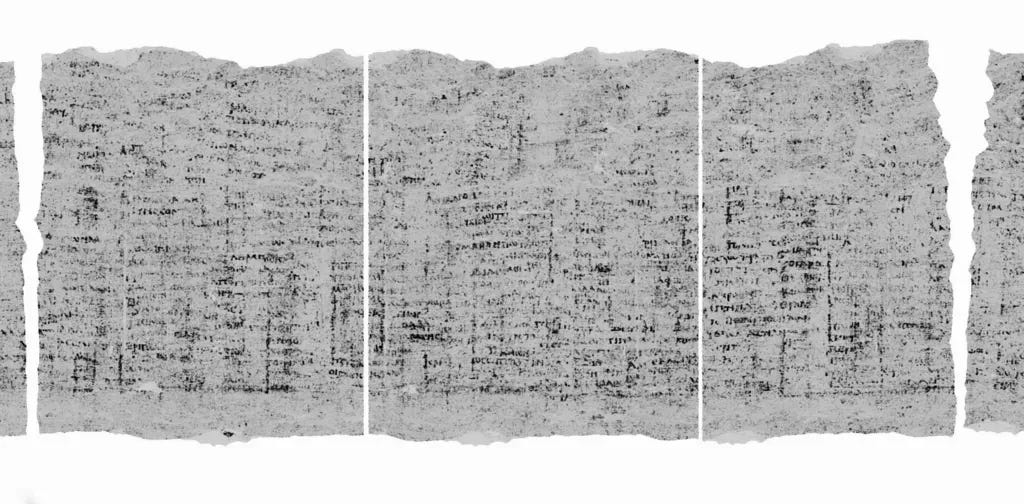
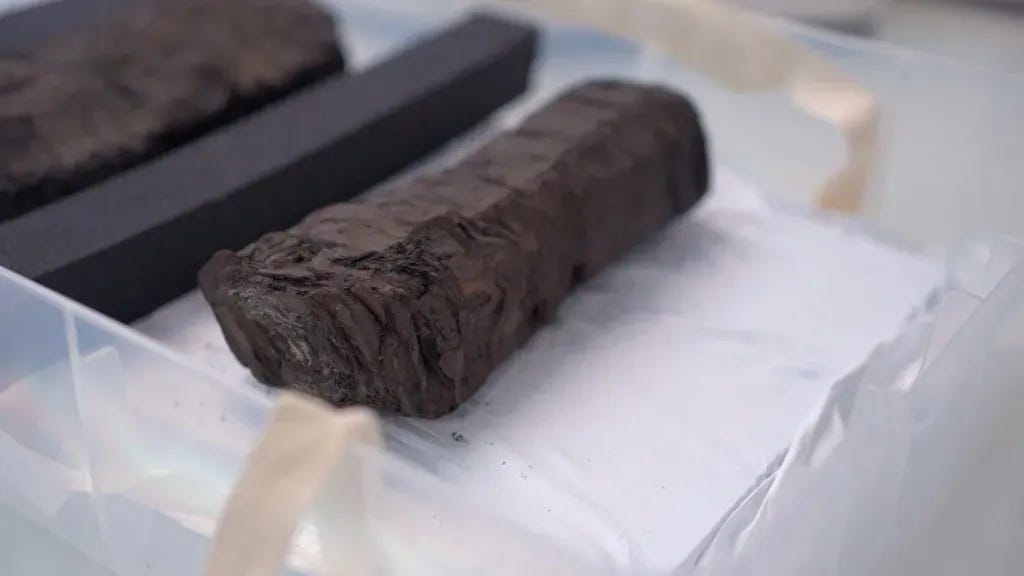
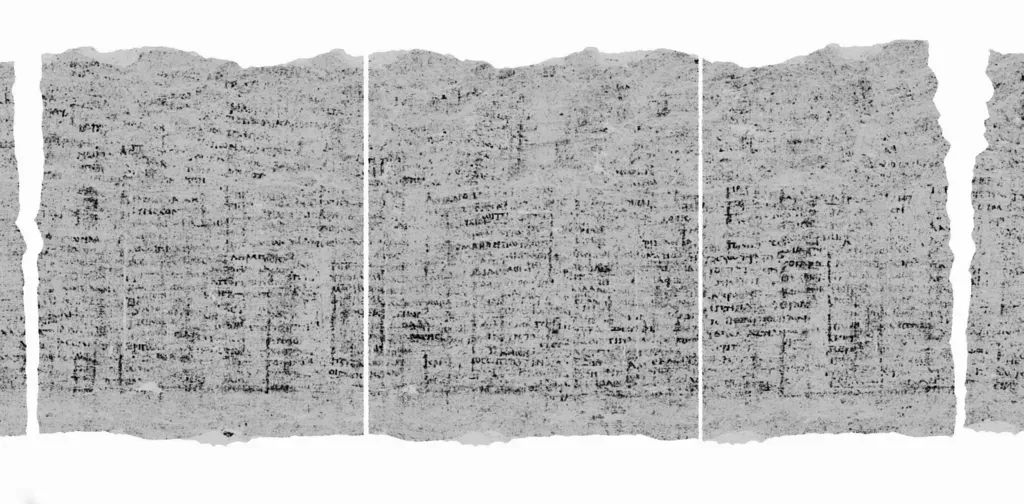
The second breakthrough comes from using AI to digitally unroll scrolls from the Roman town of Herculaneum which had been compressed by ash and burnt to a crisp by the eruption of Mt. Vesuvius. An entire library of these scorched scrolls was discovered in a villa in Herculaneum—an unrivaled treasure trove of knowledge about the ancient world, provided we’re able to read them. Preserved libraries like this from the ancient world and incredibly rare. Scholars had tried to carefully unwrap a few of these scrolls in the past, but the process destroyed the scrolls. Now, we might finally have a chance at unlocking the text within these scrolls.

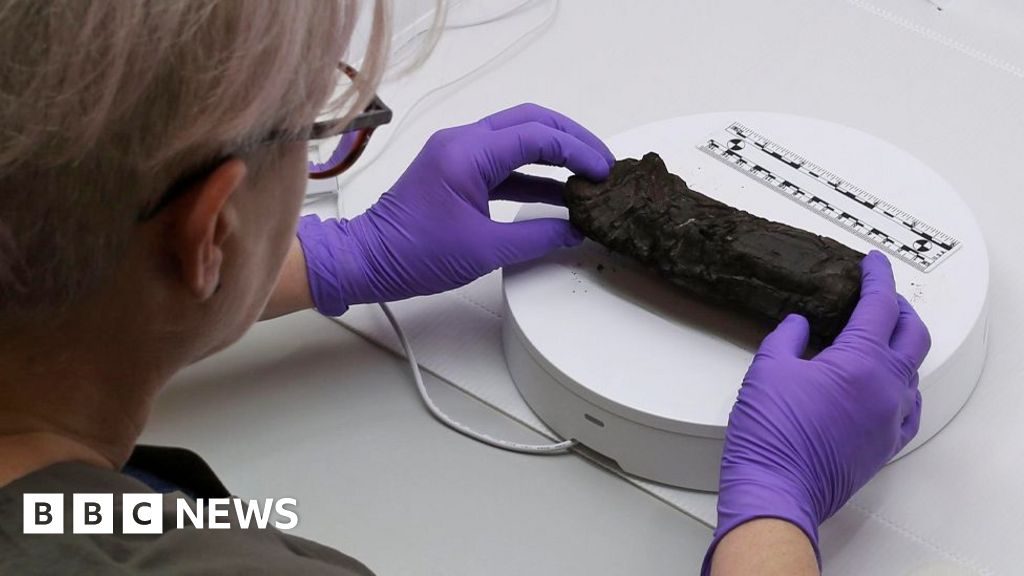
- (BBC Science Focus magazine has a feature article about this, and the web version includes some really neat visuals and animations too, but it’s currently only available in the digital early edition, so I can’t link to it here.)
🗞️ Current Linguistics
Recently published research in linguistics.
How many words and sentences do we know?
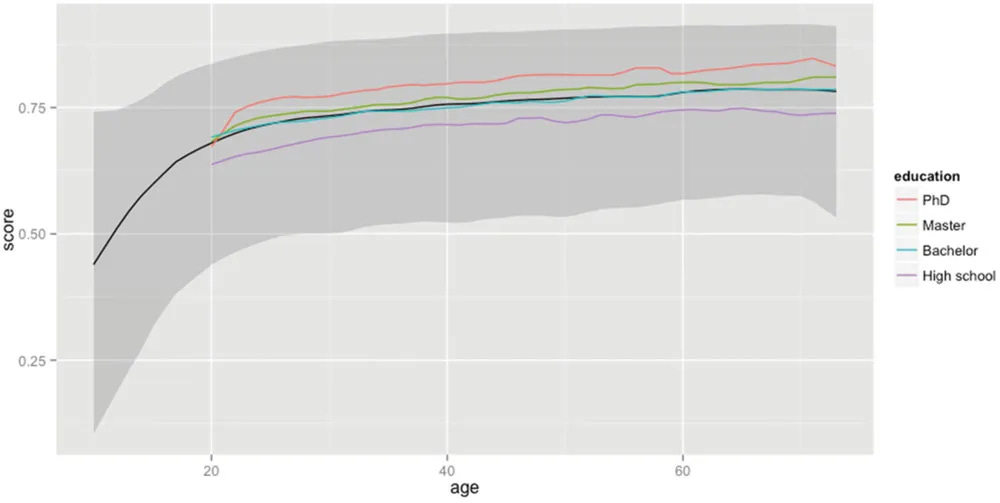
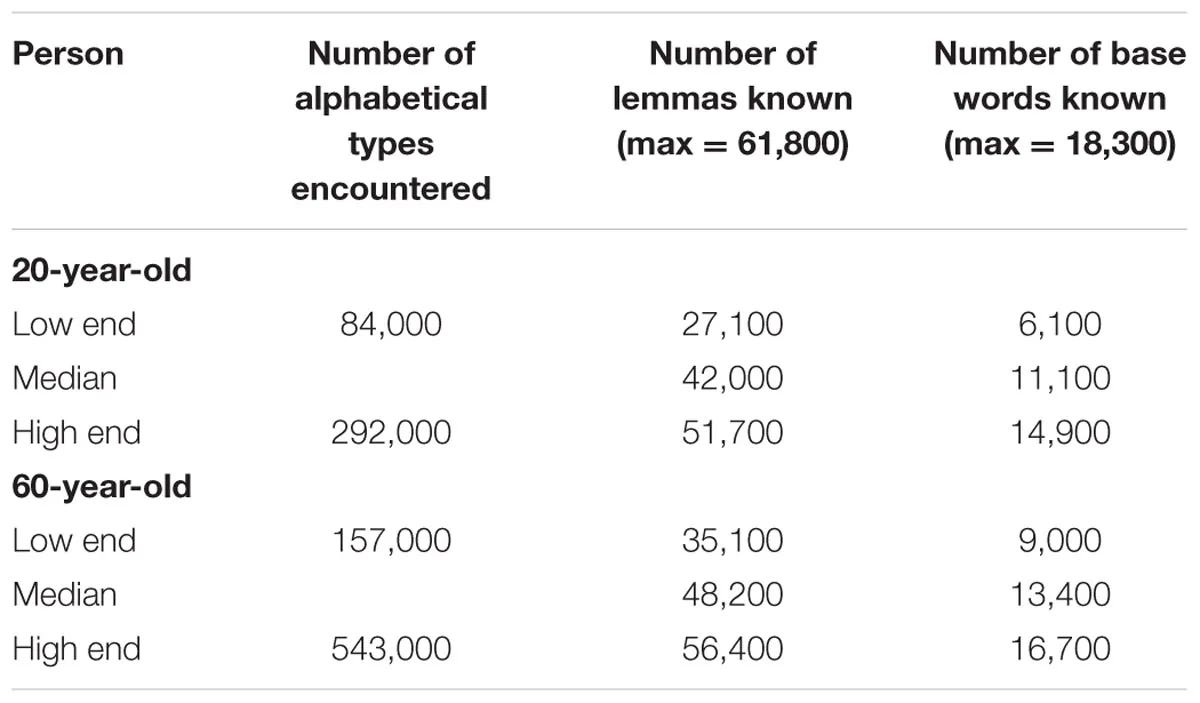
This is a surprisingly difficult question to answer! For starters, the answer varies based on whether you’re examining active vocabulary (words you actually use) versus passive vocabulary (words you recognize or understand but don’t use). One clever experiment estimates that the average 20-year-old knows about 42,000 words passively, while the average 60-year-old knows 48,000 words. I was actually quite surprised that the number grew that much in adulthood! It just goes to show that our linguistic abilities continue to develop over the course of our lifetimes (albeit to a lesser extent than in childhood).
 Max Louwerse Ph.D.
 Marc Brysbaert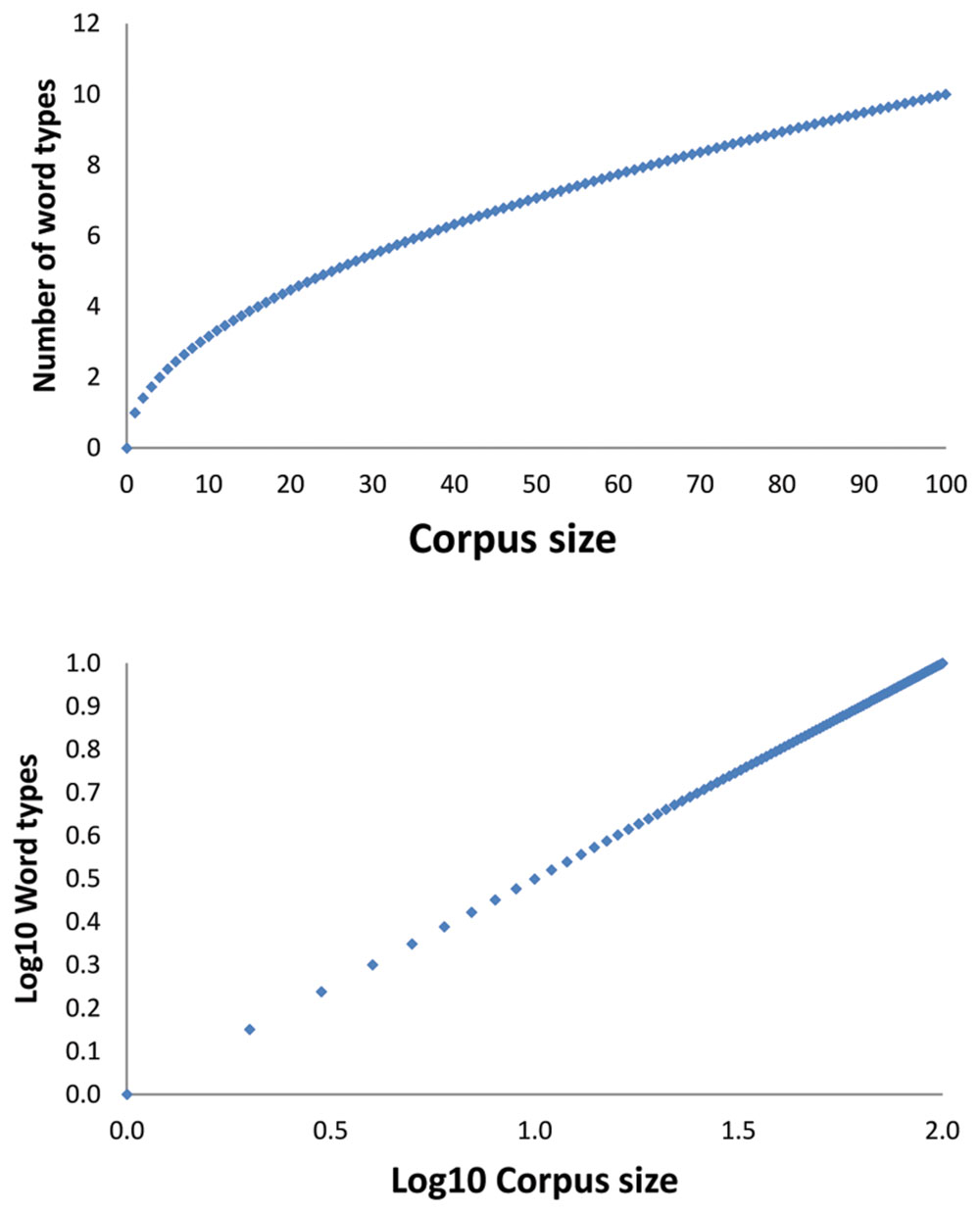
A neurological dictionary
Using novel technology for recording the activity of individual neurons, researchers have created a mini neurological dictionary showing which neurons fire when people hear specific words. The recordings were accurate enough that the researchers could even predict the word being listened to by the person based on just the neural activity alone. They also found that certain neurons are able to reliably distinguish between homonyms (e.g. sun vs. son), and they continuously anticipate the most likely meaning of the words based on the context.
 Brandon Chase
 Mohsen Jamali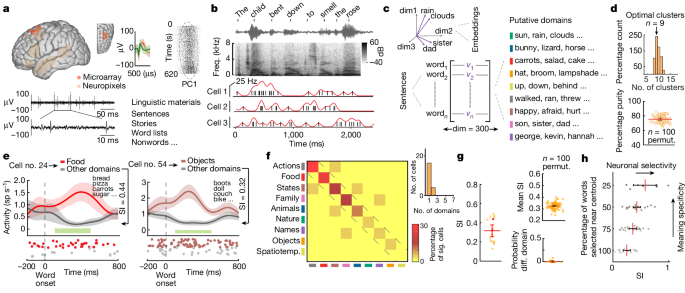
Demonstratives direct the listener’s attention
Demonstrative words like this and that are typically defined in spatial terms such as ‘near’ and ‘far’. A 2024 study finds that the function of demonstratives actually has more to do with establishing joint attention than physical location.
 Rodielon Putol
- Jara-Ettinger & Rubio-Fernandez. 2024. Demonstratives as attention tools: Evidence of mentalistic representations within language. Proceedings of the National Academy of Sciences 121(32). DOI: https://doi.org/10.1073/pnas.2402068121
Cats are better at word association than human babies
Cats are quicker than babies to associate a picture of a word with its corresponding picture, a 2024 study shows.
 Victoria Atkinson
 Saho Takagi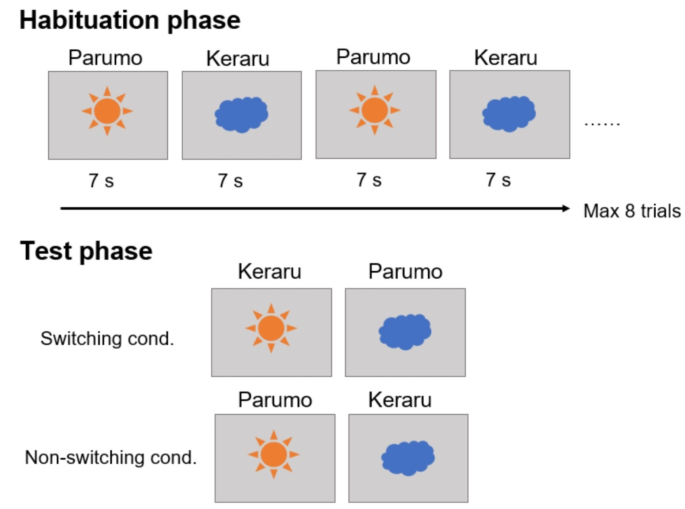
The Dead Sea Scrolls may be older than previously thought, according to AI
Machine learning has given greater support to something some scholars had suspected about the Dead Sea Scrolls—that they are 50–100 years older than previously thought.
 Mladen Popović ,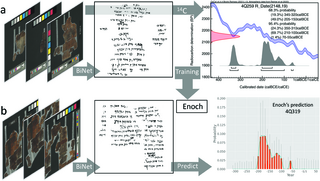
📃 This Week’s Reads
Interesting articles I’ve come across this week.

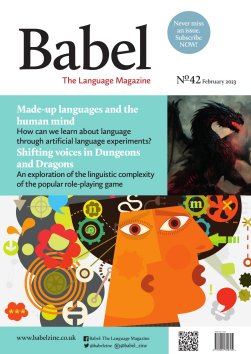
 News
News
 Denyse O’Leary
 Tom Hale
 Manvir Singh
 Thomas Moore Devlin
 Anthoni Oisin
🗃️ Resources
Maps, databases, lists, etc. on language and linguistics.
The Linguistic Society of America (LSA) has just made available a new Resource Hub, offering “easy access to essential materials, professional development tools, teaching resources, and more”. It’s a large database of videos, audio recordings, and documents related to linguistics careers, scholarship, and teaching.
Thanks for reading this week’s digest! I hope you found something fun or interesting to read in this issue!
~ Danny
If you'd like to support Linguistic Discovery, purchasing through these links is a great way to do so! I greatly appreciate your support!
Check out my entire Amazon storefront here.