Who are better programmers—language nerds or math geeks? Can we identify extroverts by the language they use? Did the Huns speak a Yeniseian language?
Here’s what happened this week in language and linguistics.

Welcome to this week’s edition of Discovery Dispatch, a weekly roundup of the latest language-related news, research in linguistics, interesting reads from the week, and newest books and other media dealing with language and linguistics.
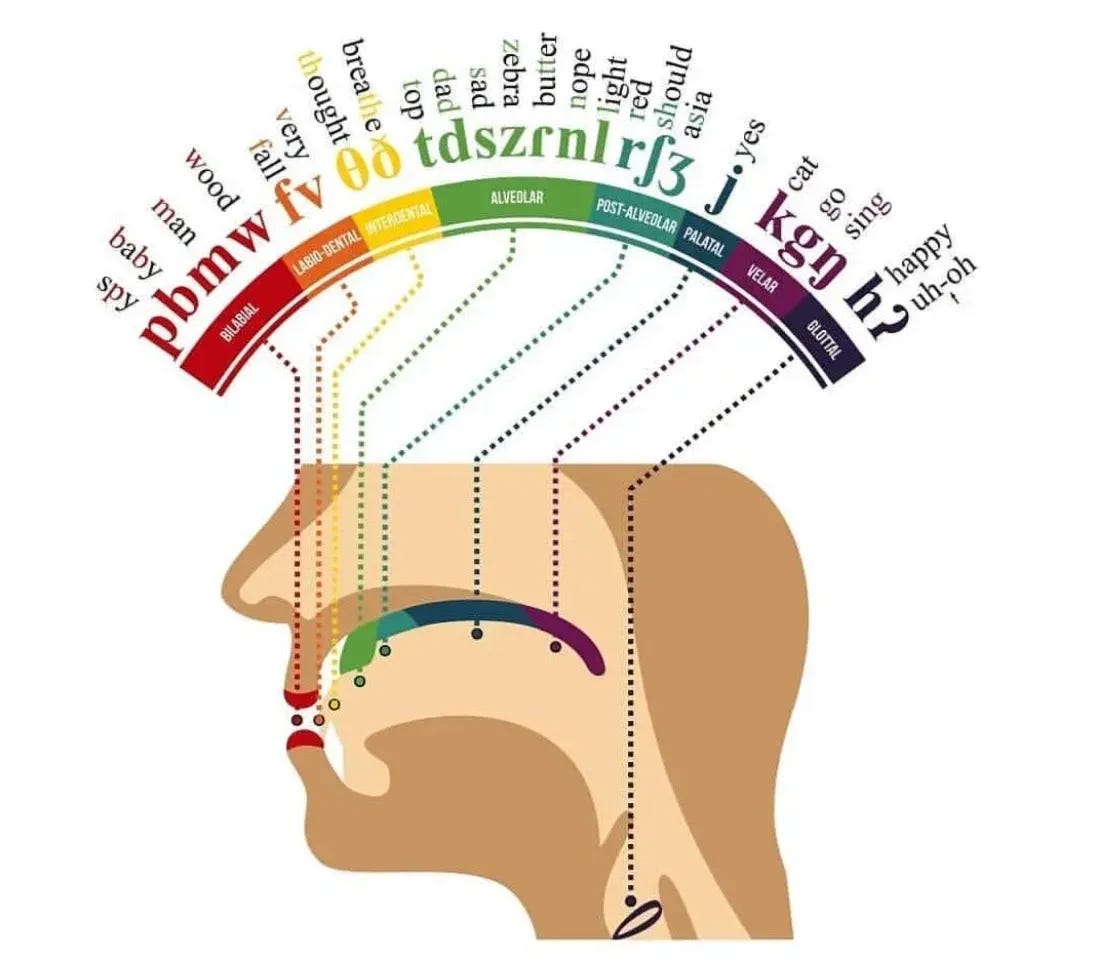
To start off, here’s a useful graphic I came across this week showing where each of the consonant phonemes of English is formed in the mouth. (Unfortunately I have no idea where this graphic originated from. It seems like there are various versions of it floating around on the internet, so I can’t give credit to the original creator.)
🆕 New from Linguistic Discovery
This week’s content from Linguistic Discovery.
The horror chamber of historical phonology

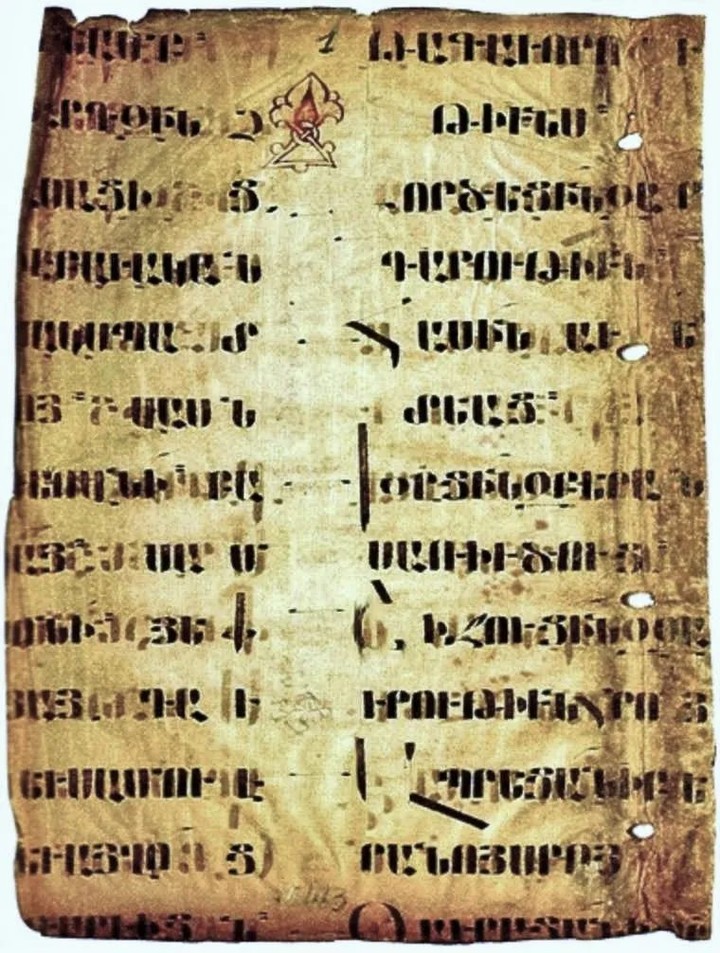
The Armenian language is its own branch of the Indo-European language family.
It’s had so much influence from Iranian over the years that until relatively recently, linguists thought it was a dialect of Iranian. (We now know that it isn’t.) In one of the earliest dictionaries of Armenian, more than one-third of words were of Iranian origin.
It’s also undergone such unusual sound changes that one linguist called it “the horror chamber of historical phonology” (Olsen 2011: v) (although recent work suggests that these weren’t sound changes at all, but rather inherited these features from Proto-Indo-European).
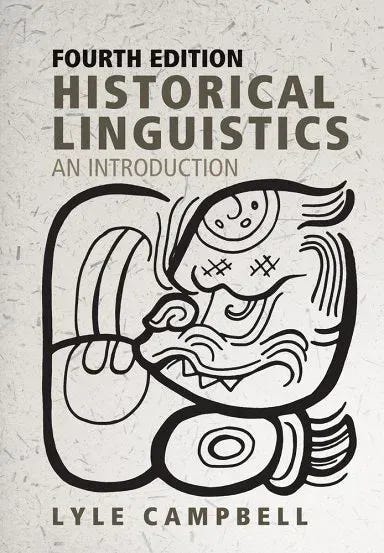
If you want to learn more about historical linguistics and how languages are related, here’s the most popular introductory textbook:
📰 In the News
Language and linguistics in the news.
Halkomelem language program

The University of the Fraser Valley graduated its first cohort of 8 students from its Halkomelem language program. Halkomelem /hɒlkəˈmeɪləm/ is a language spoken on the coast of British Columbia, Canada which is part of the Salishan language family. Within the language itself, the name for the language varies depending on the dialect: Halq̓eméylem in the Upriver dialect, Hul̓q̓umín̓um̓ in the Island dialect, and hən̓q̓əmin̓əm̓ in the Downriver dialect.
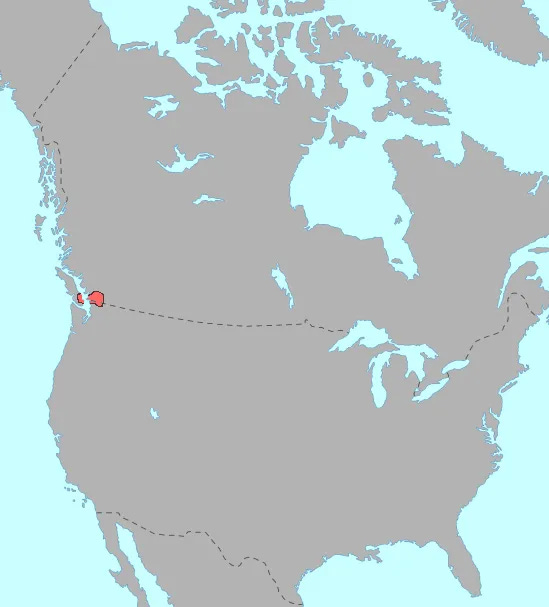
 (University of the Fraser Valley)
Do you speak Canadian?
Keener linguists are compiling the latest English-language Canadianisms. What do their choices say about us? This article discusses work on the third edition of A dictionary of Canadianisms on historical principles (DHCP-3), the definitive collection of words, expressions, and meanings that are distinctive of Canadian English. This is part of a broader project to update the Canadian Oxford Dictionary, which hasn’t been updated since 2004. Here’s an interesting excerpt:
[2004] was at the tail end of what [lexicographer] Dollinger calls the Great Canadian Dictionary War of the 1990s, when Oxford University Press came to Canada and cornered the market. They played dirty, according to Dollinger, stoking anti-American sentiment and inflating their collection of Canadian phrases for clout. Winning the war wasn’t lucrative, though. In 2008, after killing its competitors, Oxford closed its offices, fired its lexicographers and left the country. In the decades since, no one has managed to publish a truly comprehensive Canadian dictionary.
- Do you speak Canadian? (The Tyee)
You can access DCHP-3 (which is an online-only publication) here:
- Dictionary of Canadianisms on historical principles (3rd edition)
🗞️ Current Linguistics
Recently published research in linguistics.
The linguistics of extraversion
Are extroverts identifiable by the language they use? A meta-analysis of 37 studies identifies two linguistic markers of extraversion.
 Christopher Bergland
- Chen, Qiu, & Ho. 2020. A meta-analysis of linguistic markers of extraversion: Positive emotion and social process words. Journal of Research in Personality 89. DOI: https://doi.org/10.1016/j.jrp.2020.104035.
How we swear online
A new analysis of 1.7 billion words of online text analyzed 597 different swearing expressions to look for patterns in how we swear. I actually reported on this a few weeks back, but this write-up in The Conversation is from the authors themselves:
 Kate Burridge
- Schweinberger & Burridge. 2025. Vulgarity in online discourse around the English-speaking world. Lingua 321. DOI: https://doi.org/10.1016/j.lingua.2025.103946.
Who are better programmers? Language nerds or math geeks?
A 2020 study looked at the areas of the brain that were activated while attempting to read code, and compared responses to code problems with responses to sentence problems. They found that the brain’s language system only had a weak response to code problems, suggesting that reading code is not the same thing as reading language. On the other hand, neural systems typically involved in math and logic were activated, suggesting a closer link between mathematical abilities and coding abilities. Mathletes: 1, Linguists: 0.
 Cami Rosso
 Anna A Ivanova
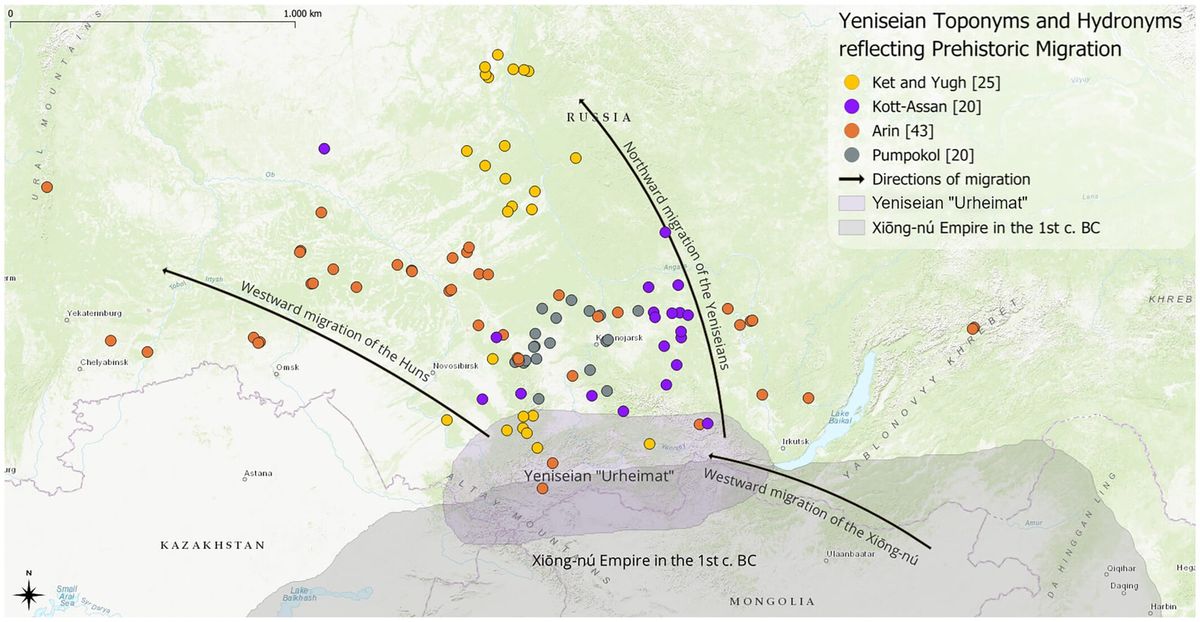
New research argues that the Huns spoke a Yeniseian language
A new study argues that Huns do not, as previously assumed, originate from Turkic-speaking groups. Instead, the study claims that the Huns spoke a Paleo-Siberian language called Arin, which is part of the Yeniseian language family. We know extremely little about the language of the Huns (termed Hunnic) other than a few personal names and place names. This new study pieces together evidence from those words as well as loanwords from Yeniseian into other languages to suggest that Hunnic was a Yeniseian language.
 Eva Schissler
- Bonmann & Fries. 2025. Linguistic evidence suggests that Xiōng-nú and Huns spoke the same Paleo-Siberian language. Transactions of the Philological Society. DOI: https://doi.org/10.1111/1467-968X.12321.
📃 This Week’s Reads
Interesting articles I’ve come across this week.
 Colin Gorrie
 Stephen J. Dubner
 Valerie Fridland Ph.D.
 Anna Jon-And
 David Hagen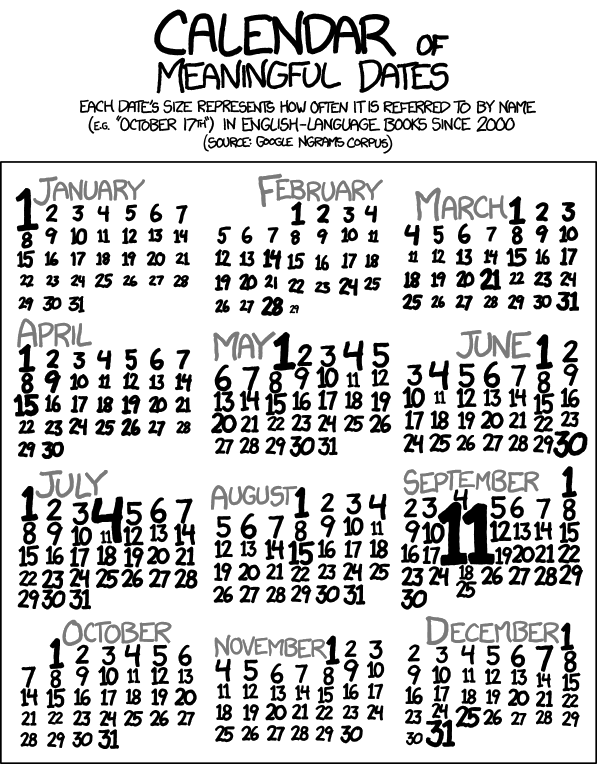
- Hint: It has nothing to do with 9/11.
 Valerie M. Fridland
 Olivia Thayer, M.A.
 dannylbate
- This article is a really neat history of the Elbe River.
📚 Books & Media
New (and old) books and media touching on language and linguistics.
Chants of Sennaar
Chants of Sennaar is a 2023 adventure video game that involves solving puzzles and minigames focused around decoding fictional languages! The player explores a structure inspired by the Tower of Babel myth (which Sennaar is a reference to), which is full of people who speak fictional languages represented by logographic writing systems.
Previously the game had been available on Nintendo Switch, PlayStation, Windows, and Xbox, but on August 26 it will also be released on mobile for Android and iOS!
 Parash Jyoti Kalita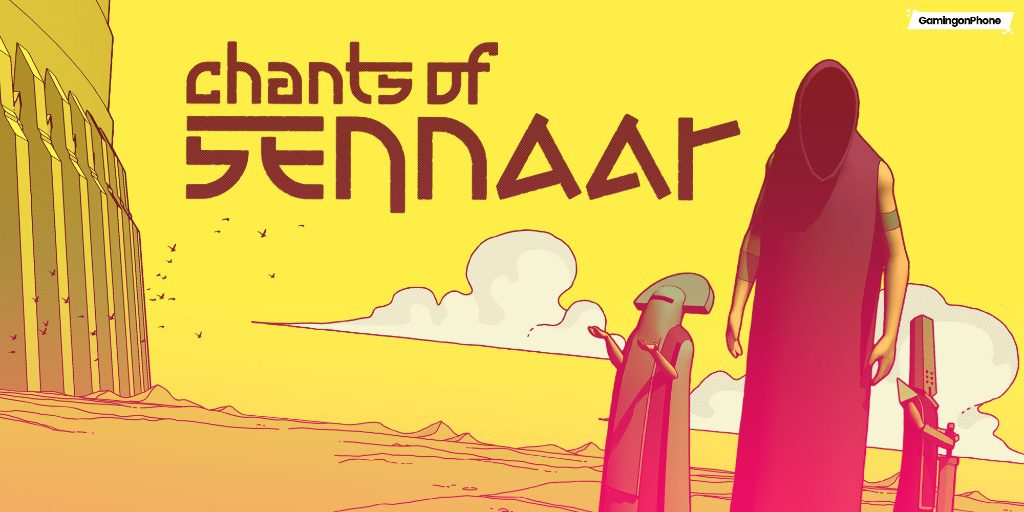
Kingdom of characters: The language revolution that made China modern
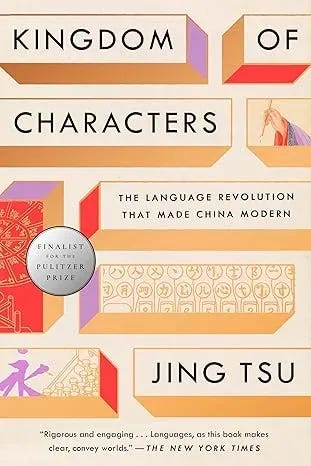
Kingdom of Characters: The language revolution that made China modern, follows the history of Chinese language and writing reform, and argues that language was one of the major hurdles to China’s modernization.
Extraterrestrial languages
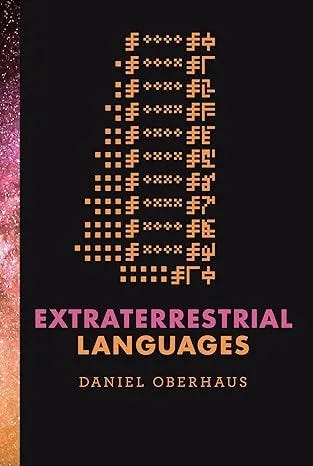
The endlessly fascinating question of whether we are alone in the universe has always been accompanied by another, more complicated one: if there is extraterrestrial life, how would we communicate with it? In this book, Daniel Oberhaus leads readers on a quest for extraterrestrial communication. Exploring Earthlings' various attempts to reach out to non-Earthlings over the centuries, he poses some not entirely answerable questions: If we send a message into space, will extraterrestrial beings receive it? Will they understand? What languages will they (and we) speak? Is there not only a universal grammar (as Noam Chomsky has posited), but also a grammar of the universe?
🗃️ Resources
Maps, databases, lists, etc. on language and linguistics.
PHOIBLE
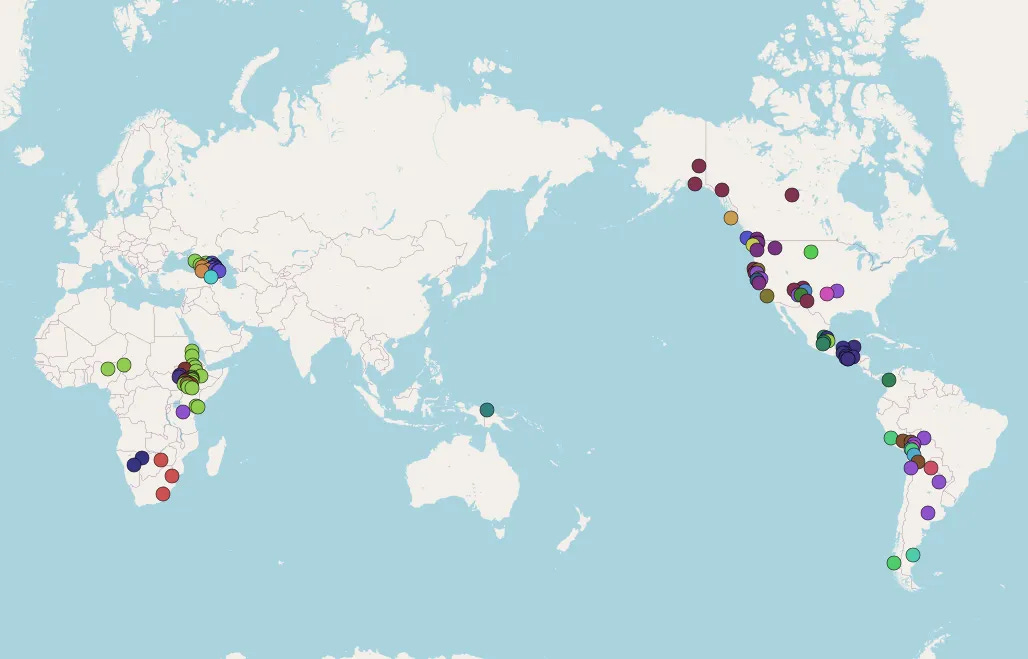
PHOIBLE is a database of the sounds in 2,168 of the world’s languages. You can explore which languages have which sounds and lots more. This is a map of all the languages in the database which have the /tʃʼ/ phoneme (a palato-alveolar ejective affricate). You can see that the sound is prevalent in the Americas and parts of Africa, but largely absent from the rest of the world.


Pink Trombone
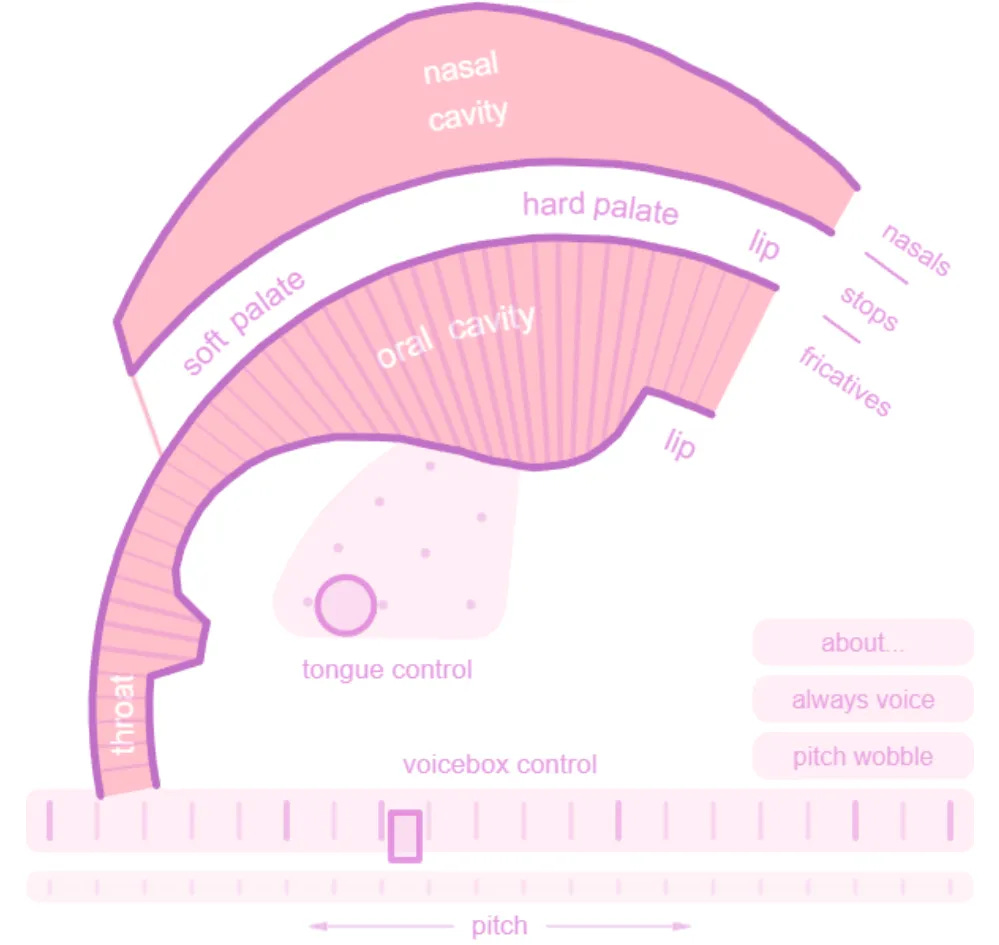
If you haven’t encountered Pink Trombone before, you won’t be disappointed. It’s a sagittal section (vertical cross-section) of the vocal tract that you can manipulate to create different sounds!

Thanks for reading this issue of the Linguistic Discovery digest! I hope you found something fun to read and learned something new. Have a great week!
~ Danny
🚫 Errata
Corrections, clarifications, and omissions.
Last week when discussing the effects of foreign language on vaccine hesitancy, I forgot to include a link to the original research article. Here is the reporting in The Conversation as well as the research article:
 Monika Schmid
- Schmid & Roehr-Brackin. 2024. Overcoming COVID-19 vaccine hesitancy: An investigation of the Foreign Language Effect. Applied Linguistics. DOI: https://doi.org/10.1093/applin/amae083.
📑 References
Olsen, Birgit Anette. 2011. The noun in Biblical Armenian: Origin and word-formation - with special emphasis on the Indo-European heritage (Trends in Linguistics: Studies & Monographs 119). De Gruyter Mouton. https://doi.org/10.1515/9783110801989.
If you’d like to support Linguistic Discovery, purchasing through these links is a great way to do so! I greatly appreciate your support!
Check out my entire Amazon storefront here.