An experiment with the Aboriginal language Murrinhpatha suggests language influences perception
Also this week: Why all languages have words for ‘this’ and ‘that’ + Antarctic leopard seal ‘songs’ are surprisingly similar to nursey rhymes. Here’s what happened this week in language and linguistics.


Welcome to this week’s edition of Discovery Dispatch, a weekly roundup of the latest language-related news, research in linguistics, interesting reads from the week, and newest books and other media dealing with language and linguistics!
📰 In the News
Language and linguistics in the news.
Assembling The Oxford Dictionary of African American English
This is some old reporting from back in 2023, but it’s an ongoing project and still very cool to read about! Oxford Languages is hard at work on the Oxford Dictionary of African American English, and the New Yorker has a great write-up about it:
 Alex Carp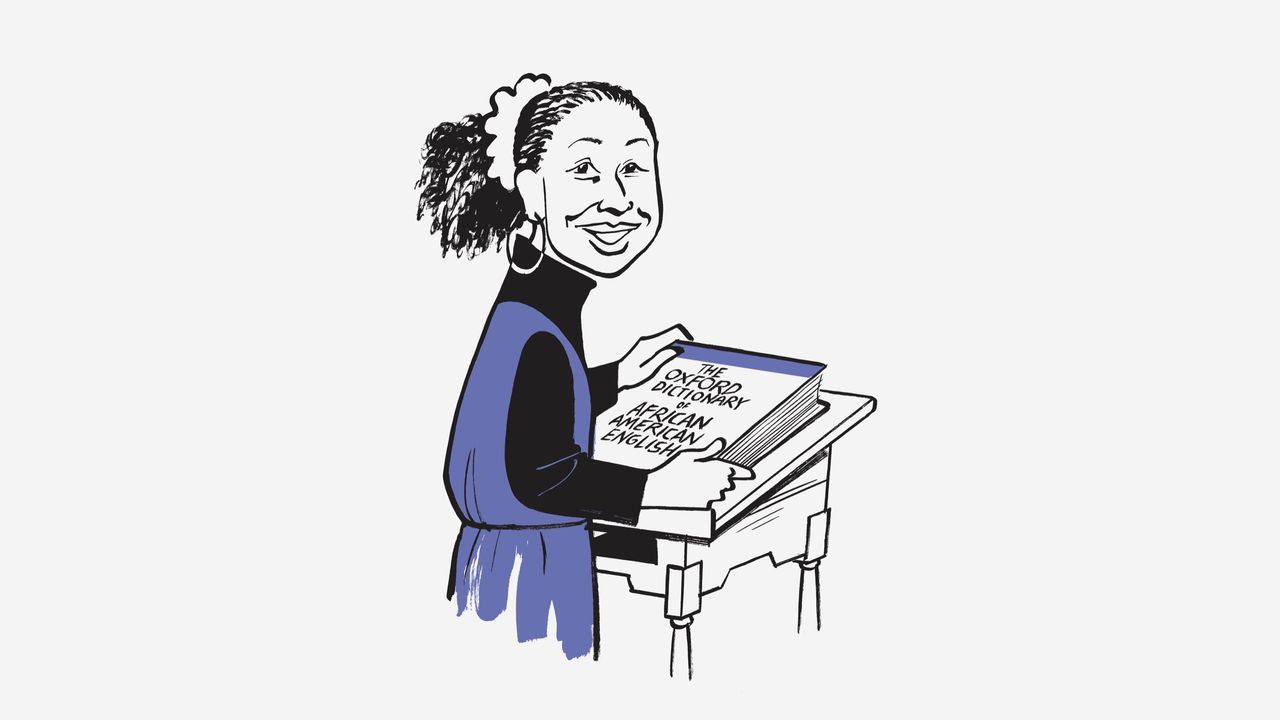
You can also read the project description on the Oxford Languages website, or watch this documentary:
🗞️ Current Linguistics
Recently published research in linguistics.
Antarctic leopard seal ‘songs’ are surprisingly similar to nursey rhymes

A recent study has found that Antarctic leopard seal mating call sequences seem to be similar in predictability to human nursery rhymes. […] Although some of the characteristics of animal songs have a lot in common with human songs, they are not made of series of words that each have a specific meaning. Research on vocal sequences and song in animals is therefore mostly focused on identifying patterns in animal vocal communication and studying what function a song or vocal sequence might serve. […] When compared to humans, the authors found that leopard seal sequences were less random than music by classical and romantic composers or the Beatles, and that they were similar to the randomness found in nursery rhymes.
 Rüdiger Riesch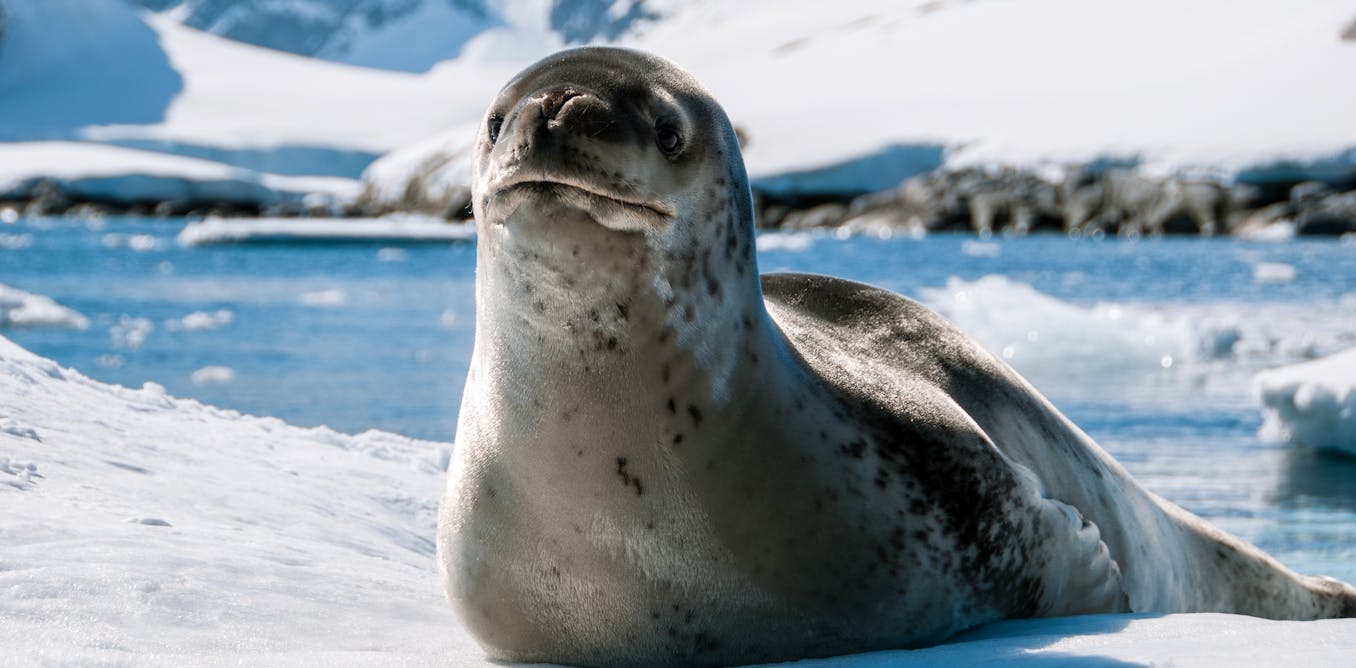
 Lucinda E. H. Chambers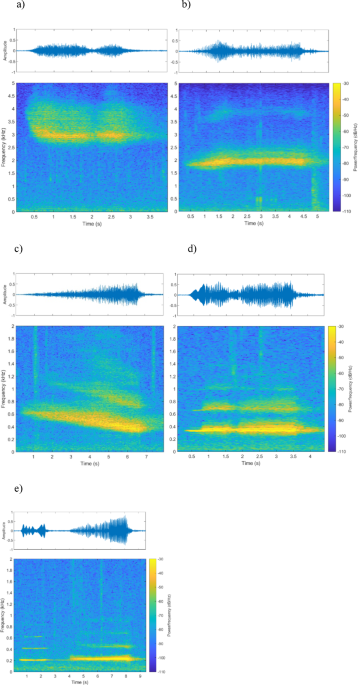
AI helps reconstruct damaged Latin texts
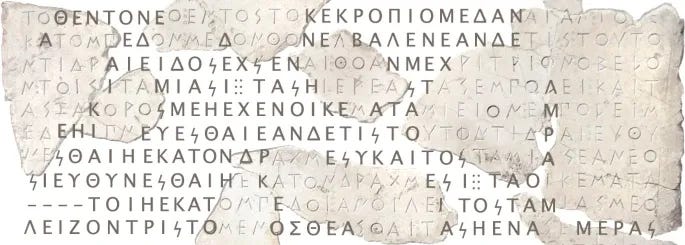
I already reported on this the other week, but here’s some additional reporting from New Scientist about how researchers are using AI to help them reconstruct incomplete and damaged Latin texts:
 #author.fullName}
 Yannis Assael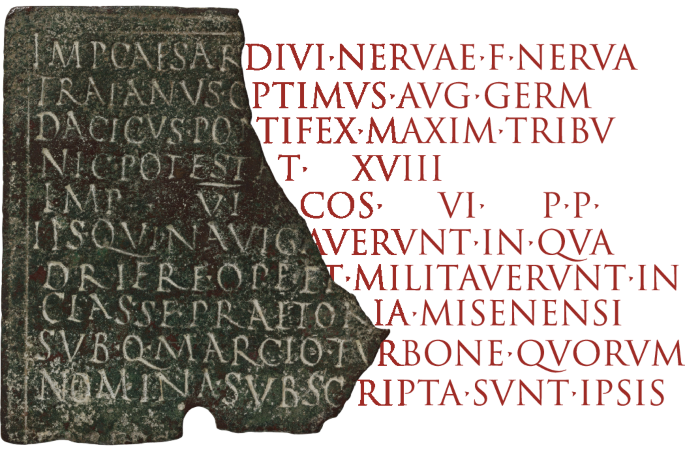
You can also use the AI models for Latin (Aeneas) and Greek (Ithaca) here:

Why all languages have words for ‘this’ and ‘that’
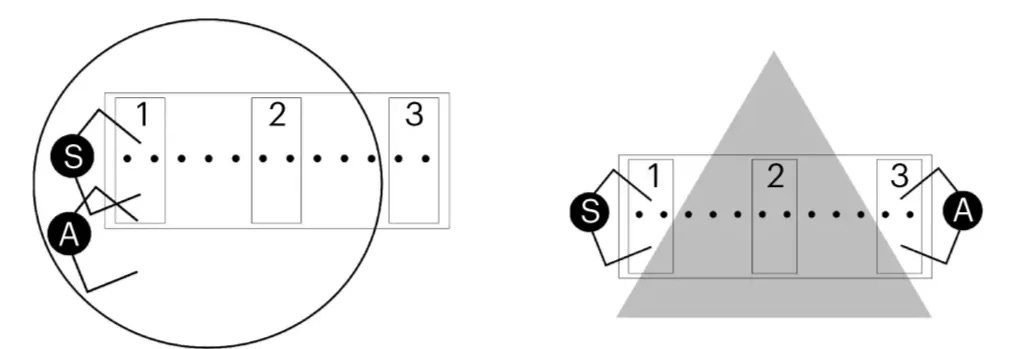
Researchers studied more than 1,000 speakers of 29 different languages to see how they use demonstratives—words that show where something is in relation to a person talking such as ‘this cat’ or ‘that dog’. It was previously thought that languages vary in the spatial distinctions they make—and that speakers of different languages may think in fundamentally different ways as a consequence. But the new study shows that all of the languages tested make the same spatial distinctions using words like ‘this’ or ‘that’ based on whether they can reach the object they are talking about.
- Why all languages have words for ‘this’ and ‘that’ (Eureka Alert)
- Coventry et al. 2022. Spatial communication systems across languages reflect universal action constraints. Nature Human Behavior 7: 2099–2110. DOI: https://doi.org/10.1038/s41562-023-01697-4.
Research with Aboriginal language Murrinhpatha suggests language influences perception
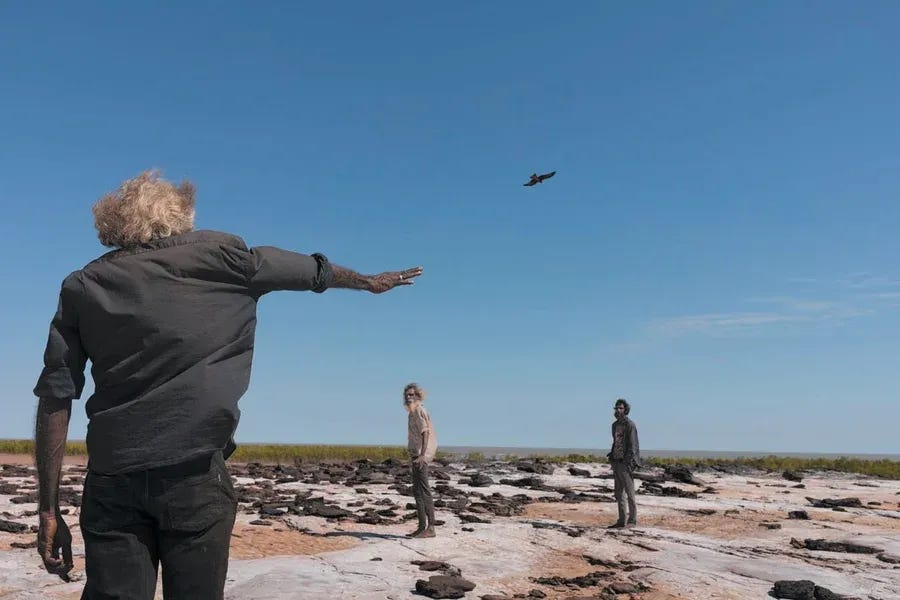
The Aboriginal language Murrinhpatha is spoken by about 2,500 people in the town of Wadeye on Australia’s northwestern coast. In the first-ever psycholinguistic study of the language, Rachel Nordlinger, a linguist at the University of Melbourne who has studied Murrinhpatha for 18 years, and her colleagues found that when people are putting their thoughts into words, their mental processes may be shaped by the structure of their language. In particular, they found evidence that word order affects how participants take in a scene, and the order in which they focus on elements in that scene.
The Scientific American article is from 2023, but a great read. It gives a lot more of the context and history of both this research and the Murrinhpatha language:
 Christine Kenneally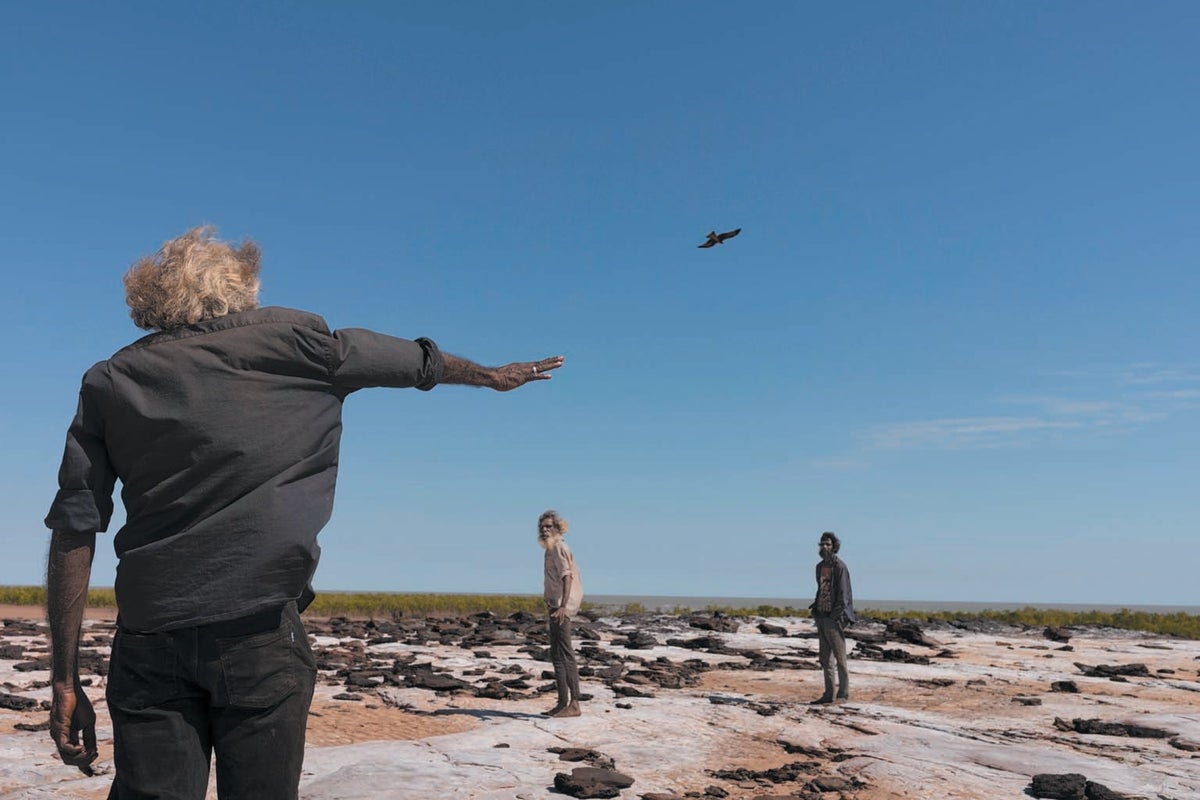
 Rachel Nordlinger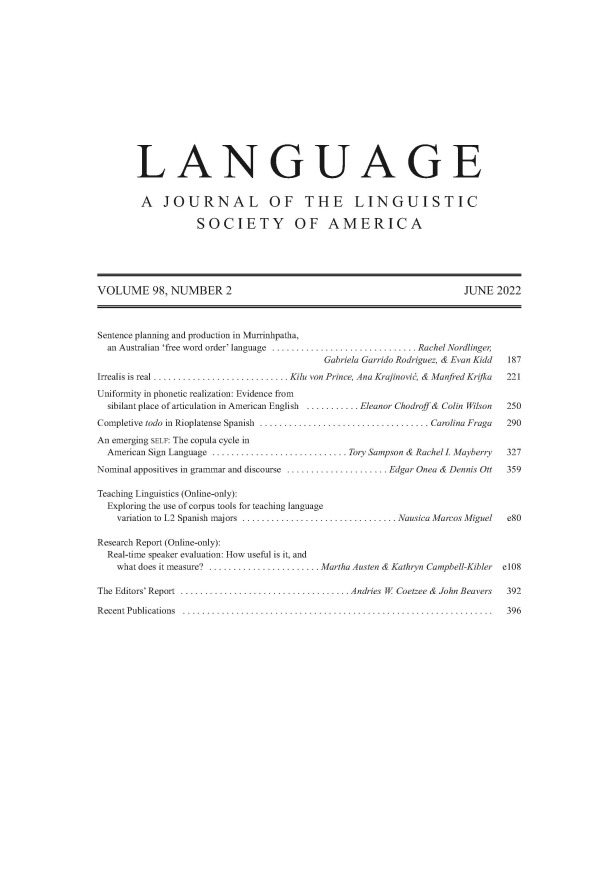
Further Reading:
📃 This Week’s Reads
Interesting articles I’ve come across this week.
 Luke Ottenhof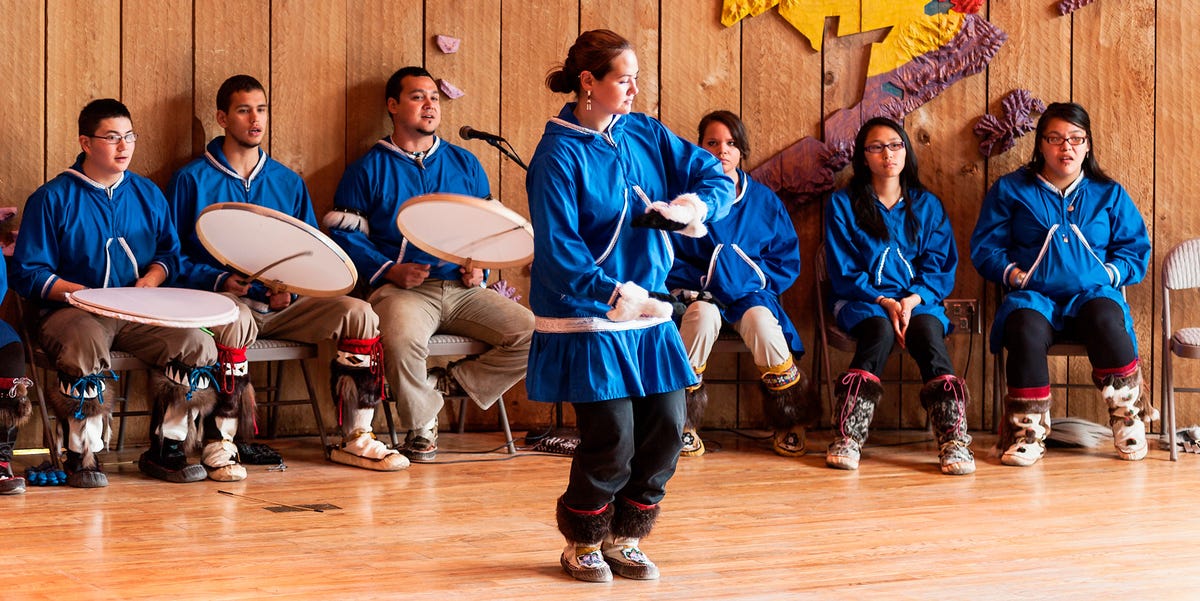
 Lawrence T. White Ph.D.
- People love to claim that language deeply affects how we think, but features of language don’t always mirror thinking styles in different societies.
 Marla Mackoul
- Most British English speakers using a glottal stop [ʔ] instead of a [t] in the middle or end of words. But Americans are flappers, using [ɾ] in those same positions instead.
 Samia Bouzid, Katie Hafner, The Lost Women of Science Initiative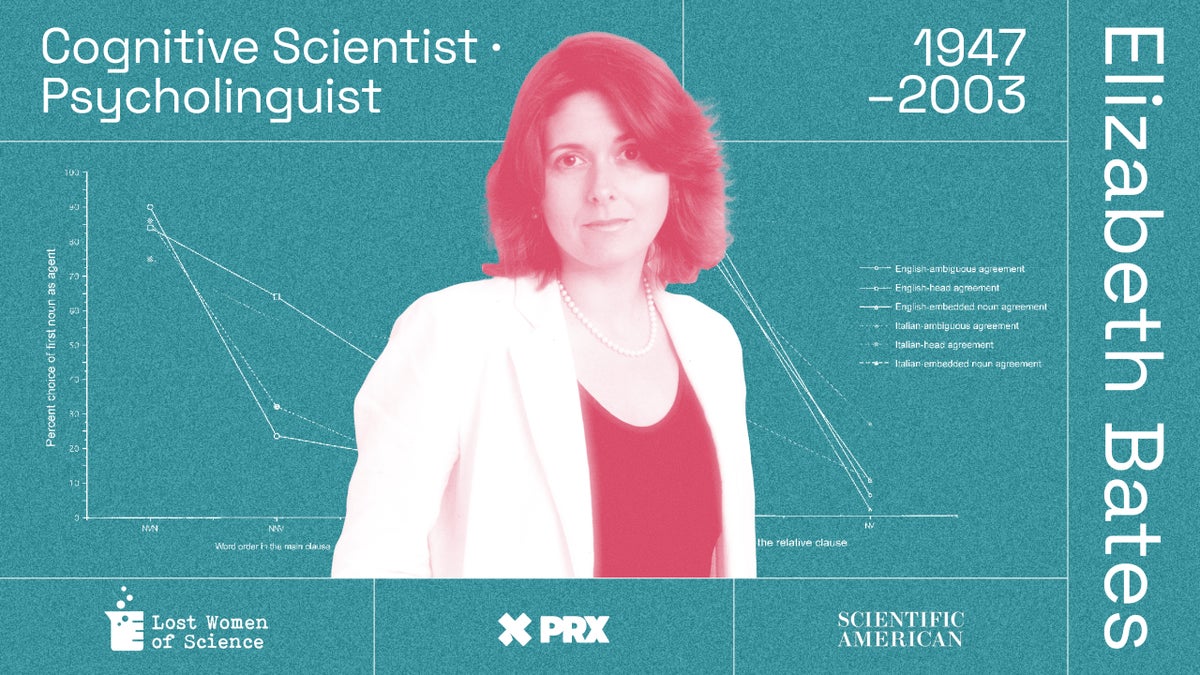
- In the 1970s a young psychologist challenged a popular theory of how we acquire language, launching a fierce debate that continues to this day.
📚 Books & Media
New (and old) books and media touching on language and linguistics.
Water, whiskey, and vodka: A story of Slavic languages
A friend pointed out this fun book to me last year, but I haven’t yet shared it with y’all, my esteemed readers:

🗃️ Resources
Maps, databases, lists, etc. on language and linguistics.
Vowel Map-o-Later
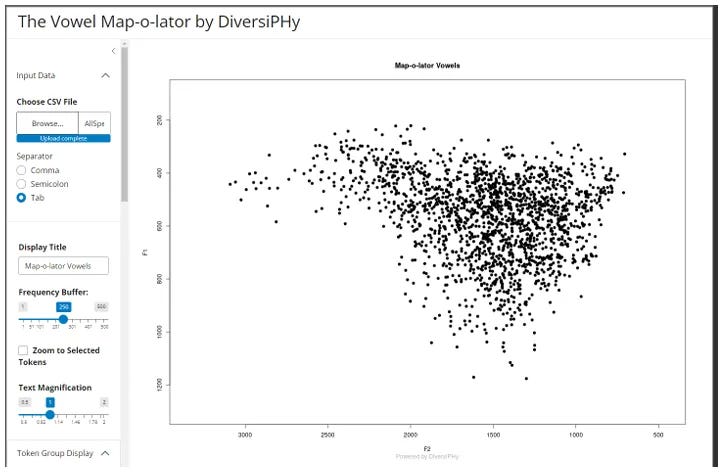
Linguist Roslyn Burns and the DiversiPHy project has recently launched a free online tool for plotting vowels called the Vowel Map-o-later.
This tool is intended for students with little to no coding background such as introductory phonetics students, introductory sociolinguistics students, or honors/thesis students whose specialty is not in phonetics. With this tool, students and instructors can easily plot vowels and update visualizations as parameters in the plot change (e.g. transform the acoustic representation, label vowel classes or speakers, color code vowel classes or speakers, estimate vowel spread in acoustic space, etc.). Students may download their plots for inclusion as graphics in classroom assignments or term papers.

👋🏼 Til next week!
I’ll leave you this week with a fun reminder about how English spelling is a mess, from Lucille Ball:
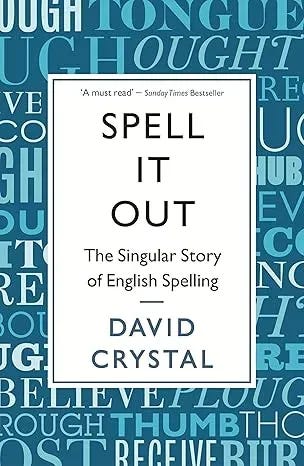
And if you want to learn more about the history of English spelling, check out this book by David Crystal:
If you’d like to support Linguistic Discovery, purchasing through these links is a great way to do so! I greatly appreciate your support!
Check out my entire Amazon storefront here.