Learning a second language can teach you to distinguish colors you don’t have in your first language
Also this week: Gesture may have been the origin of language + A new mind-reading AI can turn imagined speech into words. Here’s what happened this week in language and linguistics.


Welcome to this week’s edition of Discovery Dispatch, a weekly roundup of the latest language-related news, research in linguistics, interesting reads from the week, and newest books and other media dealing with language and linguistics!
🗞️ Current Linguistics
Recently published research in linguistics.
Learning a second language can teach you to distinguish colors you don’t have in your first language
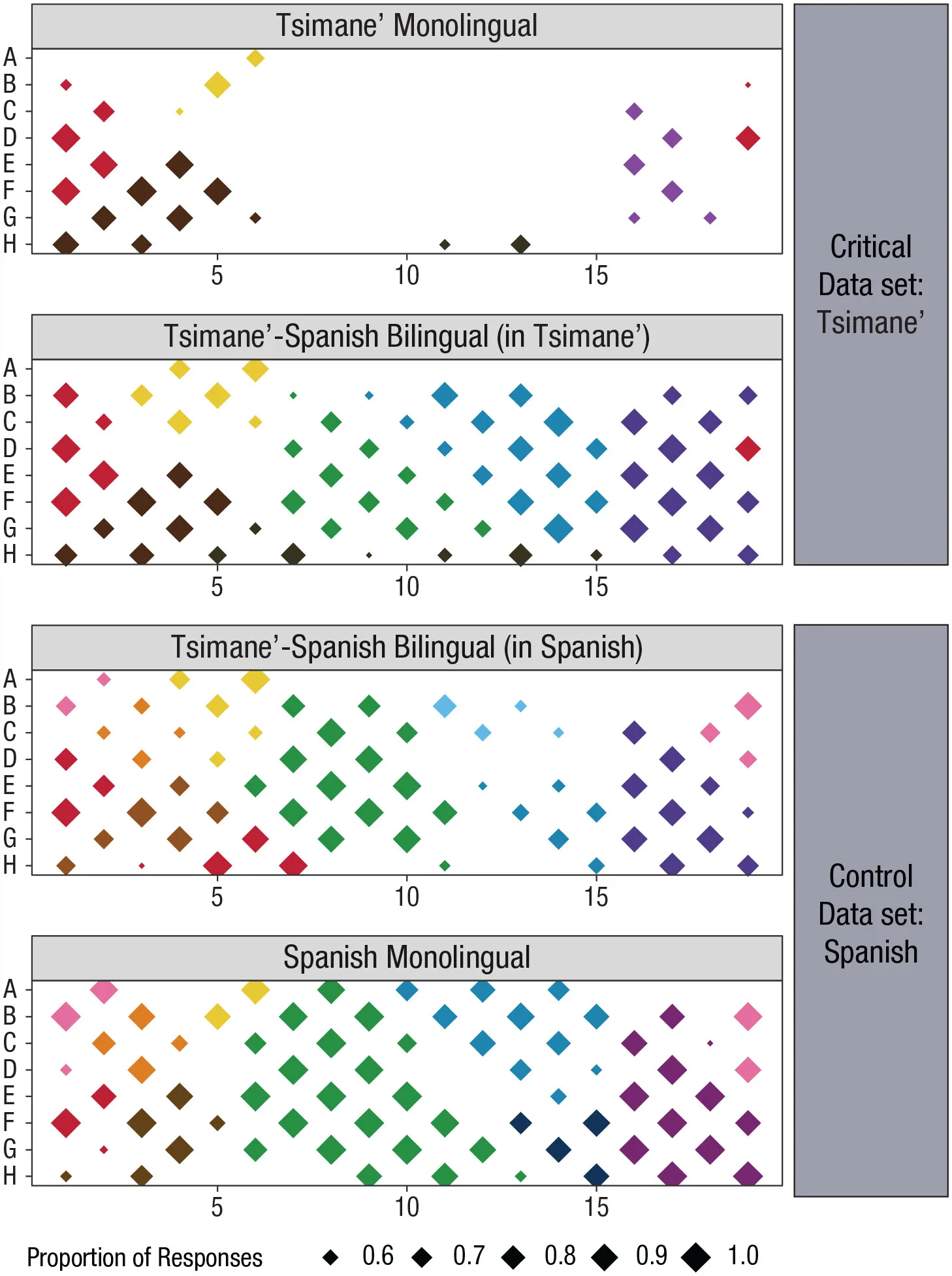
A 2023 study found that the people of a remote Amazonian society called the Tsimane’, who don’t have color terms for ‘blue’ and ‘green’, began to interpret colors in a new way when they learned Spanish as a second language.
 Anne Trafton | MIT News
- Malik-Moraleda et al. 2023. Concepts are restructured during language contact: The birth of blue and other color concepts in Tsimane’-Spanish bilinguals. Psychological Science 34(12): 1350–1362. DOI: https://doi.org/10.1177/09567976231199742.
Further Reading:

Gesture may have been the origin of language
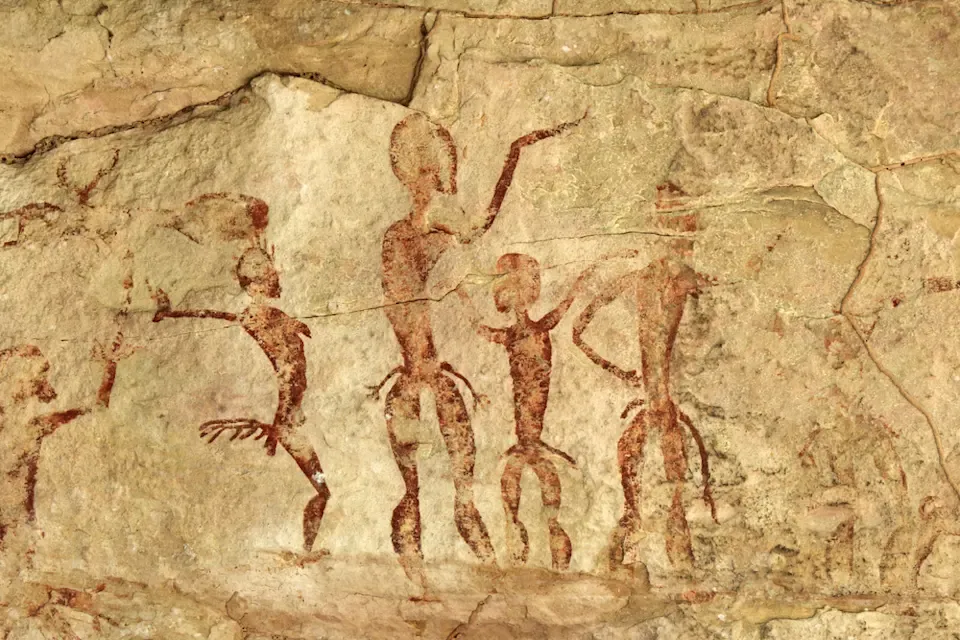
Linguists have long speculated that language may have originated in gesture, as a type of early sign language, before shifting to a spoken medium. Using experimental evidence, a 2022 paper suggests that the meanings of gestures are sufficiently universal to have provided a basis for early language.
 Sara Novak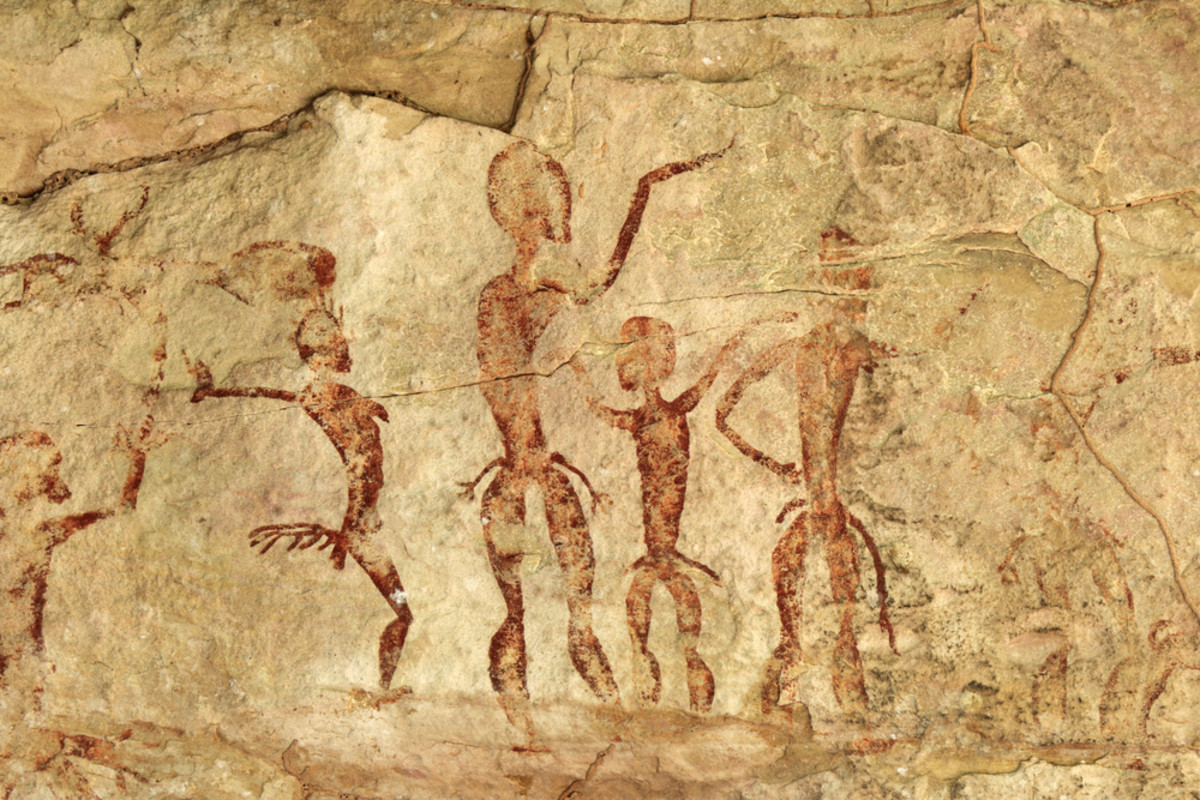
- Fay et al. 2022. Gesture is the primary modality for language creation. Proceedings of the Royal Society B 289(1970). DOI: https://doi.org/10.1098/rspb.2022.0066
Mind-reading AI can turn imagined speech into words
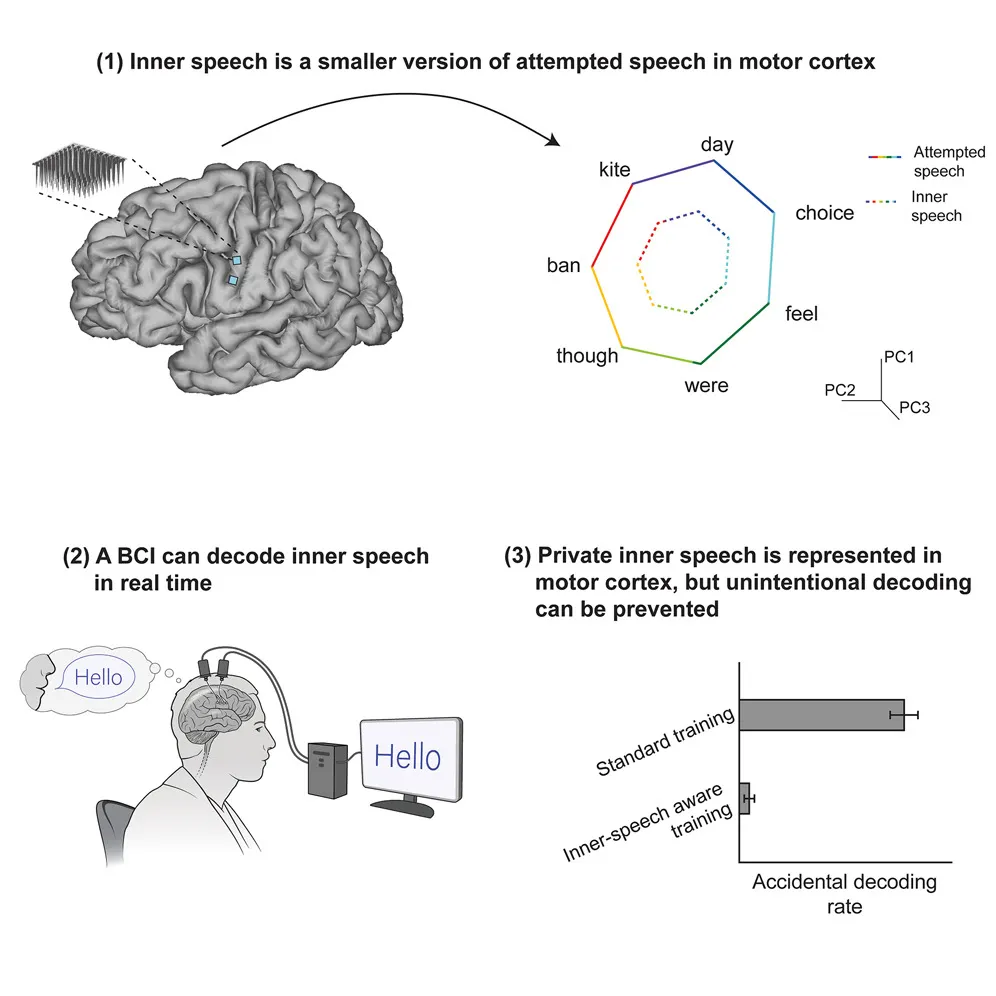
A brain-computer interface has enabled people with paralysis to turn their thoughts directly into words, requiring less effort than older techniques where a physical attempt at speech had to be made.
 #author.fullName}
- Kunz et al. 2025. Inner speech in motor cortex and implications for speech neuroprostheses. Cell 188: 1–16. DOI: https://doi.org/10.1016/j.cell.2025.06.015.
📃 This Week’s Reads
Interesting articles I’ve come across this week.
 Valerie Fridland Ph.D.
 News
News
 Michael Ferber
 Stefanie Schantl, M.A.


 Jennifer Gunner
 Jen Plummer-Syracuse
 Rachel Hutton
 dannylbate
- Why the origin of the word ‘dog’ remains a mystery (NPR)
📚 Books & Media
New (and old) books and media touching on language and linguistics.
Babel No. 52

The latest issue of Babel: The Language Magazine is out! As always, there are some great articles this quarter, including two on endangered languages and language revitalization:
- Breton’s battleground: Repression and revival
- Māori language: A renaissance at risk?
You can subscribe to Babel here!
 Stephen Fry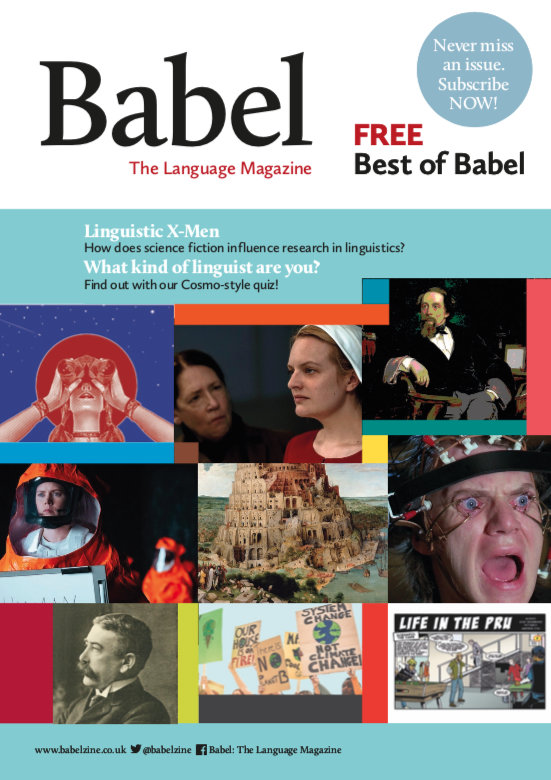
The origin of language: How we learned to speak and why
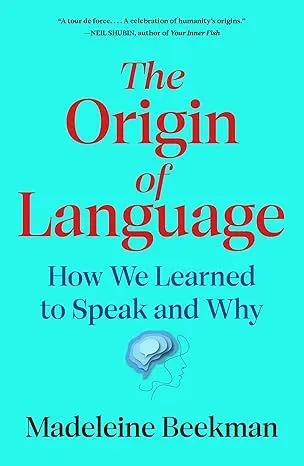
A new book on the evolution of language is out! The author, Madeline Beekman, professor in biological sciences at the University of Sydney, argues in this book that it was not hunting, fighting, or tool-making that forced early humans to speak, but the inescapable need to care for our children.
🗃️ Resources
Maps, databases, lists, etc. on language and linguistics.
New atlas of languages of the Americas
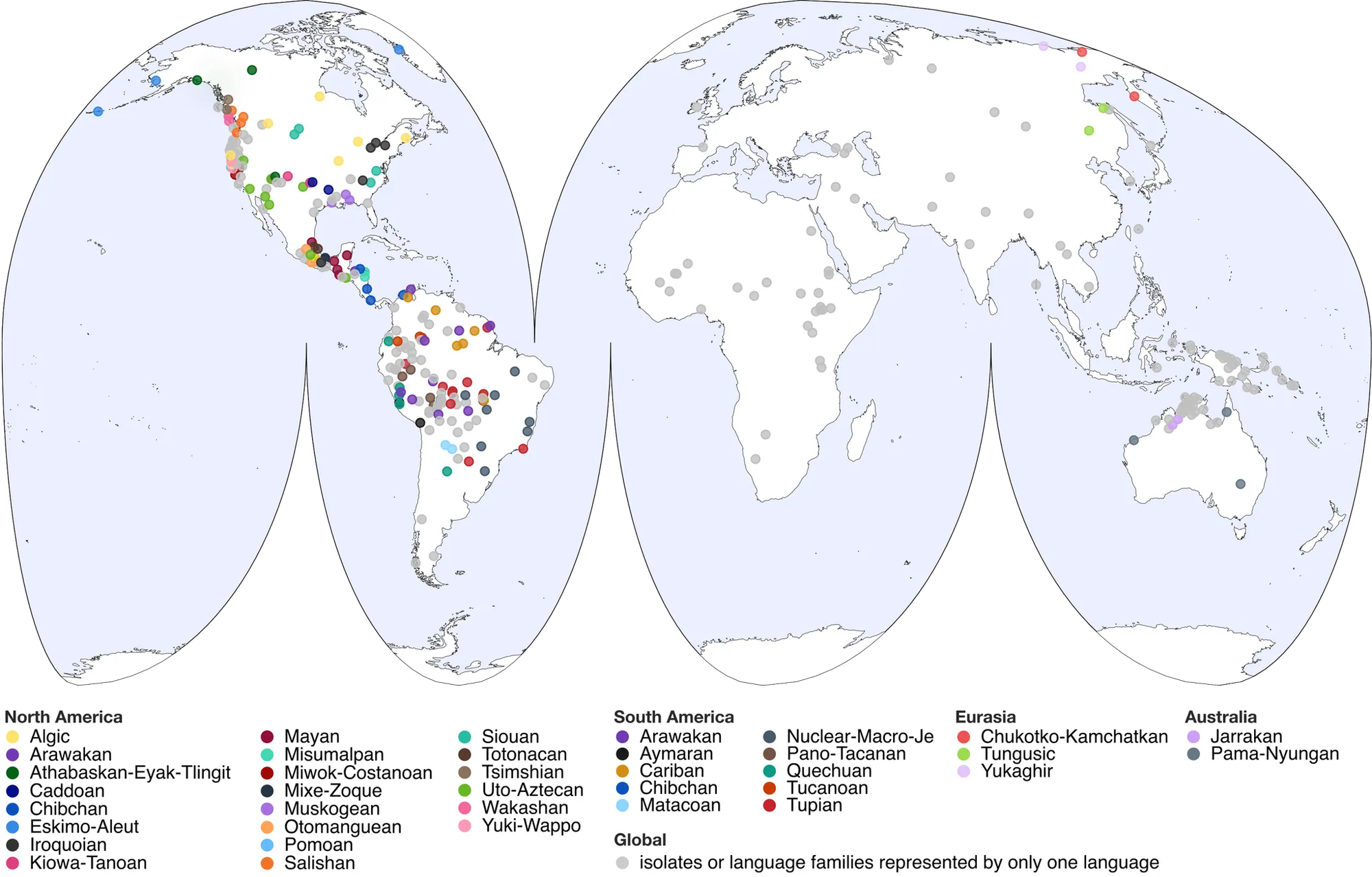
A brand new database of typological features in the languages of the Americas is now available! As described by the authors:
The aim of ATLAs is to capture areally relevant typological variation across North and South America, together with a baseline sample from the rest of the world. Our sample includes 325 languages worldwide, of which 220 are in the Americas. For each typological domain present in the database, we have attempted to encode as fine-grained features as possible, prioritizing typological depth within a given domain over the inclusion of more domains.
The database is available as a website at https://atlas.evolvinglanguage.ch/, which presents 265 typological variables at the level of languages as a whole. The data is also available on GitHub, and Zenodo. The GitHub repository includes three additional database modules not visible on the website, which exhaustively encode at the construction level the phenomena of (1) nominal possession, (2) morphological alignment, and (3) singular-plural verb stem alternation. Several language-level aggregations of these more detailed constructional databases are presented on the website.
- Web Portal: https://atlas.evolvinglanguage.ch/
- Data: https://github.com/davidainman/atlas-data/
- Research Paper: https://www.nature.com/articles/s41597-025-05169-4
🎒 Back to school with linguistics!
It’s the start of the school year for many universities, so I want to know: Who’s taking a linguistics class this year, and what classes are you taking?
Are you taking your first linguistics class, or taking more? Are you declaring a major? Finishing your degree?
Reply to this email and let me know!
If you’d like to support Linguistic Discovery, purchasing through these links is a great way to do so! I greatly appreciate your support!
Check out my entire Amazon storefront here.