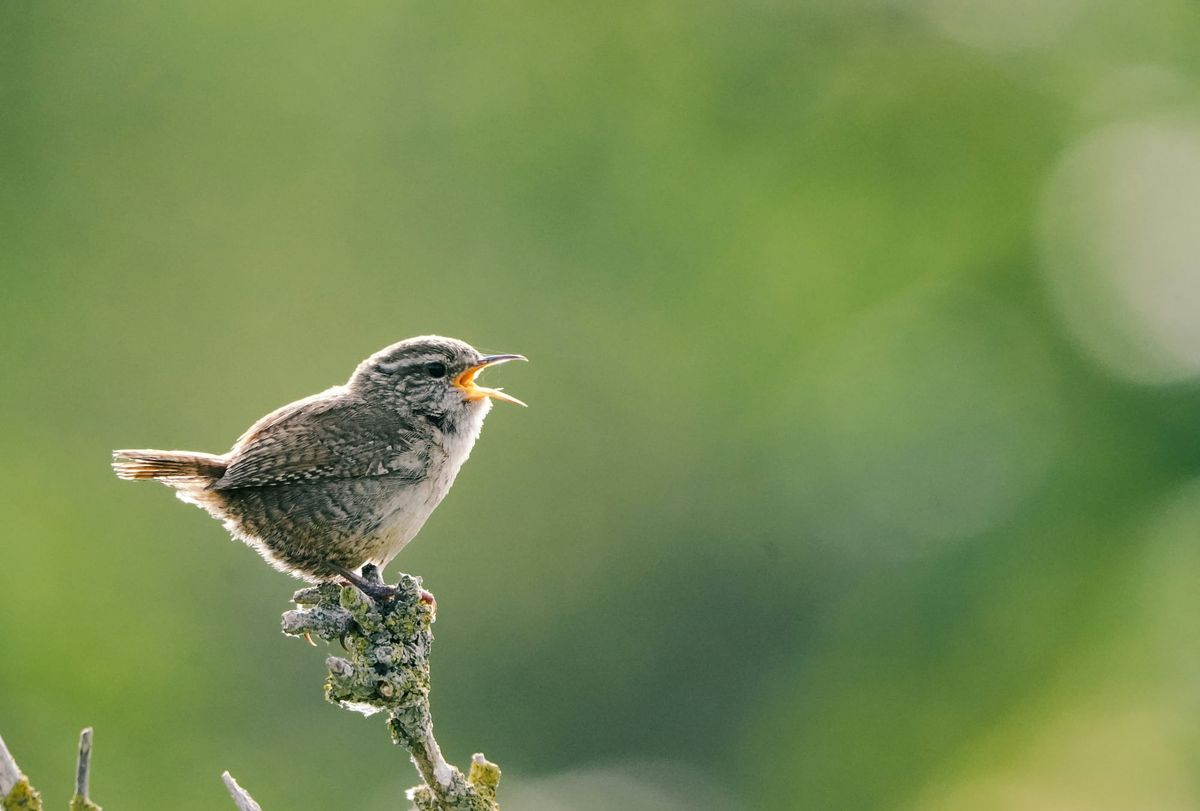
Birdsong exhibits a hidden feature of human language
Also this week: Bilingualism is possible for people with a rare genetic condition that normally limits speech + Talk Like a Pirate Day is coming up! 🏴☠️ Here’s what happened this week in language and linguistics.

Welcome to this week’s edition of Discovery Dispatch, a weekly roundup of the latest language-related news, research in linguistics, interesting reads from the week, and newest books and other media dealing with language and linguistics!
📢 Updates
Announcements and what’s new with me and Linguistic Discovery.
✍️ Babel Young Writer’s Competition 2025
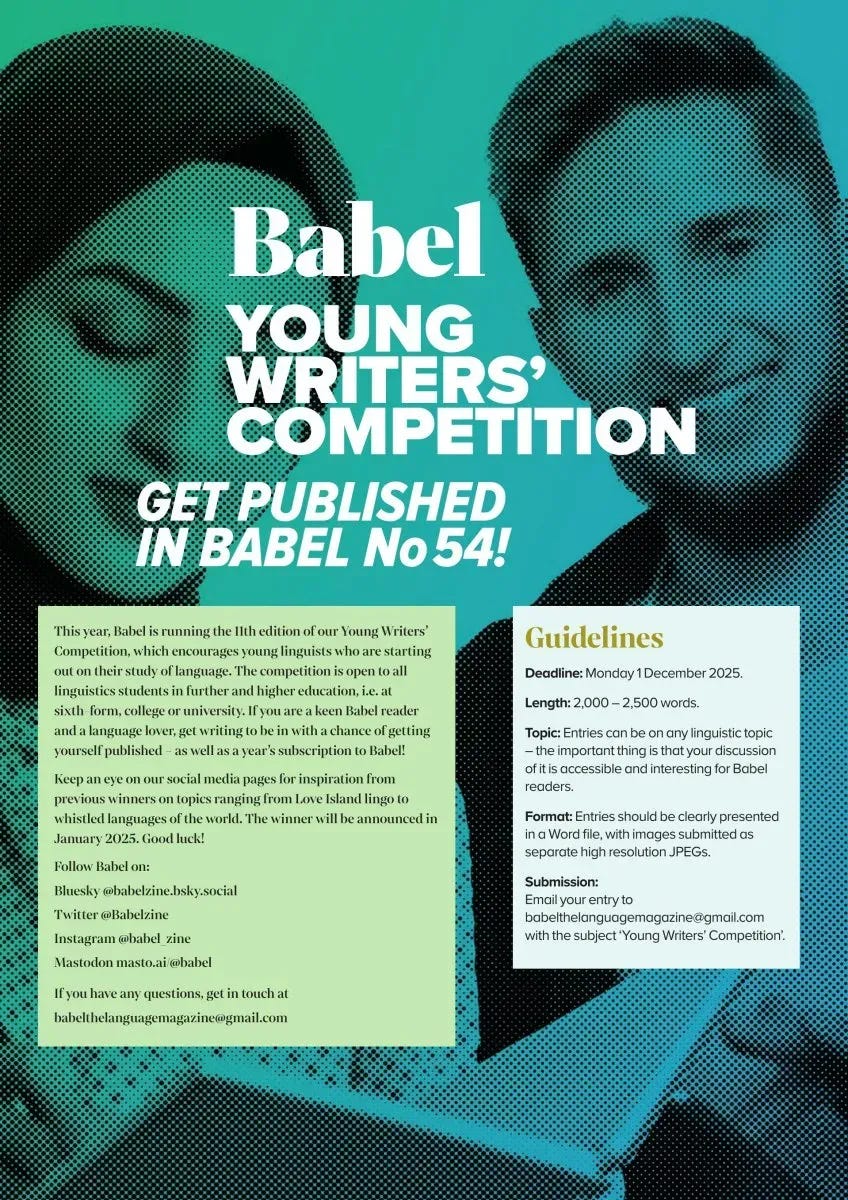
Every year, Babel: The Language Magazine runs a Young Writer’s Competition which aims to encourage young linguists, who are invited to submit articles on a linguistics topic of their interest for publication in Babel magazine. The winner also receives a year’s subscription! Be sure to let the young linguists in your life know about this opportunity.
Guidelines
- Deadline: Monday, December 1, 2025
- Length: 2,000–2,500 words
- Topic: Any linguistic topic. The important thing is that your discussion is accessible and interesting for Babel readers.
- Format: Entries should be clearly presented in a Word file, with images submitted as separate high-resolutions JPEGs.
- Submission: Email your entry to babelthelanguagemagazine@gmail.com with the subject “Young Writer’s Competition”.
🏴☠️ Talk Like a Pirate Day

Ahoy mateys! September 19th be Talk Like a Pirate Day!
Here be the ways to speak like a true buccaneer for all ye landlubbers out there, ye scurvy dogs!
 Jennifer Gunner
🆕 New from Linguistic Discovery
This week’s content from Linguistic Discovery.
Why would you tell me that⁈
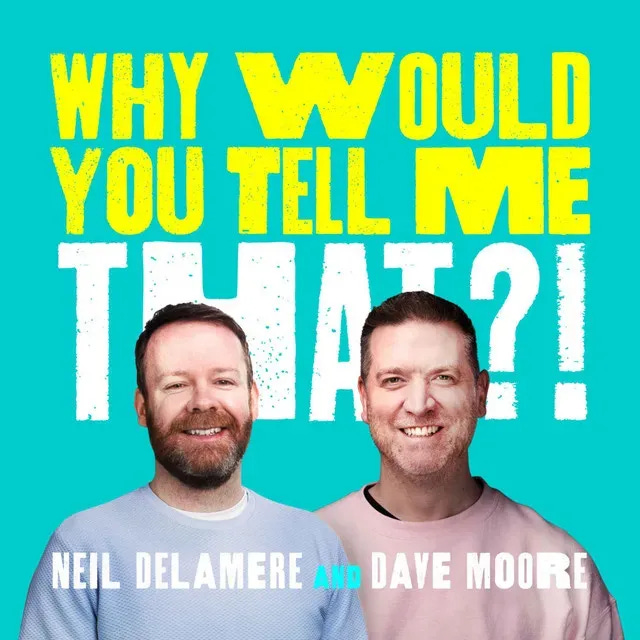
It occurred to me this week that many of my more recent readers/followers probably aren’t aware that I’ve done a number of podcast interviews over the years, so I thought I’d share them over the next several weeks, starting with the Why would you tell me that⁈ podcast. I talk with award-winning comedians and broadcasters Neil Delamere and Dave Moore about the most important number in the world, and how that number pops up in surprising places all over language today.
🗞️ Current Linguistics
Recently published research in linguistics.
Zipf’s Law of Abbreviation applies to birdsong
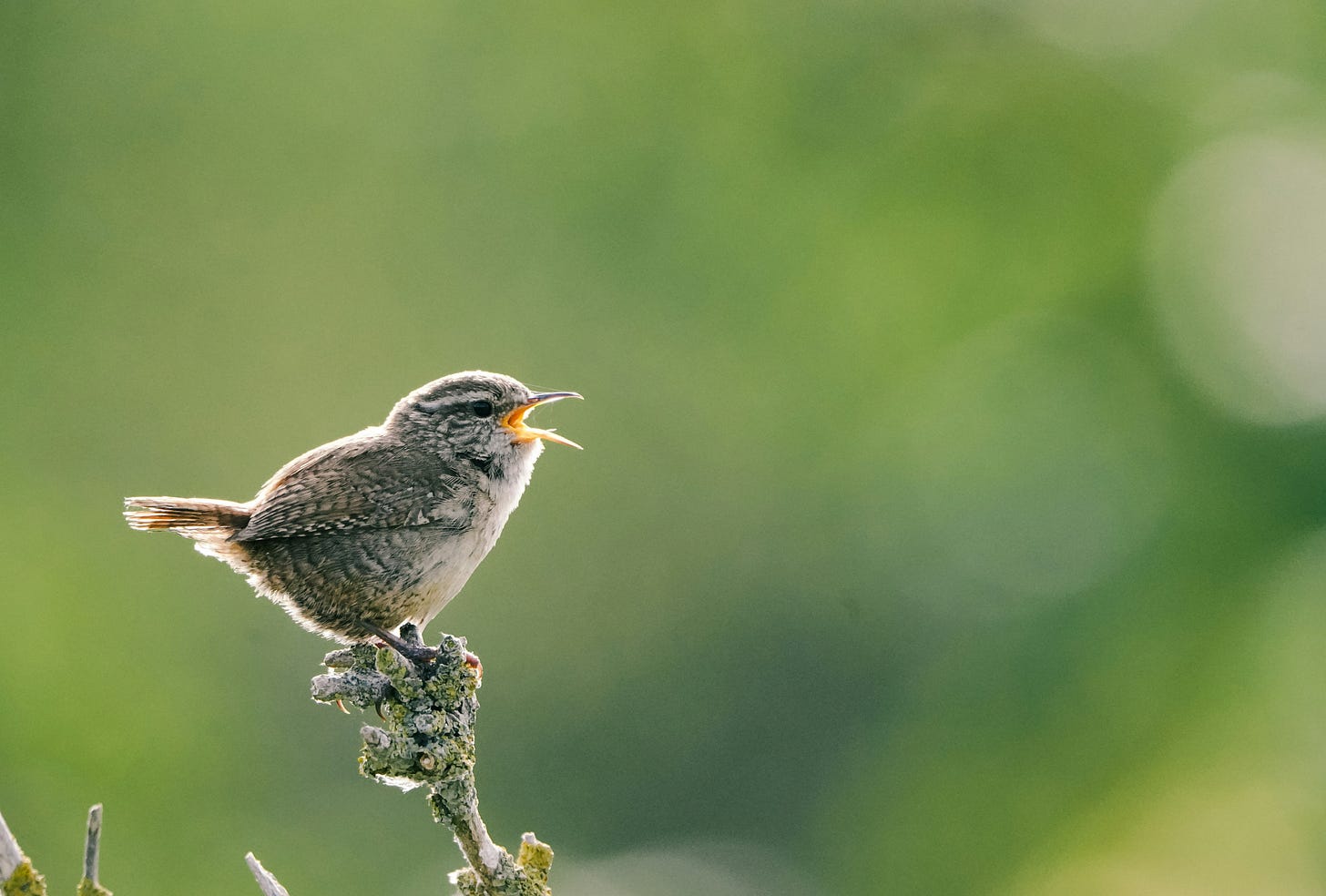
Zipf’s Law of Abbreviation states that the more frequently a word is used, the shorter that word tends to be. New research now finds that this law applies to birdsong as well: the most frequently used chirps and tweets tend to be shorter, while infrequently-used ones tend to be longer.
 Darren Orf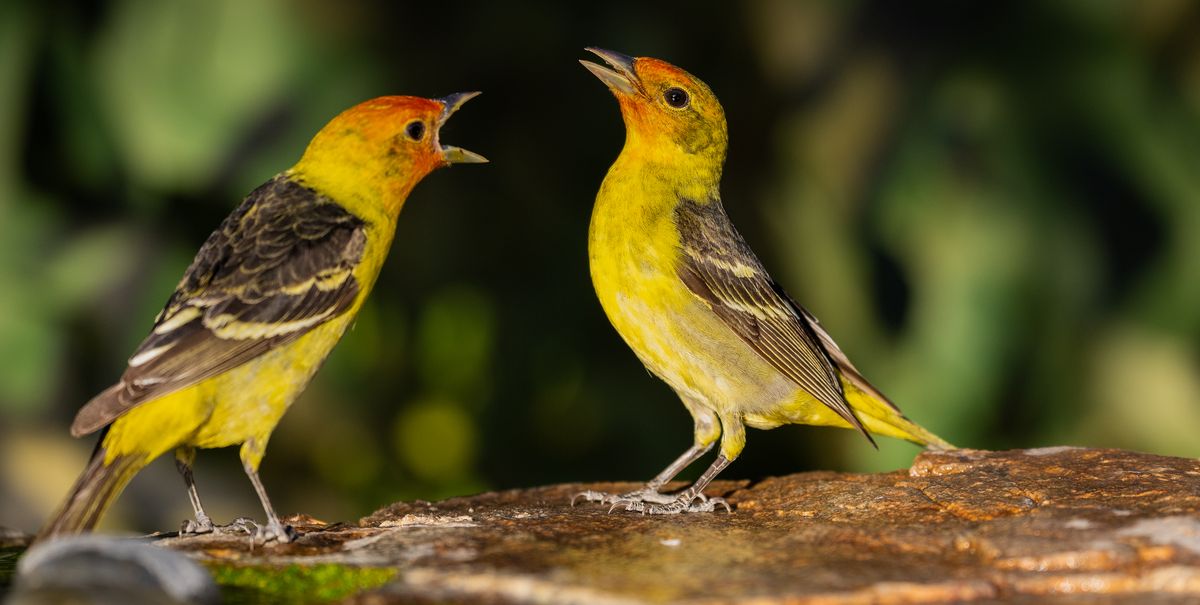
 Tom Hale
 Noulida Nahan
 R. Tucker Gilman ,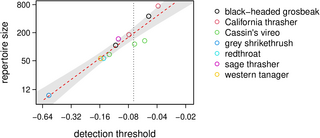
Bilingualism possible in people with rare genetic condition that normally limits speech abilities
Rett syndrome is a rare neurological condition that disrupts physical and linguistic development, affecting around one in 10,000 women and even fewer men. For decades, researchers assumed that people with the condition, many of whom lose speech during early childhood, were confined to a limited range of cognitive and linguistic abilities.
But in Wales, where many families are bilingual and speak both English and Welsh at home, our recent case study showed that access to two languages can help the linguistic growth of someone with the speech-limiting developmental condition Rett syndrome.
 Eirini Sanoudaki
- Day, Cooper, & Sanoudaki. 2024. Bilingualism in the preserved speech variant of Rett syndrome: A longitudinal case study. Clinical Linguistics & Phonetics, pp. 1–20. DOI: https://doi.org/10.1080/02699206.2025.2508260.
📃 This Week’s Reads
Interesting articles I’ve come across this week.
 Arturo Hernandez, Ph.D.
 Oleksandra Osypenko
📚 Books & Media
New (and old) books and media touching on language and linguistics.
Rising above: Language revitalization in the Eastern Band of Cherokee Indians
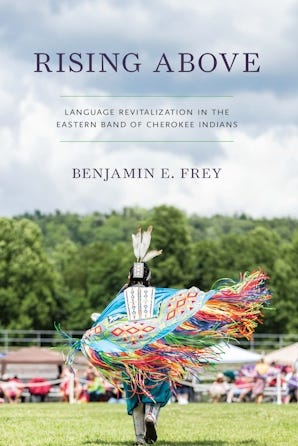
In this new book, Cherokee citizen Benjamin E. Frey chronicles his odyssey of being introduced to the Cherokee language with trepidation as a young adult and his eventual work revitalizing the Cherokee language in a Cherokee way. In the first book to examine the process of language shift and revitalization among this band, Frey explores the institutional, economic, and social factors that drove the language shift from Cherokee to English, interpreted through the lens of a member of the Eastern Band Cherokee community in conversation with other community members. Rising Above navigates Frey’s upbringing, the intricacies of language and relationships, the impact of trauma, and the quest for joy and healing within the community.
In addition to language documentation and preservation, Rising Above explores how to breathe new life into the language and community, using storytelling to discuss the Cherokee language, its grammatical components, and its embedded cultural ideologies alongside its interactions with broader American society.
🗃️ Resources
Maps, databases, lists, etc. on language and linguistics.
Native Land Digital
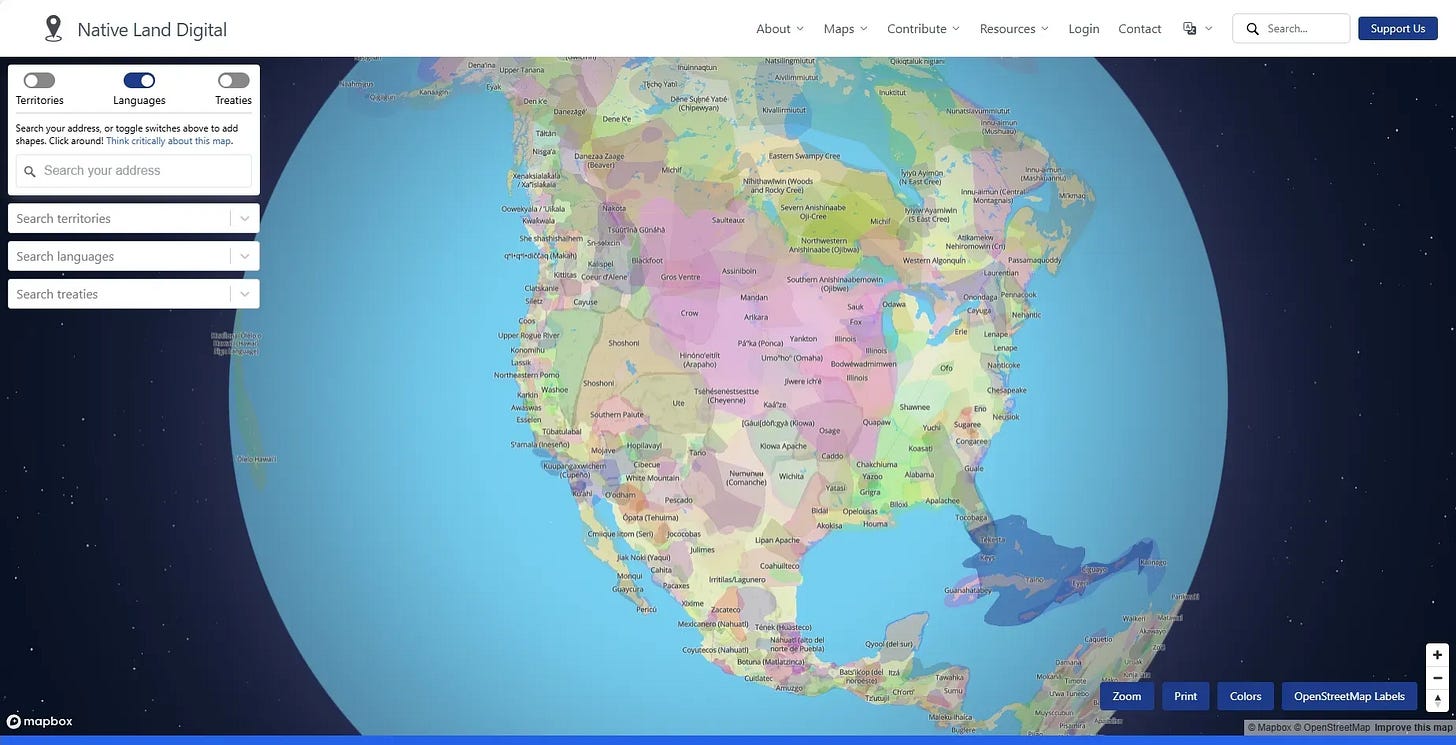
Native Land Digital (NLD) is an Indigenous-led non-profit organization that provides a digital map of Indigenous territories, languages, and treaties globally. Their goal is to support education, awareness, and research while respecting Indigenous data sovereignty. The above screenshot shows their current map for the languages of North America. Pretty incredible and detailed work!


👋🏼 Til next week!
If you’d like to support Linguistic Discovery, purchasing through these links is a great way to do so! I greatly appreciate your support!
Check out my entire Amazon storefront here.