Could Neanderthals handle language variation?
Also this week: Jane Goodall dies at 91 + Merriam-Webster adds 5,000 words to the dictionary

Welcome to this week’s edition of Discovery Dispatch, a weekly roundup of the latest language-related news, research in linguistics, interesting reads from the week, and newest books and other media dealing with language and linguistics!
🆕 New from Linguistic Discovery
This week’s content from Linguistic Discovery.
Think Queen
Continuing my series of podcast interviews from the last few years, this week I’m sharing a really fun interview I did with Kyne Santos on her Think Queen podcast. Kyne is well known for her educational math videos on social media, and is the author of the excellent book Math in drag. We talk about whether whales have languages, how languages are invented or go extinct, and Quebec’s language police.
📰 In the News
Language and linguistics in the news.
Jane Goodall dies at 91

Jane Goodall is a famous primatologist and conservationist who chronicled the social lives of chimpanzees. She died Wednesday at the age of 91. While Goodall didn’t directly study primate communication, her work in understanding chimpanzee social structures has been useful to linguists in understanding primate theory of mind (what they know about the minds of others), which gives us insights into the cognitive skills that were probably necessary for language.
The New York Times has a nice obituary here:
Merriam-Webster adds over 5,000 words to the collegiate dictionary
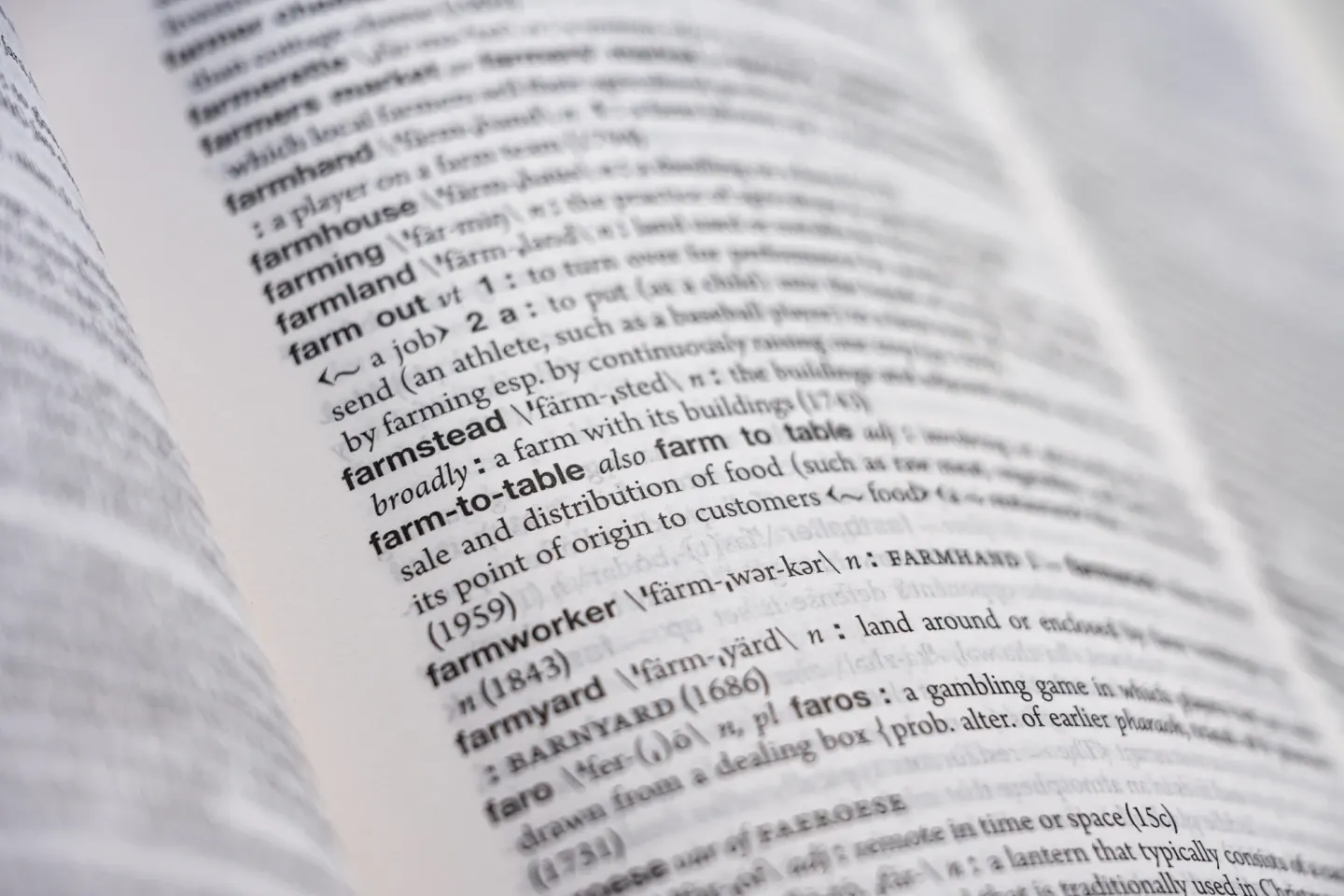
Merriam-Webster announced [last] Thursday it has taken the rare step of fully revising and reimagining one of its most popular dictionaries with a fresh edition that adds over 5,000 new words, including “petrichor,” “teraflop,” “dumbphone” and “ghost kitchen.”
The 12th edition of “Merriam-Webster’s Collegiate Dictionary” comes 22 years after the book’s last hard-copy update and amid declining U.S. sales for analog dictionaries overall, according to Circana BookScan. It will be released Nov. 18, with preorders now available.
 LEANNE ITALIE
🗞️ Current Linguistics
Recently published research in linguistics.
Could Neanderthals handle language variation?
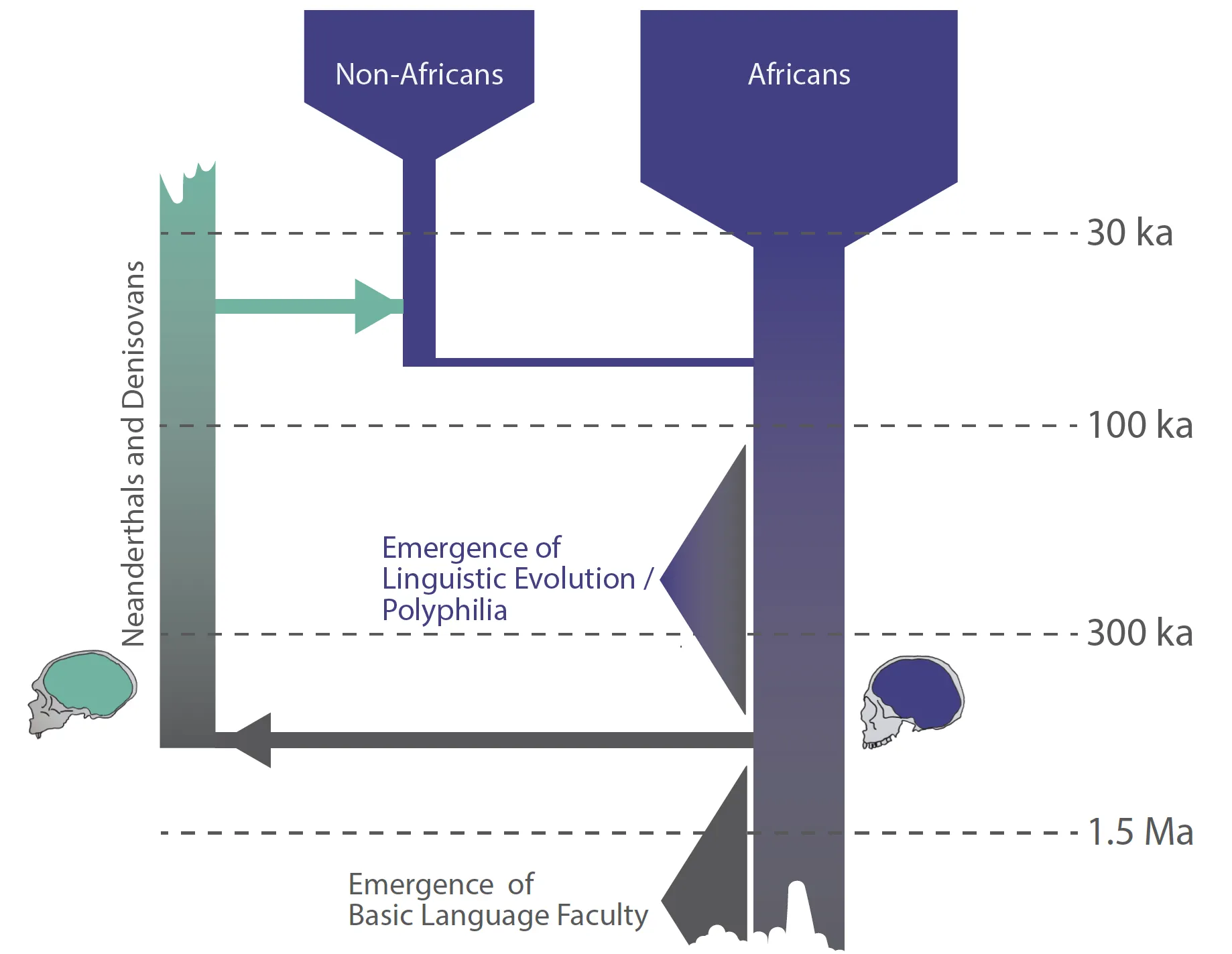
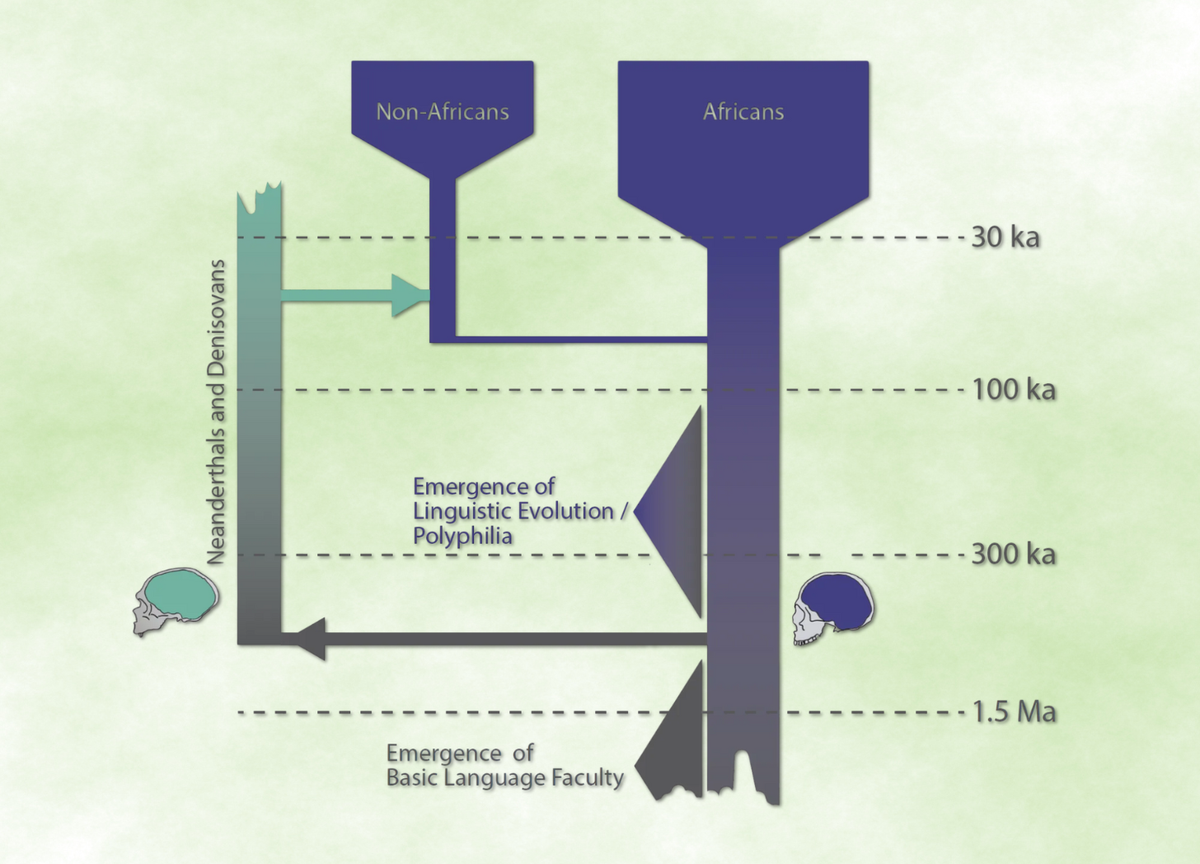
It’s now widely accepted that Neanderthals likely possessed some form of language-like communication, but we don’t know how different their language would have been from that of Homo sapiens. A new but unreviewed study suggests they may have been different in one crucial respect: language variation.
In modern language, different ways of speaking are associated with different social groups. Indeed, different communities can speak entirely different languages. This type of variation within language is an example of a broader type of cultural variation called polyphilia—a tendency to diversify local norms as markers of group identity. Importantly, individual languages and dialects can vary even though our ability to do language itself doesn’t change—a property of language that the authors call ergodicity (borrowing the term as a metaphor from mathematics). You might think of ergodicity as essentially “linguistic drift”. If language weren’t ergodic, your genetics wouldn’t allow you to learn another language. Language change would be tied inextricably to genetic change.
This new study (in my reading of it anyway) implies that this was exactly how Neanderthal language worked. Since the archaeology of Neanderthal culture shows no cultural variation across different groups (no polyphilia), it’s reasonable to assume that their language likewise didn’t exhibit cultural variation.
 Benjamin Taub
- Research: Cerrito et al. 2025. Pleistocene origins of cultural and linguistic diversification: how Homo sapiens and Neanderthals differed. DOI: https://doi.org/10.32942/X2C35Z.
📃 This Week’s Reads
Interesting articles I’ve come across this week.
 Michael Ferber
- A neat look at counting systems in the world’s languages.
 Lindsey Lange-Abramowitz, M.A.


 Felicity Cox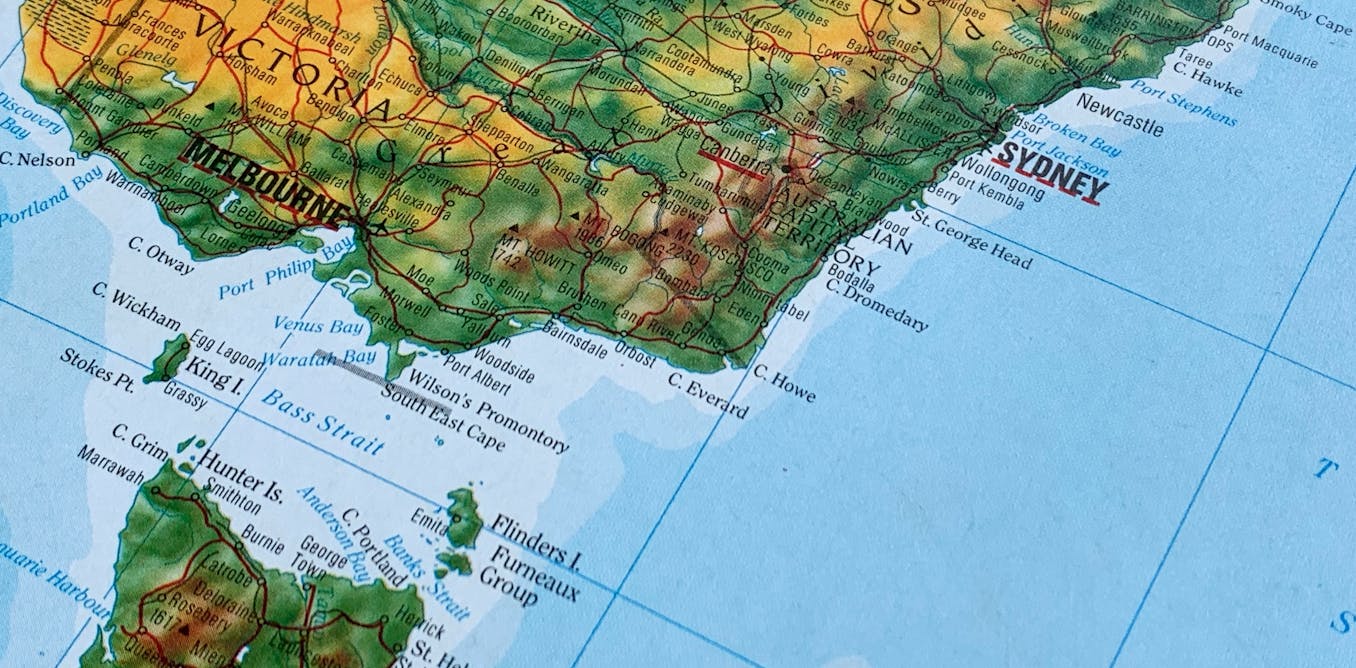
 Colin Gorrie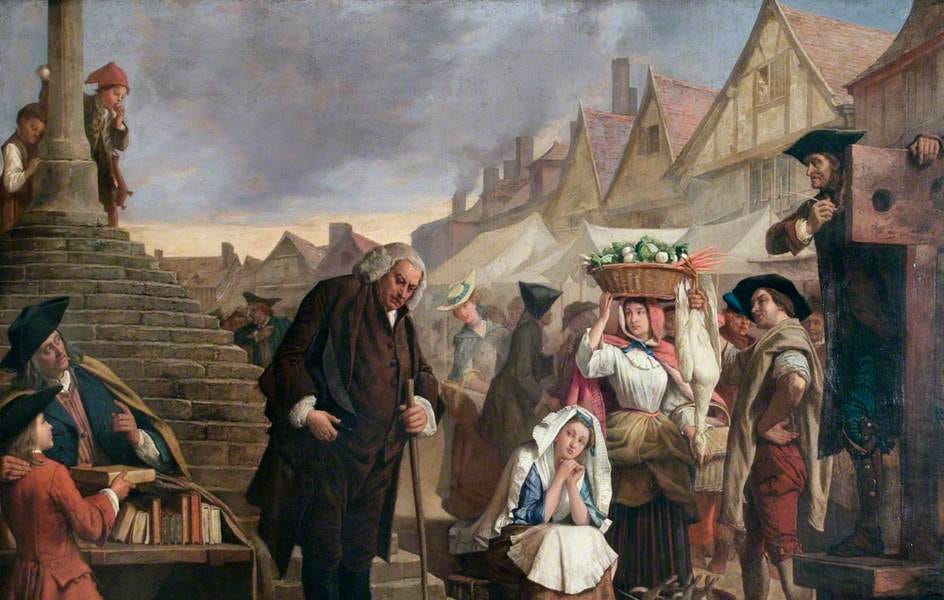
- Louder for the people in the back! (It’s almost comical how frequently people tell me or claim online that a word comes from an acronym, when acronyms are actually a fairly new source of words.)
📚 Books & Media
New (and old) books and media touching on language and linguistics.
Why Q needs U: A history of our letters and how we use them
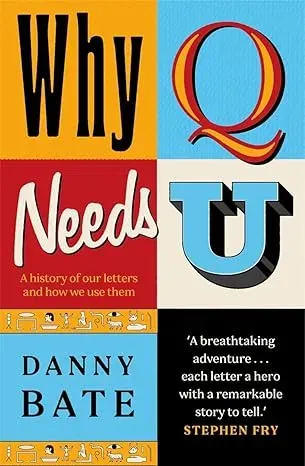
This week we have a special guest post from linguist Danny L. Bate, Ph.D., with an excerpt from his new book, Why Q needs U: A history of our letters and how we use them. If you’ve ever wondered where we get the letters of the alphabet from, and why English uses them so strangely, this is the book for you! Danny takes you on a linguistic odyssey through the history of the alphabet.
 Danny Bate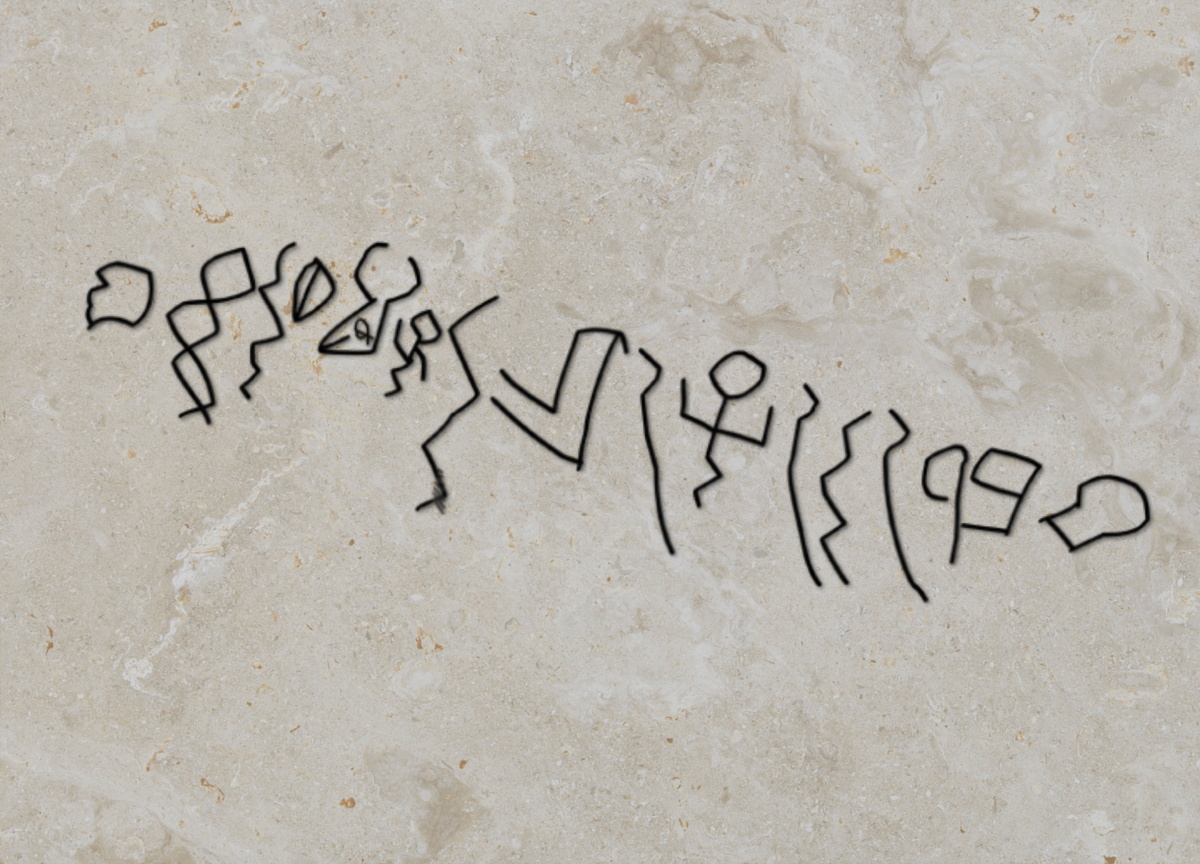
At the moment I believe the book is only available from UK sellers, but here’s the link:
🗃️ Resources
Maps, databases, lists, etc. on language and linguistics.
Early Indo-European Online
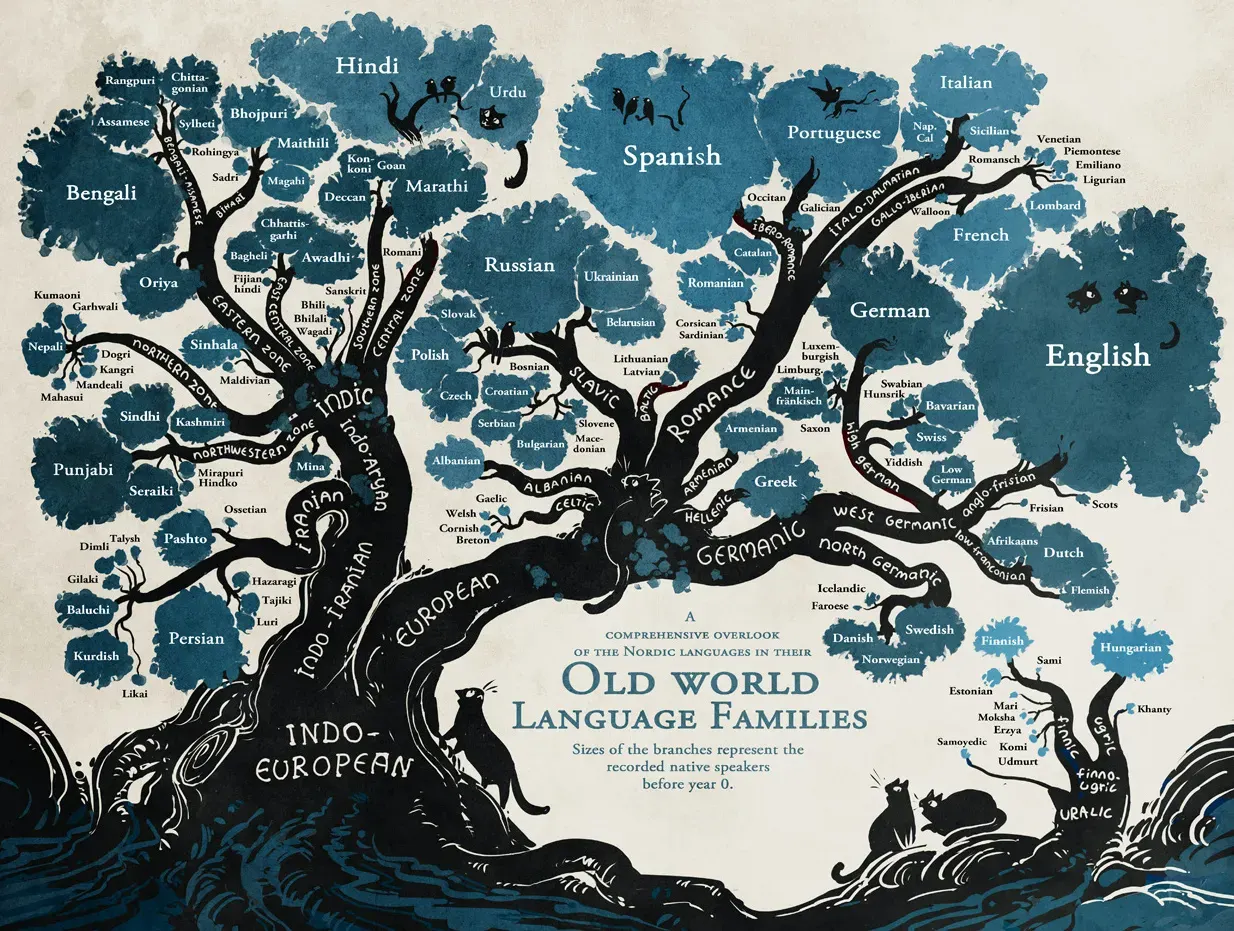
Have you ever wanted to learn one of the ancient Indo-European languages, like Hittite, Sanskrit, Gothic, Old Norse, Tocharian, or Old English? Early Indo-European Online has free courses on all the well-studied ancient Indo-European languages.


👋🏼 Til next week!
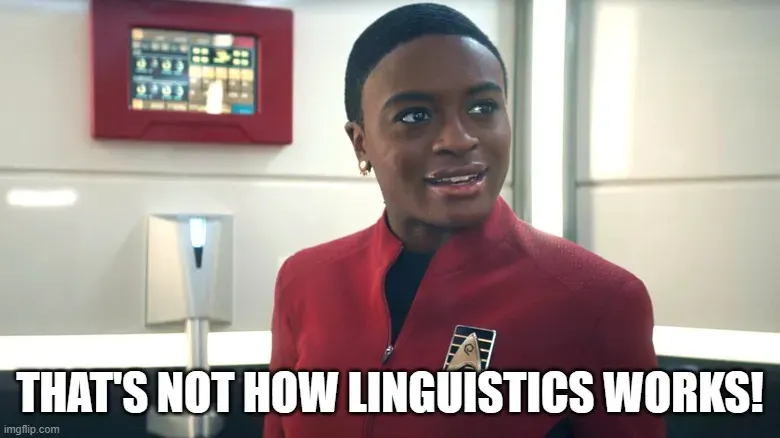
As a Star Trek fan, I appreciated this funny from Star Trek: Strange New Worlds in Season 1, Episode 9, “All Those Who Wander” @ 16:00:
Captain Pike: What’s he saying?
La’An: The universal translator isn’t processing it. Uhura, do something.
Uhura: That’s not how linguistics works!
If you’d like to support Linguistic Discovery, purchasing through these links is a great way to do so! I greatly appreciate your support!
Check out my entire Amazon storefront here.