We’re finally starting to read the scrolls burnt in the eruption of Mt. Vesuvius
Also this week: How playing a musical instrument helps children learn to read + Why AI is not like humans

Welcome to this week’s edition of Discovery Dispatch, a weekly roundup of the latest language-related news, research in linguistics, interesting reads from the week, and newest books and other media dealing with language and linguistics!
🆕 New from Linguistic Discovery
This week’s content from Linguistic Discovery.
Pulled this old video out from the archives this week:
Marc Okrand, creator of the Klingon language, snuck ghoti into the lexicon as the word for ‘fish’ as a joke. Scholars had used this as a joke to illustrate the inconsistencies in English spelling since at least the 1850s.
I also did a quick stitch with a creator on TikTok about some etymologies of fortifications and the like:
📰 In the News
Language and linguistics in the news.
Reading the burnt scrolls from Mt. Vesuvius

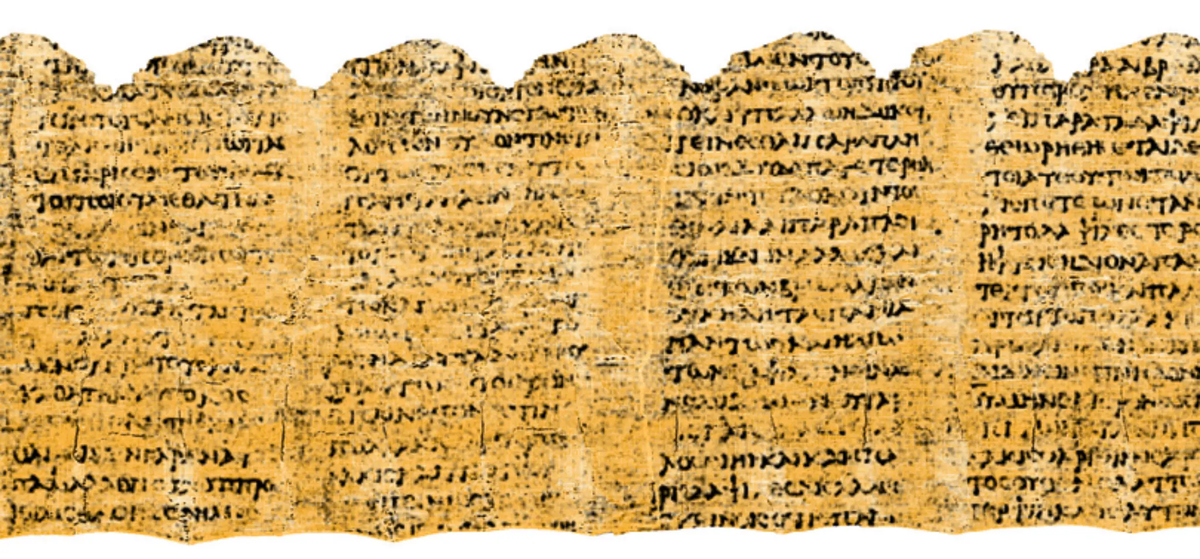
I reported on this earlier this year, and I’m thrilled to see that the work on the Herculaneum scrolls continues to bear fruit. The town of Herculaneum was one of two towns, along with Pompeii, which were destroyed during the eruption of Mt. Vesuvius in 79 CE. Julius Caesar’s father-in-law owned a villa there which included a great library of papyrus scrolls that were unfortunately turned to charcoal by pyroclastic flows during the eruption. For centuries these scrolls have been largely unreadable because any attempt to unroll them caused them to crumble. Now, however, digital scanning technology an AI are enabling us to finally peer into these texts, potentially unlocking a trove of new insights into the classical world. I’m so excited to how this project develops, and of course I’ll keep you up to date as well.
 #author.fullName}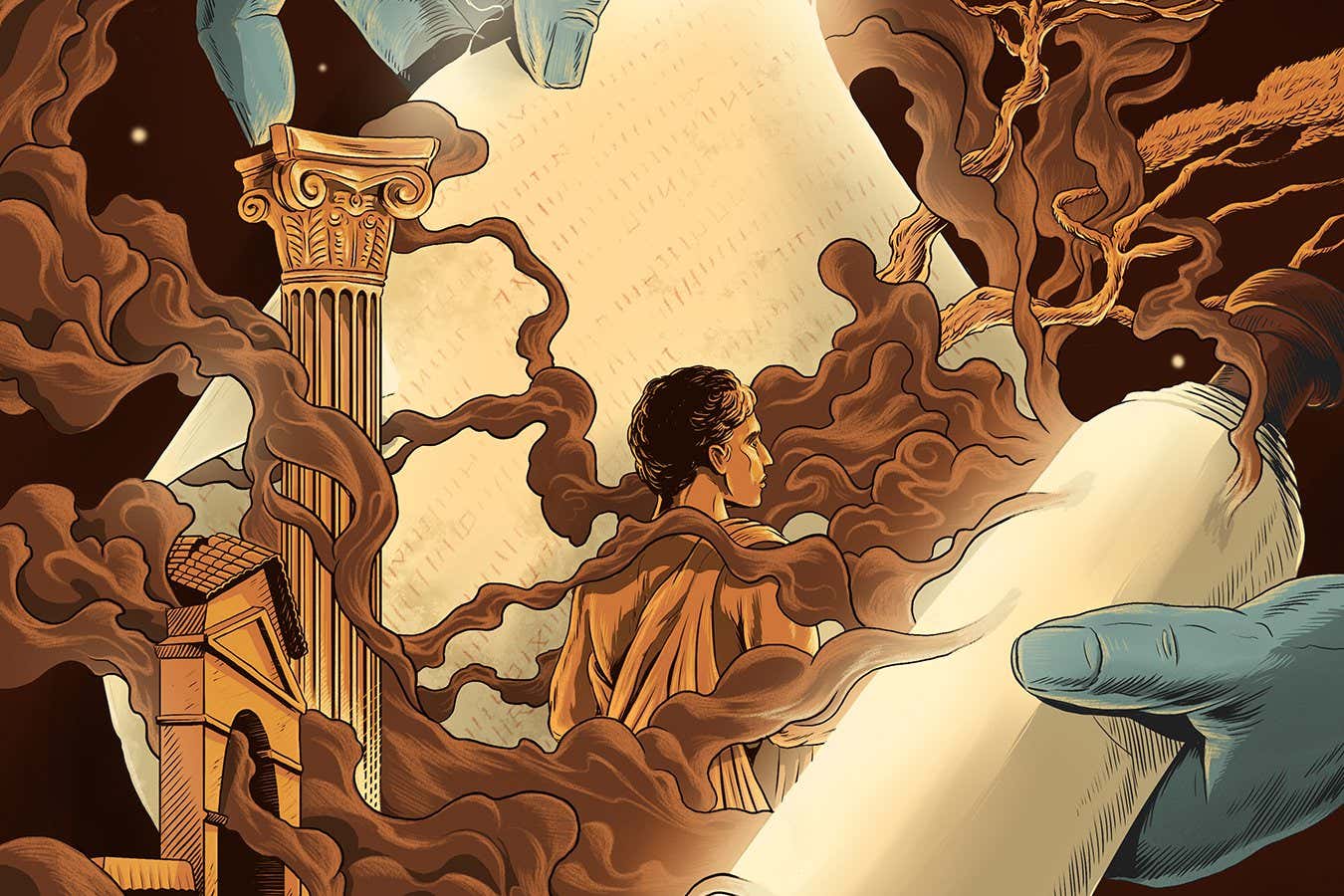
🗞️ Current Linguistics
Recently published research in linguistics.
How playing a musical instrument helps children learn to read
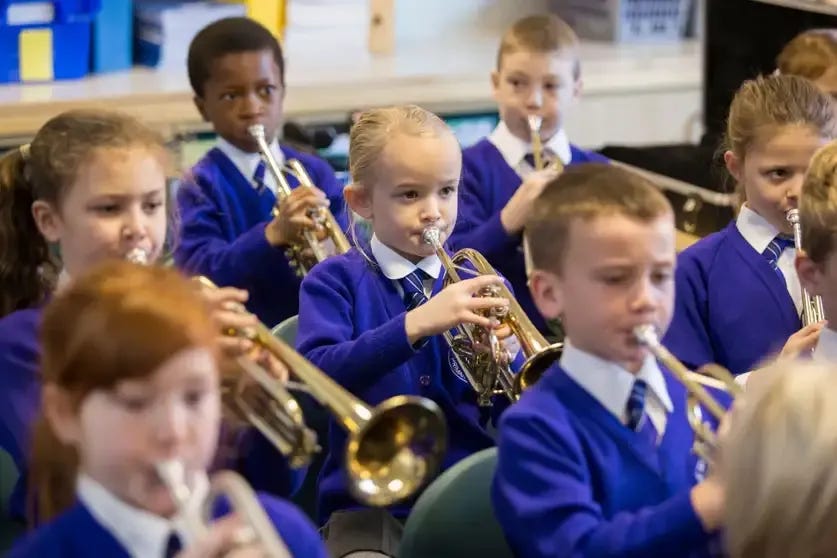
Music training seems to boost reading skills in young children by enhancing their ability to recognize and manipulate the sounds that make up words.
Learning to play an instrument has long been linked to improved early reading abilities, as well as mathematical ones, but how it does this wasn’t clear, because playing an instrument involves many skills.
A new study of 57 children found that those who were learning a musical instrument outperformed the others on tests of phonological awareness—the ability to recognize and manipulate the sounds of speech (phonemes)—and they also demonstrated better reading abilities.
 #author.fullName}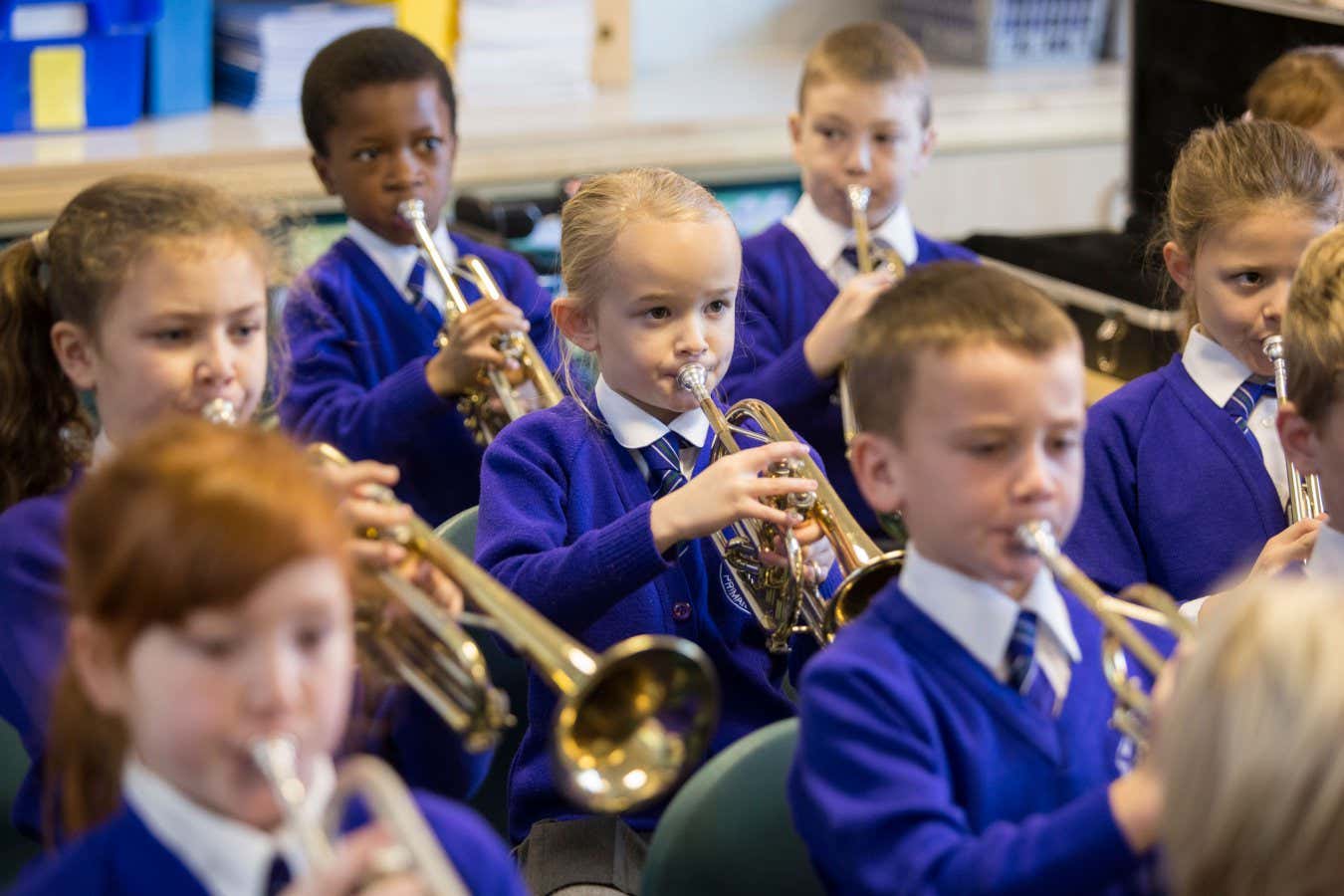
- Garcia-de-Soria et al. 2025. Benefits of music training for learning to read: Evidence from cortical tracking of speech in children. Preprint. DOI: https://doi.org/10.1101/2025.09.05.674218.
📃 This Week’s Reads
Interesting articles I’ve come across this week.
 Elizabeth Weil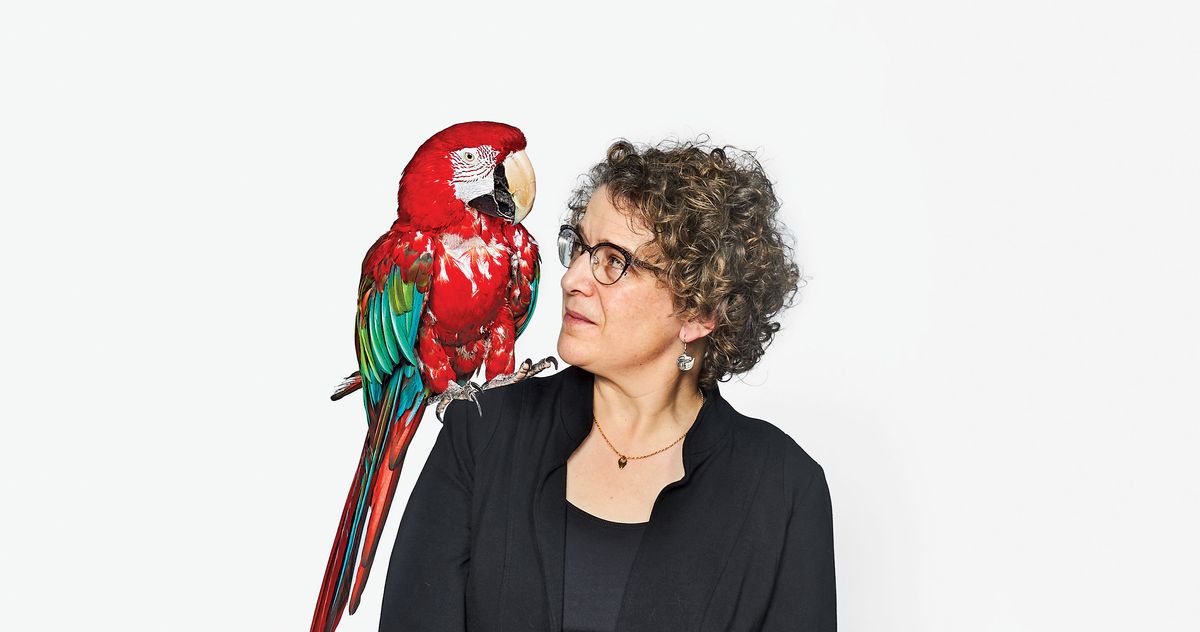
- This is an article from 2023 with linguist Emily Bender making an incisive and insightful critique of AI’s capabilities. I think it’s still relevant two years later.
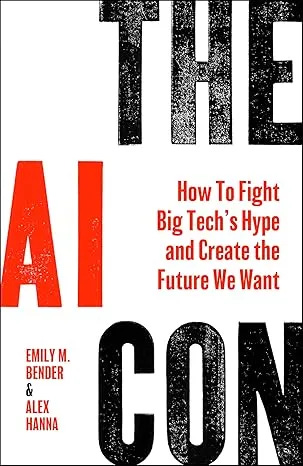
- Dr. Bender also went on to coauthor the recent book, The AI Con: How to fight Big Tech’s hype and create the future we want.
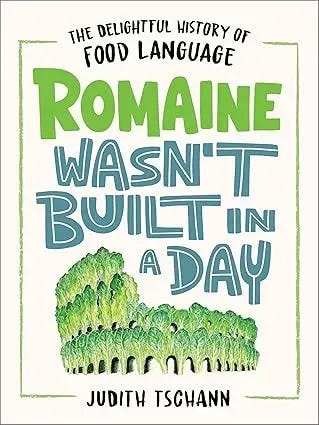
- A new book exploring the origins of common food terms — from bialy to lima bean to bibimbap — is a fascinating history of how we eat and cook.

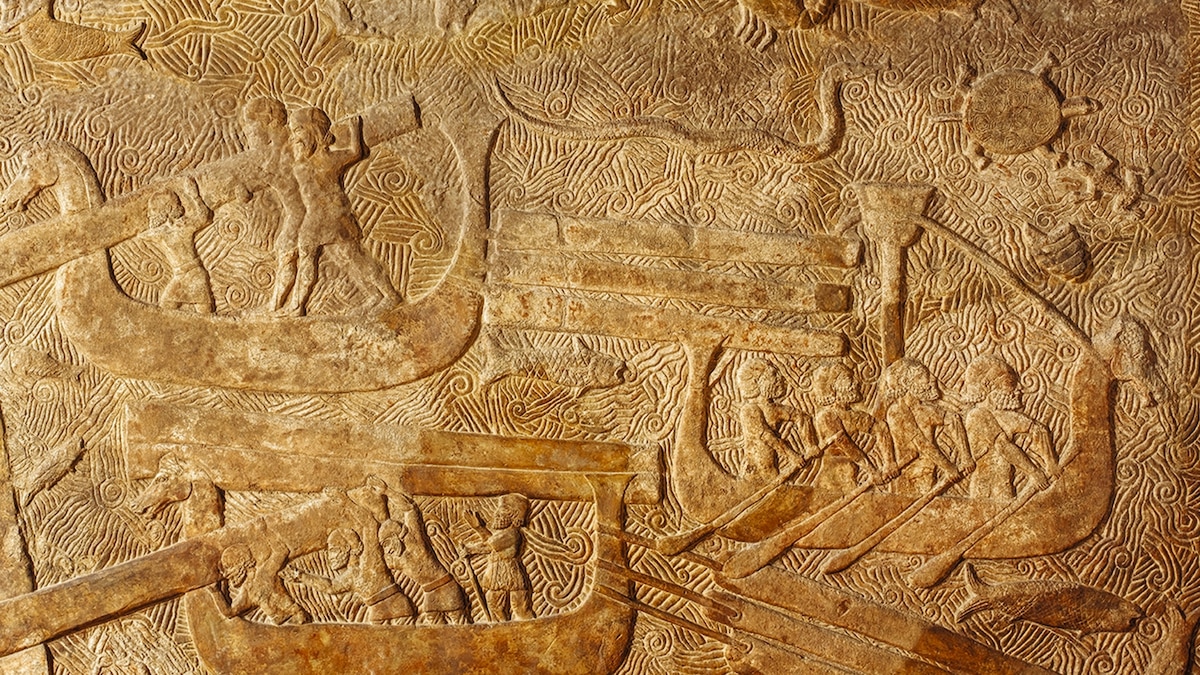
Despite being known as masters of trade, these seafarers were never a single collective. Different groups built powerful cities across the Mediterranean and the latest research shows they date back earlier than we thought.
- A great history of the Phoenicians which also includes a brief discussion of the Phoenician alphabet—the first known alphabet in history. Even though most of the article isn’t about language, knowing how the Phoenicians influenced the rest of the Mediterranean helps us understand how the alphabet spread.
 Jacob Judah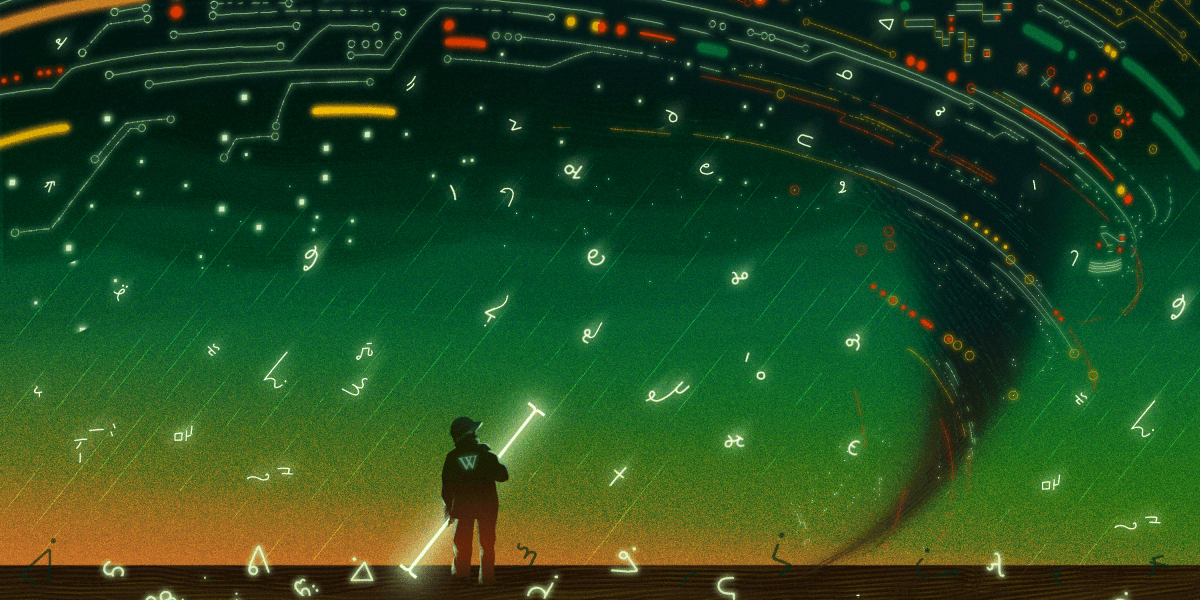
 Colin Gorrie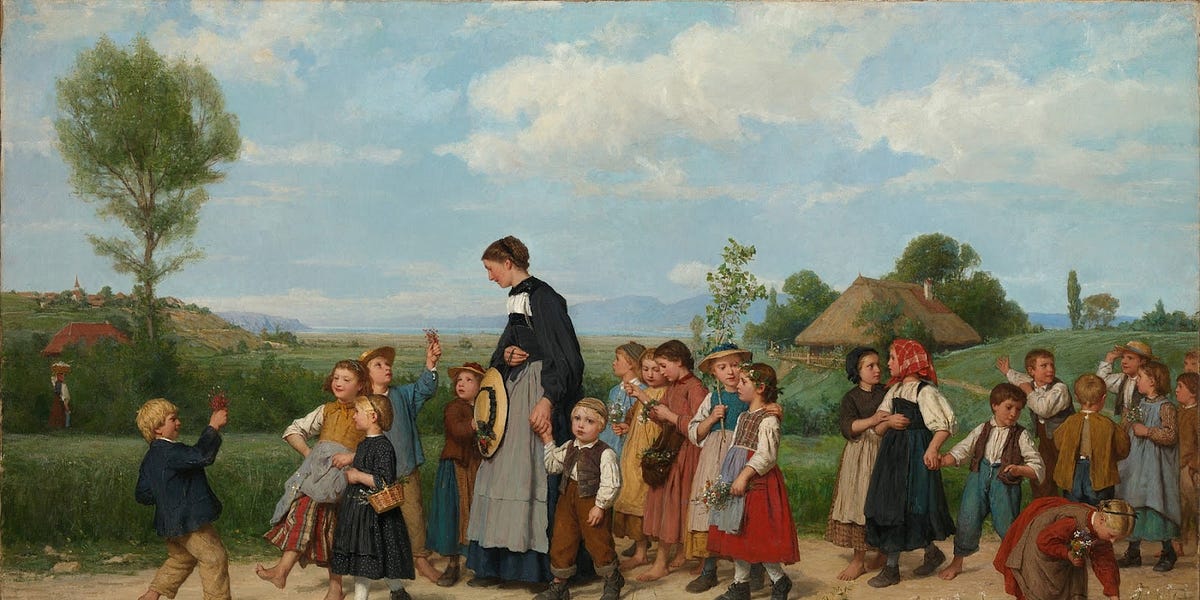
- Another great article from Colin Gorrie walking you through the data behind a neat linguistic phenomenon, until you can fully describe the phonological rules behind nicknames. Again, more complex than you’d expect! It never fails to amaze me how much we know intuitively about how our own native languages work without realizing we know it, and this article is a great example of that.
📚 Books & Media
New (and old) books and media touching on language and linguistics.
Lingthusiasm, Ep. 102: The science and fiction of Sapir-Whorf
If you’re not already familiar with the Lingthusiasm podcast, don’t miss this episode in particular, because it’s one of the best introductions—and debunking—of linguistic relativity (a.k.a. the Sapir-Whorf Hypothesis) I’ve come across. Gretchen & Lauren do a fantastic job explaining the origin of the idea, different ways you can understand it, and what subsequent research has had to say about it in the decades since its inception. Well worth a listen.
Butter No Parsnips
I discovered another linguistics-related podcast this week: Butter No Parsnips, a weekly podcast that takes you on an adventure through the weird, wacky, wonderful, and sometimes wicked history of one wayside word. Strange characters, delightful bits, and general joyousness abound, join them as they test each other’s etymological expertise!
 164. Necropants

You can see the entire database of linguistics-related podcasts here:
- Podcasts (Linguistic Discovery)
👋🏼 Til next week!
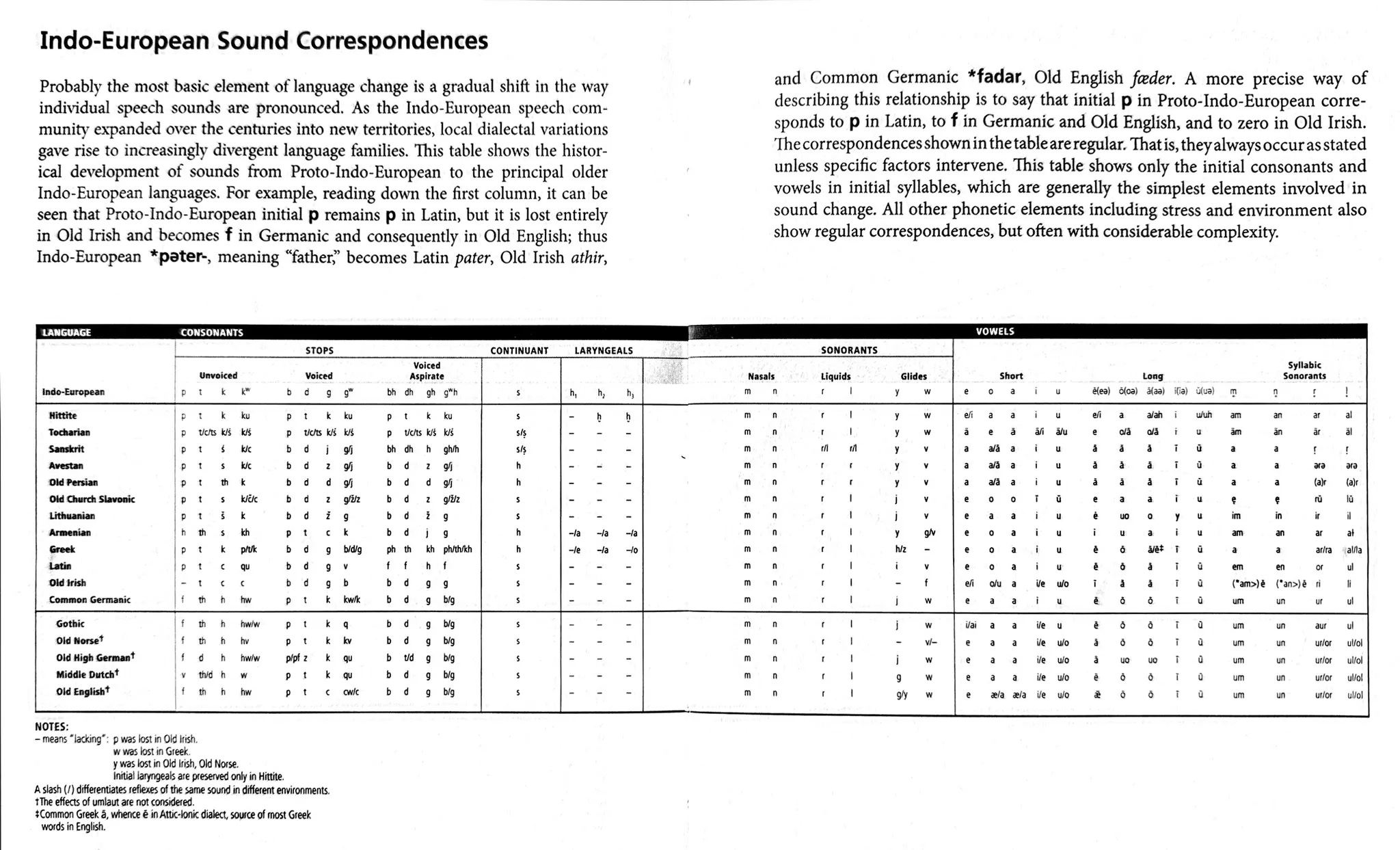
To end this week, I’ll leave you with a snippet I found in The American heritage dictionary of Indo-European roots: a nice concise summary of how the sounds of various Indo-European languages correspond with one another:
If you’d like to support Linguistic Discovery, purchasing through these links is a great way to do so! I greatly appreciate your support!
Check out my entire Amazon storefront here.