Oxford chooses “ragebait” as the 2025 Word of the Year
Also this week: Whales are found to use “vowels” + 6,000-year-old Mesopotamian seals linked to the dawn of writing

Welcome to this week’s edition of Discovery Dispatch, a weekly roundup of the latest language-related news, research in linguistics, interesting reads from the week, and newest books and other media dealing with language and linguistics!
📢 Updates & Announcements
Announcements and what’s new with me and Linguistic Discovery.
Tell me what you think about the newsletter!

I’ve been publishing this newsletter for almost a year now! So this seems like a propitious moment to get your feedback on how this first year has been, things you like about the newsletter, areas it could improve, etc. I’ve put together a quick survey (20 questions, ~5 minutes) for you to give your feedback:
(If the embedded form above doesn't work, click the button below to go directly to the form page.)
You’re also welcome to simply email me your thoughts here!
World Linguistics Day
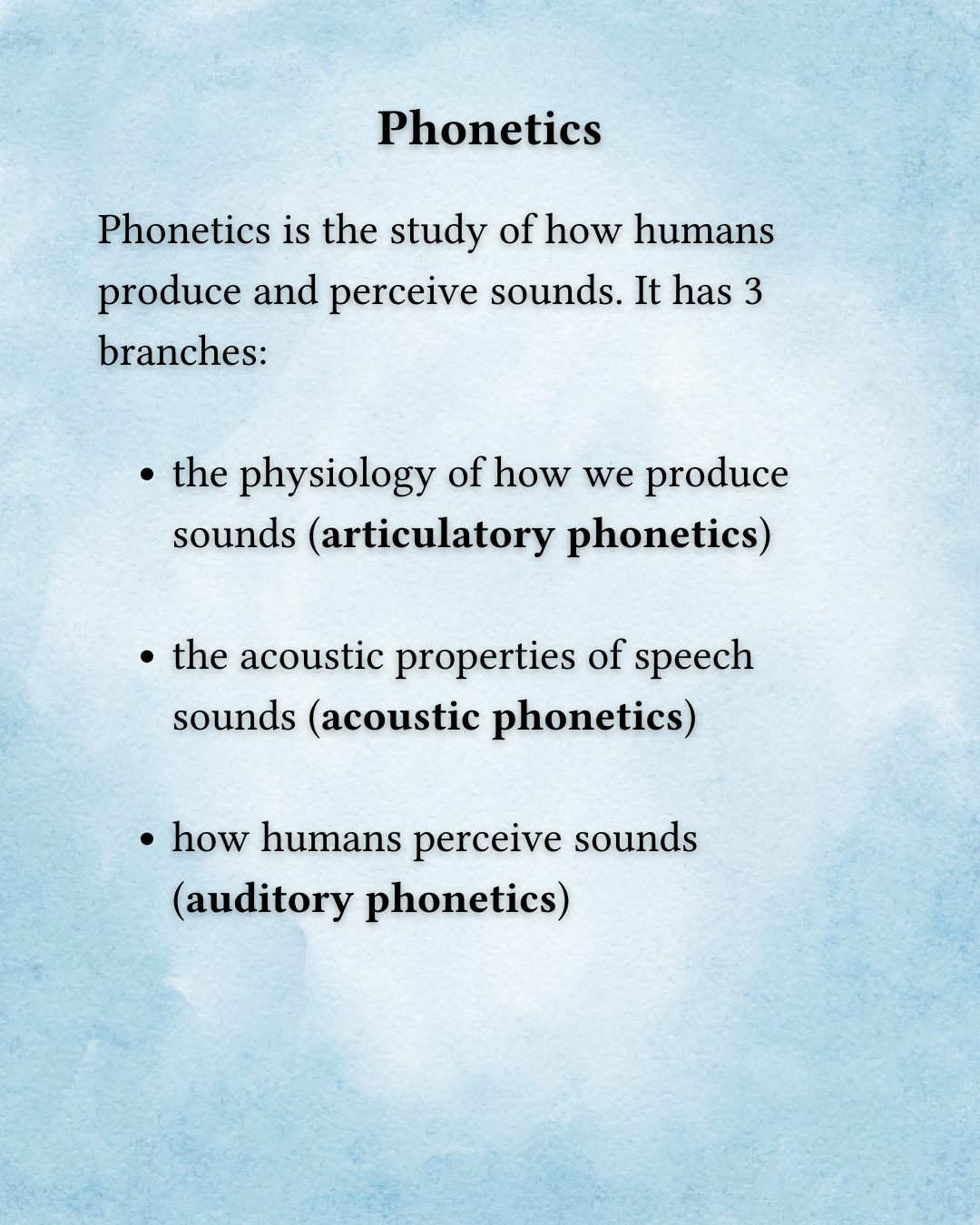
This past week on November 26th was World Linguistics Day! Here’s the content I posted from the day, talking about what linguistics is:
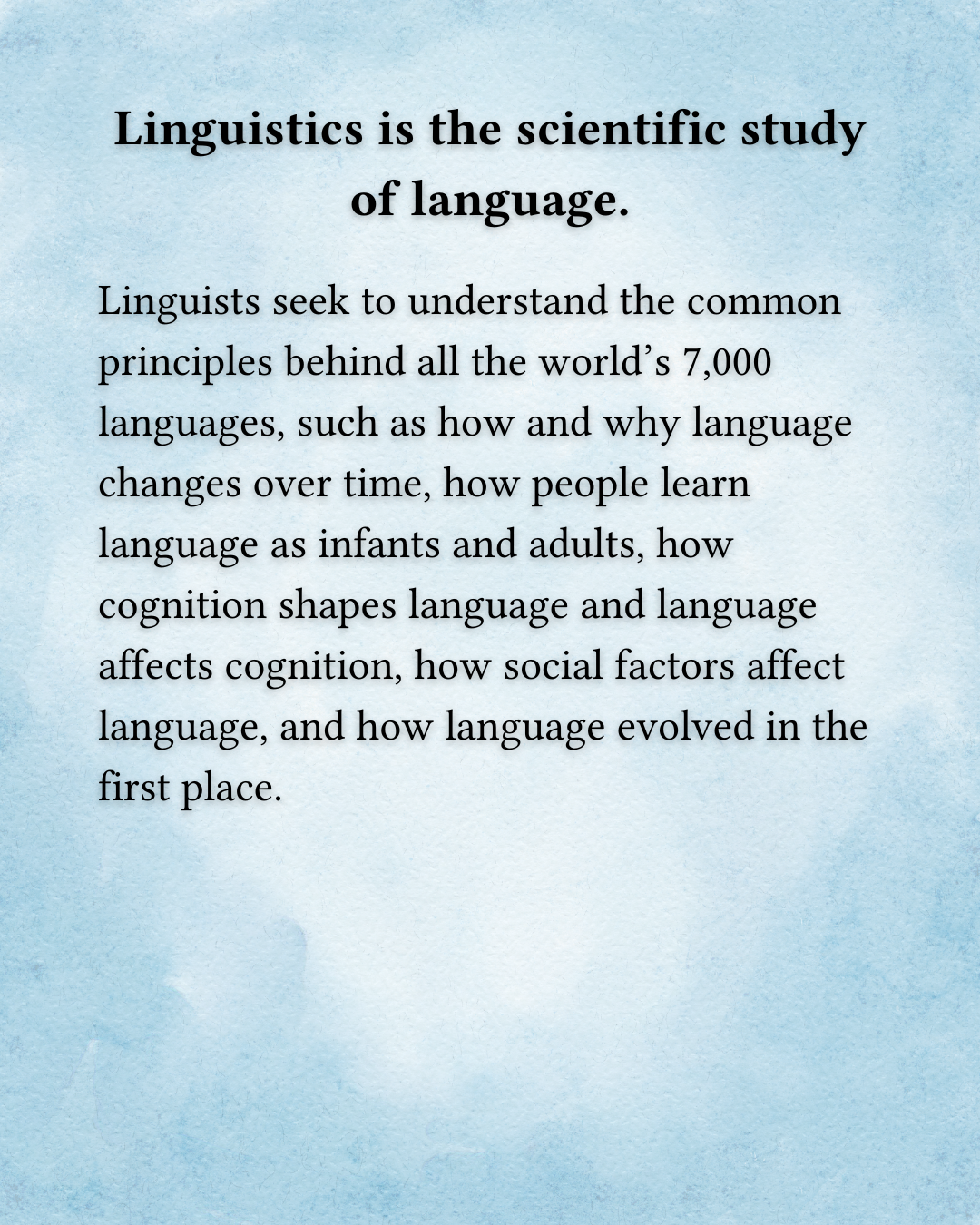
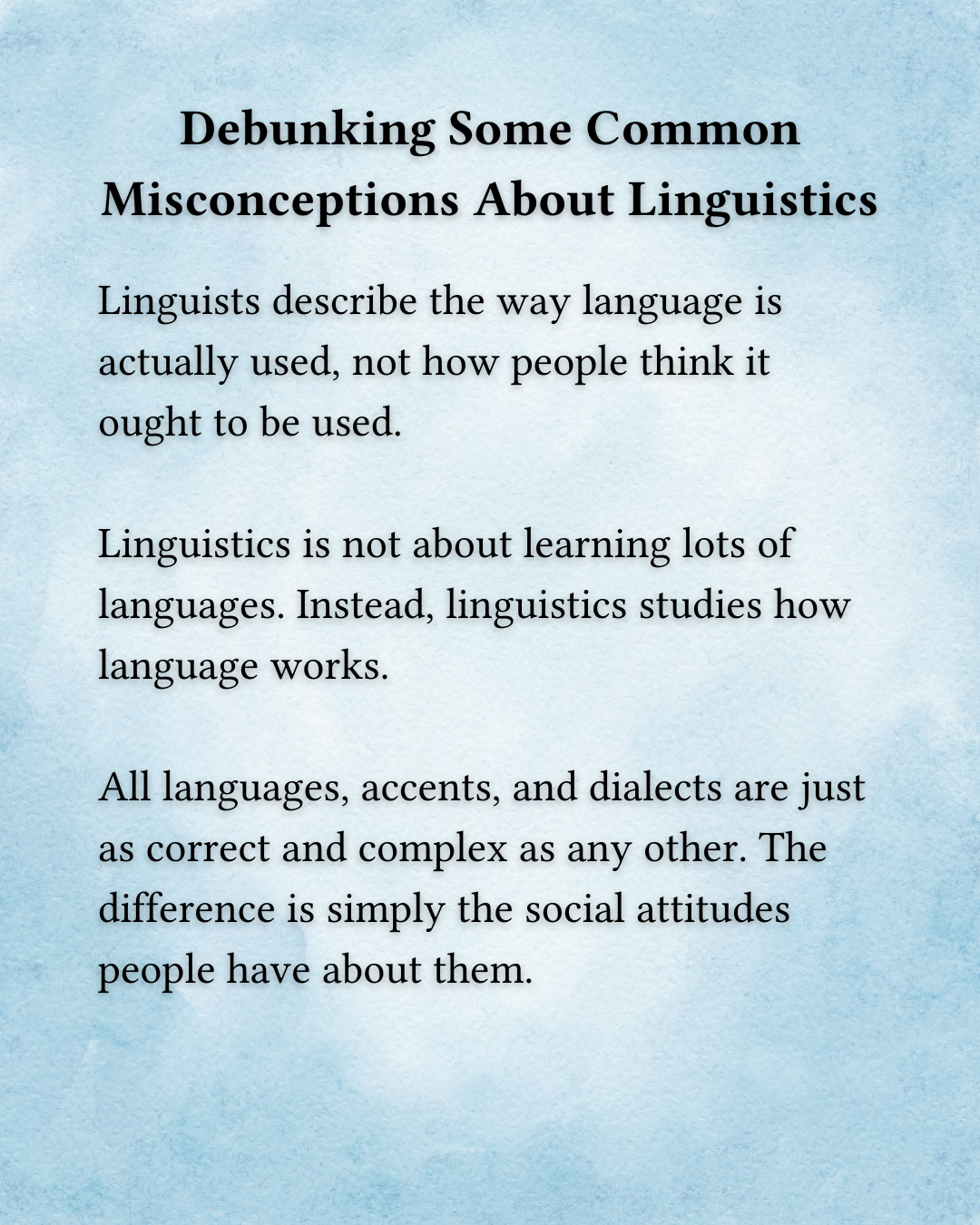
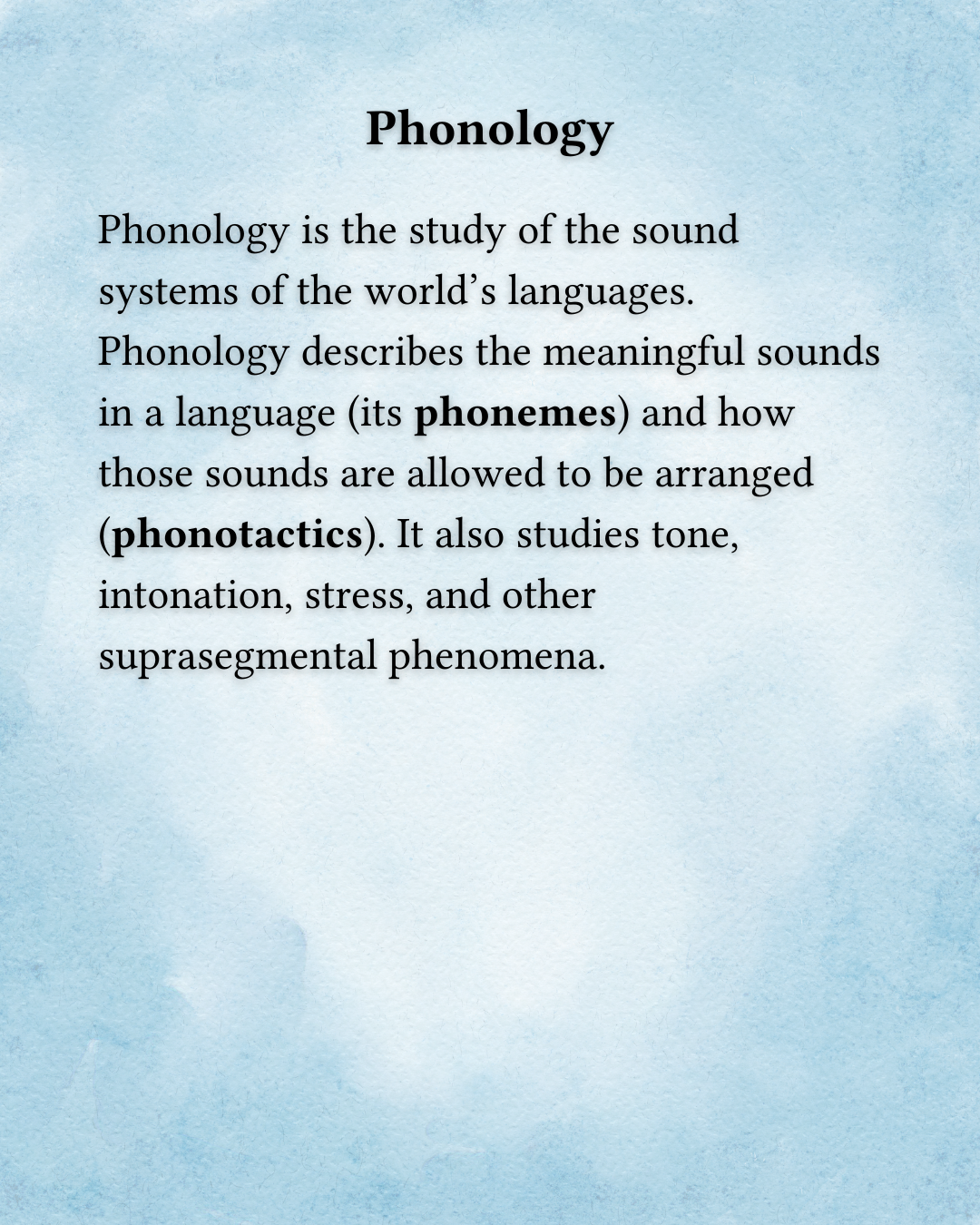
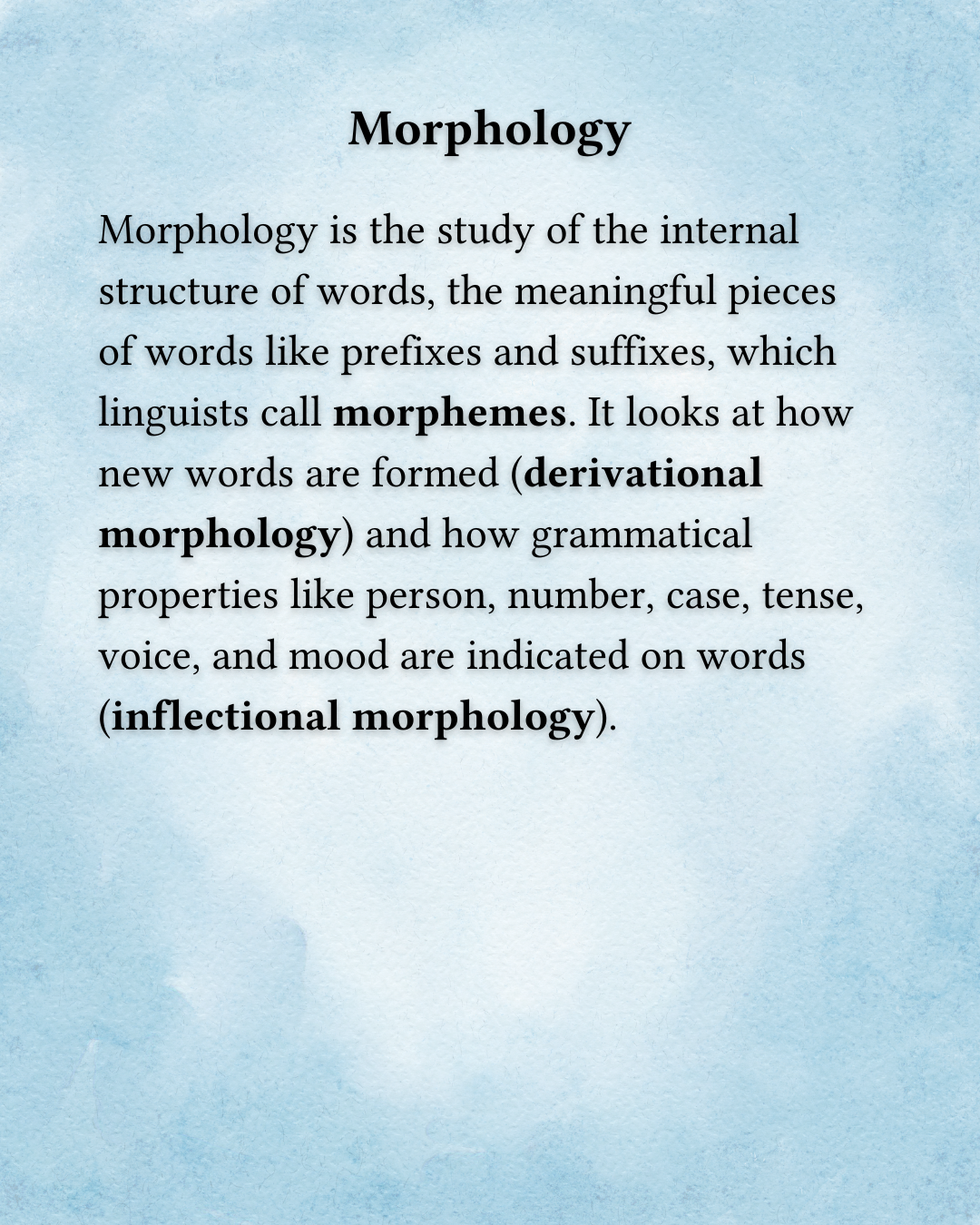
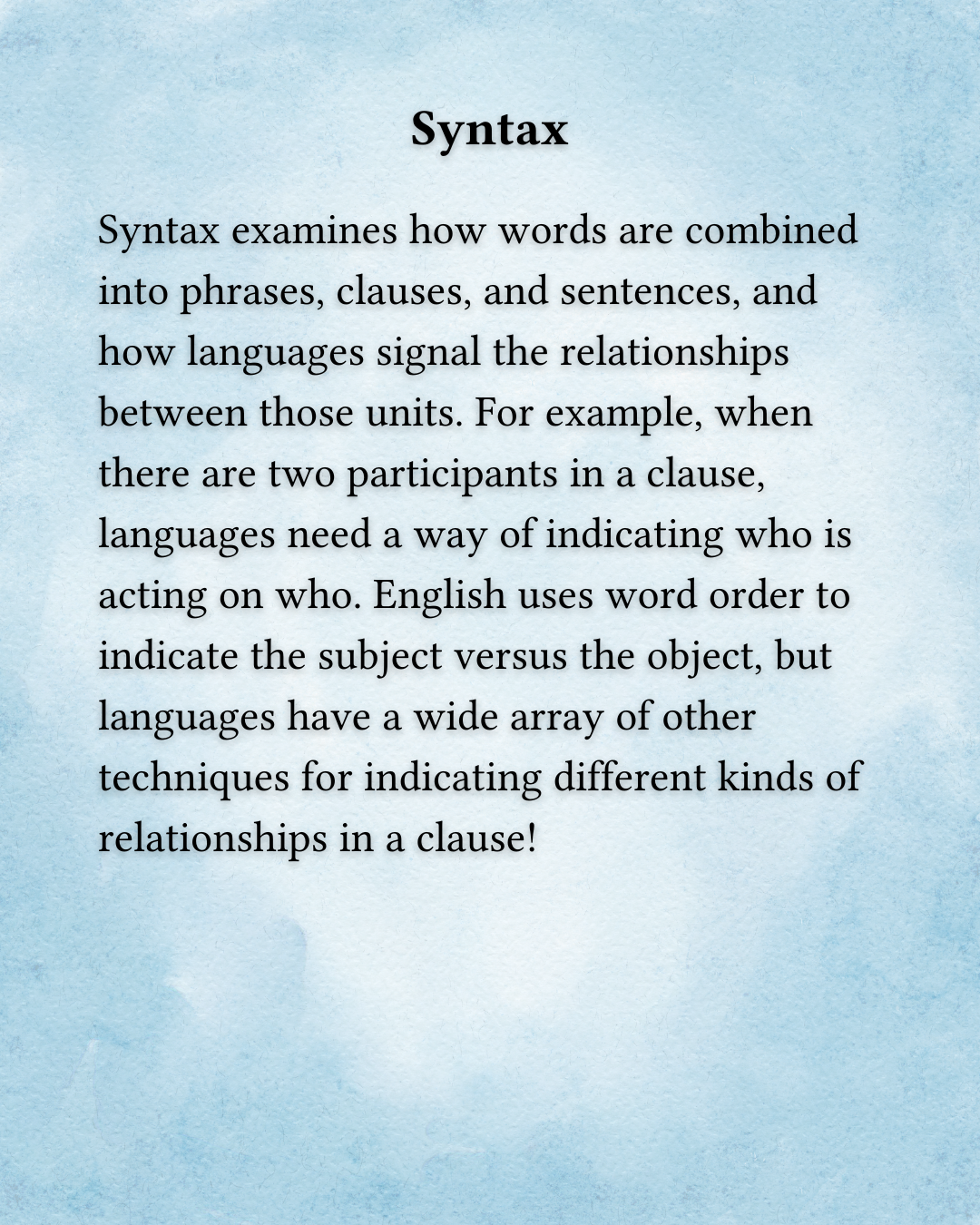
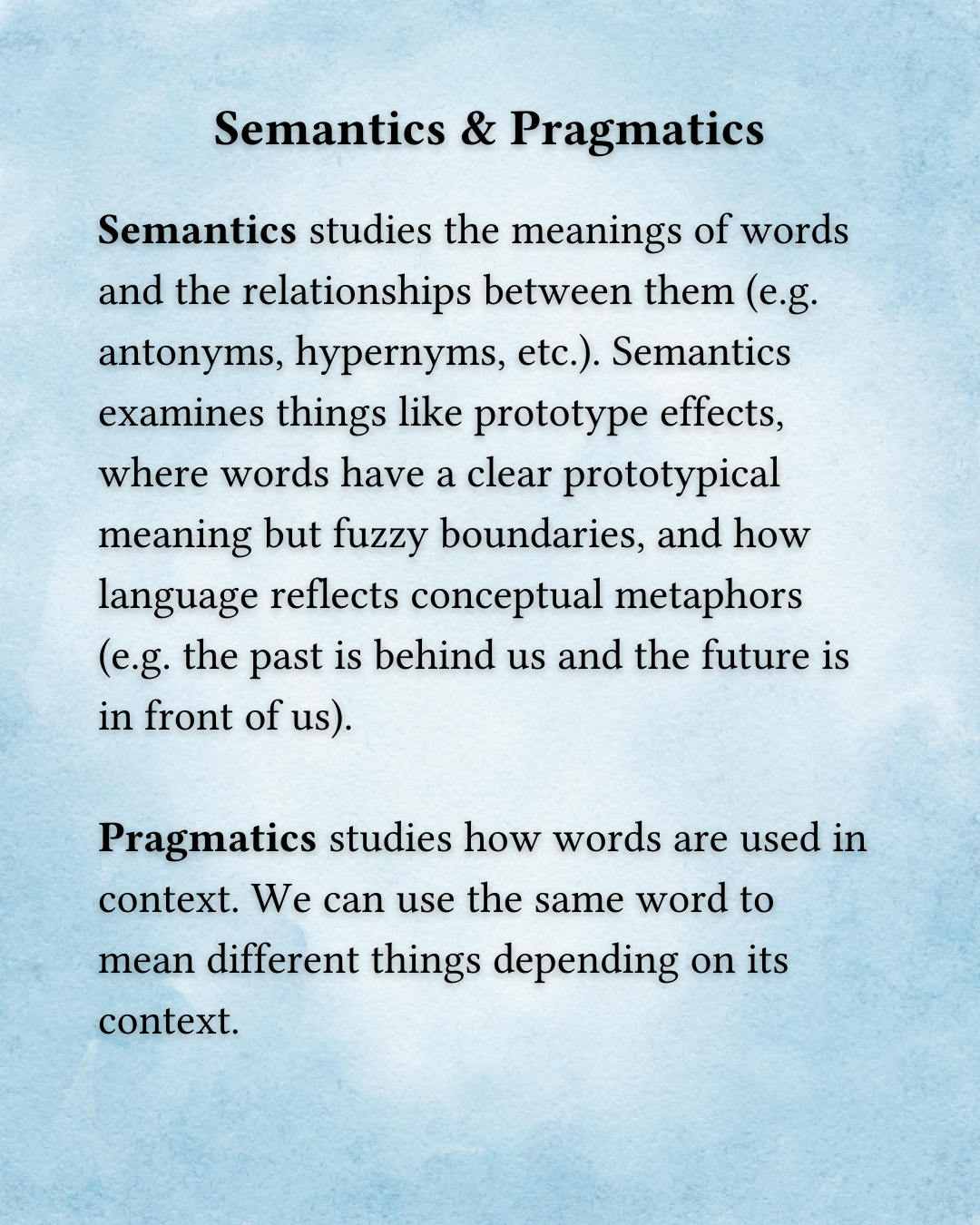
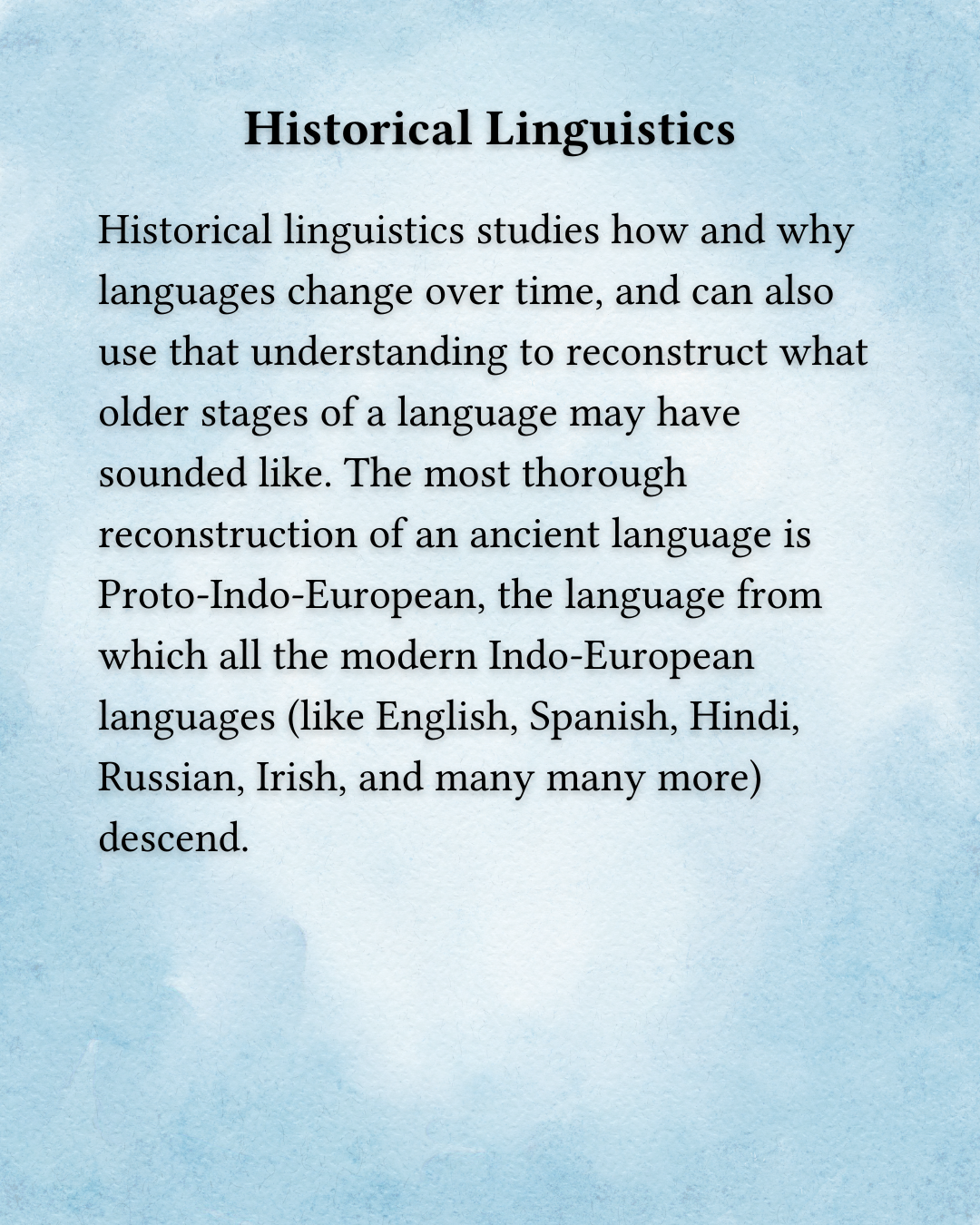
What is linguistics? (Part 1)
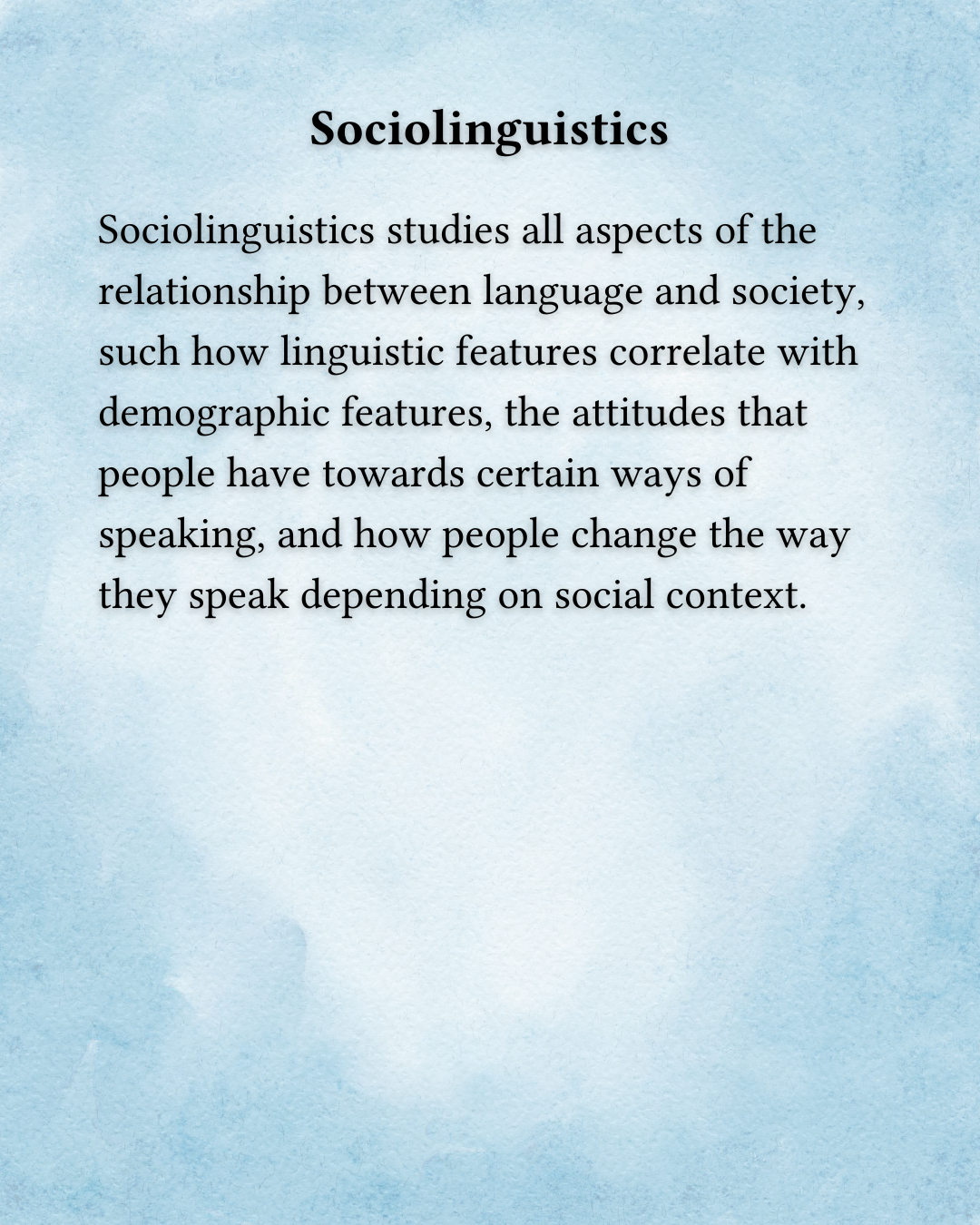
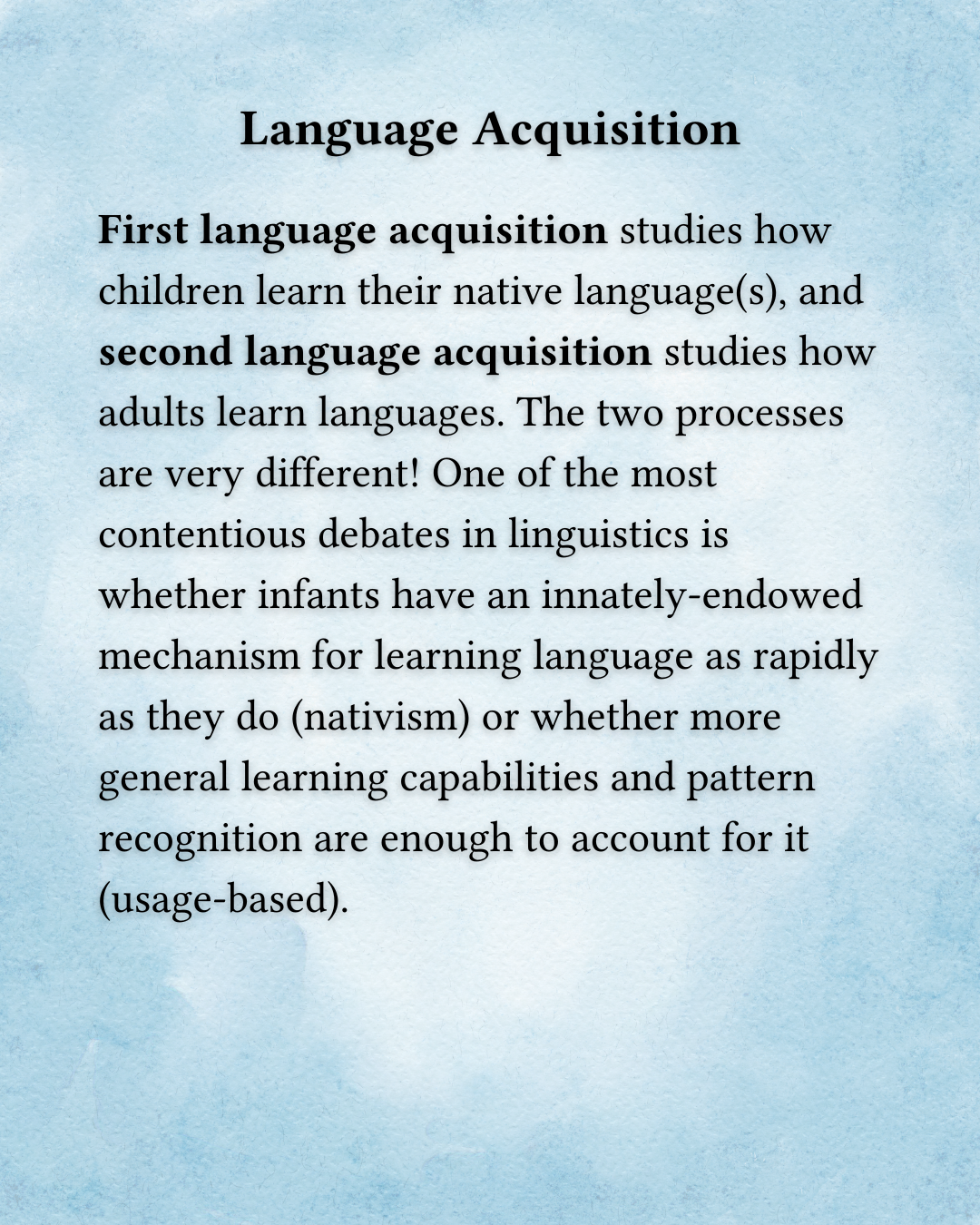
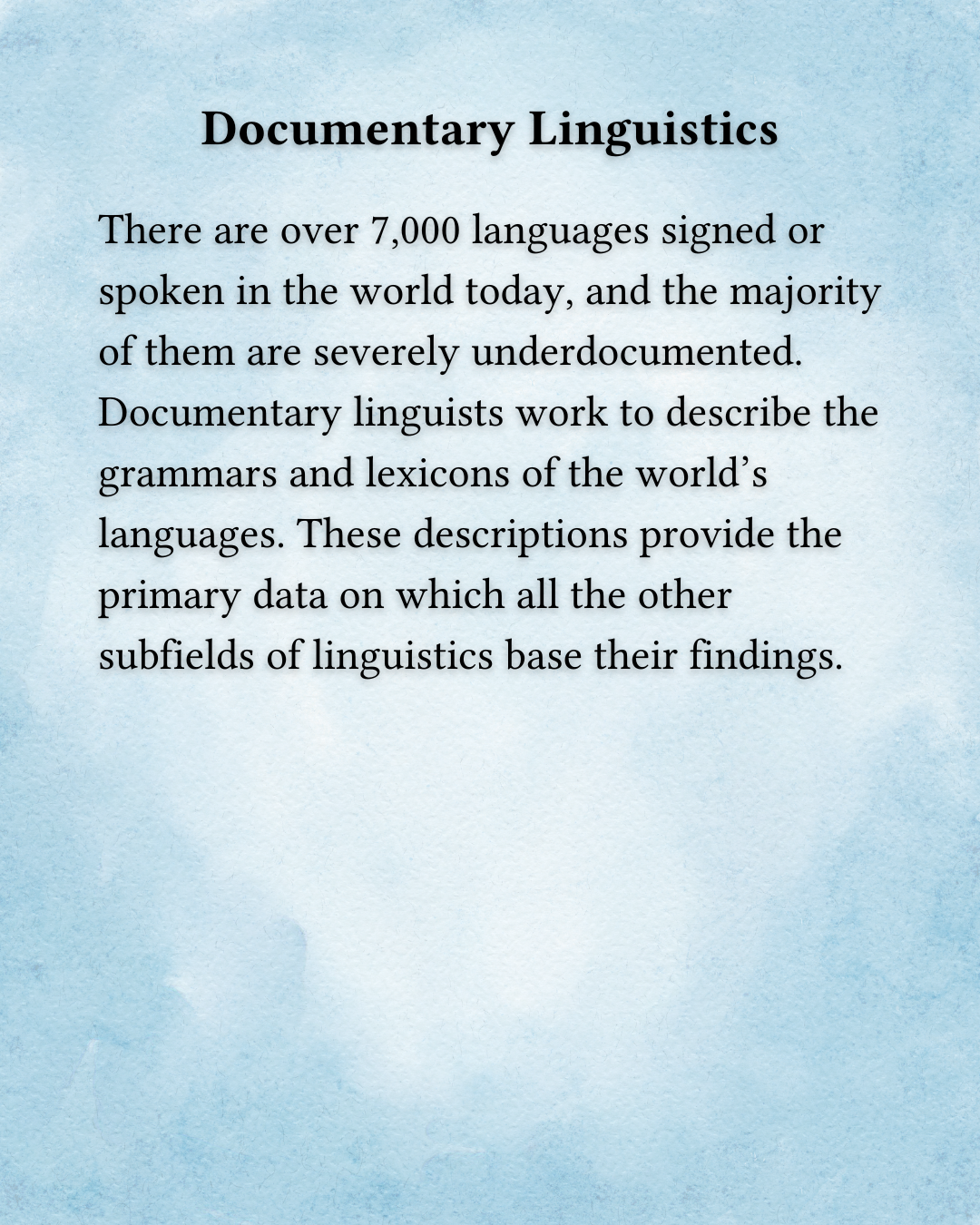
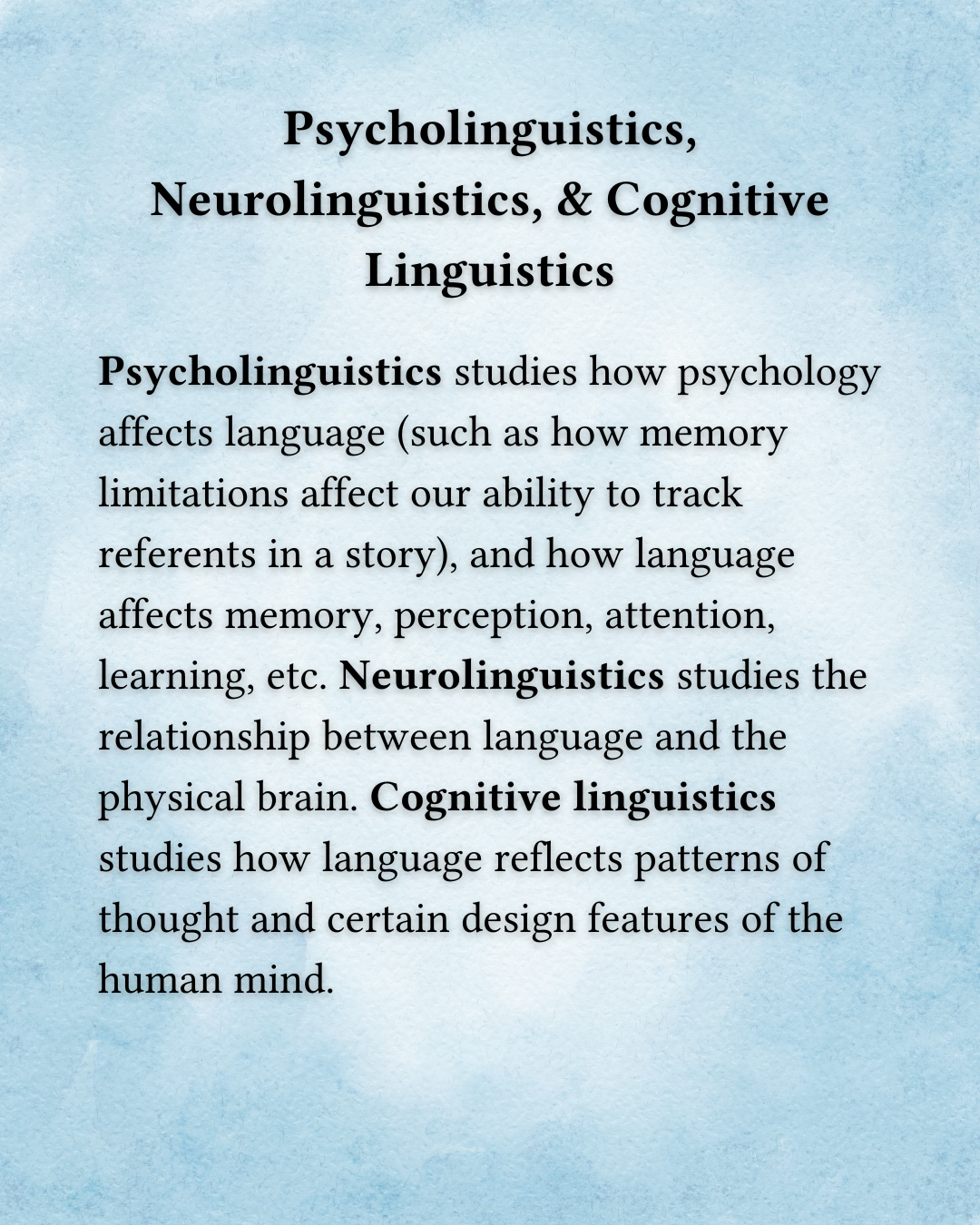
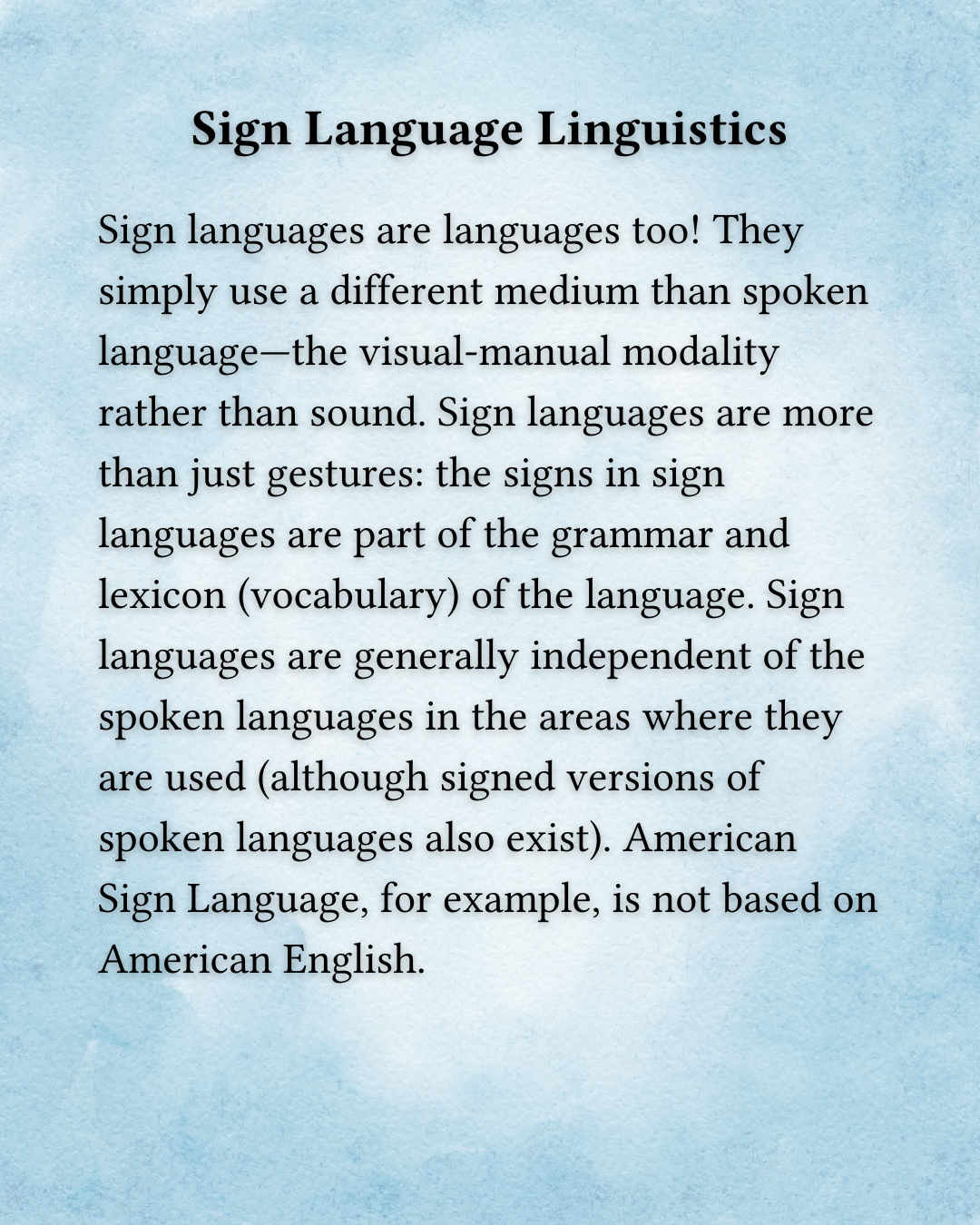
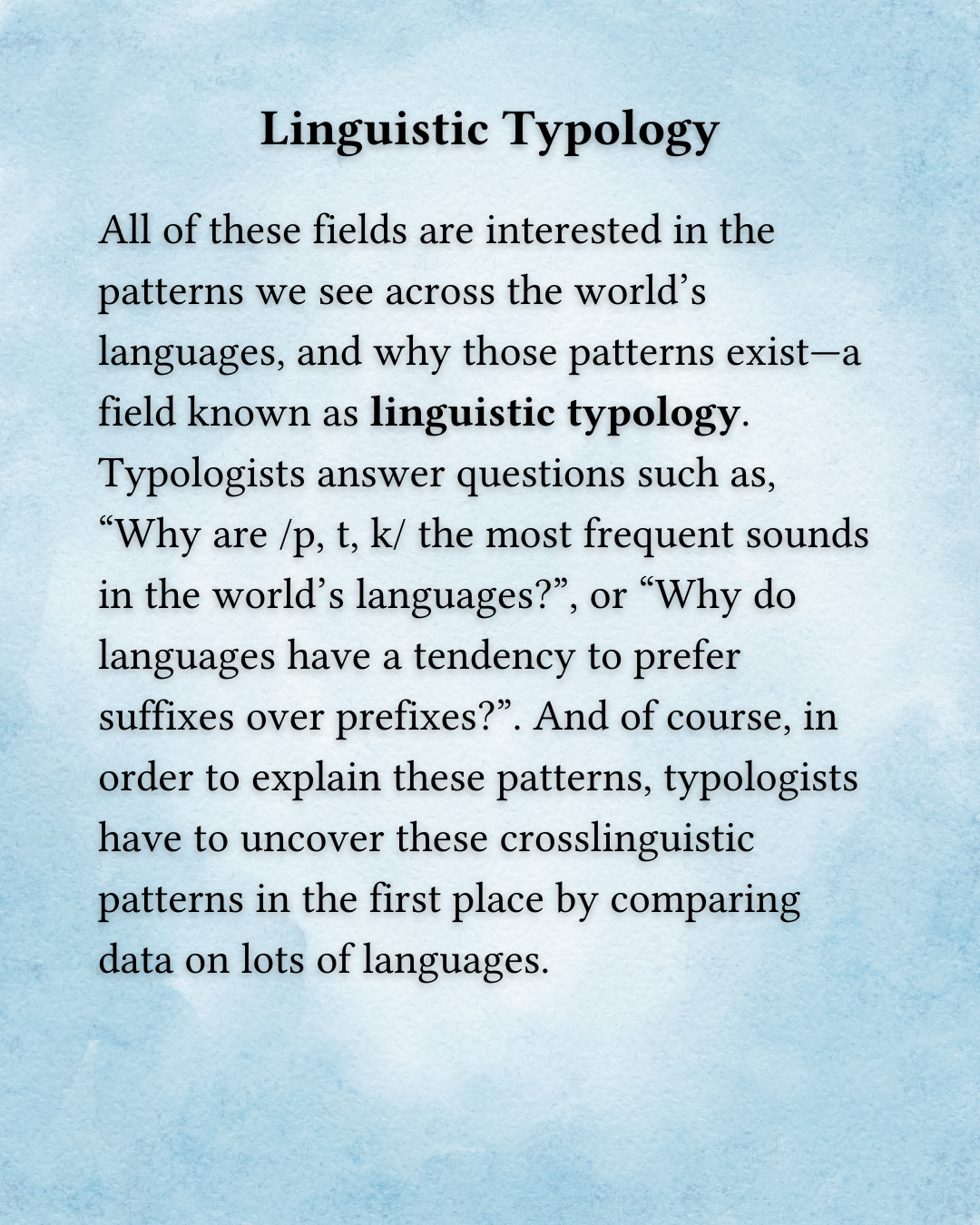
What is linguistics? (Part 2)
Mapping Black Language
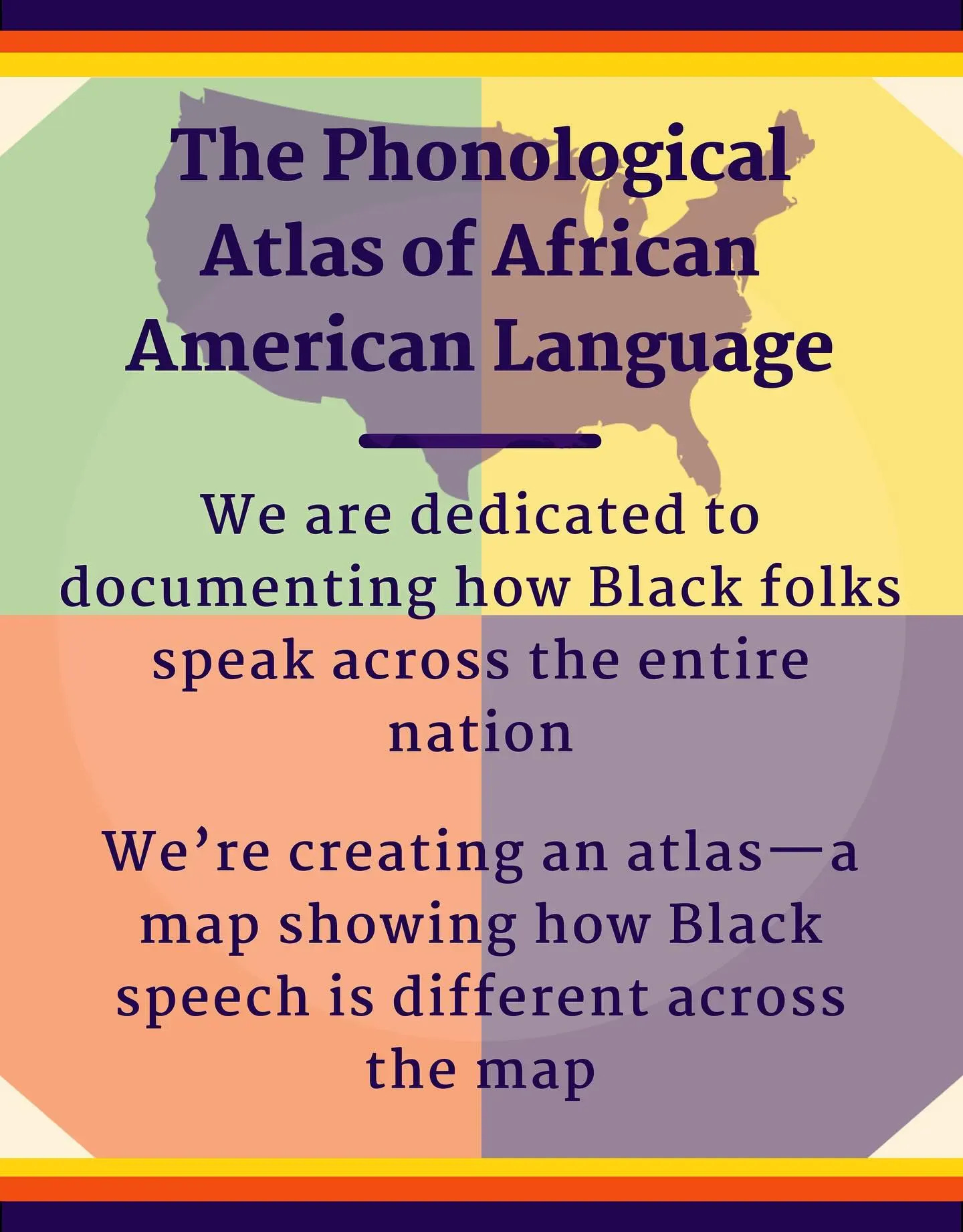
The Mapping Black Language project is working to document how Black Americans speak, and how their language shifts and varies—and they’re looking for people to interview!
If you identify as African American and are 18–44 years old, you can participate in a 45-minute virtual interview and receive a $20 Visa e-gift card as a thank you.
You can learn more about the project and sign up for an interview by clicking the button below.
🆕 New from Linguistic Discovery
This week’s content from Linguistic Discovery.
In defense of Dictionary.com’s Word of the Year
When Dictionary.com recently anointed 6-7 as their 2025 Word of the Year, it felt to many like ragebait (which is, ironically, Oxford’s 2025 Word of the Year). The resolution was greeted with furor and frustration by language purists everywhere. “It’s meaningless,” the critics said. “It’s a passing fad.” “It’s not even a word.” But dictionaries are cultural records, not arbiters of lexical correctness. Here’s why 6-7 has earned its place in the dictionary.
 Daniel W. Hieber, Ph.D.
Semantic change in borrowed words
I reposted an older video this week about how and why the meanings of words change when we borrow them from other languages:
📰 In the News
Language and linguistics in the news.
Oxford chooses ragebait as the 2025 Word of the Year
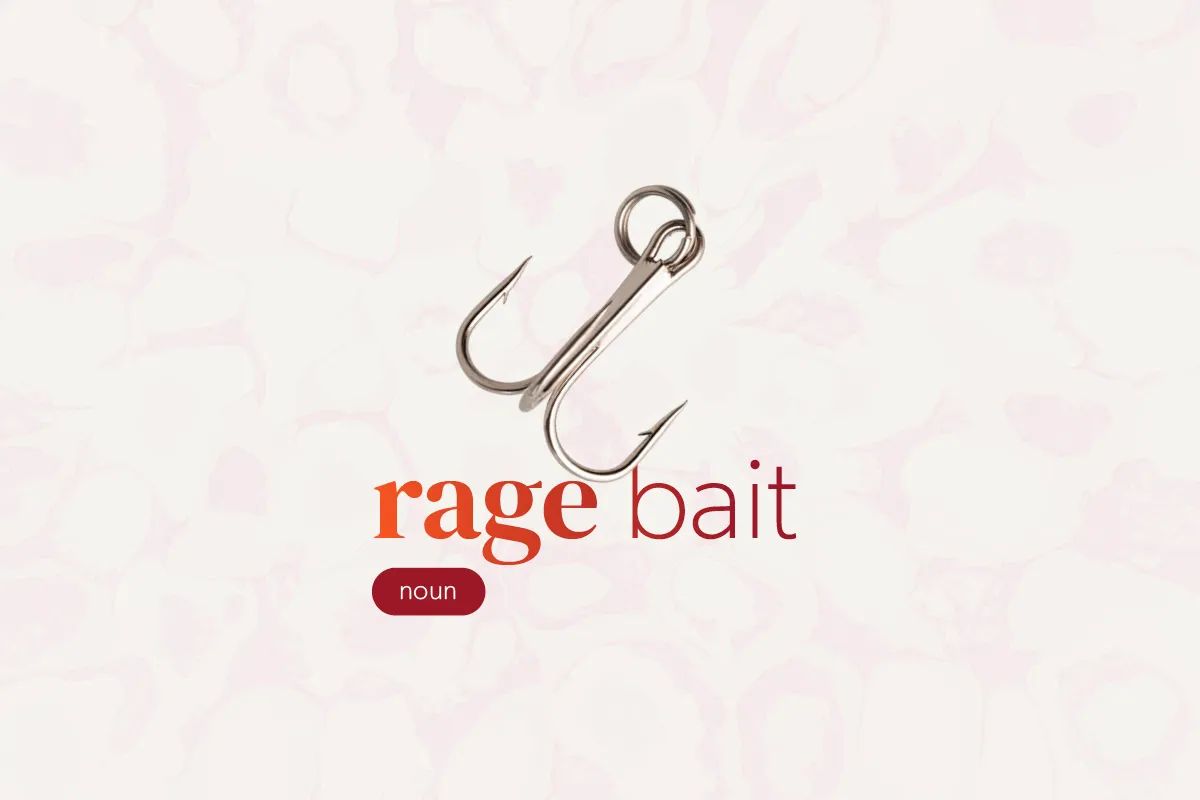
Oxford University Press has chosen “rage bait” — defined as “online content deliberately designed to elicit anger or outrage by being frustrating, provocative or offensive” — as its 2025 Word of the Year.
“Rage bait,” which triumphed over the more upbeat “biohack” and “aura farming,” goes back at least to 2002, when it appeared in a post on a Usenet discussion group to describe a particular kind of driver reaction to being flashed by another driver seeking to pass. Since then, it has become an increasingly common slang term for an attention-seeking form of online behavior.
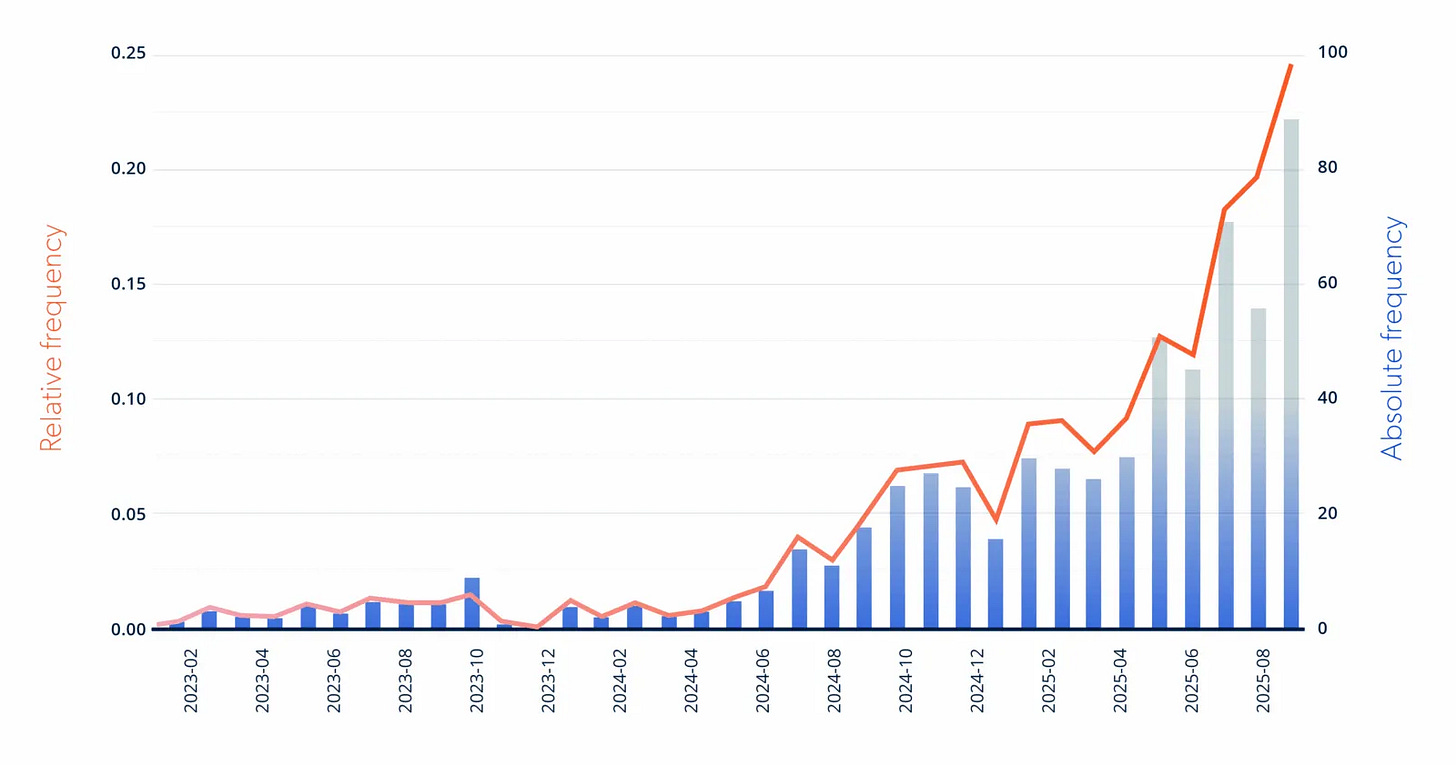
Over the past year, according to Oxford’s data, frequency of use spiked by a factor of three. The two-syllable open-compound word lands with blunt force. It also sparks an immediate “aha.”
“Even if people have never heard it before, they instantly know what it means,” Casper Grathwohl, the president of Oxford Languages, said in an interview. “And they want to talk about it.”
Oxford’s Word of the Year, which began in 2004, is based on usage evidence drawn from its continually updated corpus of some 30 billion words, which is compiled from news sources across the English-speaking world. The idea is to identify new or emerging words with social and cultural significance, backed by data.

Skobot: A robot designed to help preserve indigenous languages
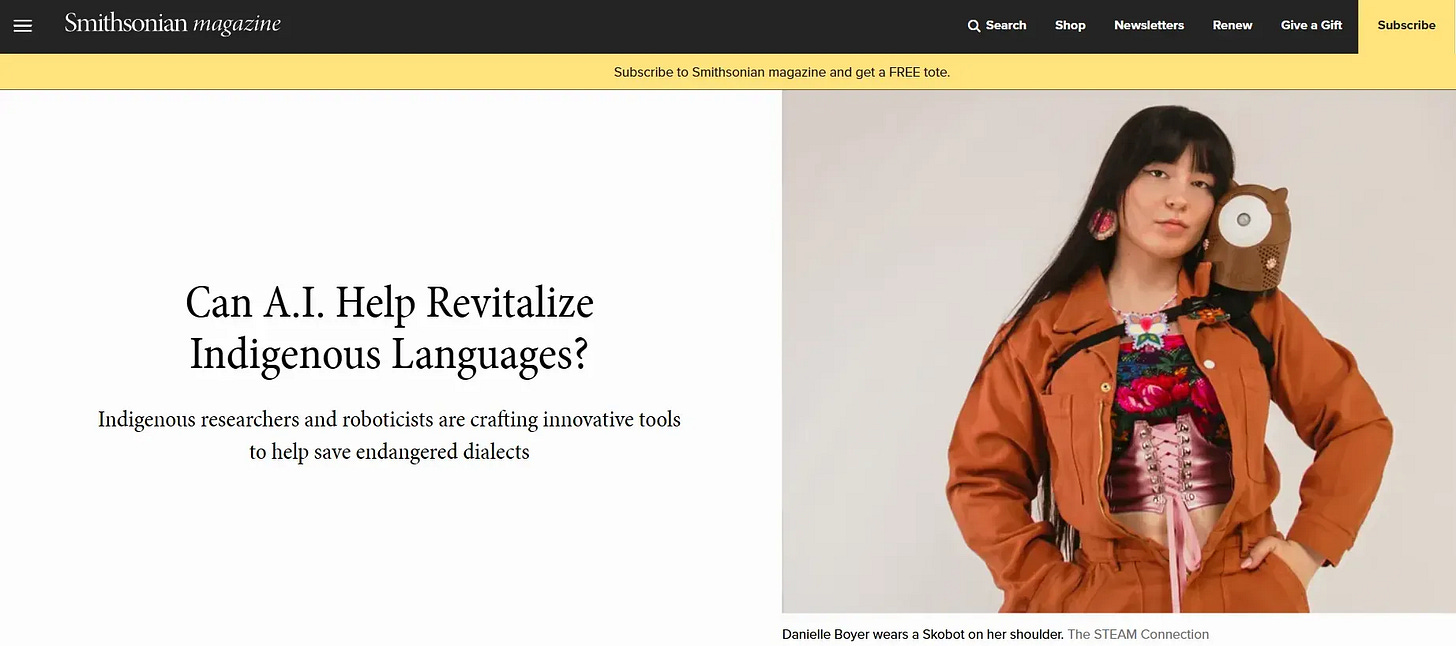
Danielle Boyer, a 24-year-old Anishinaabe roboticist, designed the “Skobot” to converse in endangered Indigenous languages, thereby helping to keep them alive. Made of brightly colored plastic, the bots are customizable and often adorned with accessories from pink tutus to top hats. Growing up below the poverty line in Michigan, Boyer was inspired to make technical education more accessible to Indigenous youth like herself. Her charity helps distribute the Skobots and teach students about robotics and innovation. Her creation joins a new and burgeoning group of initiatives that utilize A.I. language tools to preserve dying or endangered languages, with some arguing that such technology shows promise for endangered Indigenous languages in particular.
- Can A.I. help revitalize indigenous languages? Indigenous researchers and roboticists are crafting innovative tools to help save endangered dialects (Smithsonian Magazine)
- (Quick note: Smithsonian Magazine uses the term “dialects” in the title of this article, but they really should have written “languages”. They’re using the term dialect to essentially mean ‘minority language’ here, which is a somewhat pejorative way of referring to languages since it implies that they are not “real” languages in the same way that standard/majority languages are, but merely “dialects”. See this section of the Wikipedia article on dialects for more detail.)
 Clare Duffy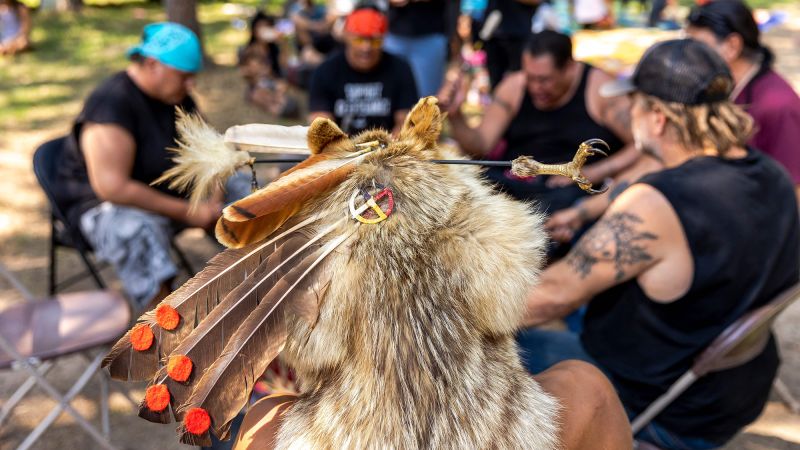
🗞️ Current Linguistics
Recently published research in linguistics.
Whales use “vowels”, new research finds
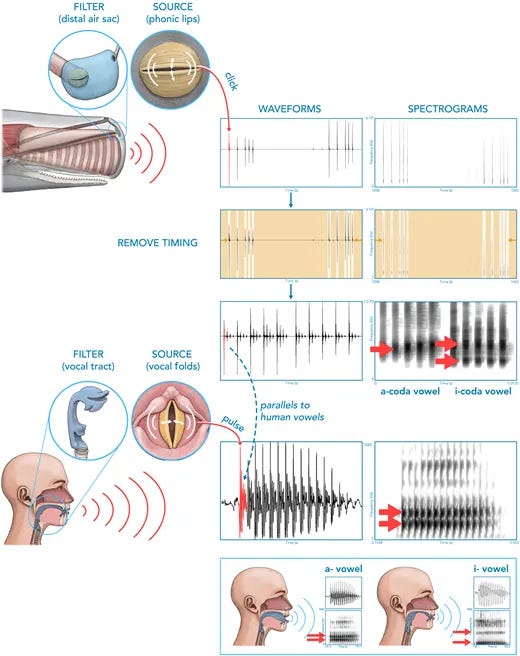
Project CETI (the Cetacean Translation Initiative) at UC Berkeley is interested in the similarities between human and cetacean (whales, dolphins, and porpoises) vocalizations. In recent work, researchers found that sperm whale calls may be far more complex than previously thought, featuring vowel-like sounds that resemble elements of human speech.
UC Berkely also put out a video summarizing this research on Instagram and YouTube:
 Aubrey Spowart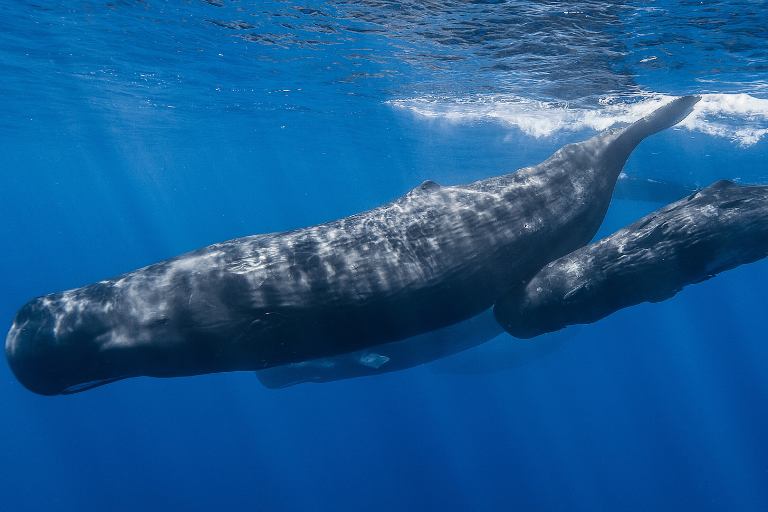
- Beguš et al. 2025. Vowel- and diphthong-like spectral patterns in sperm whale codas. Open Mind 9: 1849–1874. DOI: https://doi.org/10.1162/OPMI.a.252.
6,000-year-old Mesopotamian seals linked to the dawn of writing
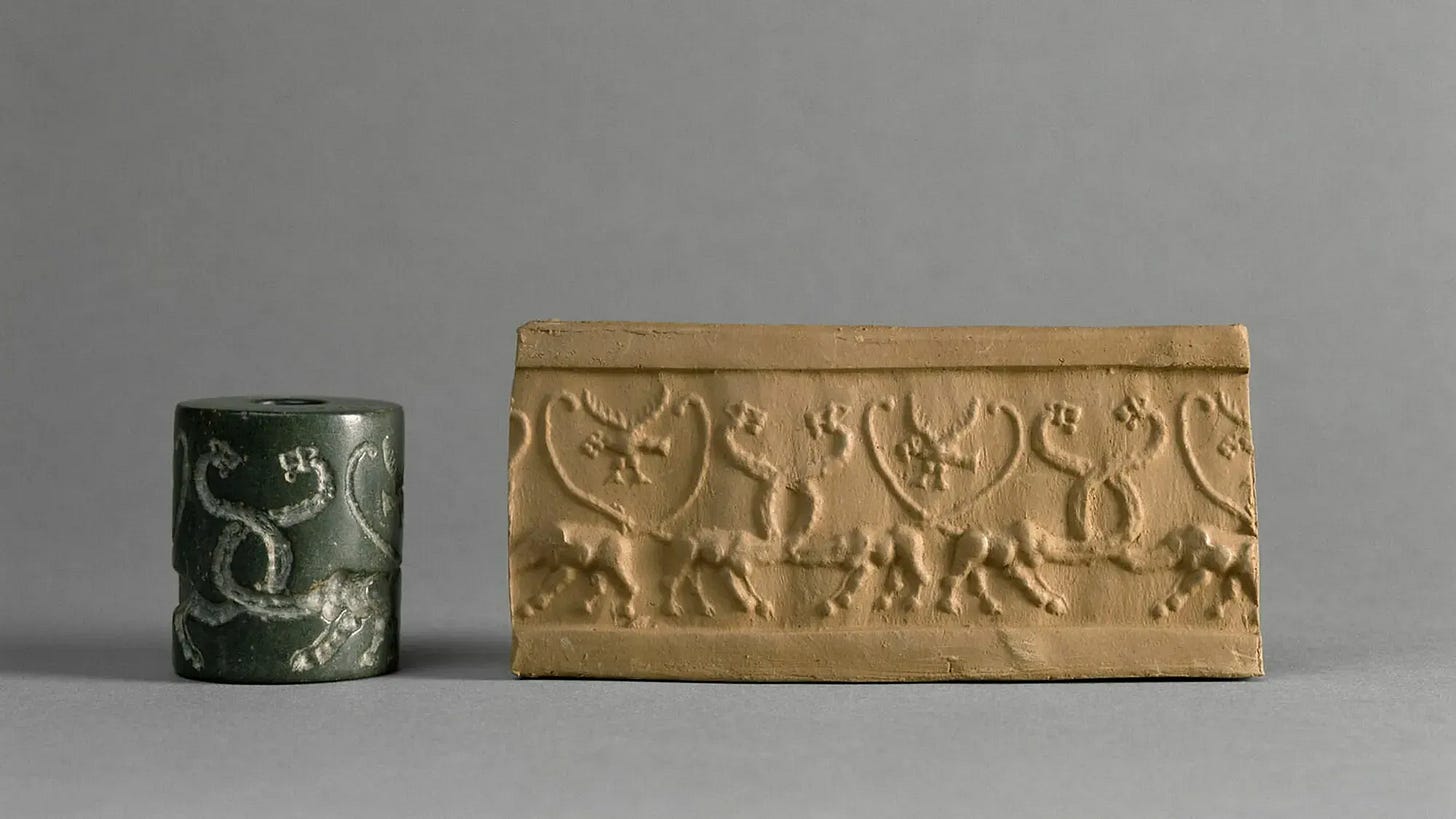
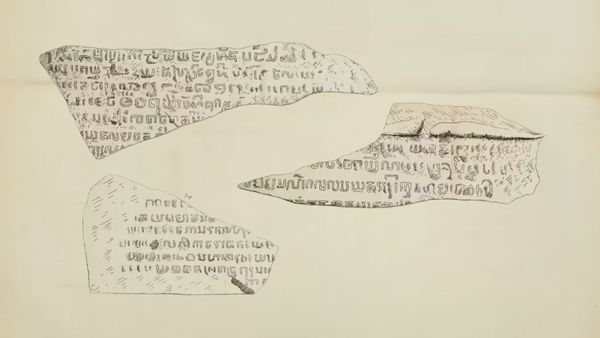
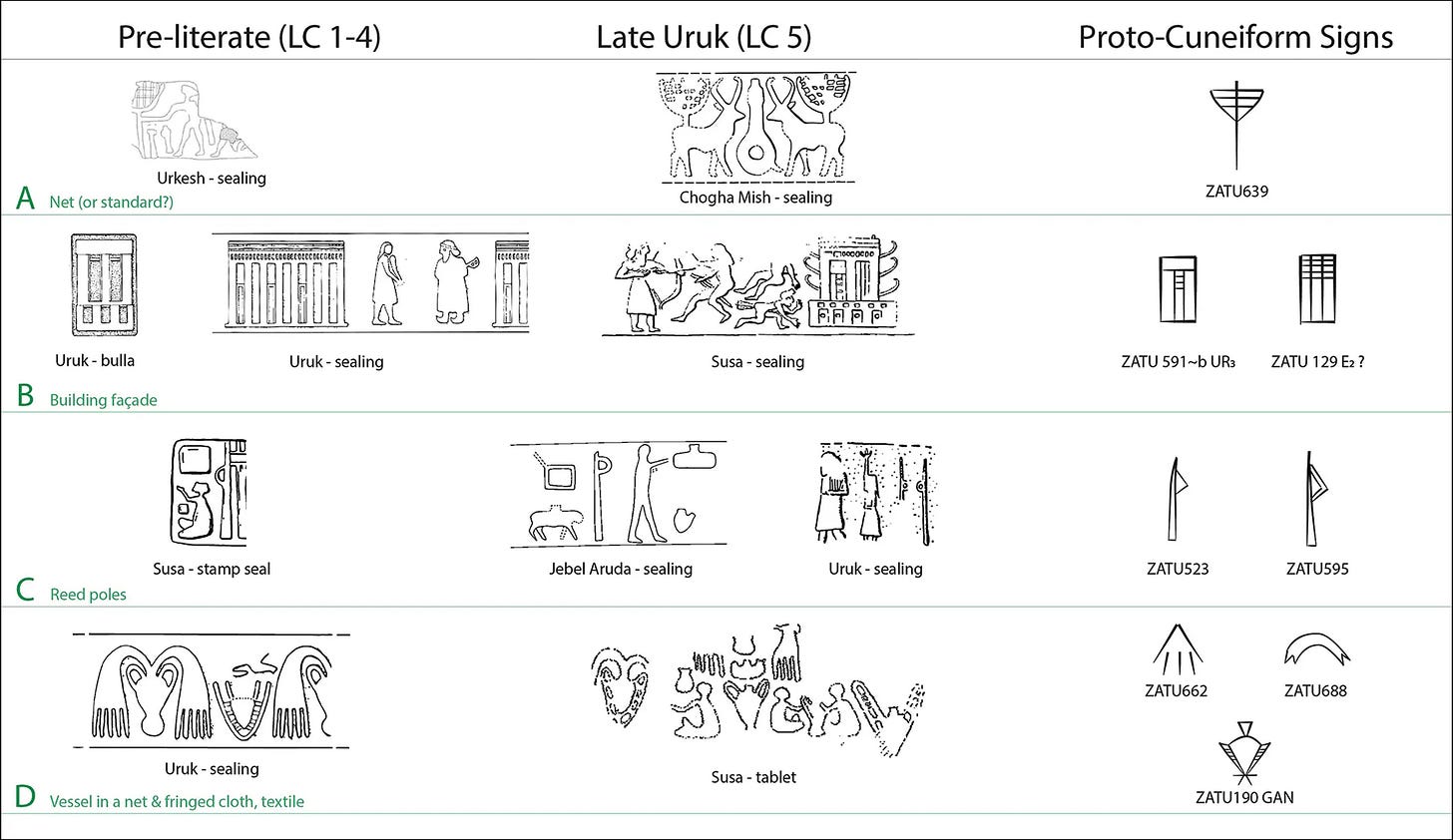
A team of archaeologists has identified correlations between the designs of seals used before the origin of writing (like that in the image above) and later proto-cuneiform signs (the earliest writing). The tablets were found in the ancient city of Uruk, tucked between the Tigris and Euphrates rivers in present-day Iraq, which was the cultural center of the Sumer civilization.
Beginning around the mid-fourth millennium BCE, around Uruk’s halcyon period, cylinder seals like these were used as part of an accounting system. The system tracked the production, storage, and transport of various consumer goods in and out of the city, particularly agricultural and textile products. The archaeologists found correlations between the use of this cylinder seal system and the eventual invention of writing. For example, a proto-cuneiform symbol designated as ZATU639 is comparable in both shape and context to an impression of a bull found on the cylinders.
 Laura Baisas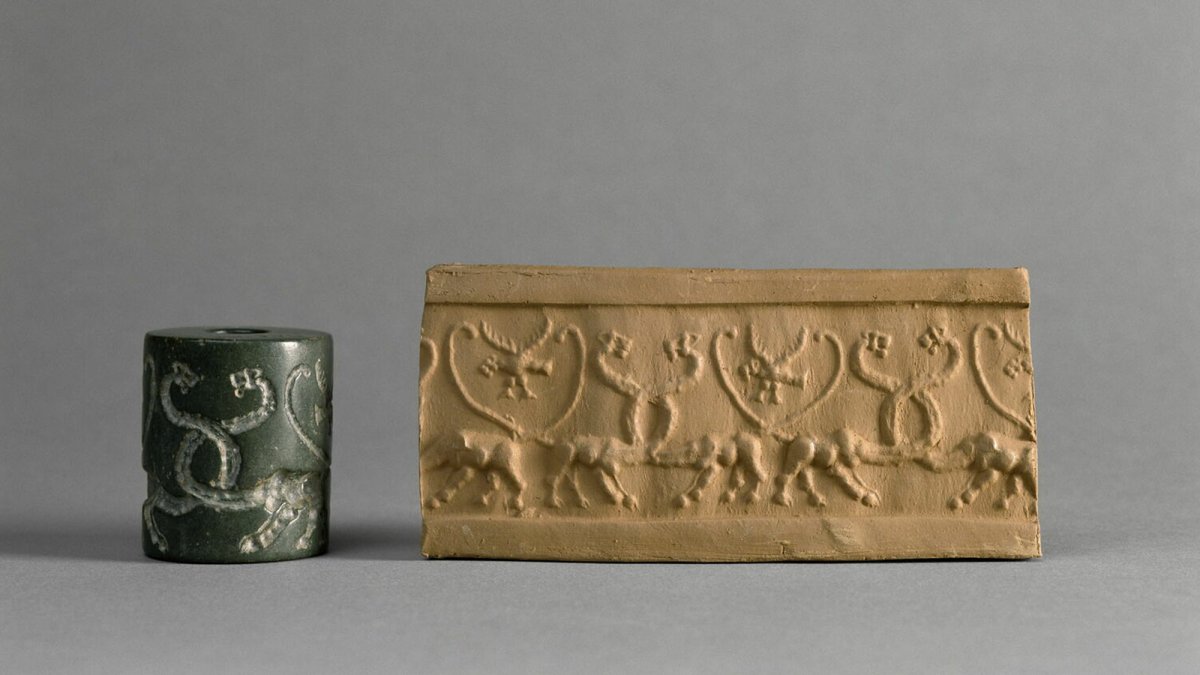
 Kathryn Kelley
📃 This Week’s Reads
Interesting articles I’ve come across this week.
 Colin Gorrie
 Laura Spinney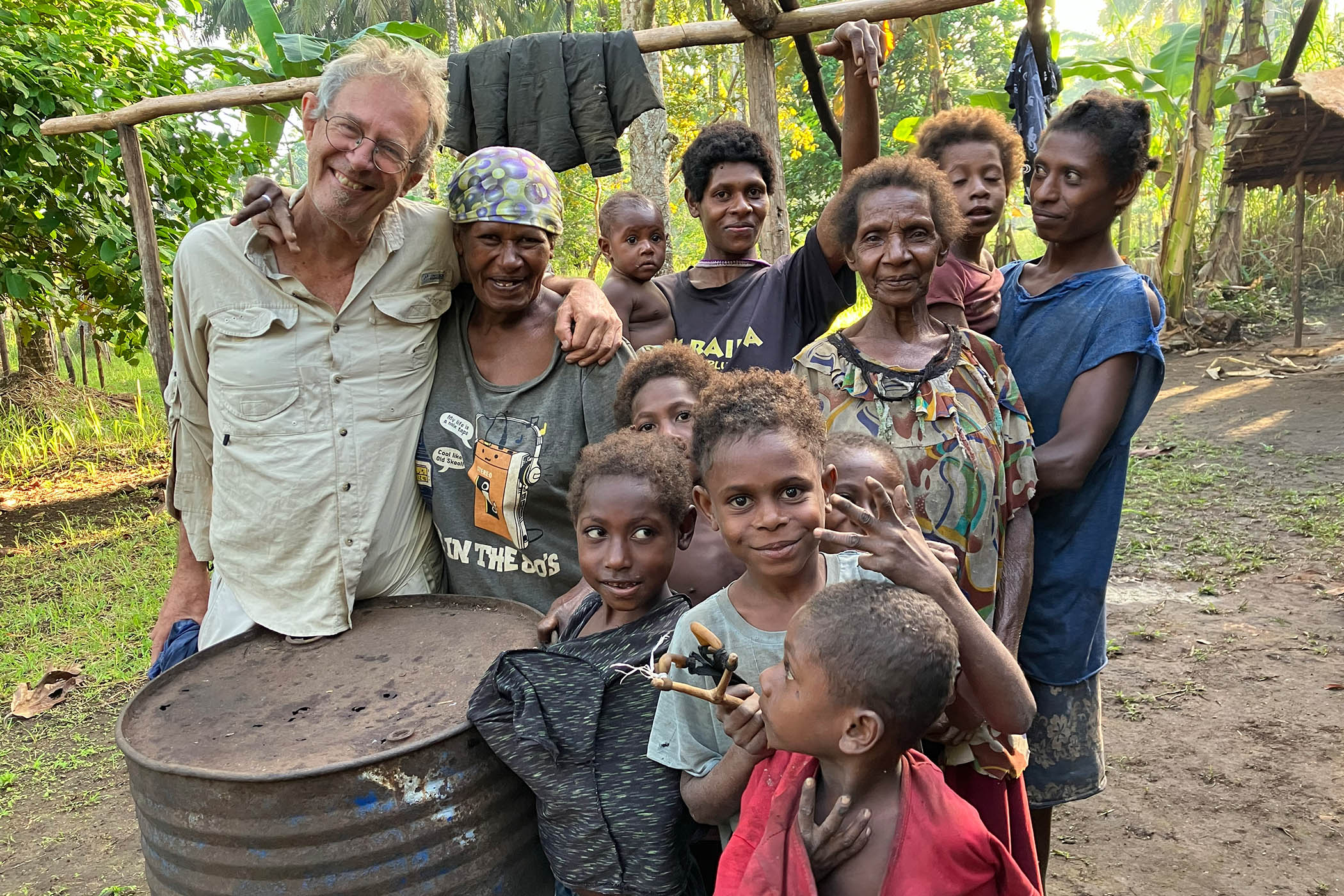
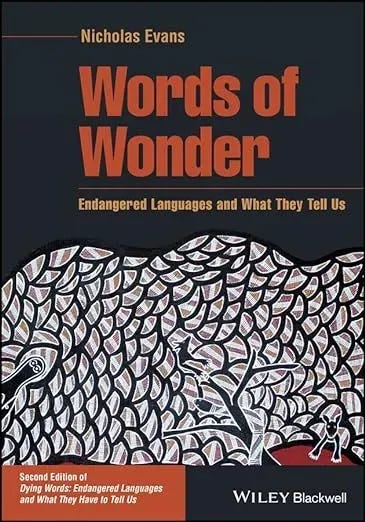
- Nicholas Evans has spent decades trying to decipher the undocumented tongues of Papua New Guinea and Australia. His work has redefined the way we think about human communication. He is also the author of a fantastic book about endangered languages called Words of wonder: Endangered languages and what they tell us (Amazon | Bookshop.org).
 Olivia Thayer, M.A.
- Here’s some additional reporting from the New York Times about the potential decipherment of the glyphs at Teotihuacan, which I discussed in a recent issue of the digest.
- This newly deciphered papyrus scroll reveals the location of Plato’s grave (Smithsonian Magazine)
- This is a development that came out of efforts to use AI to read the scorched scrolls of Herculaneum back in 2024, which I reported in an issue of this digest earlier this year.
📚 Books & Media
New (and old) books and media touching on language and linguistics.
I’ve got some linguistics-adjacent fiction reads for you this week:
Native Tongue
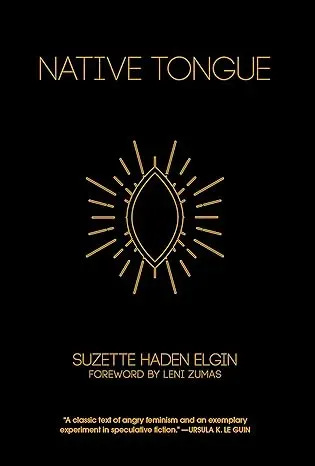
Originally published in 1984, Native Tongue is a dystopian trilogy about the power of language and women’s collective action.
In 2205, the 19th Amendment has long been repealed and women are only valued for their utility. The Earth’s economy depends on an insular group of linguists who “breed” women to be perfect interstellar translators until they are sent to the Barren House to await death. But instead, these women are slowly creating a language of their own to make resistance possible. Ignorant to this brewing revolution, Nazareth, a brilliant linguist, and Michaela, a servant, both seek emancipation in their own ways. But their personal rebellions risk exposing the secret language, and threaten the possibility of freedom for all.
Embassytown
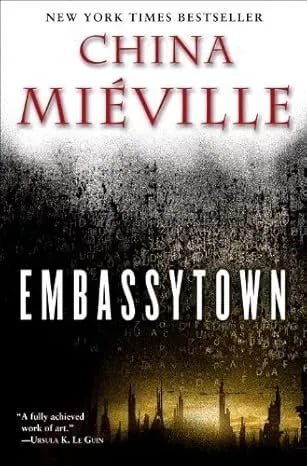
In Embassytown, China Miéville describes the Arieki, a race of creatures that have bodies but whose edges are ill-defined and in flux. However, it is in their extreme language distance from the human visitors that the novel offers an insight for the xenolinguist. The Arieki can only communicate if they are convinced that there is an intention behind someone’s speech, and since they seem to have doubled minds and to speak simultaneously with their mouths and stomachs, they simply do not hear any human speaking to them in anything other than noises. They don’t even believe we are individually conscious. The humans on Arieka have genetically cloned Ambassador couples whose twin minds and ability to speak simultaneously convince the Arieki they are persons. ~ “How to speak Venusian”, by Peter Stockwell (Babel: The Language Magazine No. 1)
The dictionary of lost words
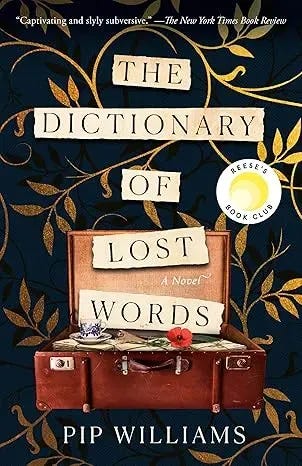
A novel about the making of the Oxford English Dictionary may not seem like the most riveting reading material, but The dictionary of lost words became a New York Times bestseller when it was released in 2020 and has received wide acclaim and numerous awards. It’s been described as “A marvelous fiction about the power of language to elevate or repress.” Here’s the publisher’s blurb:
Esme is born into a world of words. Motherless and irrepressibly curious, she spends her childhood in the Scriptorium, an Oxford garden shed in which her father and a team of dedicated lexicographers are collecting words for the very first Oxford English Dictionary. Young Esme’s place is beneath the sorting table, unseen and unheard. One day a slip of paper containing the word bondmaid flutters beneath the table. She rescues the slip and, learning that the word means “slave girl,” begins to collect other words that have been discarded or neglected by the dictionary men.
👋🏼 Til next week!
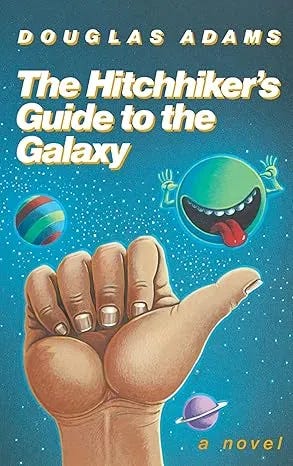
I was reminded recently of one of my favorite fun bits of linguistics in science fiction: the discussion of tenses for time travelers in The Restaurant at the End of the Universe, the second book in Douglas Adams’ beloved Hitch-hiker’s Guide to the Galaxy series. So I’ll end this week by leaving this here for your reading pleasure:
The Restaurant at the End of the Universe is one of the most extraordinary ventures in the history of catering. It has been built on the fragmented remains of… it will be built on the fragmented… that is to say it will have been built by this time, and indeed has been—
One of the major problems encountered in time travel is not that of becoming your own father or mother. There is no problem in becoming your own father or mother that a broad-minded and well-adjusted family can’t cope with. There is no problem with changing the course of history—the course of history does not change because it all fits together like a jigsaw. All the important changes have happened before the things they were supposed to change and it all sorts itself out in the end.
The major problem is simply one of grammar, and the main work to consult in this matter is Dr. Dan Streetmentioner’s Time Traveler’s Handbook of 1001 Tense Formations. It will tell you, for instance, how to describe something that was about to happen to you in the past before you avoided it by time-jumping forward two days in order to avoid it. The event will be described differently according to whether you are talking about it from the standpoint of your own natural time, from a time in the further future, or a time in the further past and is further complicated by the possibility of conducting conversations while you are actually traveling from one time to another with the intention of becoming your own mother or father.
Most readers get as far as the Future Semiconditionally Modified Subinverted Plagal Past Subjunctive Intentional before giving up; and in fact in later additions of the book all pages beyond this point have been left blank to save on printing costs.
The Hitchhiker’s Guide to the Galaxy skips lightly over this tangle of academic abstraction, pausing only to note that the term “Future Perfect” has been abandoned since it was discovered not to be.
To resume:
The Restaurant at the End of the Universe is one of the most extraordinary ventures in the history of catering.
It is built on the fragmented remains of an eventually ruined planet which is (wioll haven be) enclosed in a vast time bubble and projected forward in time to the precise moment of the End of the Universe.
This is, many would say, impossible.
In it, guests take (willan on-take) their places at table and eat (willan on-eat) sumptuous meals while watching (willing watchen) the whole of creation explode around them.
This, many would say, is equally impossible.
You can arrive (mayan arrivan on-when) for any sitting you like without prior (late fore-when) reservation because you can book retrospectively, as it were, when you return to your own time (you can have on-book haventa forewhen presooning returningwenta retrohome).
This is, many would not insist, absolutely impossible.
At the restaurant you can meet and dine with (mayan meetan con with dinan on when) a fascinating cross-section of the entire population of space and time.
This, it can be explained patiently, is also impossible.
You can visit it as many times as you like (mayan on-visit re-onvisiting… and so on - for further tense correction consult Dr. Streetmentioner’s book) and be sure of never meeting yourself, because of the embarrassment this usually causes.
This, even if the rest were true, which it isn’t, is patently impossible, say the doubters.
All you have to do is deposit one penny in a savings account in your own era, and when you arrive at the End of Time the operations of compound interest means that the fabulous cost of your meal has been paid for.
This, many claim, is not merely impossible but clearly insane, which is why the advertising executives of the star system of Bastablon came up with this slogan: “If you’ve done six impossible things this morning, why not round it off with breakfast at Milliways, the Restaurant at the End of the Universe?”
If you’d like to support Linguistic Discovery, purchasing through these links is a great way to do so! I greatly appreciate your support!
Check out my Amazon storefront here.
Check out my Bookshop storefront here.