Some dogs learn word categories like human toddlers do
Also this week: The California Language Archives receives a treasure trove of new materials on Pomoan languages. Here's what happened this week in language and linguistics.


Welcome to this week’s edition of Discovery Dispatch, a weekly roundup of the latest language-related news, research in linguistics, interesting reads from the week, and newest books and other media dealing with language and linguistics!
📢 Updates & Announcements
Announcements and what’s new with me and Linguistic Discovery.
Tell me what you think about the newsletter!

I’ve been publishing this newsletter for almost a year now! So this seems like a felicitous moment to get your feedback on how this first year has been, things you like about the newsletter, areas it could improve, etc. I’ve put together a quick survey (20 questions, ~5 minutes) for you to give your feedback:
You’re also welcome to simply email me your thoughts here!
Thank you so much for taking the time to read this newsletter each week, and an especially huge thank you to those of you whose financial support helps keep the newsletter running. The costs of running Linguistic Discovery aren’t insignificant (graphic design software, website hosting, a Notion subscription, video editing software, etc.), and I still don’t have very many paid supporters, so your individual support really has made a big difference in keeping this sustainable. Thank you 🙏🏼
If you aren’t yet a supporter and would like to become one, you can do so for $5 USD/mo. by clicking the button below. Paying supporters get occasional bonus articles and early access to articles as well as my in-progress book projects.
🆕 New from Linguistic Discovery
This week’s content from Linguistic Discovery.
Why Old Latin writing looks like Greek
I dug up an old video recently (I’ve been slowly cataloguing my old videos) inspired by a wild conspiracy theorist on TikTok who believes that the Latin language is a hoax invented by the Catholic church in the 1500s. Her antics turned out to be a great teaching moment about how writing systems spread. Here’s my video response:
📰 In the News
Language and linguistics in the news.
Pomoan Languages at the California Language Archive
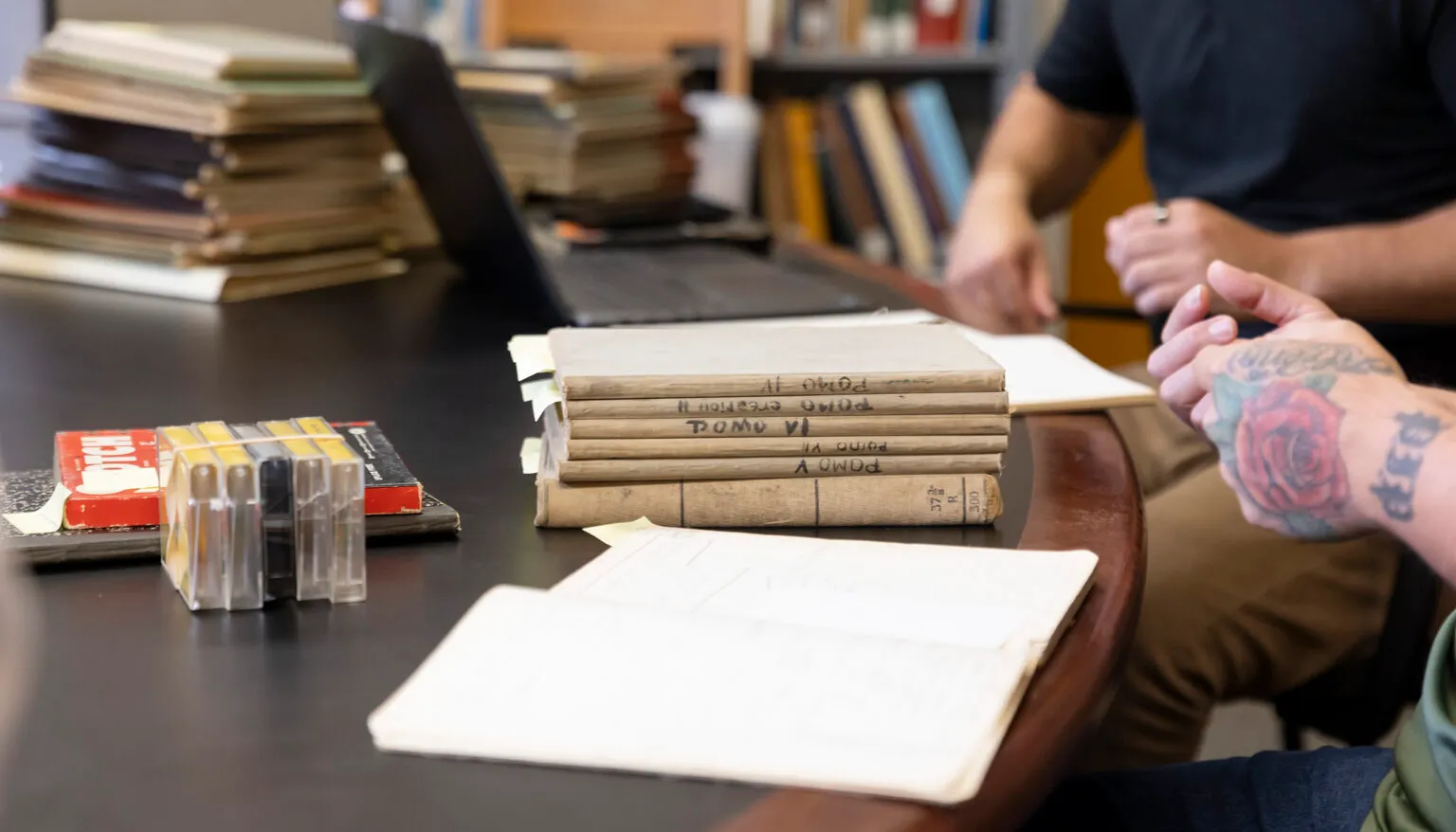
For 50 years, linguist Sally McLendon worked to document the Native Pomoan languages of California. Now, her trove of materials is being accessioned at the California Language Archive at UC Berkeley, where it’s helping shape the future of the Pomoan languages.
UC Berkeley News has a great write-up about these materials and the Archive’s work:
 Jason Pohl, Anne Brice
And the Berkeley Voices podcast, about the people and research happening at UC Berkeley, has an episode dedicated to this work:
 Anne Brice, Jason Pohl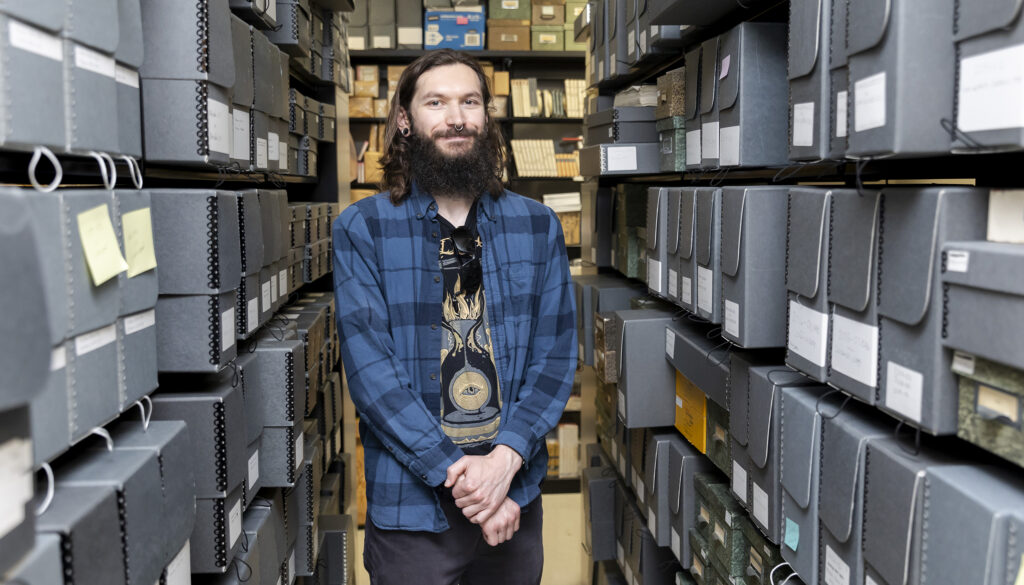
How Wiki for Minorities is helping preserve languages in Nigeria

In Nigeria, Wiki for Minorities is helping contributors use Wikipedia and its sister projects to document, bring awareness, and digitally preserve languages considered minor or small in terms of speaker populations, documentation, and institutional support.
Through training sessions, edit-a-thons, and digital literacy workshops, volunteers learn the skills needed to contribute to Wikimedia projects – and in turn, they share their stories, culture, and knowledge.
These activities celebrating Nigeria’s diverse culture and languages have led to the creation of more than 450 new Wikipedia articles and the addition of over 600 culturally-relevant photos to Wikimedia Commons.
 Fulani215
🗞️ Current Linguistics
Recently published research in linguistics.
Some dogs can learn categories like human toddlers do

A new study had owners of 10 talented dogs—mostly border collies—teach them words for objects in two categories: tug toys, called “pulls”, and fetch toys, called “throws”. All toys were different in size, shape, and color, so appearance could not guide learning.
After four weeks of training, the researchers introduced brand new toys with a variety of designs. This time the dogs only used the toy, but were not taught words for any of them. After a week of playing with the new toys, the owners then asked the dogs to retrieve either a “pull” or a “throw”. The seven dogs that had completed all experimental phases chose the right toy about two-thirds of the time—well about the 12.5 percent expected for selections by chance.
This parallels how human infants extend meanings to new words as well. At first, babies rely on how things look to understand words, but by age 14 months they can also use the role or function of an object to understand them.
 Anirban Mukhopadhyay
- Fugazza, Sommese, & Miklósi. 2025. Dogs extend verbal labels for functional classification of objects. Current Biology 35(19): DOI: https://doi.org/10.1016/j.cub.2025.08.013.
New study maps how we simultaneously process different words
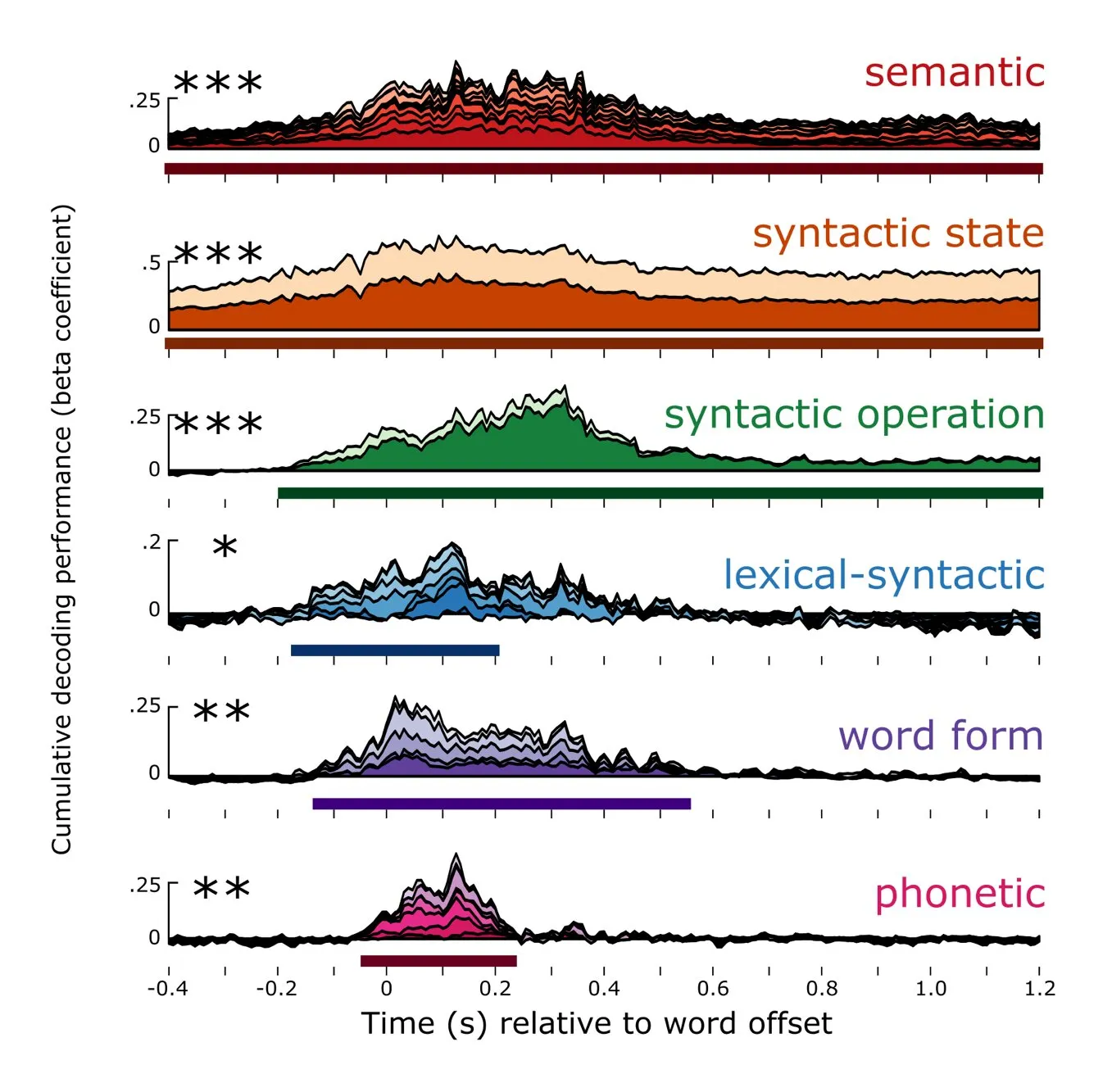
A new study looks at how the brain organizes and interprets information about speech as it unfolds in real time, showing that our brains process both multiple words and multiple types of information (phonetic, syntactic, semantic, etc.) in parallel.
 James Devitt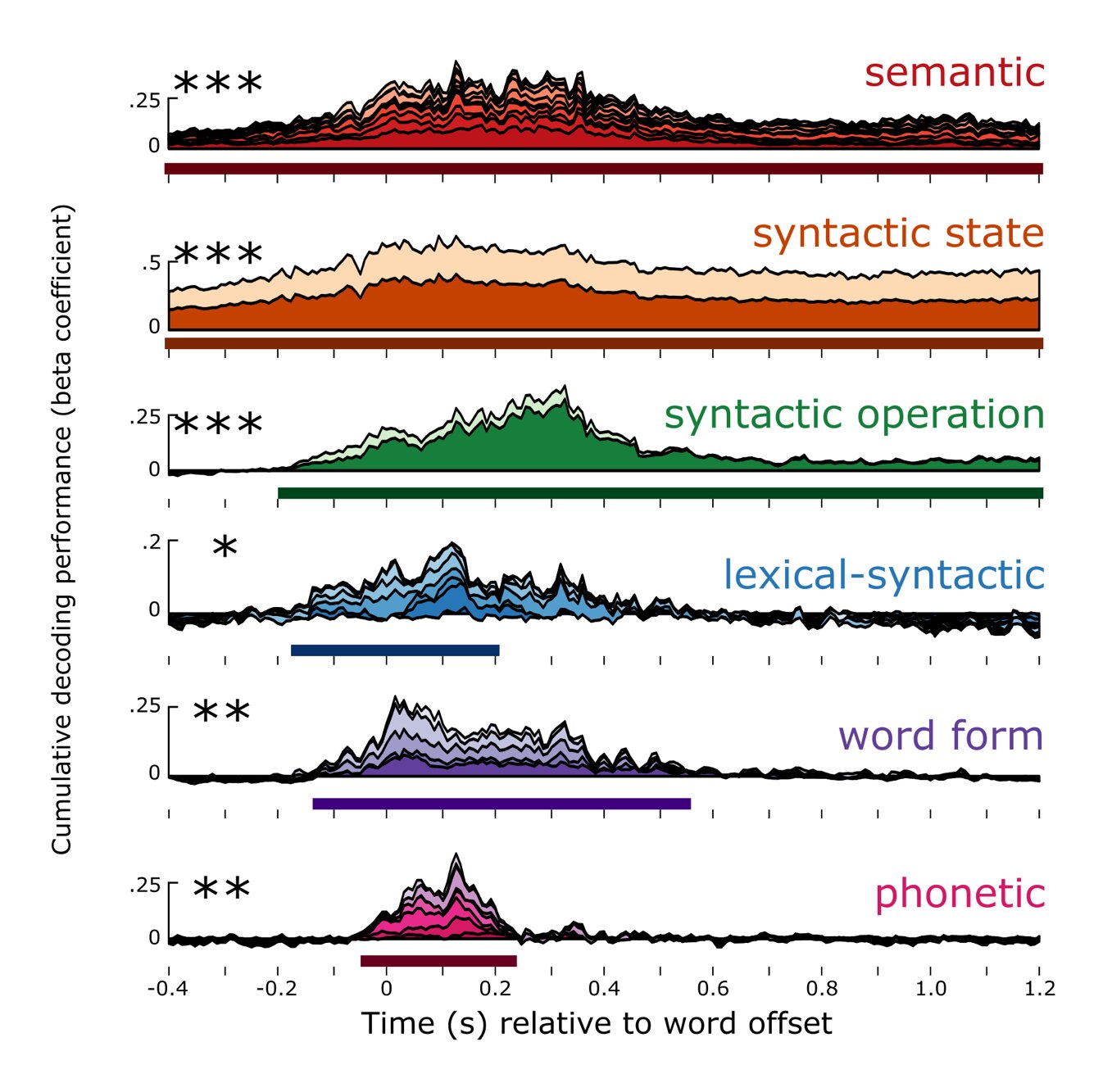
- Gwilliams et al. 2025. Hierarchical dynamic coding coordinates speech comprehension in the human brain. Proceedings of the National Academy of Sciences 122(42): e2422097122: DOI: https://doi.org/10.1073/pnas.2422097122.
📃 This Week’s Reads
Interesting articles I’ve come across this week.
 Eleanor Kettle
 Follow
 Jess Zafarris
 Danny Bate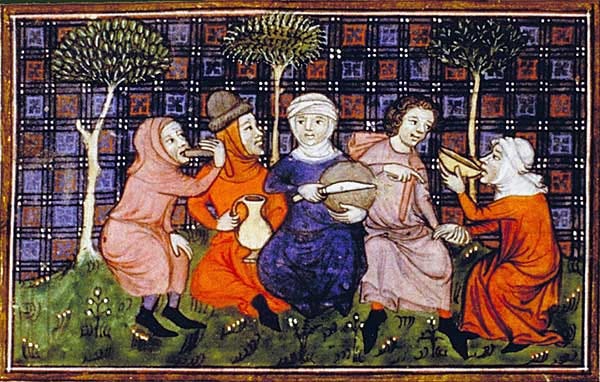
 Jamie Edwards
📚 Books & Media
New (and old) books and media touching on language and linguistics.
Bringing the Navajo language to Rez Ball
Rez Ball is a basketball drama film about a high school team in the Navajo Nation. This behind-the-scenes video features the cast and crew discussing their commitment to authentic Navajo language representation in the film.
It’s great to see that indigenous languages are getting greater representation in mainstream media like this.
And in case you’re not already familiar with it, Navajo (Diné bizaad) is an Athabaskan language spoken primarily in the southwestern United States. It has approximately 170,000 speakers, making it one of the most widely spoken indigenous languages in North America.
The atlas of languages
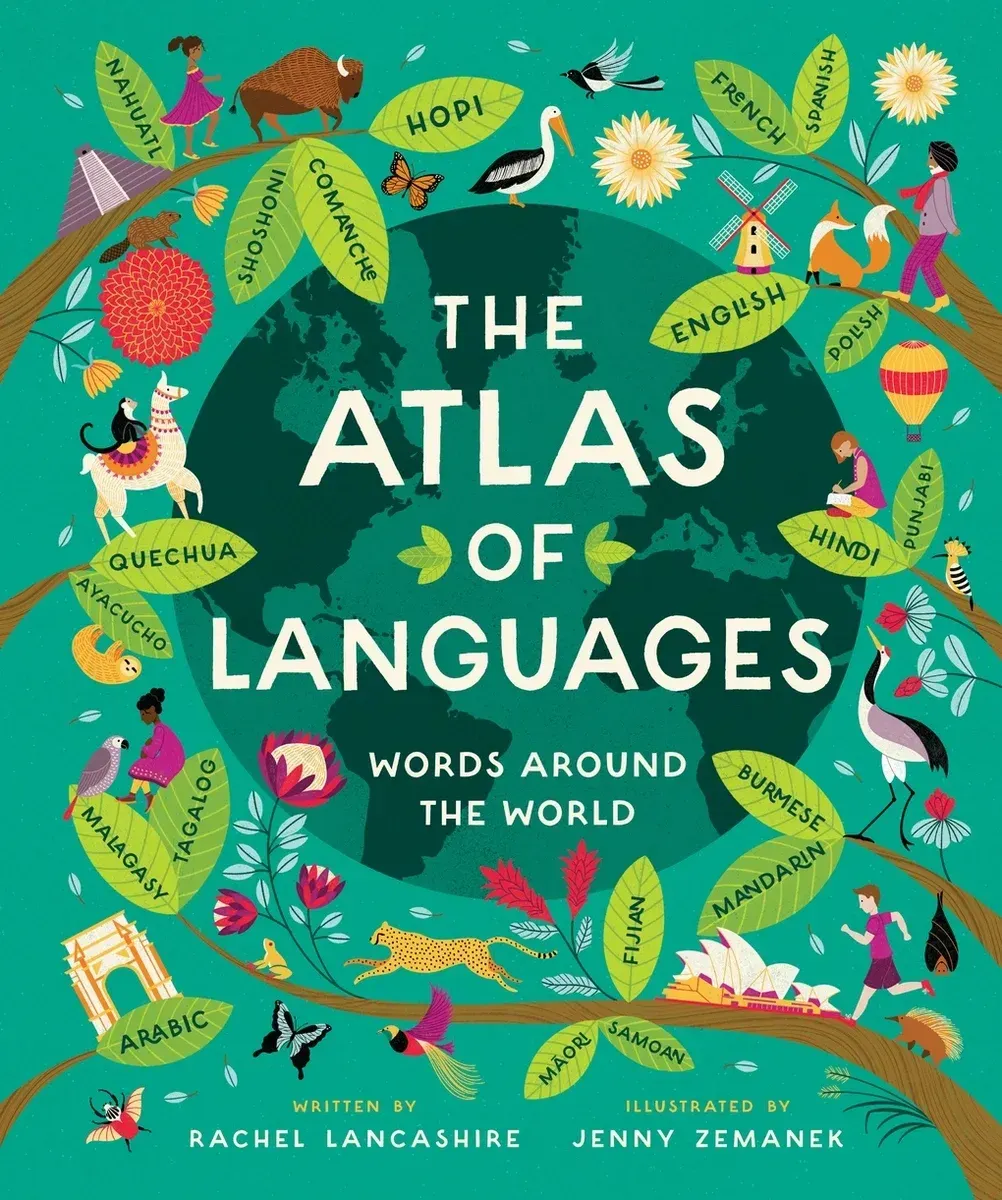
A new language book for kids was published earlier this year! A beautifully illustrated overview of the history of languages around the world, filled with maps, sidebars, and unusual facts.
👋🏼 Til next week!
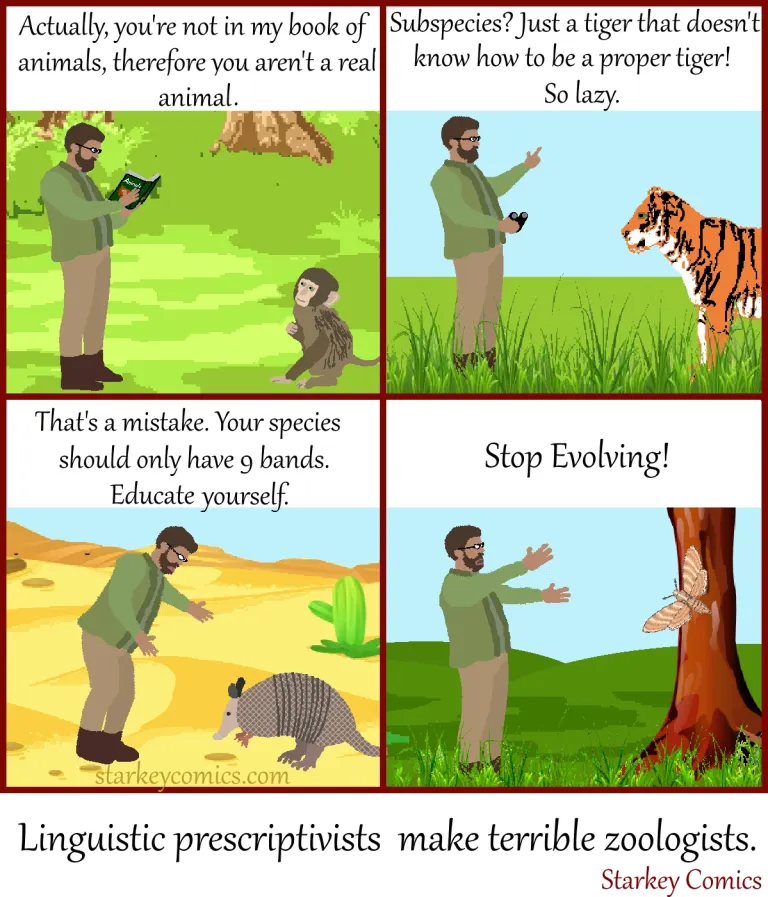
Applying prescriptivist principles to zoology
Ryan Starkey (Starkey Comics) explores what zoology would be like if zoologists applied prescriptive linguistic principles to their field.
If you’d like to support Linguistic Discovery, purchasing through these links is a great way to do so! I greatly appreciate your support!
Check out my Amazon storefront here.
Check out my Bookshop storefront here.