Men speak with vocal fry just as much as women
Also in the news this week: Merriam-Webster chooses “slop” as the 2025 Word of the Year; Gaelic and Scots now recognized as official languages in the UK; and Canada’s prime minister called out for using British spellings


Welcome to this week’s edition of Discovery Dispatch, a weekly roundup of the latest language-related news, research in linguistics, interesting reads from the week, and newest books and other media dealing with language and linguistics.
📢 Updates & Announcements
Announcements and what’s new with me and Linguistic Discovery.
🎄 Christmas Break
Reminder that there will be no issue of the digest next week (Dec. 25) or the week following (Jan. 1) since I’ll be on Christmas vacation in the Shenandoah Valley, nestled within the Blue Ridge Mountains of Virginia, which themselves are part of the broader Appalachian range. They look something like this around this time of year:


You can see in the second picture especially why the Blue Ridge Mountains got their name. Their distinctive blue/purple hue comes from isoprene emitted by oak trees in the area:
- Why are the Blue Ridge Mountains blue? (Mental Floss)
- Why are the Blue Ridge Mountains blue? (OurState.com)
I think it’s also neat and unsurprising that the Cherokee referred to these mountains as ᏌᎪᏂᎨ ᏣᎴᎩ Shaconage ‘Land of Blue Smoke’ (according to various internet sources as well as Glosbe, but I can’t confirm this from a more reputable source, except that Durbin Feeling’s (1975) dictionary does list ᏌᎪᏂᎨ sakonigeʔi as ‘blue’). This might also refer to the Great Smoky Mountains, a smaller range within the Blue Ridge.
Another fun fact: The Appalachian Mountains are so old that they’re older than trees, and about the same age as bones, so the only fossils you find in the mountains are trilobites.
In any case, there actually might be a special issue of the newsletter coming on Jan. 1, but we’ll see how much work I get done before I start traveling. Otherwise, the digest will resume on Jan. 8.
To everyone celebrating holidays over the next several weeks, I hope they’re wonderful!
🎁 Need a last-minute gift for the language nerd in your life?
You can gift them a Substack subscription to this newsletter! I plan to write significantly more longform articles about a wider array of topics in 2026, but more of them will be paywalled as well.
Why more paywalled articles? Because they’ll be part of a forthcoming book project! So now’s the perfect time to gift the language nerd in your life a 1-year subscription to the newsletter. That way they’ll get access to all the extra content in 2026.
(Note that you can also send the gift anonymously, and/or schedule it to be delivered on a specific date.)
🎉 Linguistic Discovery @ 1 million followers

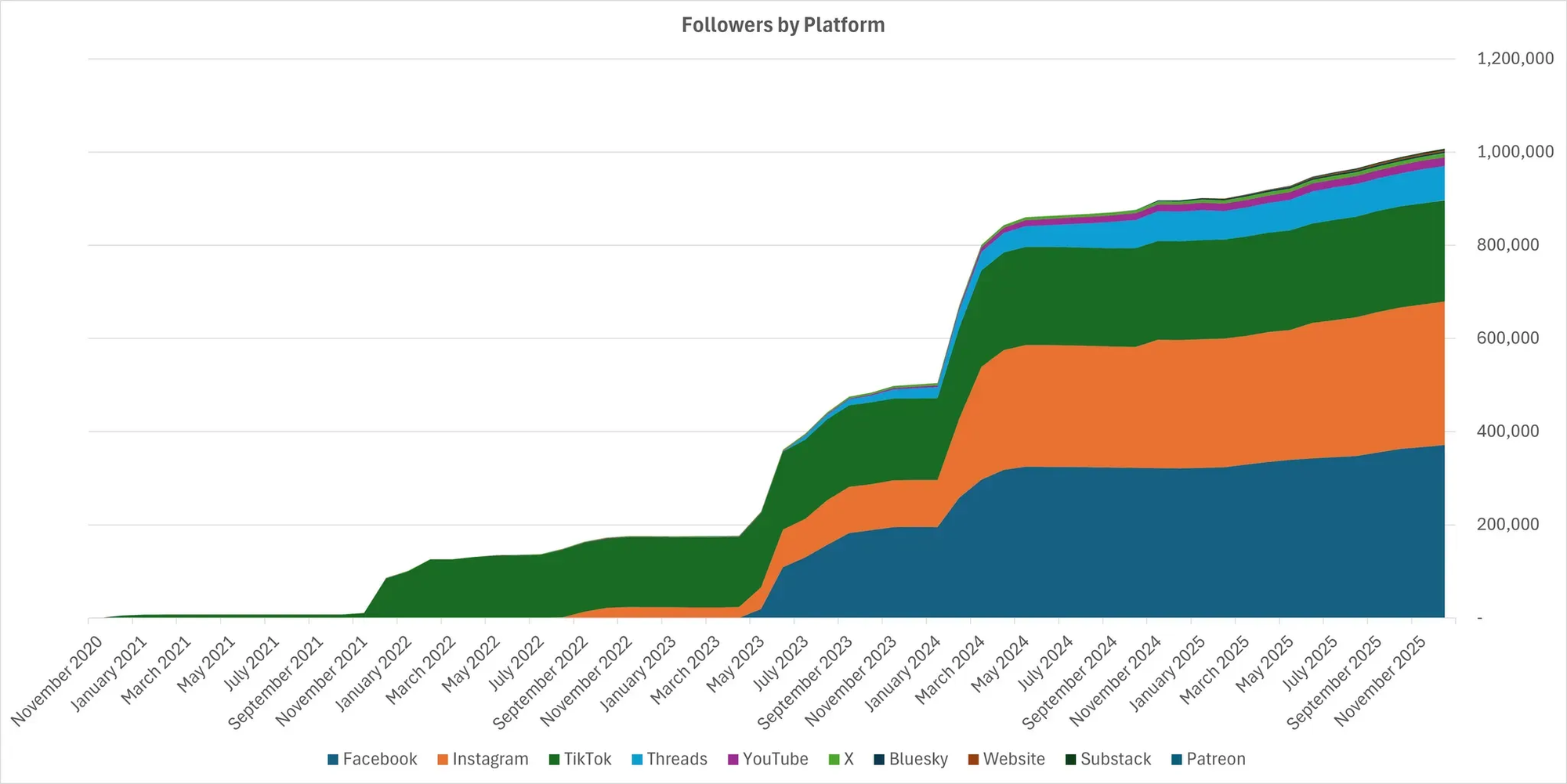
An exciting bit of news to share from this week: the Linguistic Discovery social media channels reached a combined total of 1 million followers! For those curious, here’s what the distribution of followers across different channels looks like:
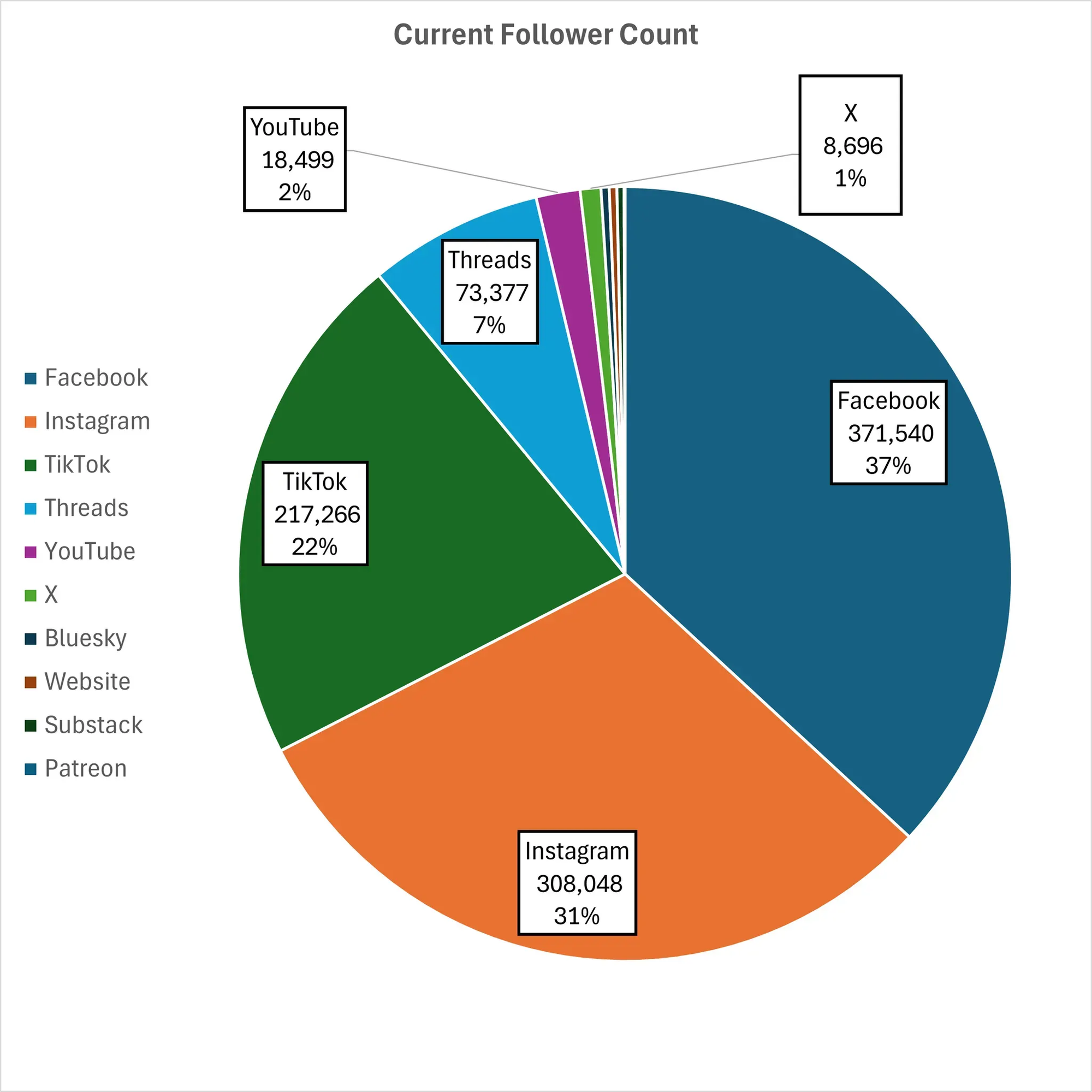
And here’s my follower growth over time. I started on TikTok in December 2020, and had a points of saltatory growth thanks to particularly viral videos, interspersed with periods of stagnation when I wasn’t posting consistently.
2025 Words of the Year with Grammar Girl and Jess Zafarris
This week I joined Mignon Fogarty and Jess Zafarris on the Grammar Girl podcast to talk about the 2025 Words of the Year! We explain all the words that were chosen by different organizations this year and give our reactions. Have a listen at the links!
👍👎 Tell me what you think about the newsletter!

I’ve been publishing this newsletter for almost a year now! So this seems like a felicitous moment to get your feedback on how this first year has been, things you like about the newsletter, areas it could improve, etc. I’ve put together a quick survey (20 questions, ~5 minutes) for you to give your feedback:
You’re also welcome to simply email me your thoughts here!
Thank you so much for taking the time to read this newsletter each week, and an especially huge thank you to those of you whose financial support helps keep the newsletter running. The costs of running Linguistic Discovery aren’t insignificant (graphic design software, website hosting, a Notion subscription, video editing software, etc.), and I still don’t have very many paid supporters, so your individual support really has made a big difference in keeping this sustainable. Thank you 🙏🏼
If you aren’t yet a supporter and would like to become one, you can do so for $5 USD/mo. by clicking the button below. Paying supporters get:
- ➕ bonus articles about niche or advanced topics
- 🔓 behind-the-scenes articles about my work revitalizing indigenous languages
- 👀 early access to regular articles
- 📖 previews of my in-progress book projects
- 👨🏼🏫 to support my mission to educate the public about the science and diversity of language!
🆕 New from Linguistic Discovery
This week’s content from Linguistic Discovery.
What are protolanguages?
Here’s another video from the archives this week: Did you know that linguists can reconstruct what ancient languages sound like? Here’s how:
📰 In the News
Language and linguistics in the news.
Merriam-Webster chooses (AI) slop as the 2025 Word of the Year

Merriam-Webster is one of the dictionaries that uses data on how frequently users are looking up words to choose the word of the year, and this year slop—as in AI slop—was among the top lookups. M-W defines the word as “digital content of low quality that is produced usually in quantity by means of artificial intelligence.” Other considerations for word of the year were gerrymander, touch grass (another term arising from the social media space), performative, tariff, 6-7 (Dictionary.com’s choice, which I defended as the word of the year here), conclave, and Lake Chargoggagoggmanchauggagoggchaubunagungamaugg.
 Daniel W. Hieber, Ph.D.
 Editors of Merriam-Webster
 ANNA FURMAN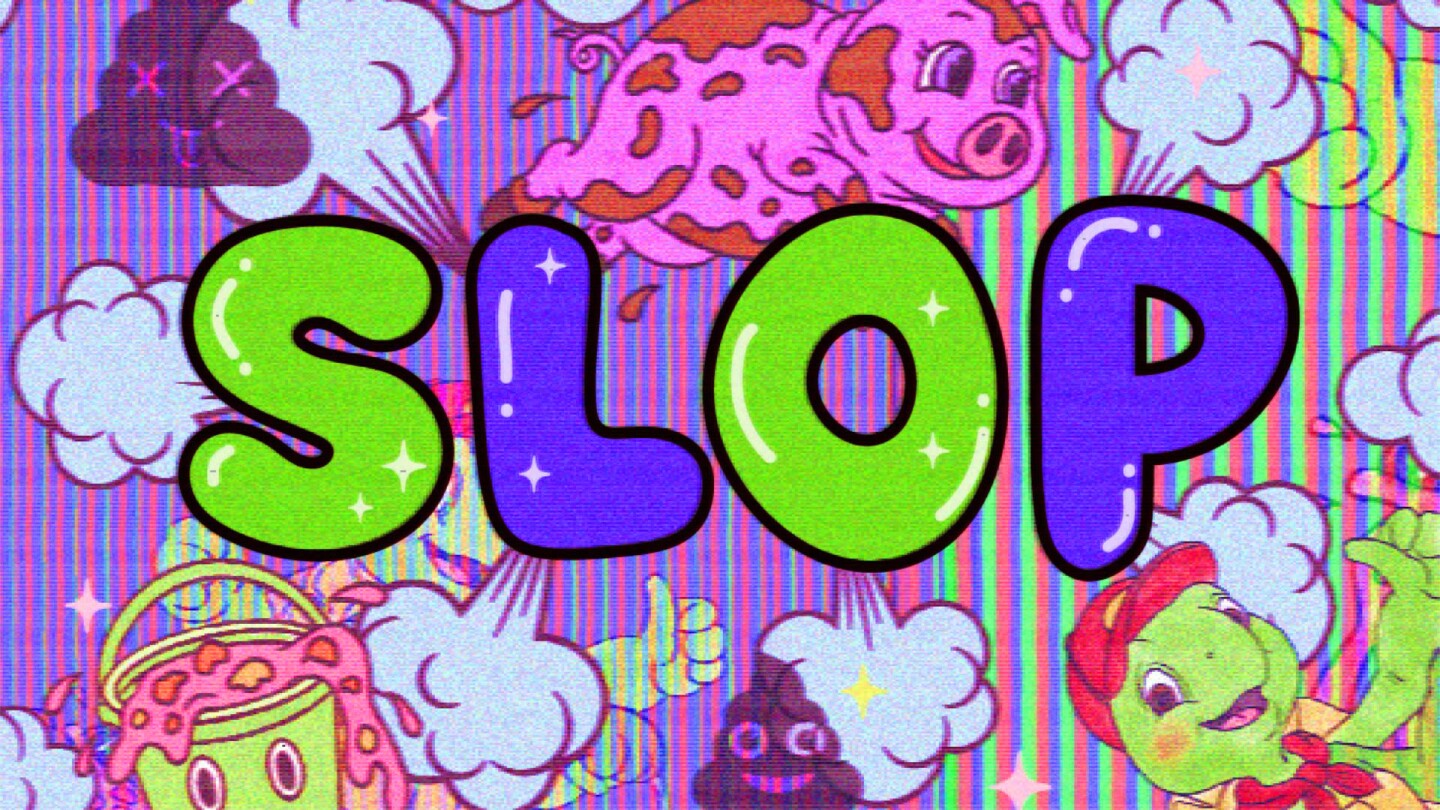
 See full bio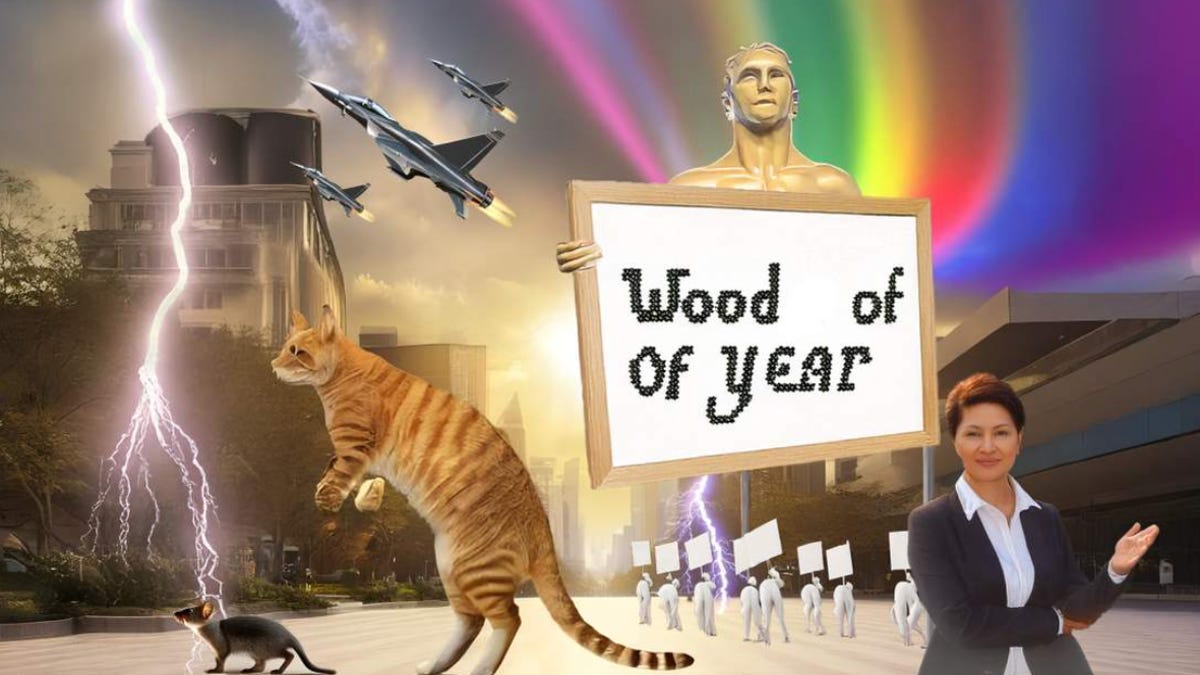
 Gail Flanagan
Gaelic and Scots now recognized as official languages in the UK
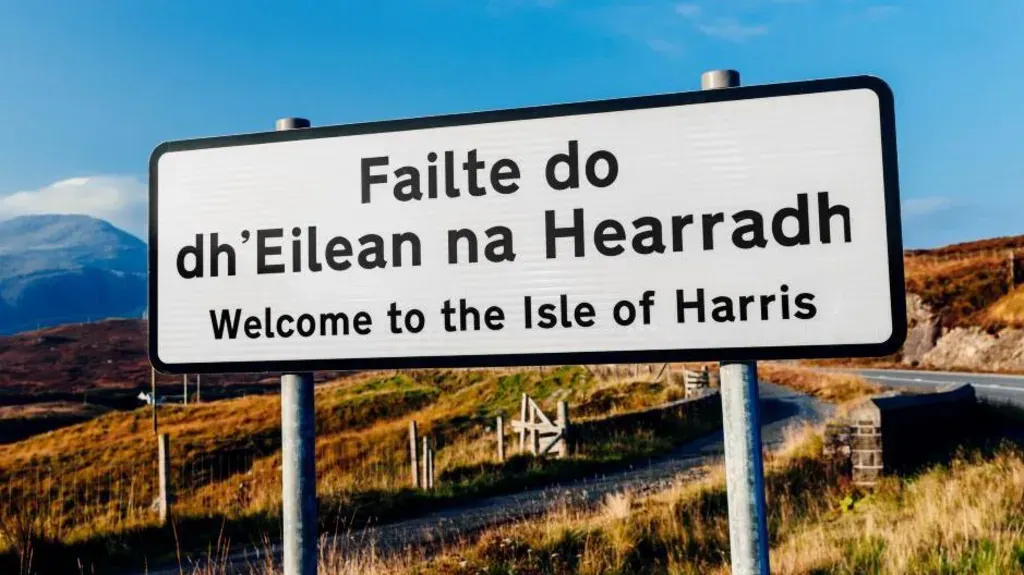
Gaelic and Scots have now been recognised as official languages as part of a range of new measures coming into force on St Andrew's Day.
The Scottish Languages Act, which MSPs voted through in June, also empowers parents to ask for a Gaelic school to be established in their area and aims to ensure that more qualifications are available in Gaelic.
It includes powers for ministers to commission research into the use of Gaelic and Scots and establish teaching standards for the languages.
As a refresher, Gaelic is a Celtic language (related to Irish, Welsh, and others) also known as Scottish Gaelic or Scots Gaelic. It is typically pronounced /ˈɡælɪk/ (whereas Irish Gaelic is typically pronounced /ˈɡeɪlɪk/, although in the U.S. you’ll often just hear /ˈɡeɪlɪk/ for both). The Celtic languages are actually distantly related to English: they form one branch of the Indo-European family tree, whereas English sits in another branch called Germanic. Celtic separated from the other Indo-European languages perhaps as early as 1300 BCE.
Scots, on the other hand, is a West Germanic language that descends from Early Middle English. The Northumbrian dialect of English started to branch off from other dialects as early as the 7th century, and became more distinct around the 12th century. This makes Scots one of the most closely-related languages to English (although it is nonetheless a distinct, non–mutually intelligible language). Scots is also distinct from Scottish English, which simply refers to the dialects of English spoken in Scotland.
 BBC News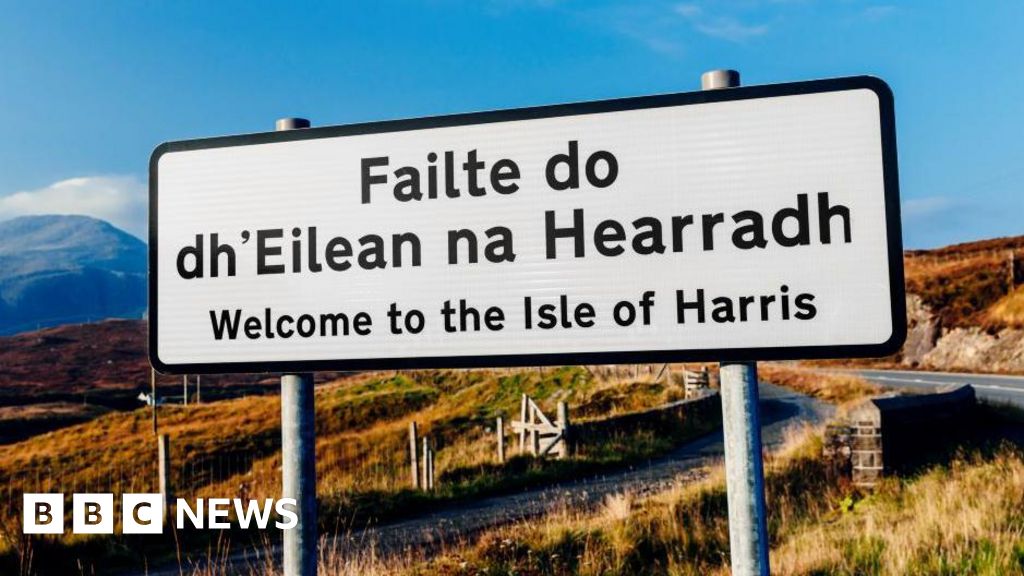
Canada’s prime minister called out for using British spelling

Canada’s prime minister Mark Carney has been criticized this week for using British rather than Canadian spelling conventions. This one’s a little funny to me, because Canada’s spelling conventions are an interesting mix of American and British conventions in the first place. But, that mix is nonetheless fairly standardized in Canada—Canadians generally know which spelling of any given word is used in their country, regardless whether it aligns with the American or British version. So for Prime Minister Mark Carney to adopt British spellings like ⟨utilise⟩ instead of the standard Canadian/American spelling of ⟨utilize⟩ (hence the pun in the title of the article) feels to some like a bit of a betrayal of his Canadian nationality.


🗞️ Current Linguistics
Recently published research in linguistics.
Men speak with vocal fry just as much as women
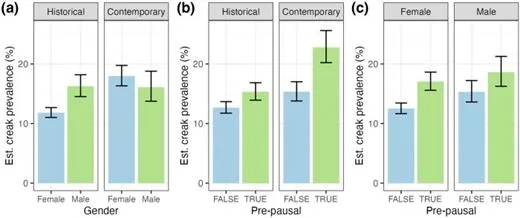
Males speak with vocal fry (known as creaky voice within linguistics) just as much as females, according to a new study that looks at three decades of data. While the data do show that the prevalence of creaky voice among female (but not male) speakers has increased over the last 30 years, this merely means that the use of creaky voice by female speakers has caught up with (and very slightly surpassed) that of male speakers. Females are not disproportionately using creaky voice as compared to their male counterparts.
 Andrew Paul
- White, Penney, & Cox. 2025. Change in the prevalence of creaky voice over time in Australian English. Journal of the Acoustical Society of America 5(9). DOI: https://doi.org/10.1121/10.0039080.
📃 This Week’s Reads
Interesting articles I’ve come across this week.
 dannylbate
- 9 fun Christmas etymologies from linguist Danny L. Bate.
 Serafina Kenny
From “skibidi” to “brain rot,” the words dominating your child’s group chat might sound like nonsense – but linguists say there's more to these words than you might think.”
 Gail Flanagan
 Colin Gorrie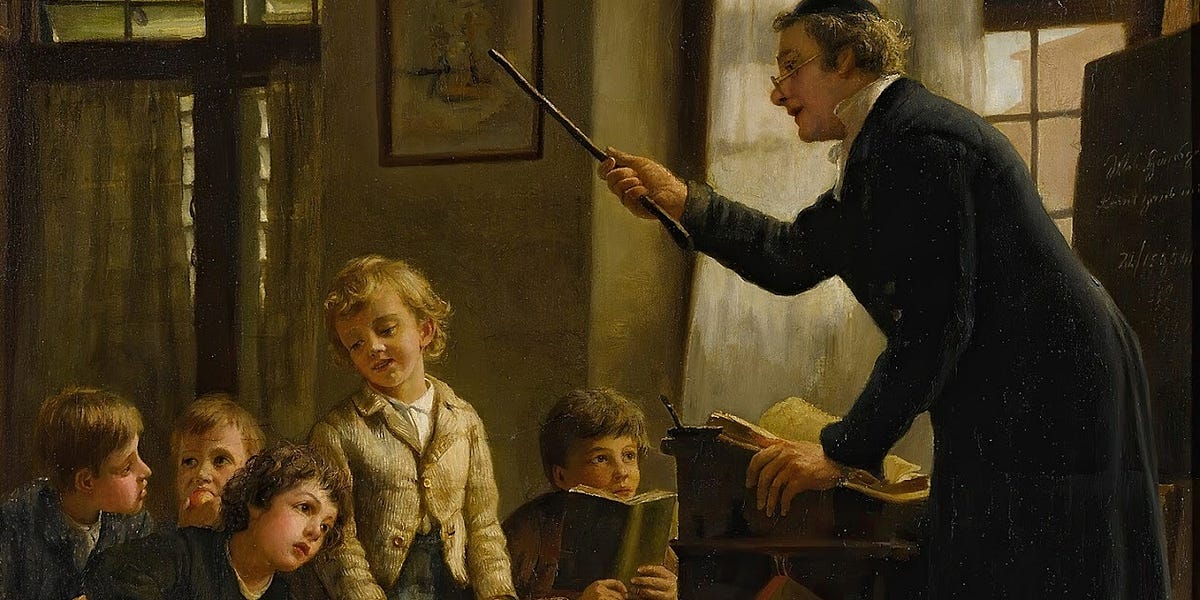
- As a public linguist who posts about language, I think people feel especially compelled to “correct” every nuance of my grammar, word choice, and style. It’s rough out there on the interwebs 😭
 Max Planck Society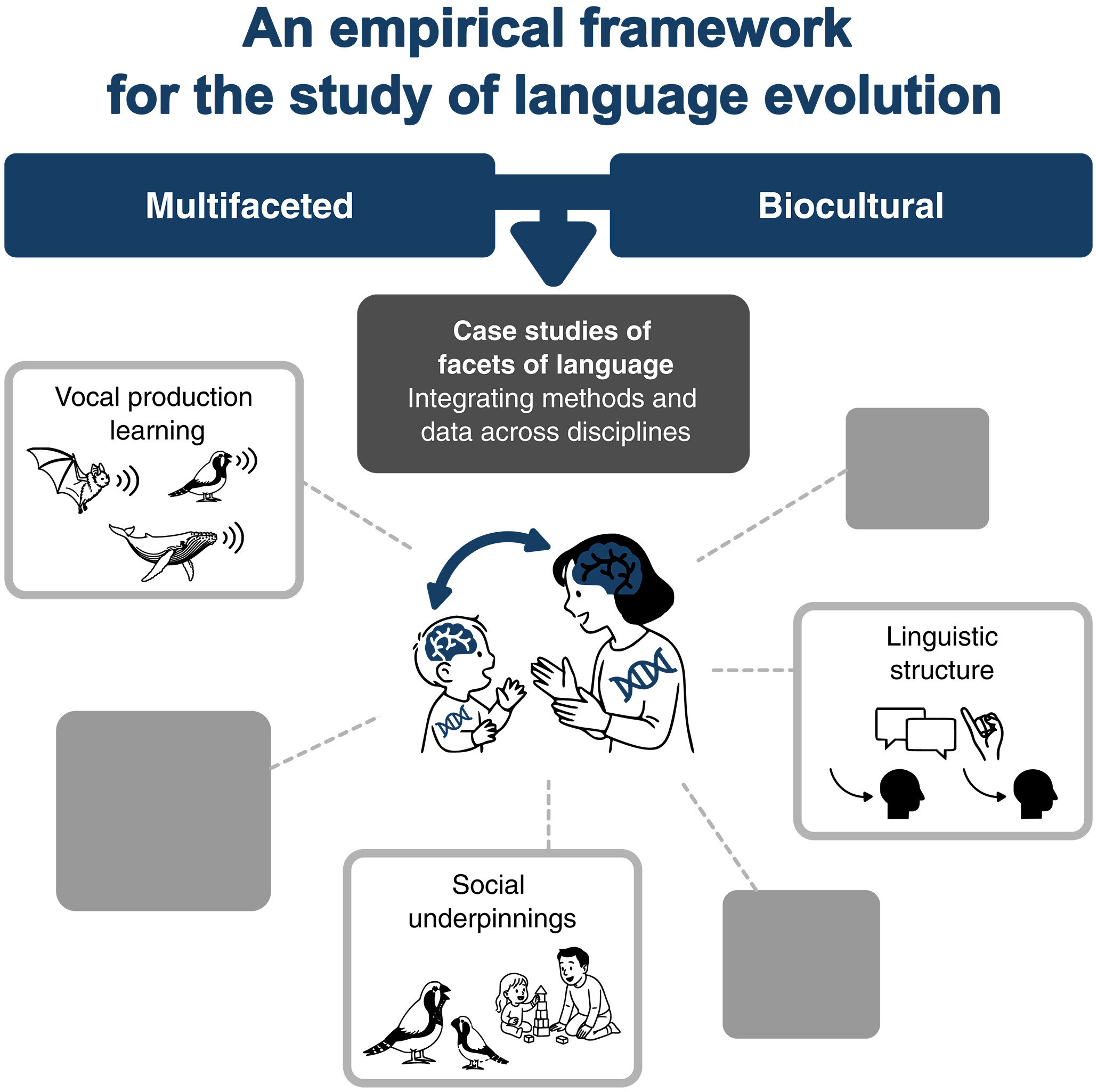
- Rob Watts has a fantastic interview with Merriam-Webster lexicographer Peter Sokolowski about how dictionaries work, how they’re made, and how they’re changing.
📚 Books & Media
New (and old) books and media touching on language and linguistics.
Rob Words on Substack

RobWords of YouTube fame has recently started a newsletter! You can join his 11,000 other subscribers on Substack:
 RobWords
👋🏼 Til next year!
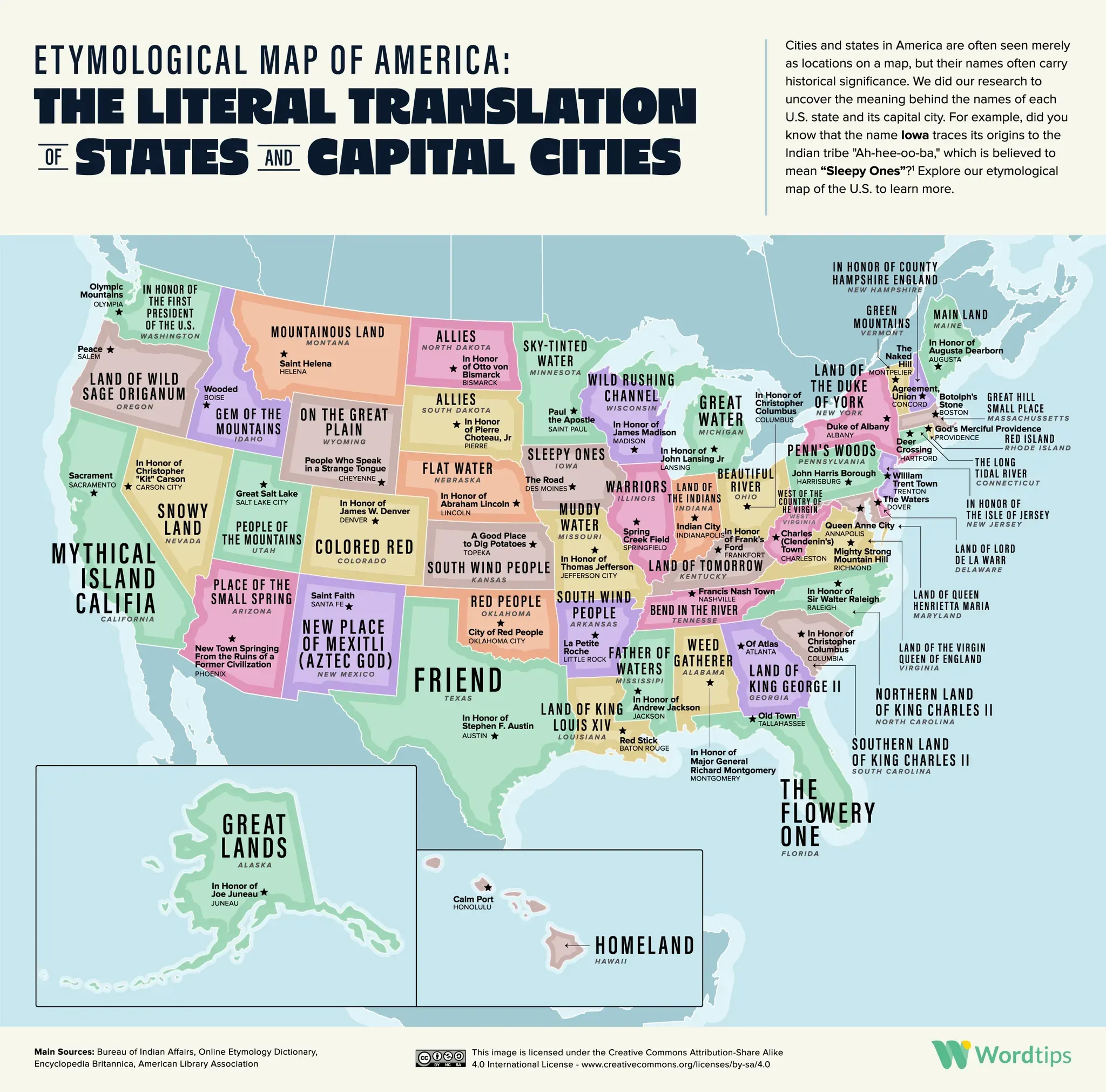
The etymology of state names and capitol city names, from Word Tips. Read all the details here.
If you’d like to support Linguistic Discovery, purchasing through these links is a great way to do so! I greatly appreciate your support!
Check out my Amazon storefront here.
Check out my Bookshop storefront here.