How your brain separates sounds into words
Also this week: How toddlers in Finland are saving an endangered Sámi language + Language learning can help lower dementia risk by 40%

Welcome to this week’s edition of Discovery Digest, a weekly roundup of the latest language-related news, research in linguistics, interesting reads from the week, and newest books and other media dealing with language and linguistics!
🆕 New from Linguistic Discovery
This week’s content from Linguistic Discovery.
Is baby talk good for your child?
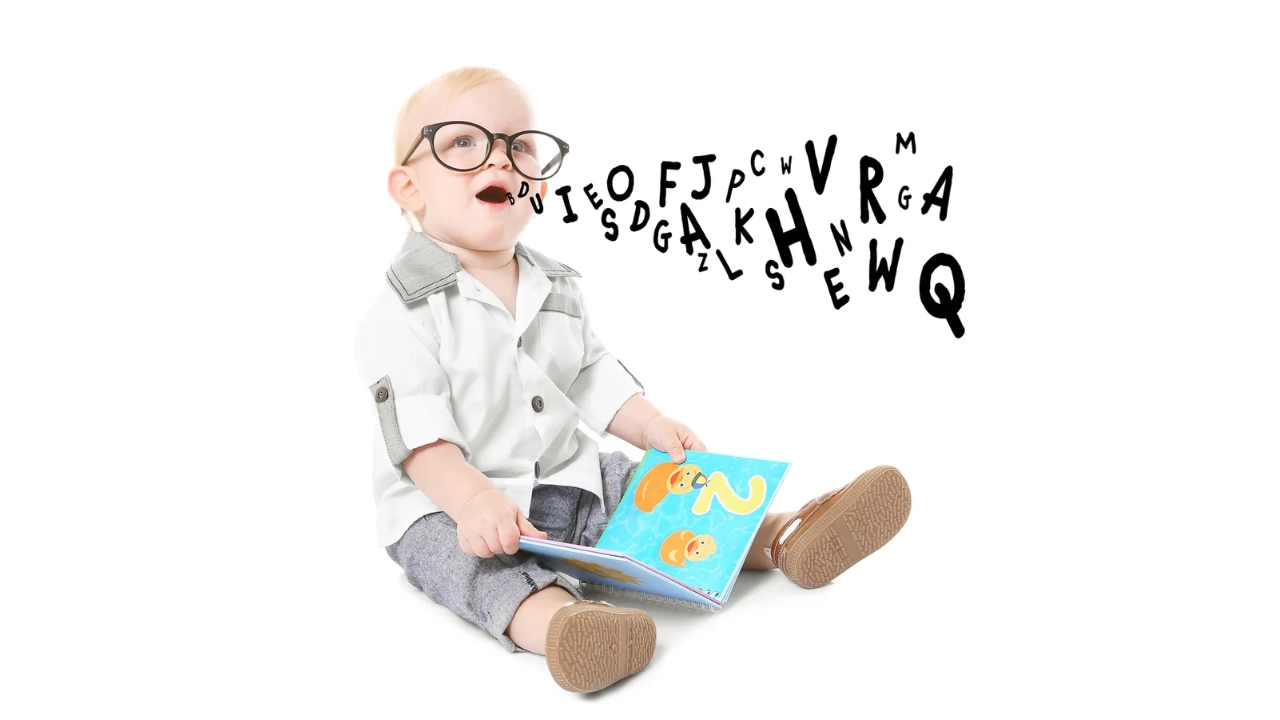
Does using nonsense or simplified words hinder your child’s language development? Or does it make acquiring language easier for them? Parents are often deeply divided on this issue. Some parents insist that you should only speak to children like adults because it models correct language for them, while others say that baby talk is helpful and makes it easier for your child to learn language. Which take is correct?
In the latest (free) issue of the newsletter, we look at the advantages and disadvantages of baby talk, as part of my series on the science of talking to babies. You can see all the issues in the series below.
 Daniel W. Hieber, Ph.D.
Articles in this Series
- Part 1: Why you should be talking to your infant
- Part 2: What’s the point of baby talk?
- Part 3: Is baby talk good for your child?
- Part 4: Do all cultures use baby talk? [forthcoming]
- Part 5: Baby talk in the languages of the world
- Part 6: How much should you talk to your child?
- Part 7: What really matters when talking to your child
What’s the past tense of cost?
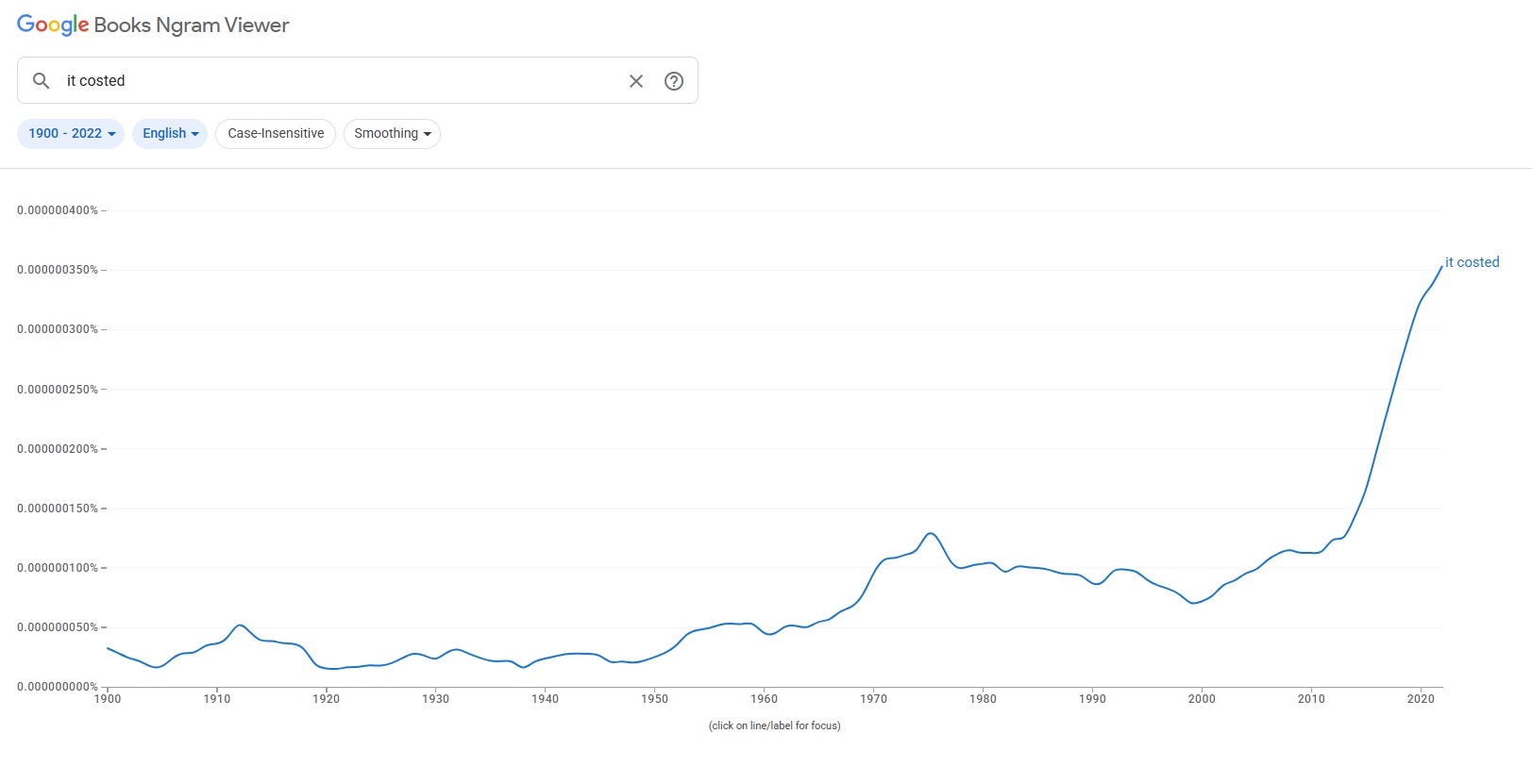
I posted this on Threads recently and a lot of people weren’t happy about it:
The use of costed as the past tense of cost over time in the Google Books corpus If this continues, eventually “cost” will become a regular past tense verb.
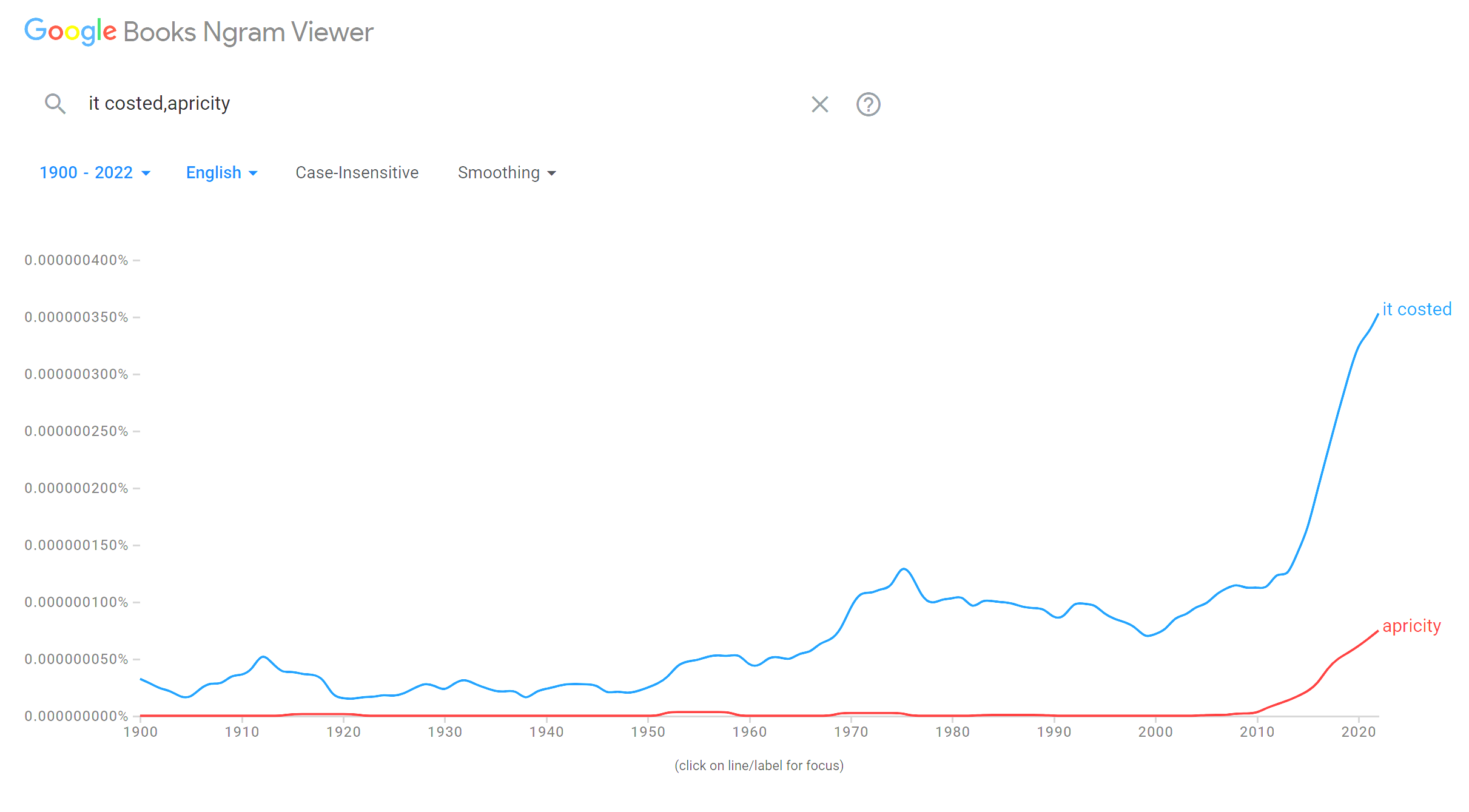
I also had to clarify that there’s a difference between the use of costed meaning ‘to estimate the cost of something’, e.g. “we found out the project was unfeasible after we costed it out”, vs. the meaning ‘to have a price of’. The phrase “it costed”, which was used in the Google Ngrams search above, is typically only used in the latter sense.
Several people claimed that this graph was irrelevant because the numbers were so small, but this usage is actually above other widely accepted words, e.g. apricity, as the graph demonstrates.
One of the funny things you learn when working with corpora that even some words that everybody knows can nonetheless have remarkably low corpus frequencies, appearing one or two times or sometimes not at all, even in a corpus of millions or billions of words. Just goes to show how good humans are at learning vocabulary with even a few exposures to the word.

📰 In the News
Language and linguistics in the news.
How toddlers in Finland are saving an endangered Saami language
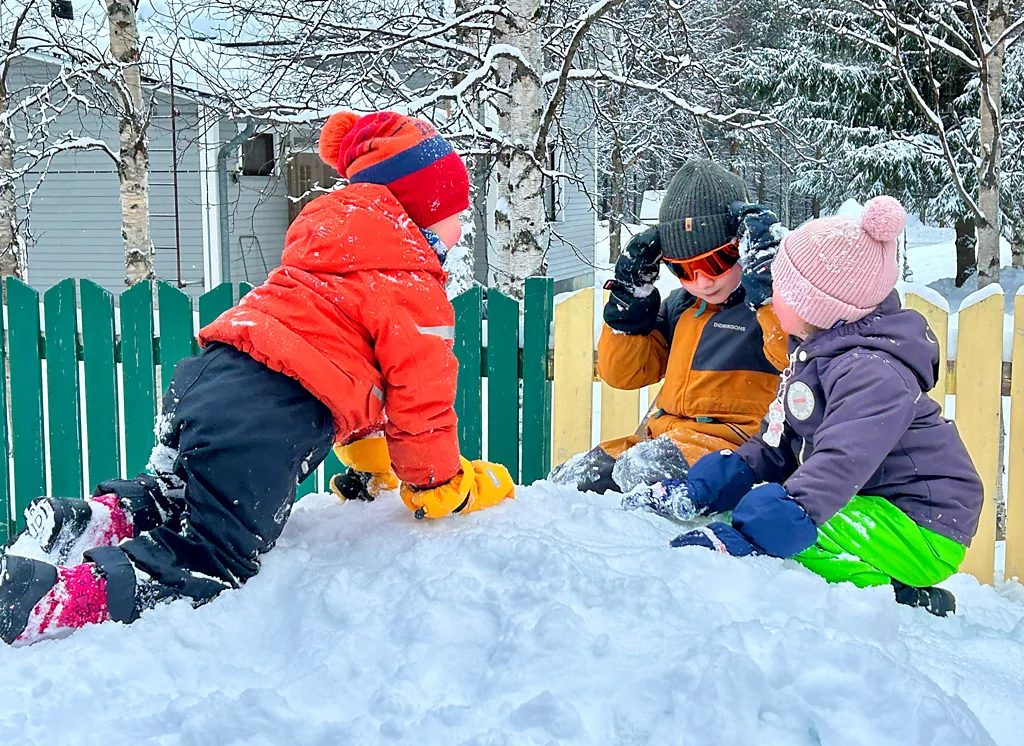
Endangered language communities around the world have seen great success with using “language nests”—immersion programs for very young children—to help revitalize their languages. Now the Sámi people of Finland are giving it a try so as to pass their language on to the next generation.
 Erika Benke
🗞️ Current Linguistics
Recently published research in linguistics.
Language learning can help lower dementia risk by almost 40%

Reading, writing and learning a language or two can lower your risk of dementia by almost 40%, according to a study that suggests millions of people could prevent or delay the condition.
 Andrew Gregory
- Zammit et al. 2026. Associations of lifetime cognitive enrichment with incident Alzheimer disease dementia, cognitive aging, and cognitive resilience. Neurology 106(5): e214677. DOI: https://doi.org/10.1212/WNL.0000000000214677
How your brain separates speech into words
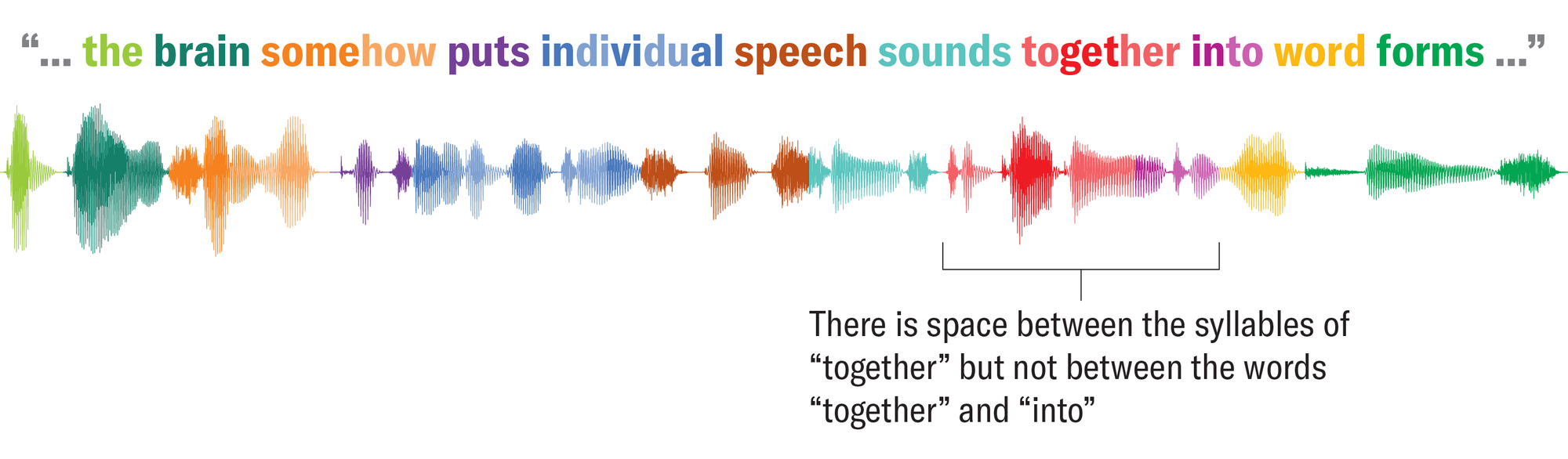
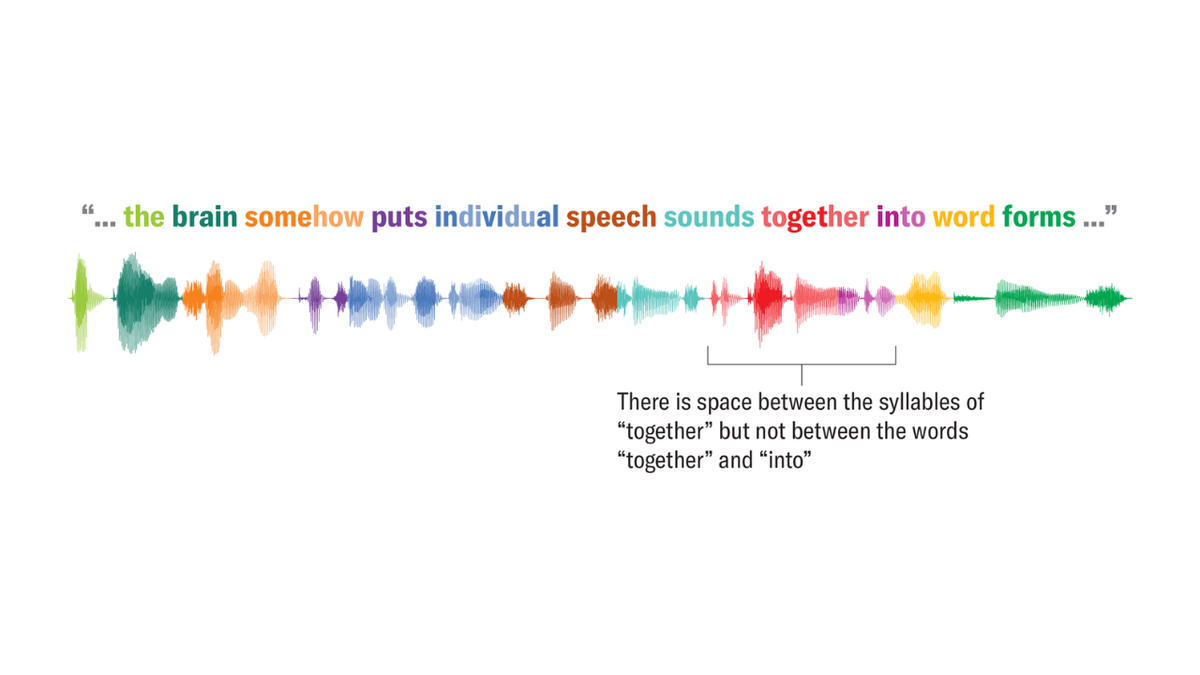
In natural speech, there are no clear acoustic boundaries separating words; we pause about as many times within words as we do between them. This is especially evident when listening to an unfamiliar language being spoken: words often seem to “blur” together into one smeared stream of sound. So how do our brains figure out word boundaries?
Recent research finds that the power of specific “high-gamma” brain waves consistently plummets about 100 milliseconds after a word boundary. Another study showed that this effect only occurs for languages that the speaker is fluent in. Researcher Edward Chang says, “To my knowledge, this is the first time that we have a direct neural brain correlate of words. That’s a big deal.”
 Elise Cutts
- Zhang et al. 2026. Human cortical dynamics of auditory word form encoding. Neuron 114(1): P167–180.E6. DOI: https://doi.org/10.1016/j.neuron.2025.10.011.
- Bhaya-Grossman et al. 2026. Shared and language-specific phonological processing in the human temporal lobe. Nature 649: 140–151. DOI: https://doi.org/10.1038/s41586-025-09748-8.
📃 This Week’s Reads
Interesting articles I’ve come across this week.
 Joel Miller
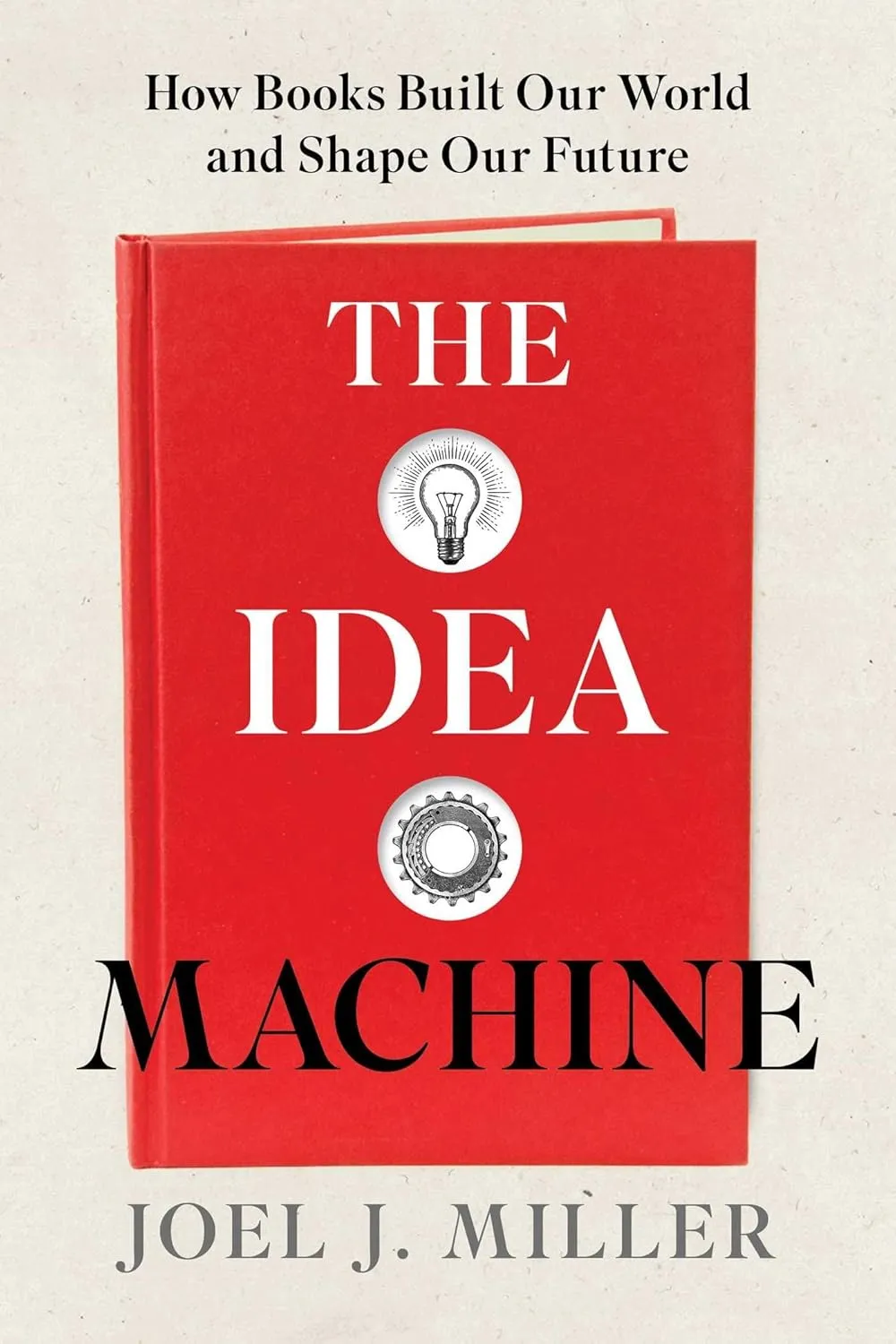
- The printing press helped build libraries that were impossibly large by ancient standards. That created its own new challenges, and led to early library science.
- This is an excerpt from the recent book The Idea Machine: How books built our world and shape our future (Amazon | Bookshop).
 Matthew Kayser
- As generative AI and language technologies reshape education, health care, and public life, linguists now play a vital role in guiding how these systems interact with real people.
 Jennifer Gunner
 Kendra Pierre-Louis, Allison Parshall, Fonda Mwangi, Alex Sugiura
- How a Russian dialect coach helped Heated Rivalry star Connor Storrie master challenging Russian sounds and build a believable accent
📚 Books & Media
New (and old) books and media touching on language and linguistics.
Madeleine Beekman’s Substack
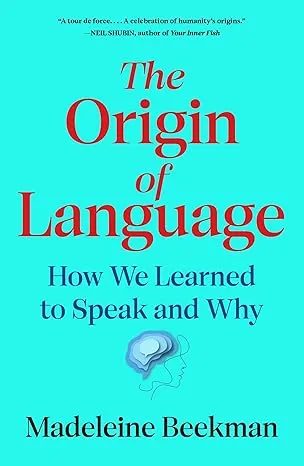
Madeleine Beekman, author of the recent book, The origin of language: How we learned to speak and why (Amazon | Bookshop.org), has recently started a Substack! Here’s the description from her About page:
If you are interested in evolution, in particular how evolution relates to our own behaviour, then this is the Substack for you. In my essays I try to explain how a particular issue can be explained by seeing it in the context of evolution.
Theodosius Dobzhansky famously wrote: “Nothing in biology makes sense except in the light of evolution”. It is just that we don’t always immediately understand how. Nor do we necessarily appreciate that our own biology is also subject to evolution. Time for some explaining.
 Madeleine Beekman
How does your baby learn words?
HELLO Lab has a new video in their series on a child’s first words—how babies connect words to meanings, long before they can talk. They break down the science of early word learning in a parent-friendly way, focusing on everyday interactions that support healthy language growth.
And if you want to learn more about how children learn words, be sure to check out my article on the Wug Test!
 Daniel W. Hieber, Ph.D.
👋🏼 Till next week!
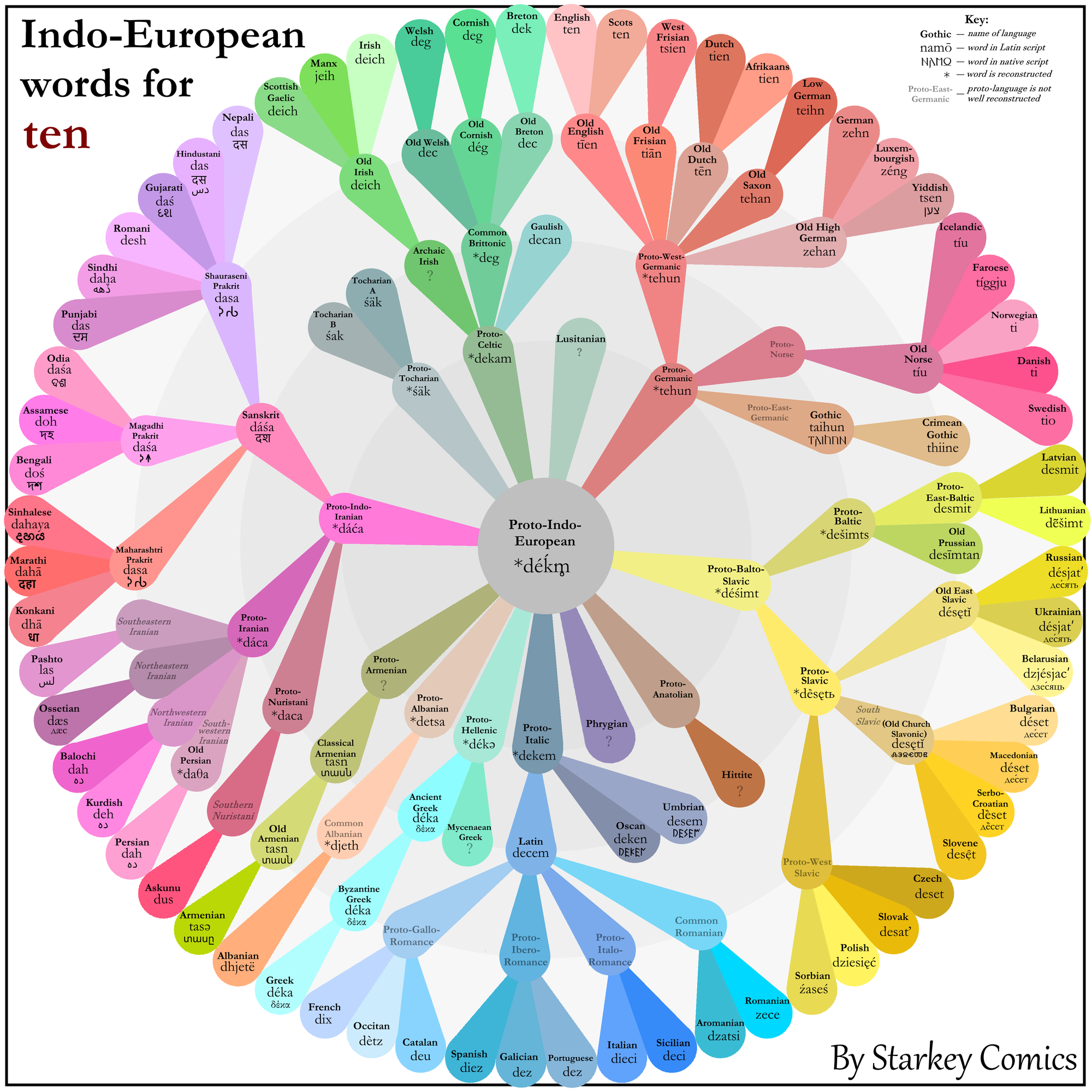
How all the Indo-European words for ‘ten’ are related, from Starkey Comics. Read all the details in the blog post here.
If you’d like to support Linguistic Discovery, purchasing through these links is a great way to do so! I greatly appreciate your support!
Check out my Amazon storefront here.
Check out my Bookshop storefront here.