Baby chicks know their kiki from their bouba
Also this week: Why human language isn’t like computer code + Why English needs “y’all” + Why do so many women’s names end in A?

Welcome to this week’s edition of Discovery Digest, a weekly roundup of the latest language-related news, research in linguistics, interesting reads from the week, and newest books and other media dealing with language and linguistics!
🆕 New from Linguistic Discovery
This week’s content from Linguistic Discovery.
The Wug Test: How children learn grammar

This is a wug. 🐤
Now there is another one. 🐤🐤
There are two of them. There are two _____.
You’ve just participated in one of the most famous linguistics experiments of all time, called The Wug Test. In addition to furnishing the field of linguistics with an unofficial mascot in the form of an adorable wug, this was one of the first scientific experiments in child language acquisition, and it continues to have an enduring impact on the field of linguistics. In this latest issue of the Linguistic Discovery newsletter, we’ll see just how much this tiny experiment can teach us about how children learn grammar.
 Daniel W. Hieber, Ph.D.
“Why English needs y’all” in Upworthy

Upworthy recently featured my video about the history of second person plural pronouns in English in an article on the topic:
 Emily Shiffer
(Just to clarify, the linguist from Alabama is Paul E. Reed, not me. I grew up in the Shenandoah Valley of the Appalachian Mountains in Virginia!)
📰 In the News
Language and linguistics in the news.
Linguist Deborah Cameron passes at age 67

Deborah Cameron, a linguist known for her pithy and forensic dismantling of common linguistic and societal myths, has died at age 67. Cameron is best known among the general public for her 2007 book The myth of Mars and Venus: Do men and women really speak different languages?, which took aim at John Gray’s popular 1992 book Men are from Mars, women are from Venus.
 The Times
New Zealand coalition advances bill to make English an official language

New Zealand coalition votes to make English an official language as critics decry ‘cynical’ bill. Push to give English same status as Māori and NZ sign languages triggers backlash from opposition parties and linguistic experts.
 Eva Corlett
🗞️ Current Linguistics
Recently published research in linguistics.
🐤 Baby chicks know their kiki from their bouba
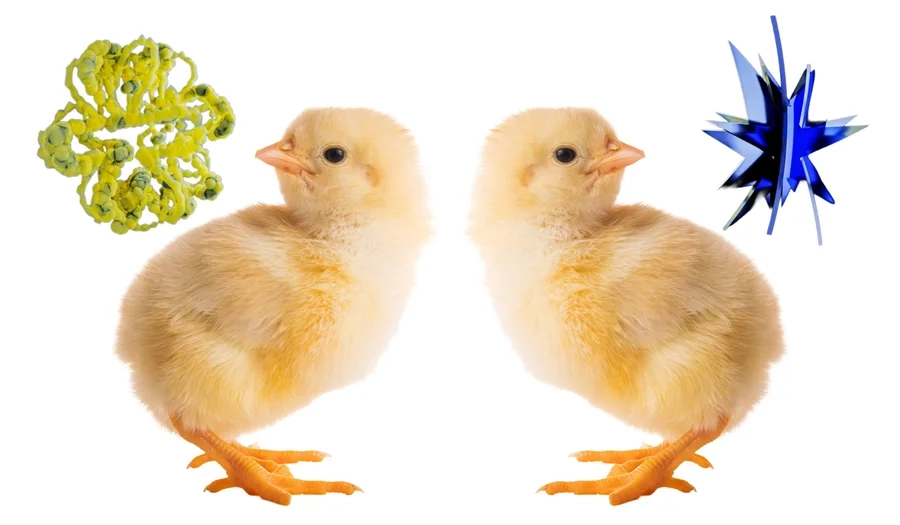
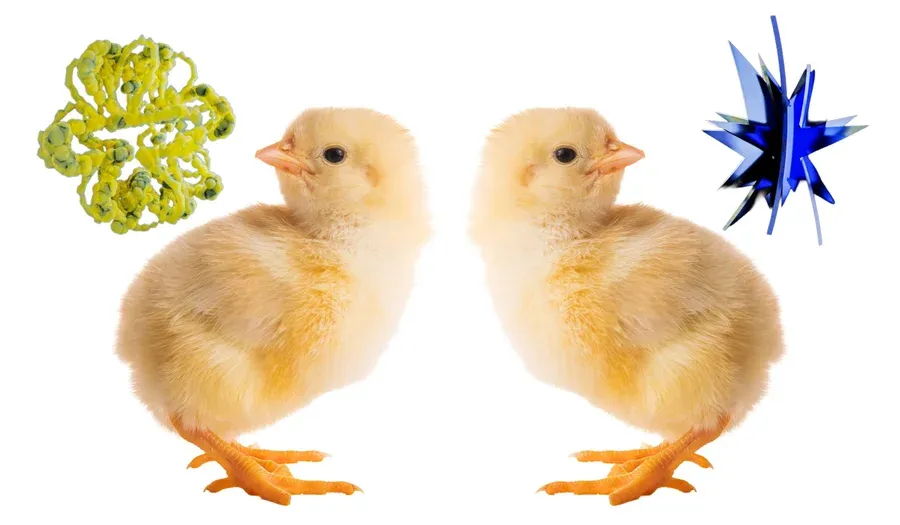
The bouba-kiki effect or takete-maluma effect refers to the association we have between certain speech sounds and certain visual shapes. Two famous experiments that involved presenting participants with pairs of nonsense words and asking them to associate those nonsense words with different random shapes find strong associations between certain types of sounds and certain types of shapes, and this effect holds for languages all over the world. Across languages, over 90% of people consistently choose kiki for the shape on the left below and bouba for the shape on the right.

Now enter new research that shows that the bouba-kiki effect is not just pan-linguistic, but also pan-species! A study showed that newborn chicks connect sounds with shapes just like humans. And I don’t just mean that the researchers found evidence of a similar phenomenon; I mean that they literally ran the bouba-kiki experiment on baby chicks and got shockingly similar results as they do with humans. Almost immediately after hatching, the chicks were placed in front of two panels—one with bouba and one with kiki. Researchers then played recordings of humans saying either “bouba” or “kiki” and observed the chicks’ behavior. When the chicks heard “bouba”, 80% approached the round shape first and spent an average of more than 3 minutes exploring it compared with an average of just under 1 minute spent exploring the spiky shape. This preference flipped when they heard “kiki”.
Because the chicks were exposed to the bouba-kiki stimuli immediately after hatching, they couldn’t have learned this association from experience, which suggests an innate perceptual association which far predates the Homo branch of the evolutionary tree. Yet for some reason other primates like Kanzi (the bonobo who learned rudimentary language using a sign board) fail the bouba-kiki test, making this present study all the more surprising. All this calls into question the idea that these sound-shape associations were an important factor in the original development of language, as some scholars believe.
 Daniel W. Hieber, Ph.D.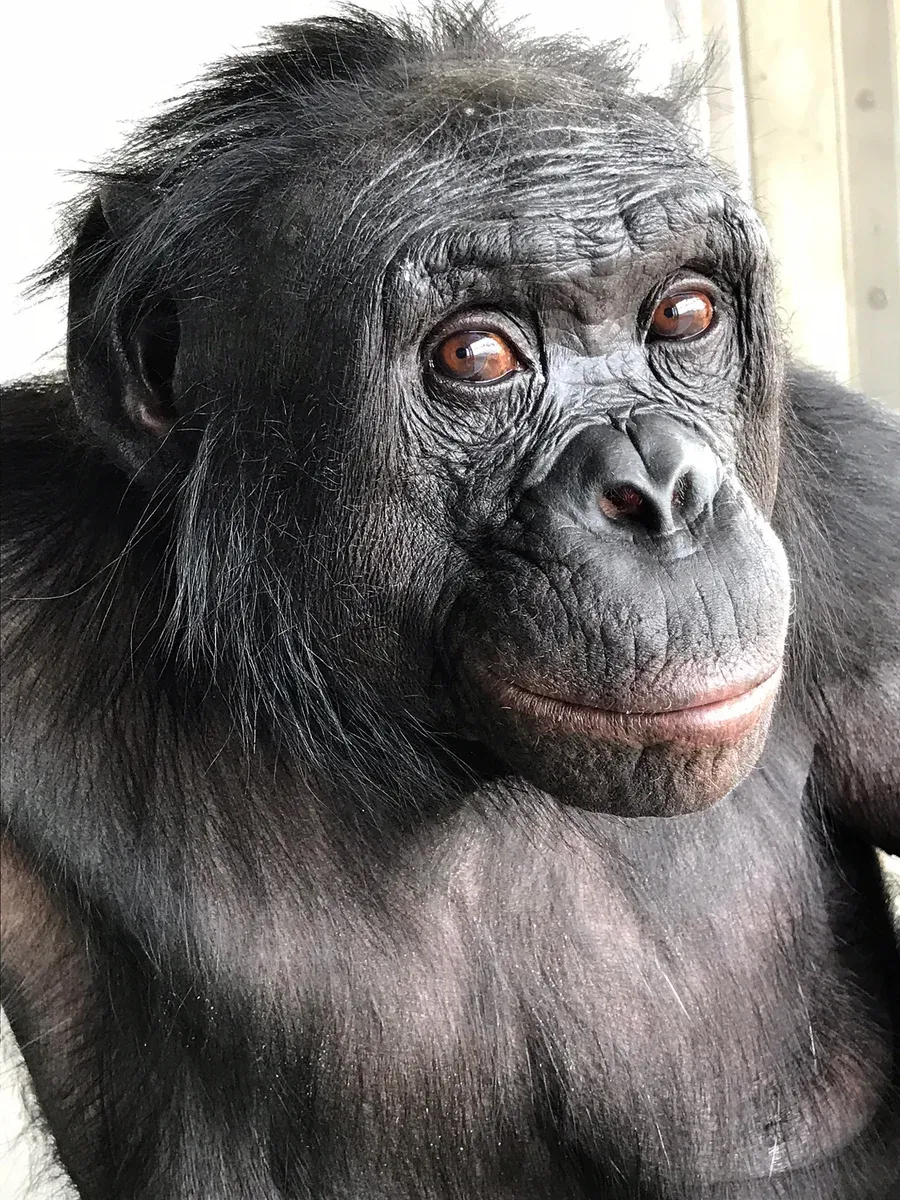
 Cody Cottier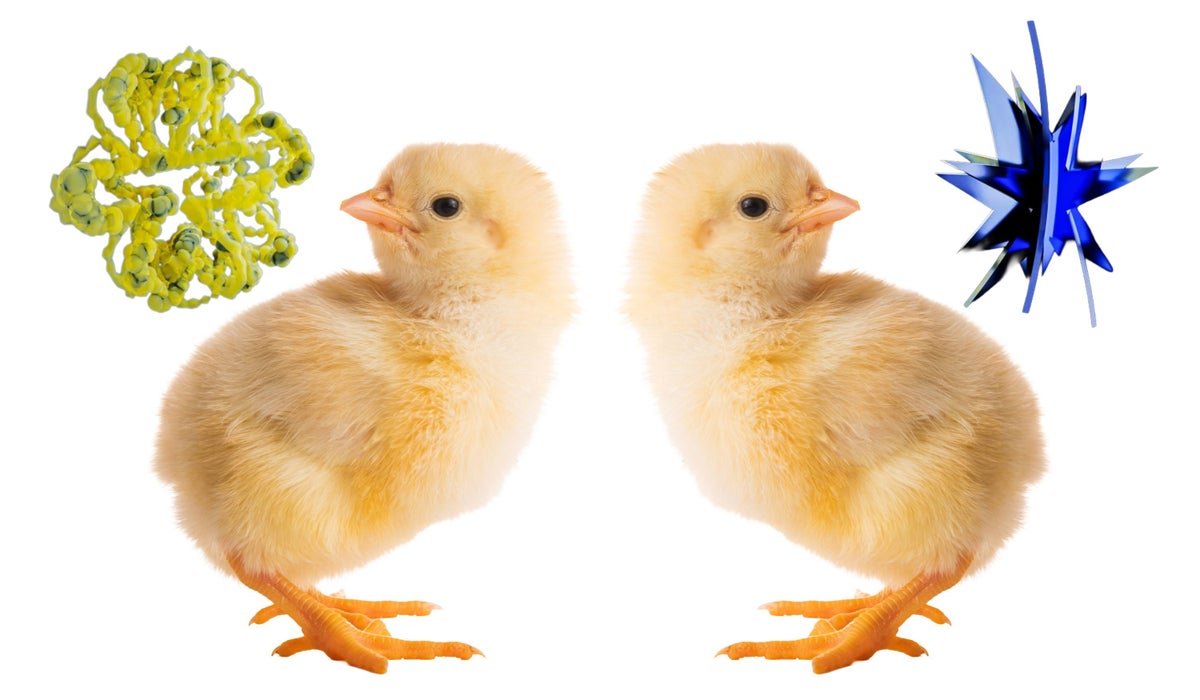
- Loconsole, Benavides-Varela, & Regolin. 2026. Matching sounds to shapes: Evidence of the bouba-kiki effect in naïve baby chicks. Science 391(6787): 836–839. DOI: https://doi.org/10.1126/science.adq7188.
Why human language isn’t like computer code
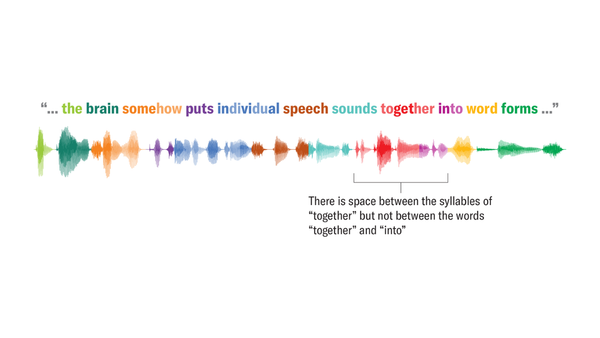
Human language may seem messy and inefficient compared to the ultra-compact strings of ones and zeros used by computers—but our brains actually prefer it that way. New research reveals that while digital-style encoding could theoretically compress information more tightly, it would demand far more mental effort from both speaker and listener. Instead, language is built around familiar words and predictable patterns that reflect our real-world experiences, allowing the brain to constantly anticipate what comes next and narrow down meaning step by step.


 Richard Futrell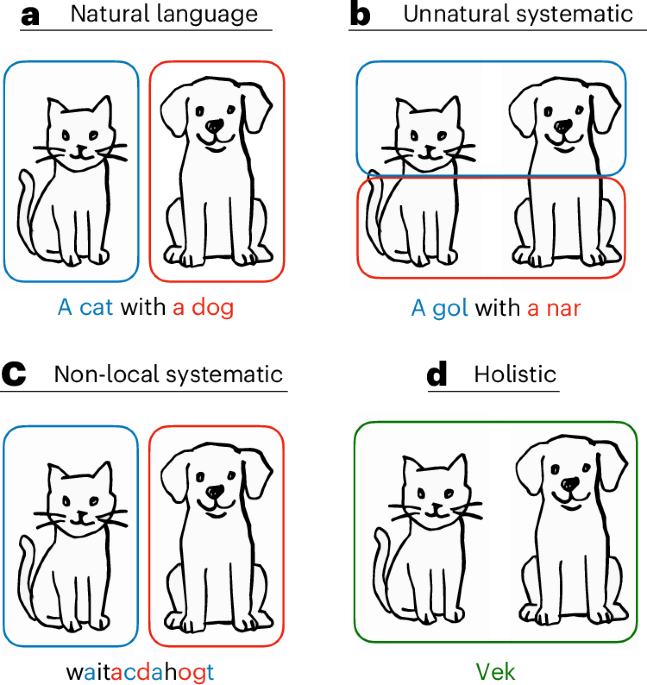
📃 This Week’s Reads
Interesting articles I’ve come across this week.
 Jennifer Gunner
 Danny Bate
- A pattern among modern women’s names gives linguist Danny L. Bate an excuse to dig very deep into linguistic prehistory, lost grammar, and language’s arbitrariness.
 Krupa Padhy
- Your brain can crack a new language’s patterns in three days. Fluency take 64 weeks, according to an experiment by a BBC journalist.
 Michael Ferber
 Colin Gorrie
- Colin Gorrie wrote a truly excellent take on the idea of linguistic determinism—the idea that language determines how we think—and its weaker version, linguistic relativity—that language merely influences how we think. I highly recommend taking the time to read this one. It’s paywalled, but I believe Substack allows you to read one paid article for free.
📚 Books & Media
New (and old) books and media touching on language and linguistics.
The Celtic languages of Britain
Rob Words has a great YouTube video not just explaining the different Celtic languages of Britain, but interviewing language experts from each. Definitely recommend a watch if you want to learn more about these different and awesome languages.
A history of the English language
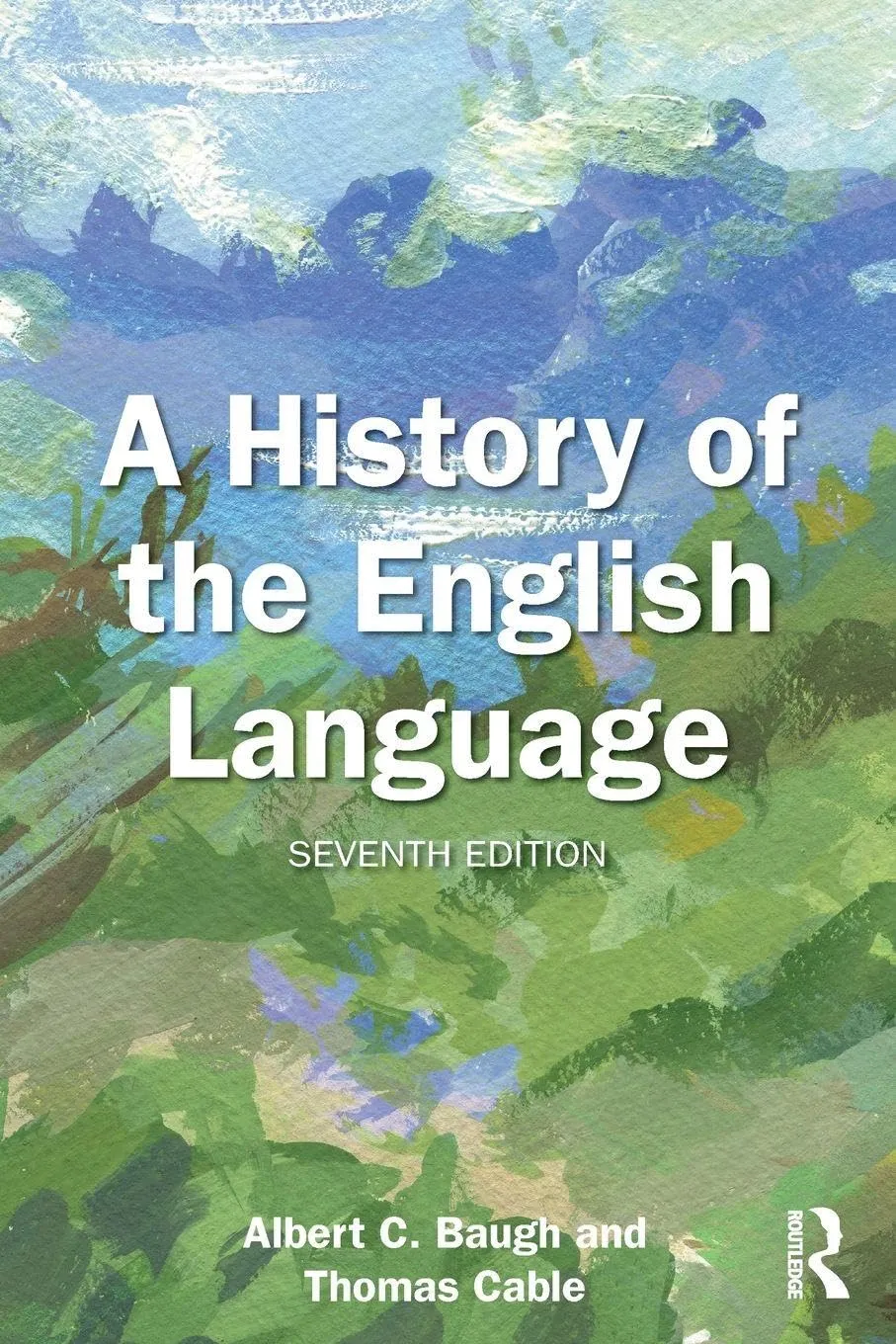
First published in 1935 and regularly updated and republished in new editions ever since, A history of the English language has been the authoritative textbook on the history of English for nearly a century. And now the 7th edition has just been released! Grab a copy here:
👋🏼 Till next week!
The most-spoken language other than English in each U.S. state
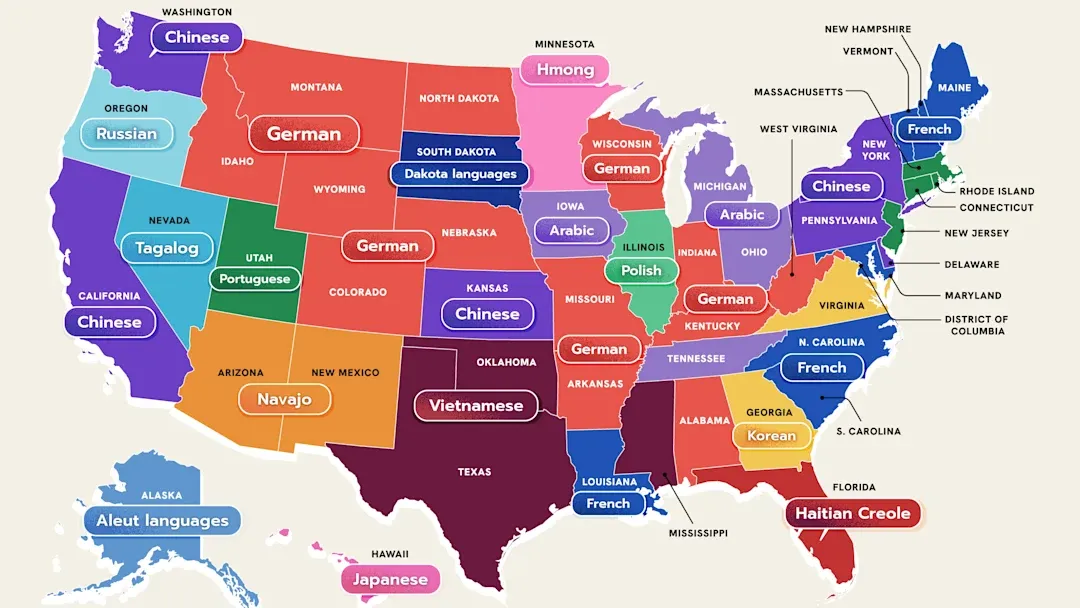
 Paul Anthony Jones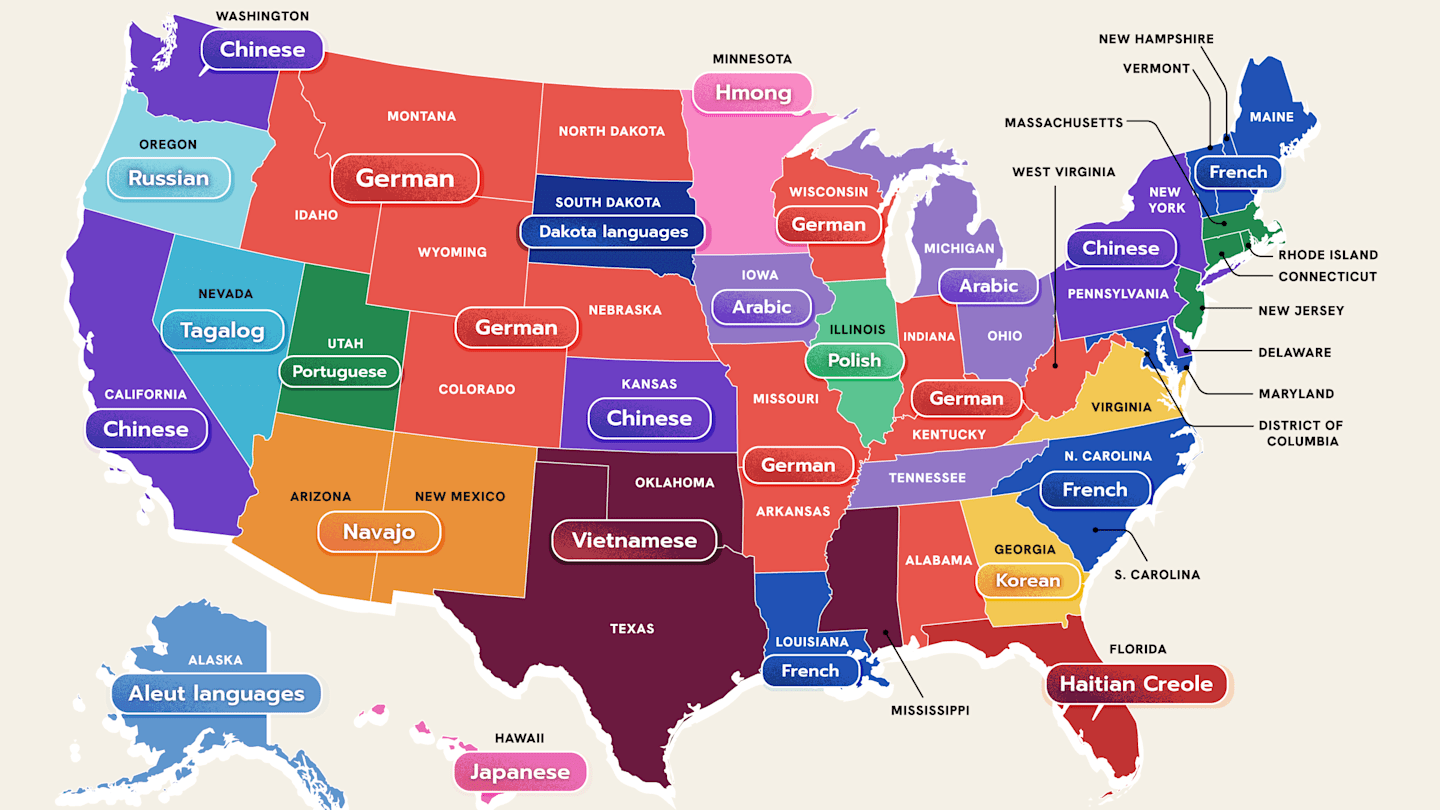
If you’d like to support Linguistic Discovery, purchasing through these links is a great way to do so! I greatly appreciate your support!
Check out my Amazon storefront here.
Check out my Bookshop storefront here.