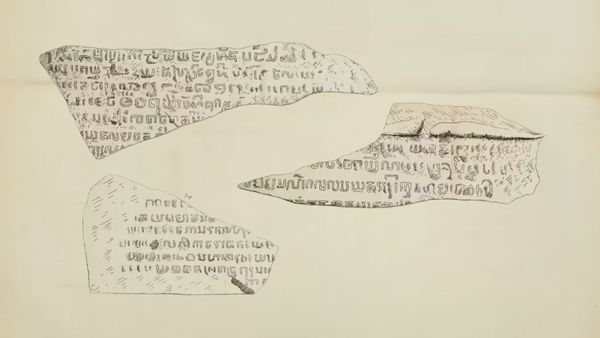
Did Homo erectus have language?
Also this week: Did writing just get pushed back tens of thousands of years? + How slang works + We finally understand why horses whinny


Welcome to this week’s edition of Discovery Digest, a weekly roundup of the latest language-related news, research in linguistics, interesting reads from the week, and newest books and other media dealing with language and linguistics!
📢 Updates & Announcements
Announcements and what’s new with me and Linguistic Discovery.
How slang works: Interview with Psychology Today
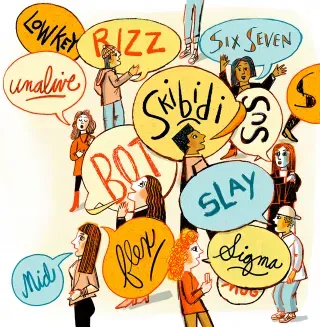
Gary Drevitch at Psychology Today recently interviewed me for a great piece, published this week, about how slang works, where it comes from, and the role it plays in society. Also interviewed for the piece were Adam Aleksic (@EtymologyNerd, author of Algospeak: How social media is transforming the future of language [Amazon | Bookshop]) and linguist Valerie Fridland (author of Why we talk funny: The real story behind our accents [Amazon | Bookshop] and Like, literally, dude: Arguing for the good in bad English [Amazon | Bookshop]).

🆕 New from Linguistic Discovery
This week’s content from Linguistic Discovery.
Did new research just push back the date of the earliest writing by 30,000 years?
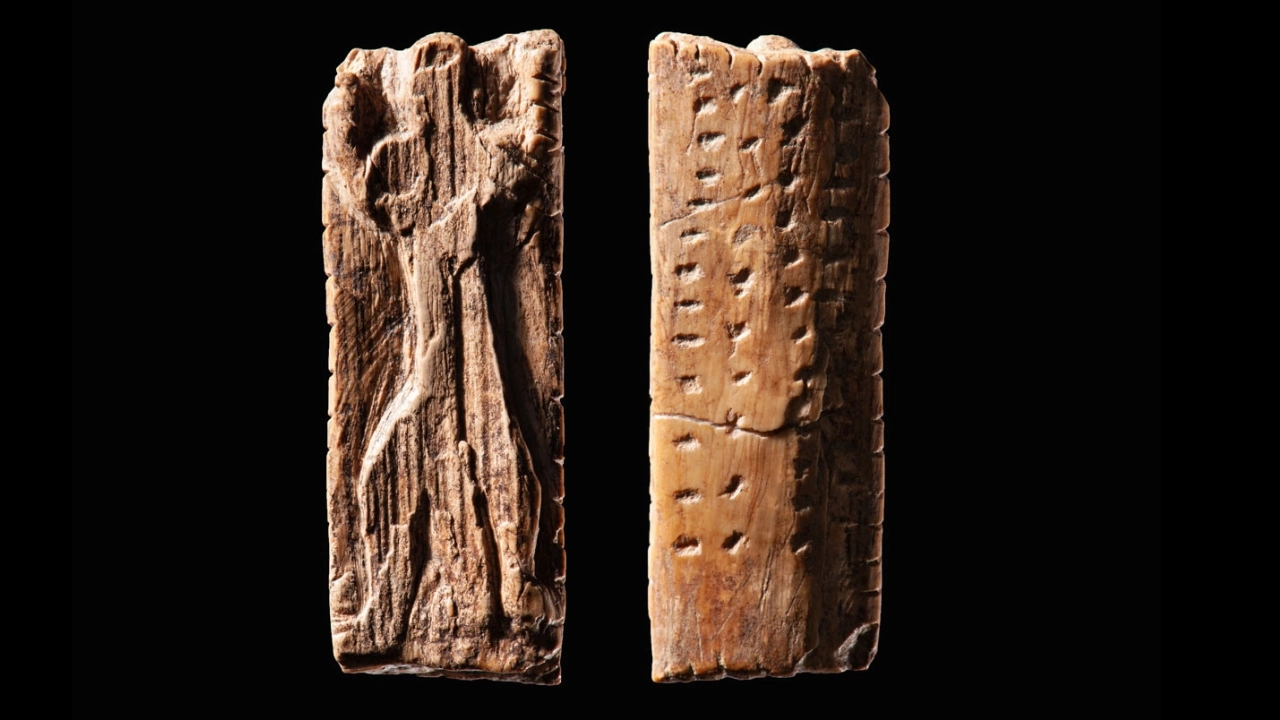
Nope. The findings of a new study are even cooler than that.
Researchers looked at over 3,000 engravings on 260 artifacts from the time period when the first Homo sapiens arrived in Europe (the Upper Paleolithic), and found that they were strikingly similar to proto-cuneiform, the precursor to cuneiform, the world’s first writing system. Some media outlets reported on this study by saying that “Stone Age symbols may push back the earliest form of writing” (New Scientist) or “Ancient art could hold clues to the origins of written language” (Scientific American).
Big if true. But these headlines are misleading.
In the latest issue of the Linguistic Discovery newsletter, we’ll look at what the new study actually found, why it doesn’t push back the date of the earliest writing by tens of thousands of years, and why the findings are actually way cooler, giving us insight into the very nature of what it is to be human.
 Daniel W. Hieber, Ph.D.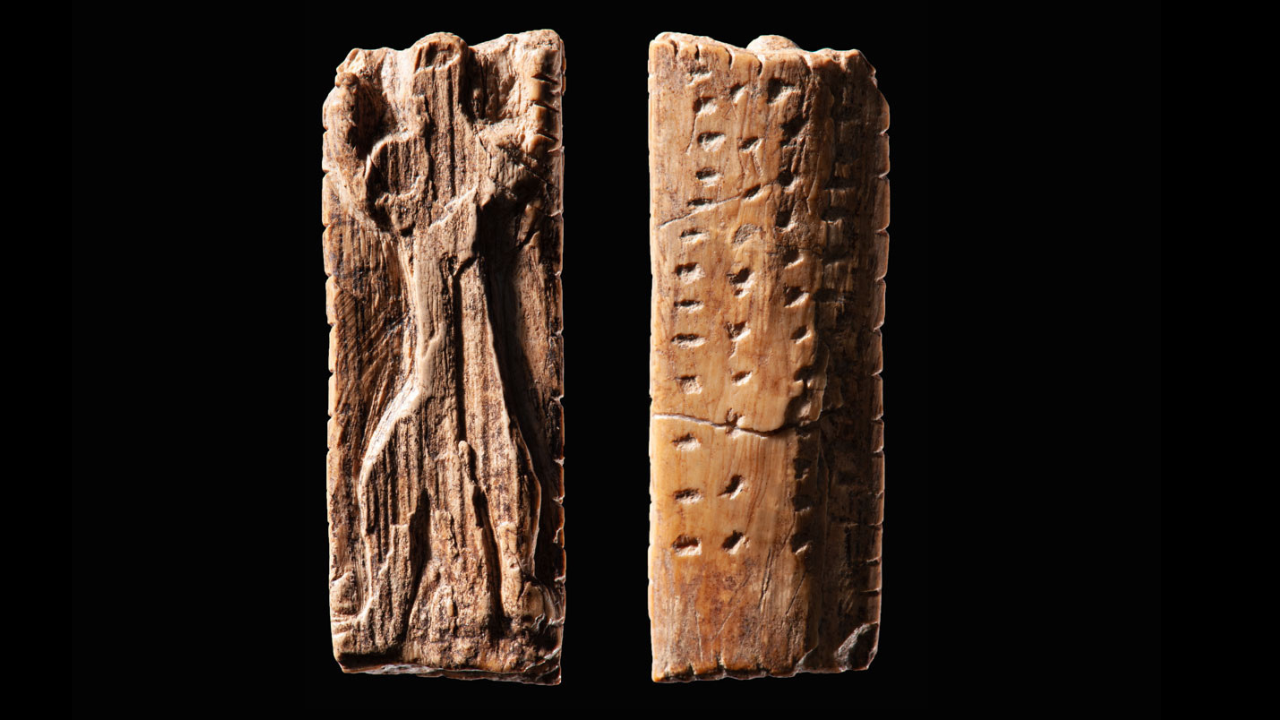
🗞️ Current Linguistics
Recently published research in linguistics.
Did Homo erectus have language? A new review article says yes

There’s a longstanding debate over the intellectual capabilities of Homo erectus, but a new review article in the journal Biological Theory looks at the available evidence on brain size, vocal anatomy, genetics / population genetics, and archaeology to conclude that they did indeed have a form of vocal language.
 Casey Luskin
- Yao & Yao. 2026. Did Homo erectus have a (vocal) language? Biological Theory. DOI: https://doi.org/10.1007/s13752-025-00521-8.
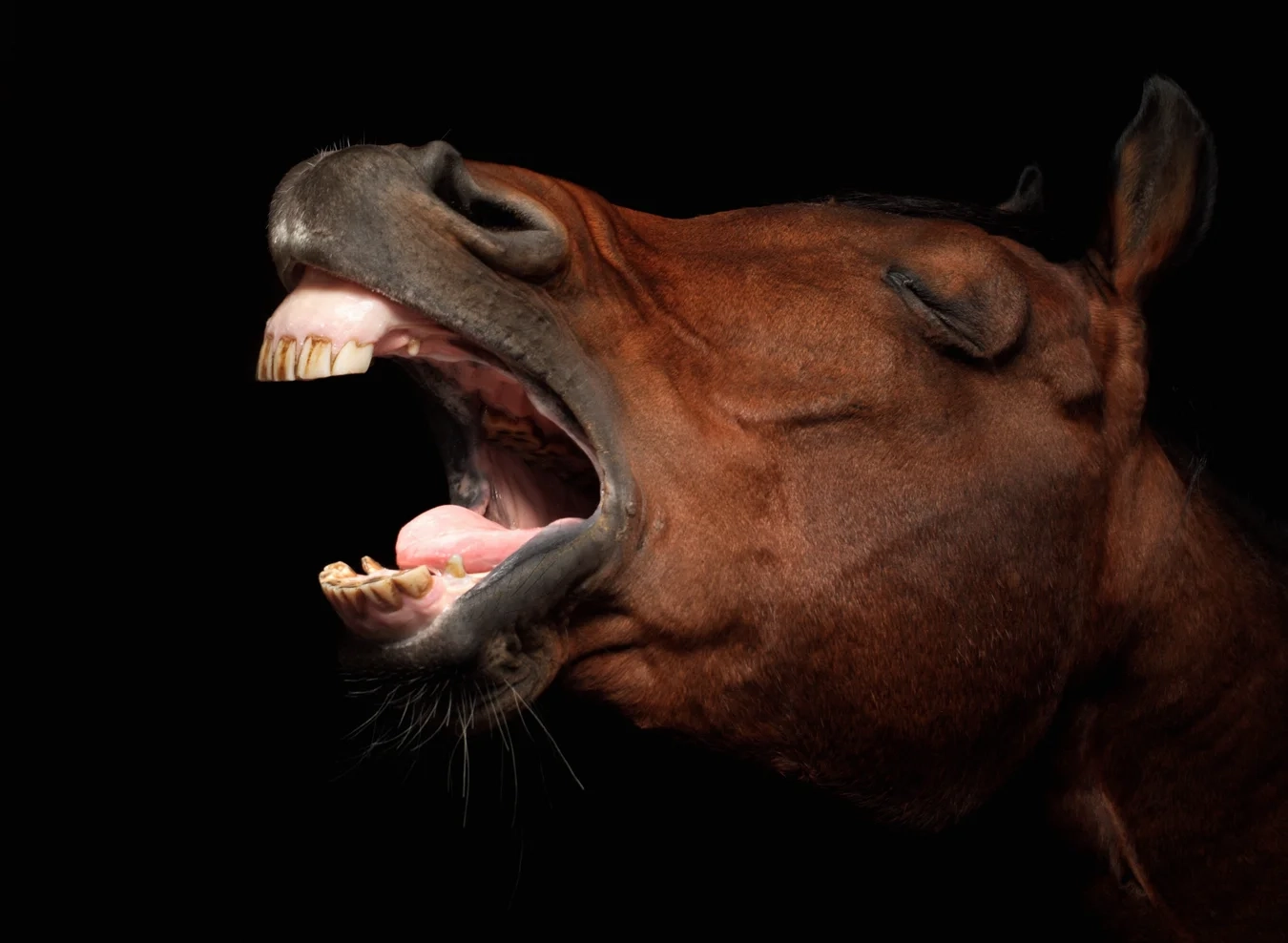
Horses whinny by making sounds in a unique way that is not seen in other animals
I’m filing this one under “Phonetics”:
How horses whinny has long been a mystery. The sound is quite distinct from any other in the animal kingdom. And now scientists think they’ve discovered why: horses whinny by producing sounds at two frequencies at the same time—much like singing and whistling simultaneously.
 Jackie Flynn Mogensen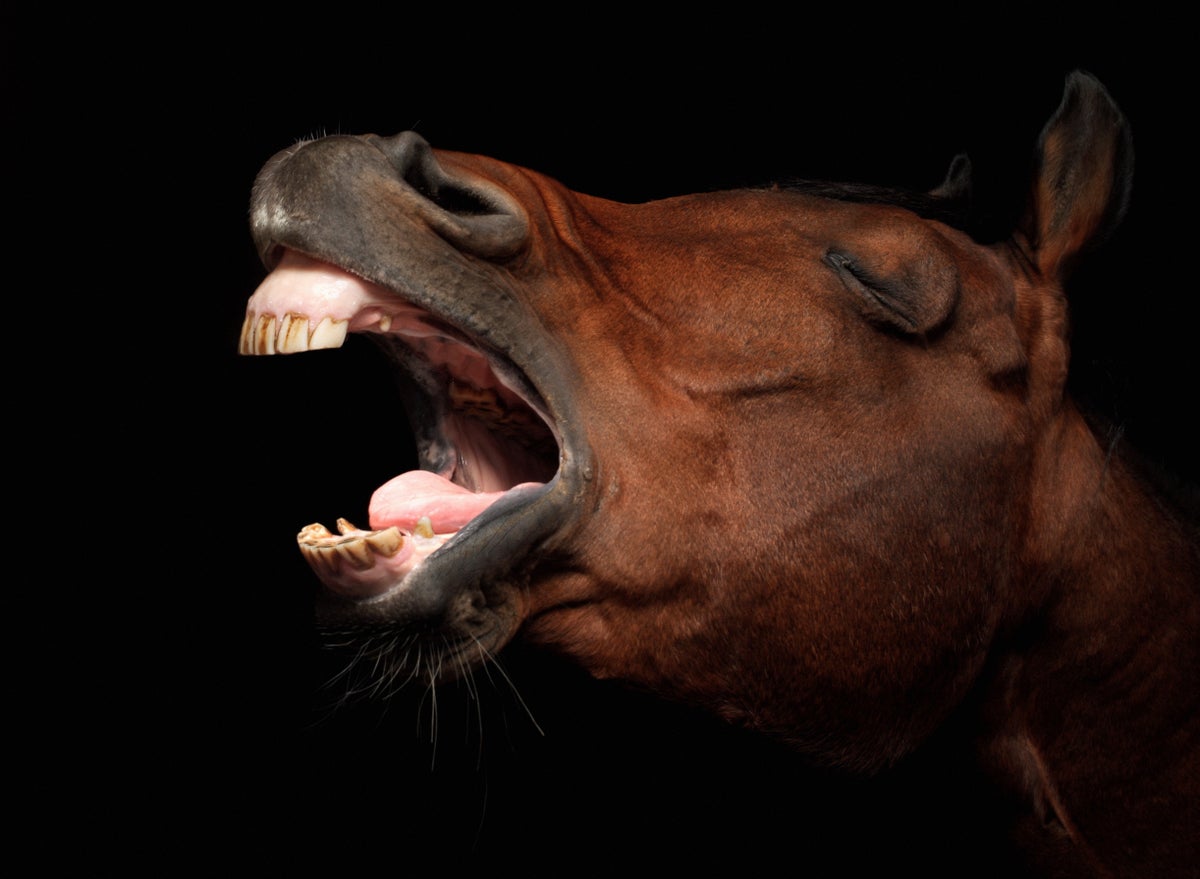
- Lefèvre et al. 2026. The high fundamental frequency in horse whinnies is generated by an aerodynamic whistle. Current Biology 36(4): 902–911.e4. DOI: https://doi.org/10.1016/j.cub.2026.01.004.
Brain scans show your native language shapes the way your brain is wired
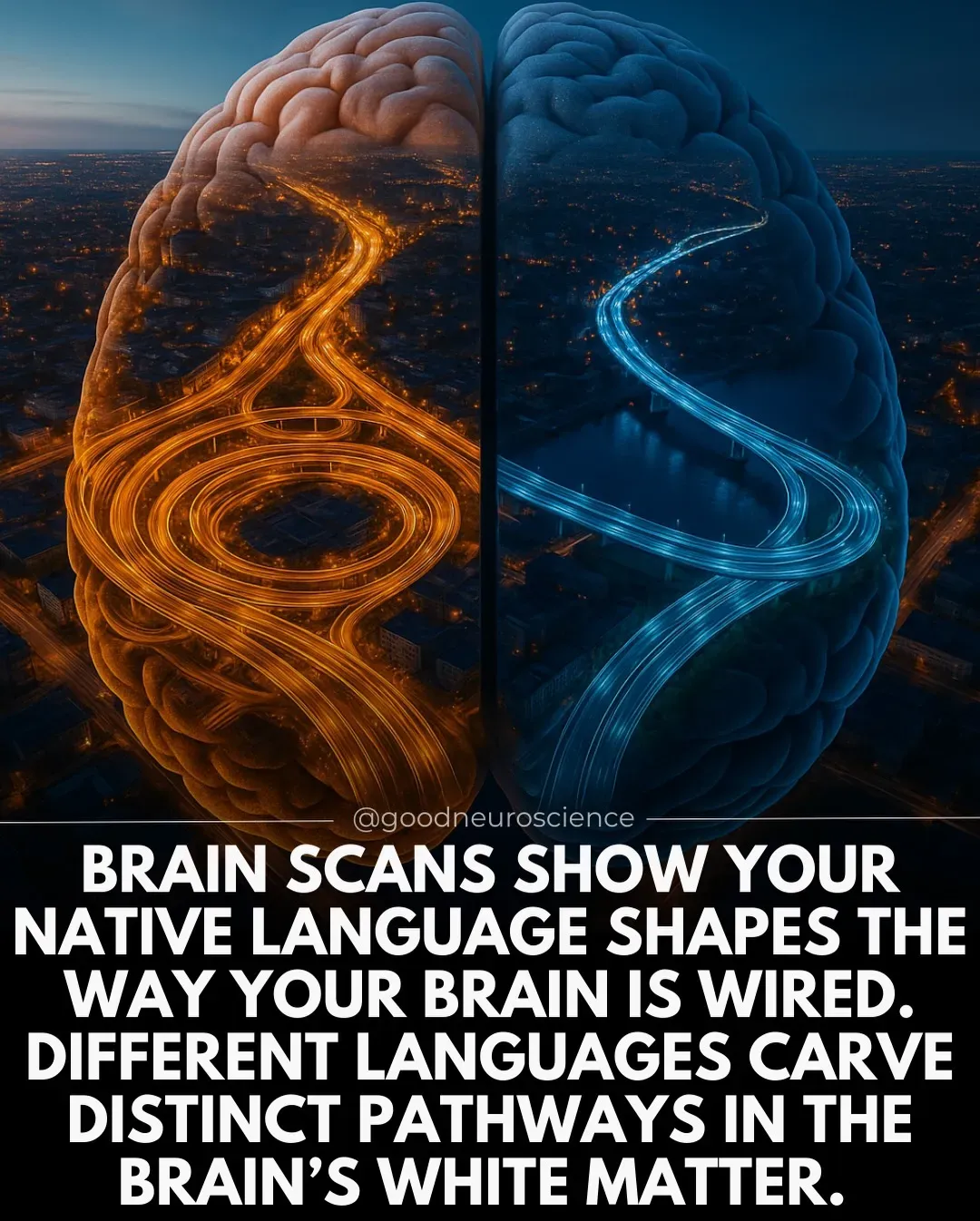
- Brain scans show your native language shapes the way your brain is wired. Different languages carve distinct pathways in the brain’s white matter (Good Neuroscience)
- Wei et al. 2023. Native language differences in the structural connectome of the human brain. NeuroImage 270(15). DOI: https://doi.org/10.1016/j.neuroimage.2023.119955.
📃 This Week’s Reads
Interesting articles I’ve come across this week.

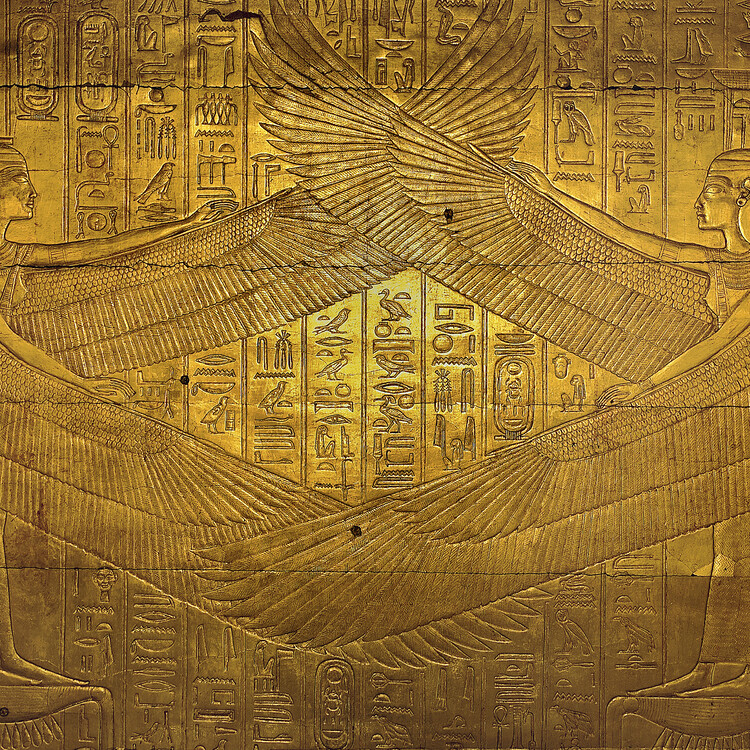
- How hieroglyphs became the sacred script of the ancient Egyptians: The Egyptians believed that hieroglyphs offered magical protection to people in this life and the afterlife, and inscribed the signs on monuments, statues, funerary objects, and papyri.
 Jennifer Gunner
 Sarah-Louise Kelly
 Andreea S. Calude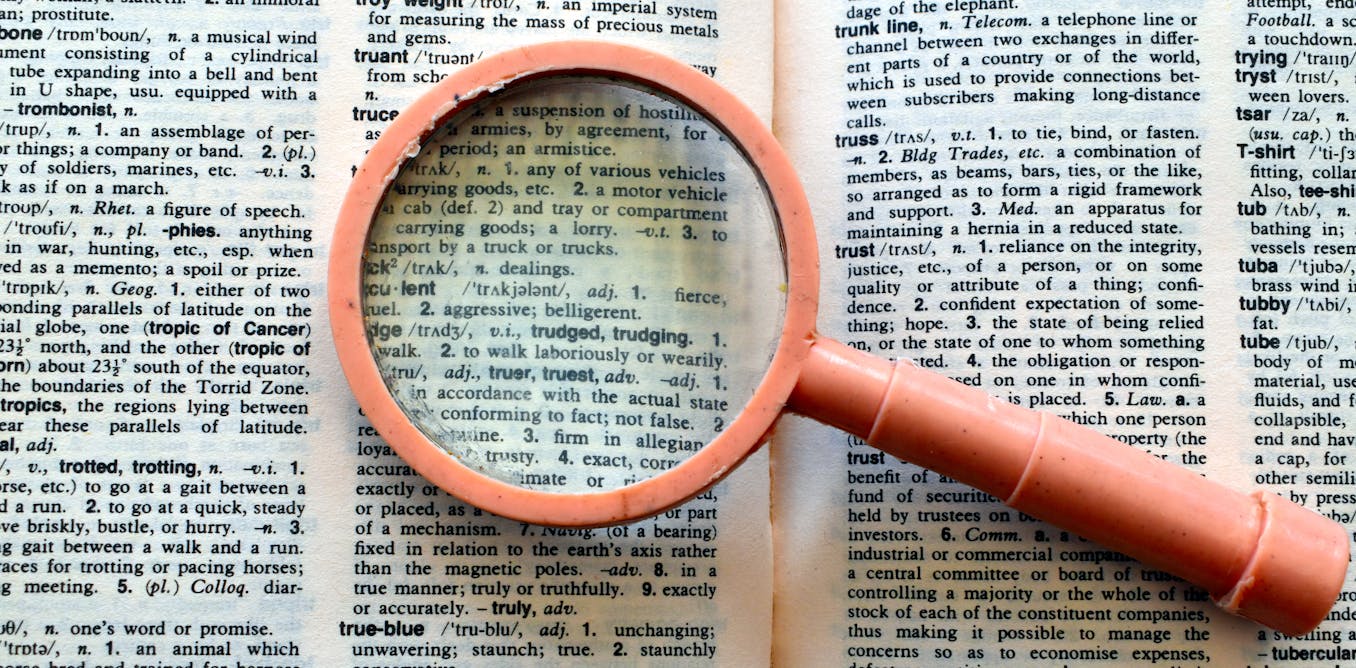
 Claudia López Lloreda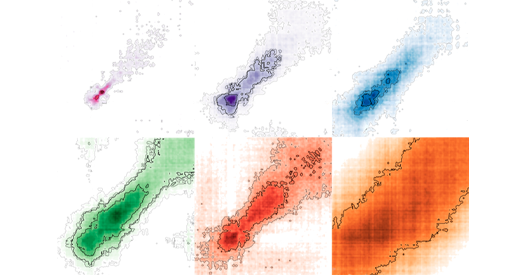
- Dynamic coding helps explain how the brain processes multiple features of speech—from the smallest units of sounds to full sentences—simultaneously.
📚 Books & Media
New (and old) books and media touching on language and linguistics.
Taboos & Slurs: John McWhorter on Words Unravelled
Jess Zafarris and Rob Watts of the Words Unravelled podcast recently did an interview with linguist John McWhorter about taboo words and slurs. It was a great interview, well worth checking out!
The Great Vowel Shift (Rob Words)
Rob Words also has an excellent overview of the Great Vowel Shift over on YouTube.
👋🏼 Till next week!
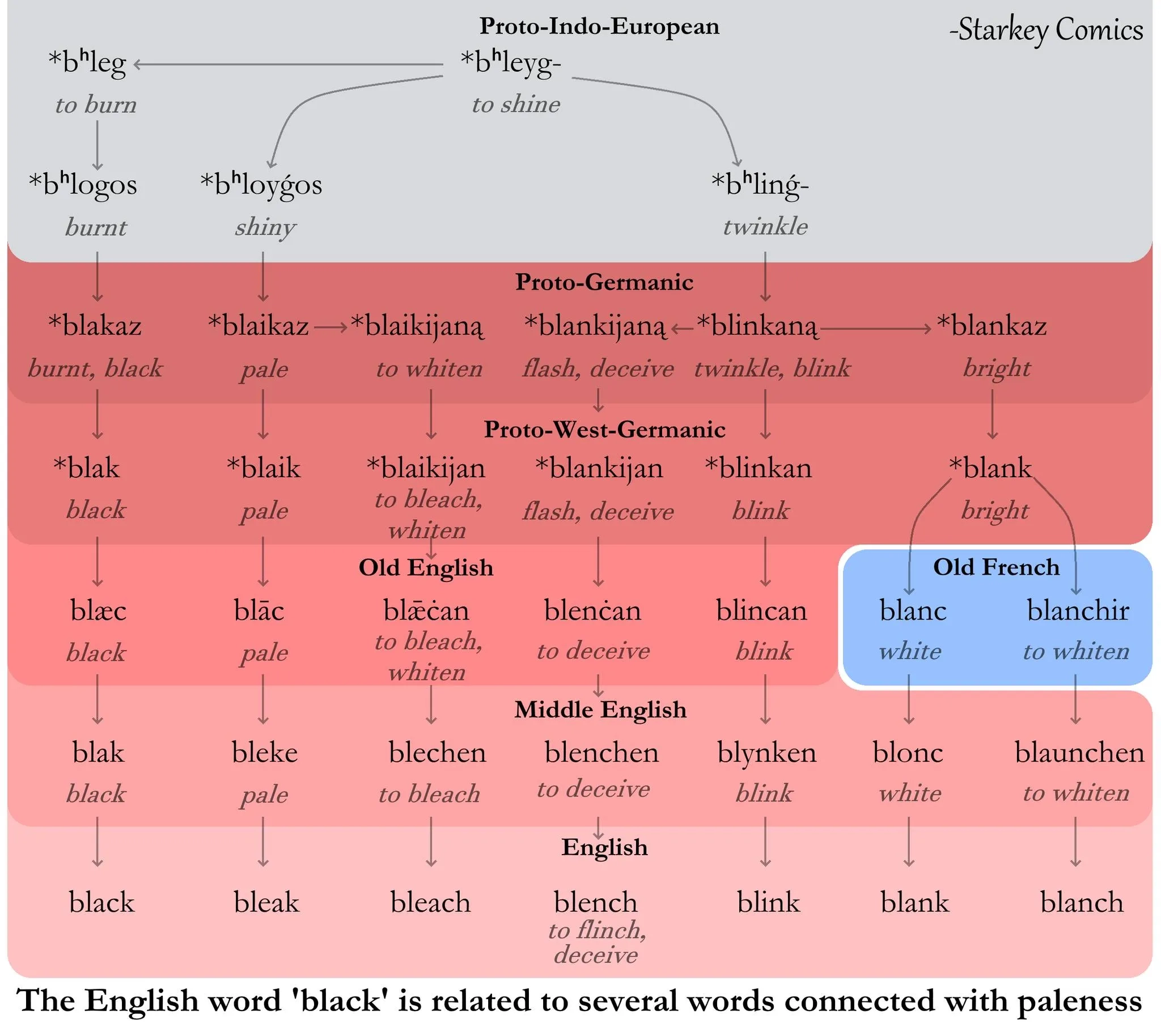
Did you know that the English word black is related to the word for ‘white’ in other Indo-European languages? Starkey Comics has all the details here.
If you’d like to support Linguistic Discovery, purchasing through these links is a great way to do so! I greatly appreciate your support!
Check out my Amazon storefront here.
Check out my Bookshop storefront here.