Deciphering the Singapore Stone
Also this week: The linguistics of Project Hail Mary + The beautiful linguistic chaos of Iran + Your dog might be eavesdropping on you (linguistically)


Welcome to this week’s edition of Discovery Digest, a weekly roundup of the latest language-related news, research in linguistics, interesting reads from the week, and newest books and other media dealing with language and linguistics!
📢 Updates & Announcements
Announcements and what’s new with me and Linguistic Discovery.
Writing linguistics for general audiences
Back in February I joined LingCommers (Linguistics Communicators) Danny Bate, Jess Zafarris, Gaston Dorren, and Marco Neves as part of a panel on writing linguistics for general audiences, and now the video is available! If you’re also interested in LingComm and want to learn more, have a watch:
A Language I Love Is… Chitimacha!

I appeared on the podcast A Language I Love Is… this week to talk to Danny L. Bate, author of the book Why Q needs U: A history of our letters and how we use them (Amazon | Bookshop), about my work with the Chitimacha tribe of Louisiana to help revitalize their language. This is now the second time I’ve been interviewed by Danny (the first being as part of a panel on writing linguistics for public audiences), and it’s quickly become apparent to me that he’s very good at it. His excellent questions gave me a chance to talk about language endangerment and revitalization a bit more generally, as well as some cool facts about language isolates and the history of linguistics. Have a listen at the links!
Also be sure to check out Danny’s Substack here:
 Substack
In the podcast I also mention a few chapters I’ve written about the Chitimacha language. You can read those here:
- The Chitimacha language: A history. In Language in Louisiana: Community and culture (America’s Third Coast), pp. 9–27. (2019). University Press of Mississippi.
- Chitimacha. In The languages and linguistics of indigenous North America: A comprehensive guide, Vol. 2 (The World of Linguistics 13.2), pp. 1519–1543. (2024). De Gruyter.
🆕 New from Linguistic Discovery
This week’s content from Linguistic Discovery.
What type of language is Eridian, question?
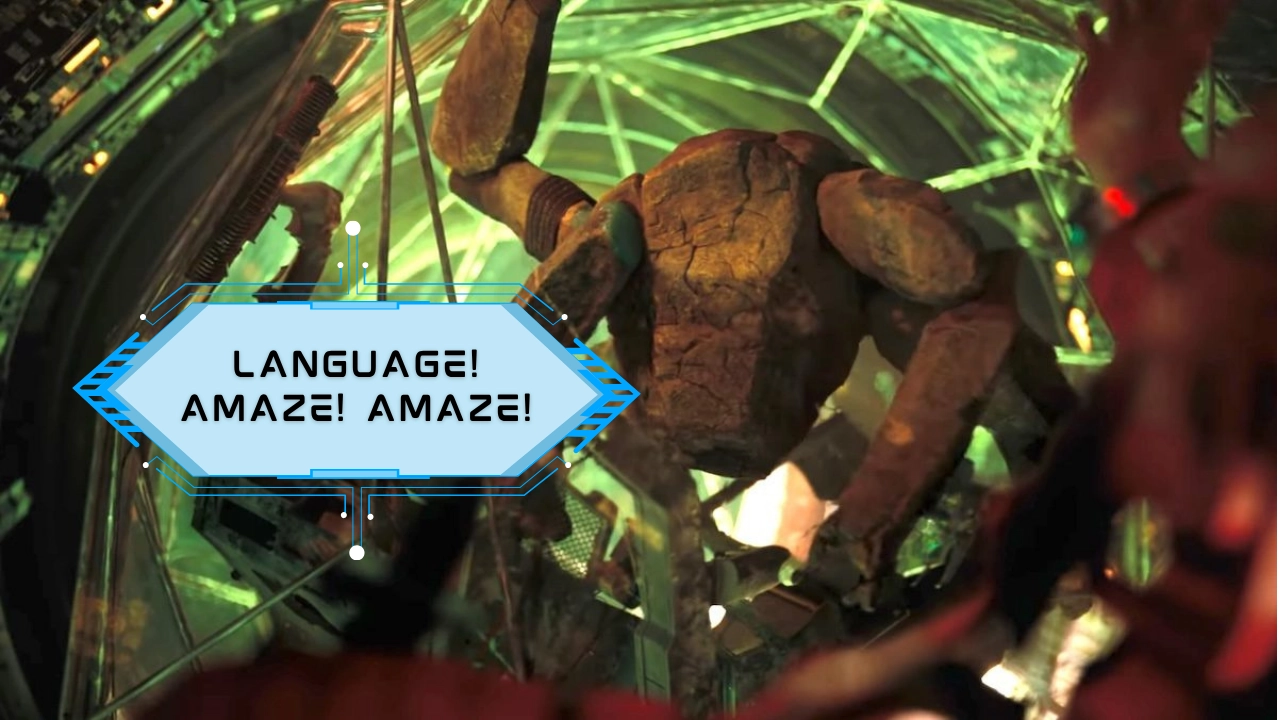
There are few things I enjoy more than a sci-fi story where the characters have to figure out how an alien language works. Why? Because it’s linguistic fieldwork! Xenolinguistics! When writers handle this well, the methods of decipherment adopted by the characters look remarkably like how real-world linguists approach the process of documenting a hitherto undocumented language, and you get fantastic stories like Denis Villeneuve’s movie Arrival, based on Ted Chiang’s short story “Story of Your Life”. And when writers handle this poorly, you get Star Trek’s universal translator—the most boring and implausible linguistic plot device in the history of linguistic plot devices. (Why would you minimize the amount of linguistics in a story? It makes no sense! Even The Hitchhiker’s Guide to the Galaxy takes a paragraph to explain how babelfish work.)
So imagine my delight when I discovered 176 pages into Project Hail Mary that I was about to get another interspecies language documentation project! Jazz hands! 👐 In this article I look at the linguistics of Project Hail Mary and see how it holds up against the real-world science. Since the movie was pretty faithful to the book in terms of linguistics, this should serve as a useful explainer for the movie as well.
 Daniel W. Hieber, Ph.D.
Do all cultures use baby talk?
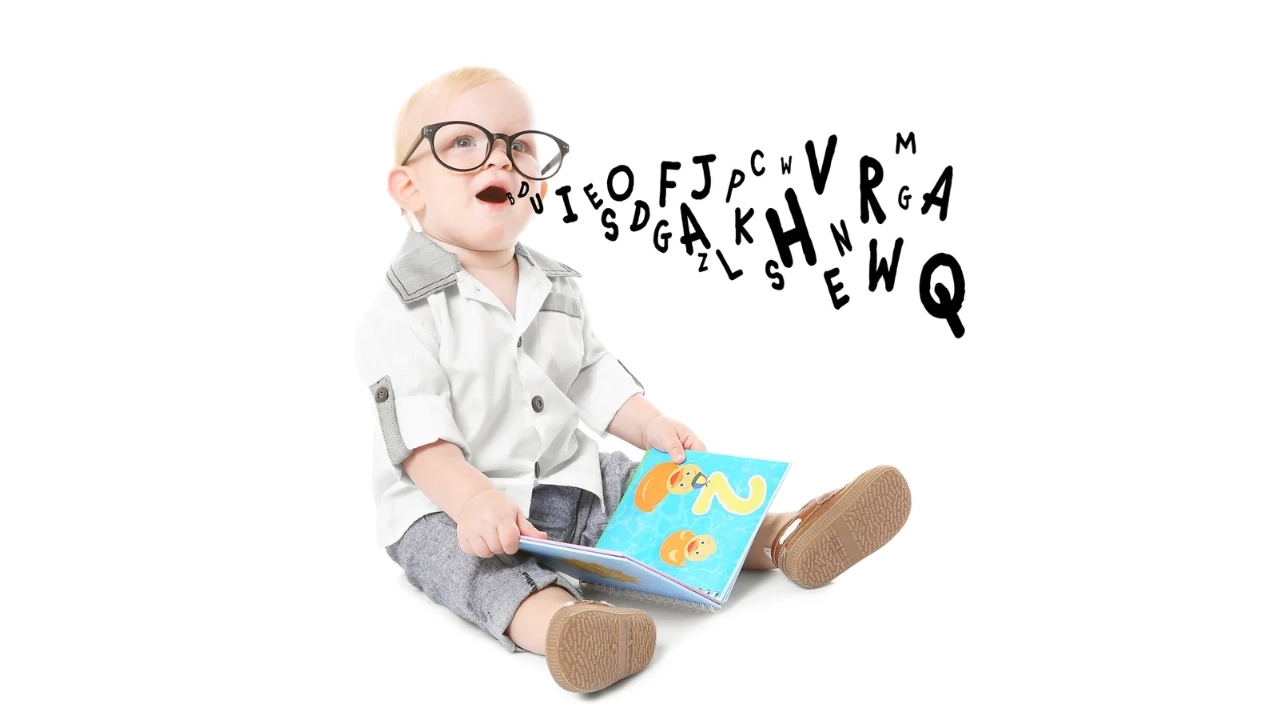
Is baby talk universal? Or is it just a weird American habit that most cultures don’t do?
In the latest issue of my series on the science of talking to tiny humans, we’ll look at claims that some languages don’t have baby talk, and see whether they hold up to scrutiny.
 Daniel W. Hieber, Ph.D.
Check out the rest of the series at the links below!
ℹ️ Articles in this Series
- Part 1: Why you should be talking to your infant
- Part 2: What’s the point of baby talk?
- Part 3: Is baby talk good for your child?
- Part 4: Do all cultures use baby talk?
- Part 5: Baby talk in the languages of the world [forthcoming]
- Part 6: How much should you talk to your child?
- Part 7: What really matters when talking to your child
📰 In the News
Language and linguistics in the news.
India aims to make its national AI available in the country’s many languages

About 2 years ago, India’s Maharashtra state took advantage of the nation’s government-backed artificial intelligence platform, Bhashini, to launch an AI-powered app for farmers. The goal was to provide information on topics such as government agriculture schemes, weather, pests, and crop prices in the state’s dominant Marathi language. It wasn’t long before officials in the largely tribal district of Nandurbar received a call. The app made no sense to people speaking an ancient tribal Bhili language, the caller said. Could their language please be included, too?
Such are the challenges facing Bhashini, India’s ambitious effort to make AI available to everyone in a country of 1.4 billion, with deep disparities in education and economics and countless languages. “There are over 100 languages spoken in India with thousands of dialects and less than 25 to 30 languages are included in AI space so far,” says Santosh Kevlani, voice and language head at Bengaluru, India–based EkStep Foundation, which supports open digital tech for large-scale social impact.
Deciphering the Singapore Stone
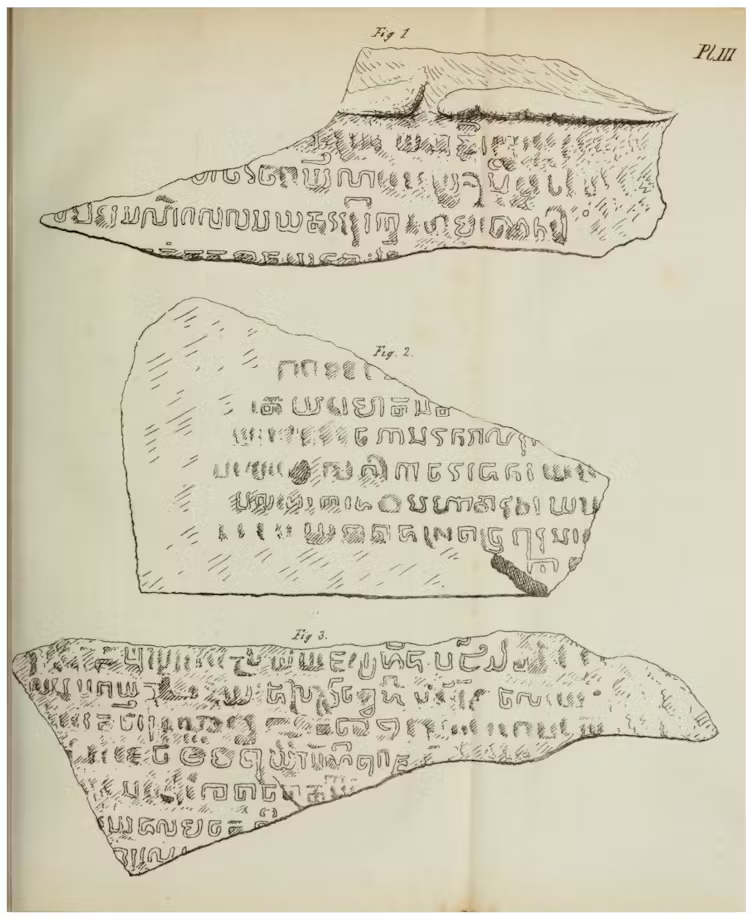
Researchers have developed a new text prediction algorithm aimed at deciphering the Singapore Stone—and any other fragmentary texts.
 Francesco Perono Cacciafoco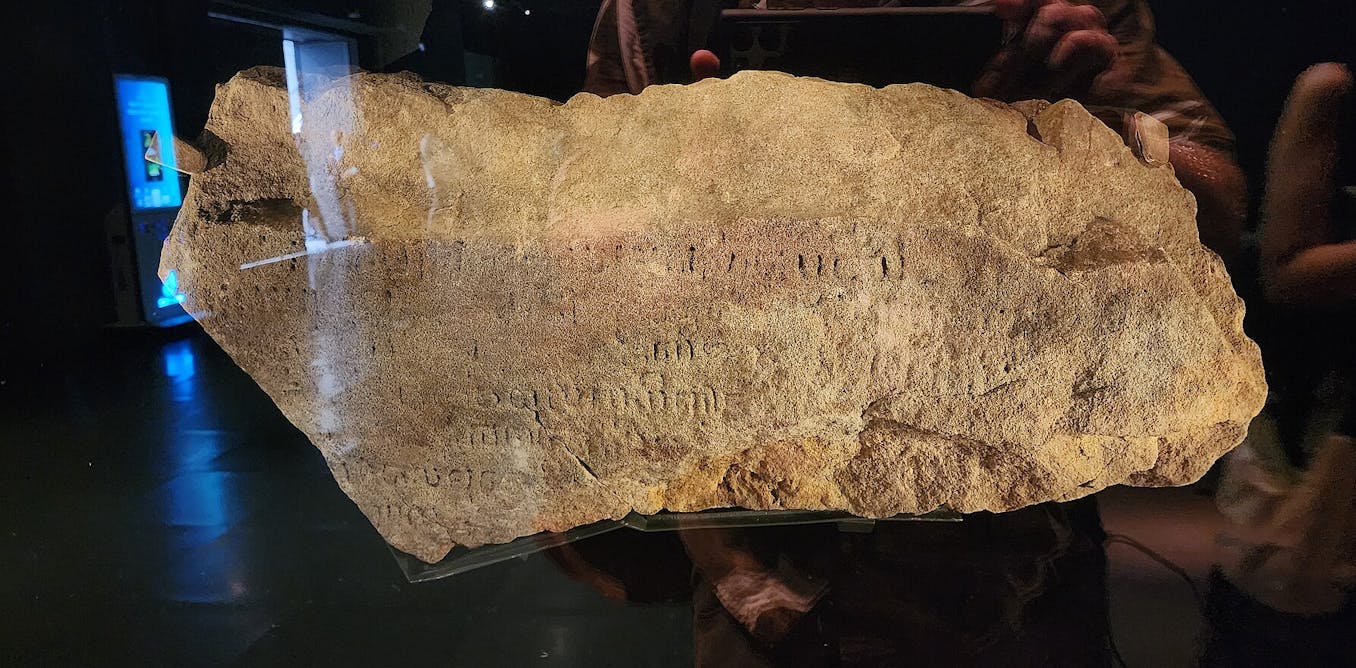
🗞️ Current Linguistics
Recently published research in linguistics.
More (misrepresentative) reporting on Stone Age proto-writing
Popular Mechanics reports on a recent study, which I wrote about the other week, that finds evidence that Paleolithic engravings were actually a form of proto-writing. But like most media outlets that have reported on the study, Popular Mechanics conflates writing (the graphical representation of language) with proto-writing (which only conveys limited, non-linguistic information). Basically, they confuse writing with symbols. All writing is symbolic, but not all symbols are writing.
 Elizabeth Rayne
Want to learn more about the difference between writing and proto-writing, and how the findings from that study are even cooler than “oldest writing discovered”? Check out this issue of the newsletter:
 Daniel W. Hieber, Ph.D.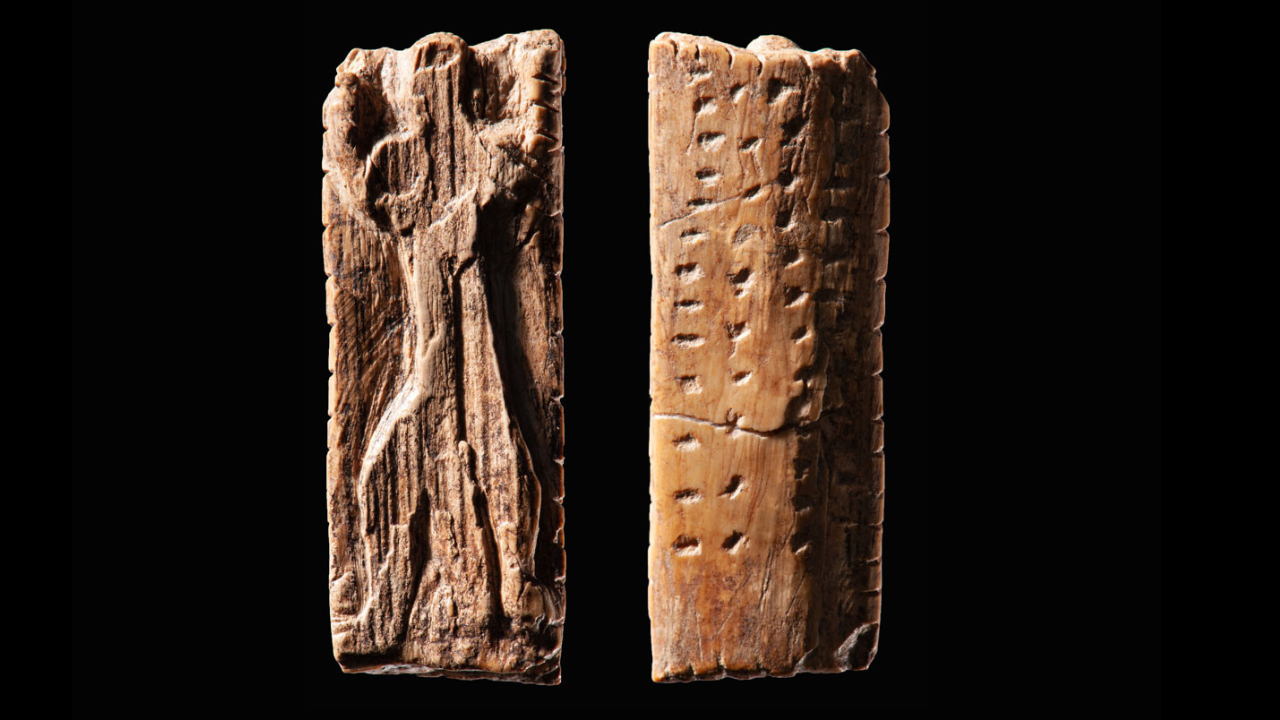
Your dog might be eavesdropping on you (linguistically)
This is some additional reporting on research I reported a couple weeks back about the certain dog prodigies that learn words like human infants do:
 harriet.willmothourmedia.co.uk
- Dror et al. 2026. Dogs with a large vocabulary of object labels learn new labels by overhearing like 1.5-year-old infants. Science 391(6781): 160–163. DOI: https://doi.org/10.1126/science.adq5474.
📃 This Week’s Reads
Interesting articles I’ve come across this week.
A brief introduction to Icelandic and the language history of Iceland:
 Jacyb Porter
 Colin Gorrie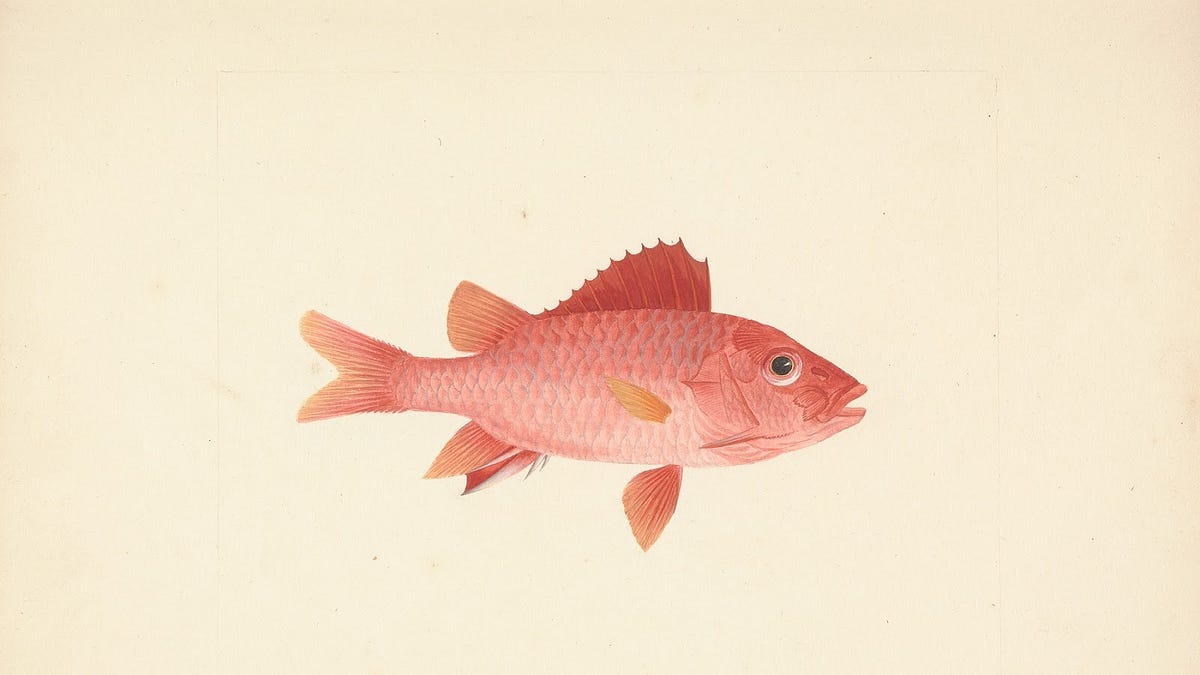
 The New World
 Lee Hutchinson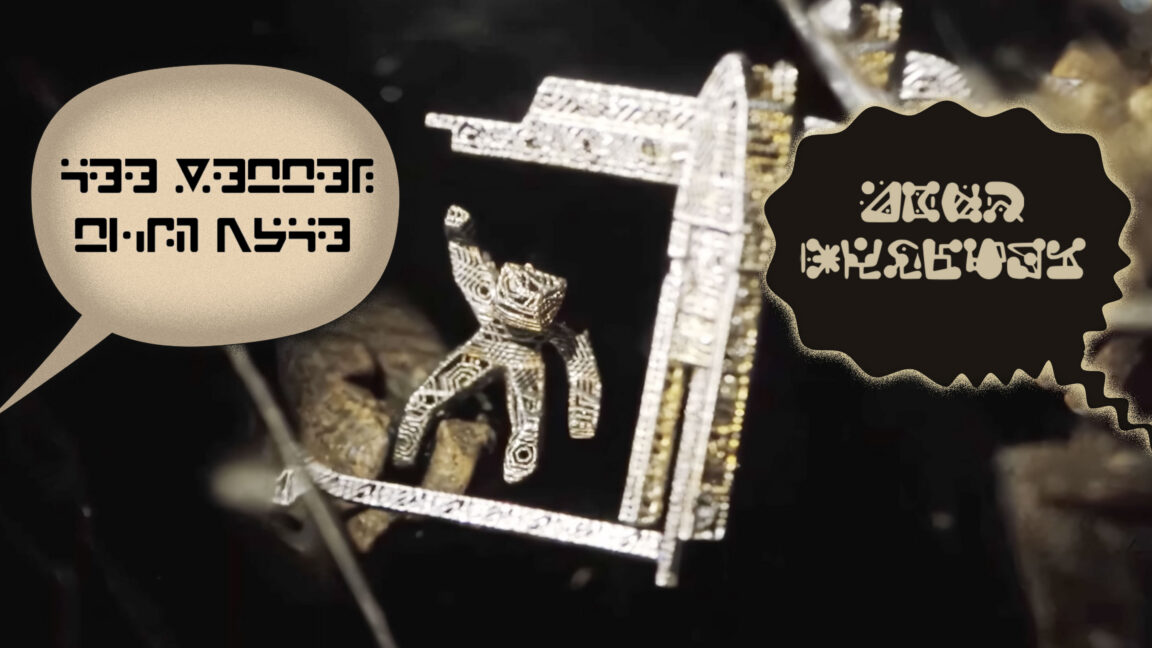
Check out my own take on this topic here:
 Daniel W. Hieber, Ph.D.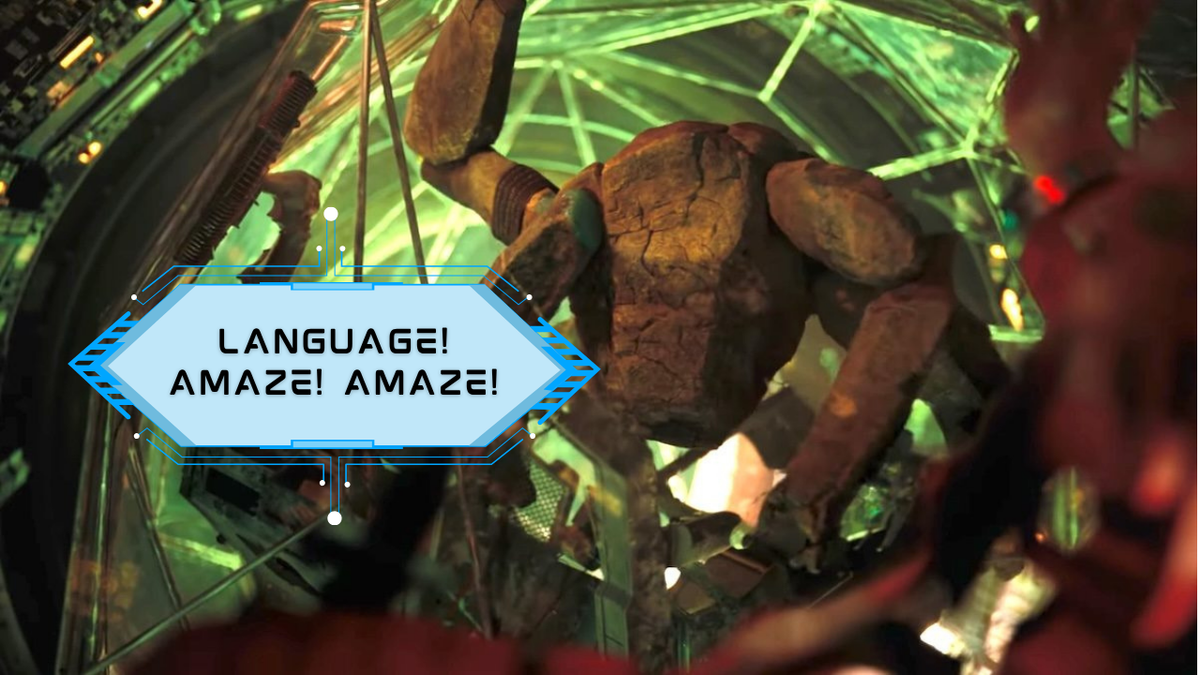
👋🏼 Till next week!
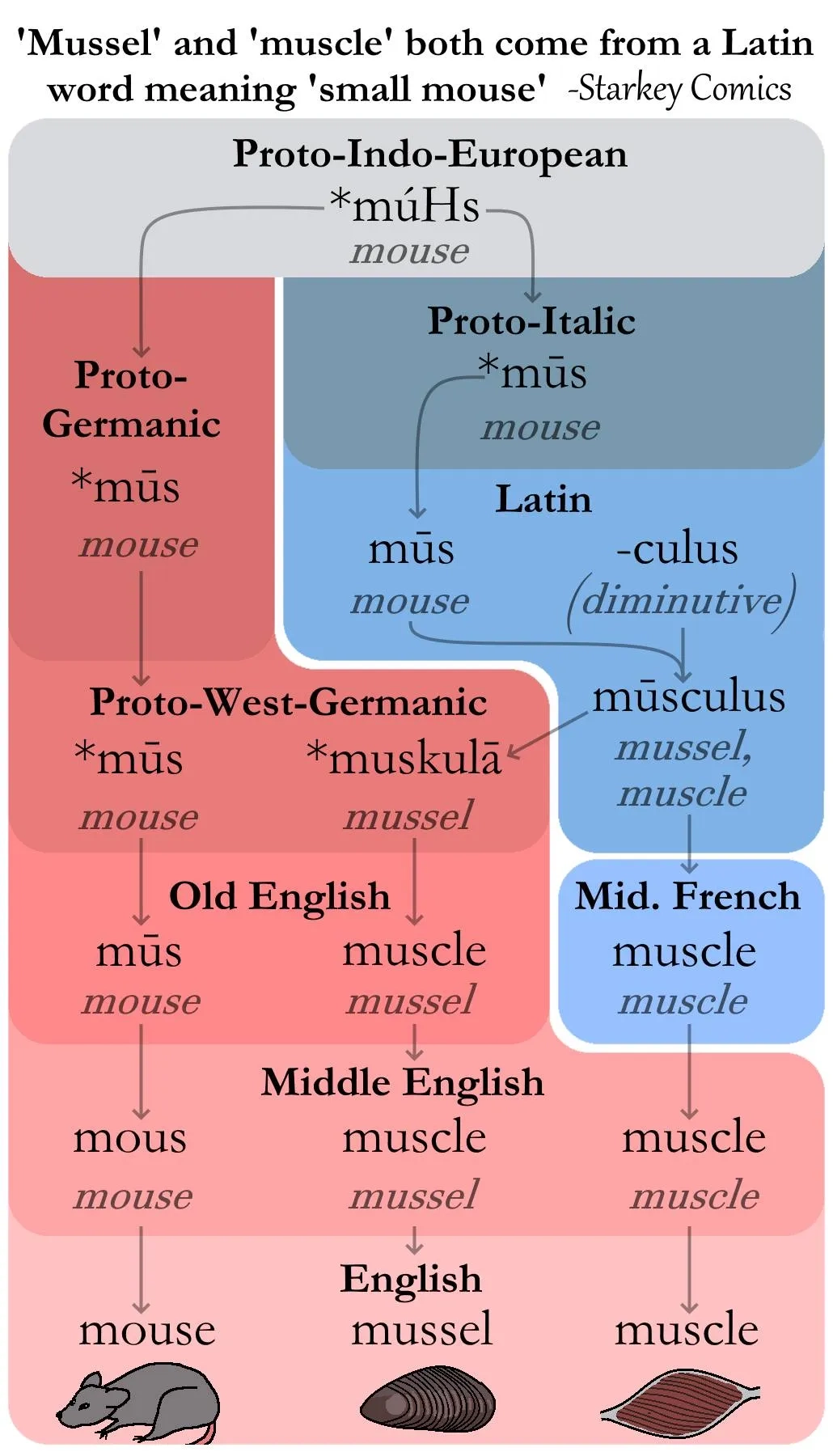
The words muscle and mussel both come from a word meaning ‘small mouse’! Starkey Comics has the details here.
If you’d like to support Linguistic Discovery, purchasing through these links is a great way to do so! I greatly appreciate your support!
Check out my Amazon storefront here.
Check out my Bookshop storefront here.