Current Linguistics
Is the dictionary dead? Or merely changing?
Also in this week’s digest: Why Morse Code didn’t work for Chinese + Words affect us based on how they sound + Your brain processes language more alike to AI than we previously thought
Current Linguistics
Also in this week’s digest: Why Morse Code didn’t work for Chinese + Words affect us based on how they sound + Your brain processes language more alike to AI than we previously thought
Current Linguistics
Also this week: Researchers determine that bees understand morse code + ⅓ of grammatical universals stand up to rigorous testing
Current Linguistics
Also this week: AI models can now analyze language as well as humans + The first monolingual Irish dictionary is published
Current Linguistics
Also this week: How playing a musical instrument helps children learn to read + Why AI is not like humans
Current Linguistics
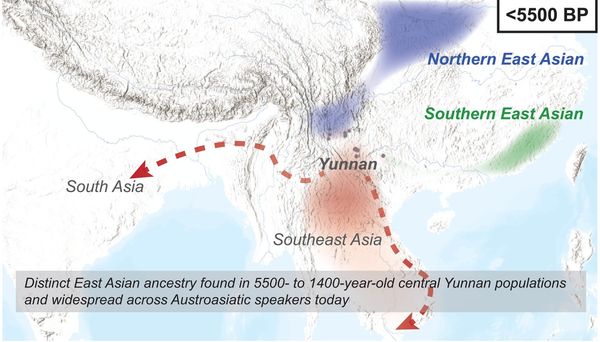
Also this week: How our DNA holds the history of our language + The Cambridge dictionary adds 6,000 new words—and not everybody’s happy about it. Here’s what happened this week in language and linguistics.
Newsletter
What the words “pumpkin spice” teach us about language change and indigenous history
Current Linguistics
Here’s what happened this week in language and linguistics.
Newsletter
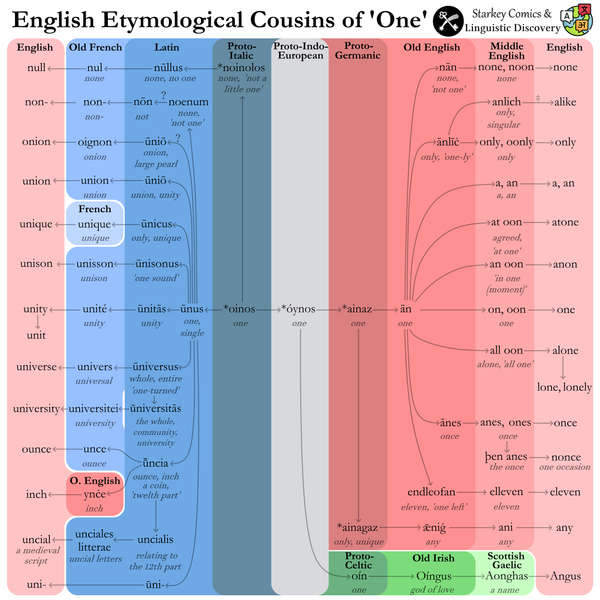
There are over thirty English words that derive from the Proto-Indo-European word for ‘one’. This is the story of how they came to be, and what that story teaches us about how language works.
Current Linguistics
Here’s what happened this week in language and linguistics.
Current Linguistics
New DNA evidence emerges in the hunt for the first speakers of Indo-European, and researchers discover that whalesong shares a property of human language never before found in the animal kingdom.
Newsletter
A language isolate is a language that is unrelated to any other known language.