Current Linguistics
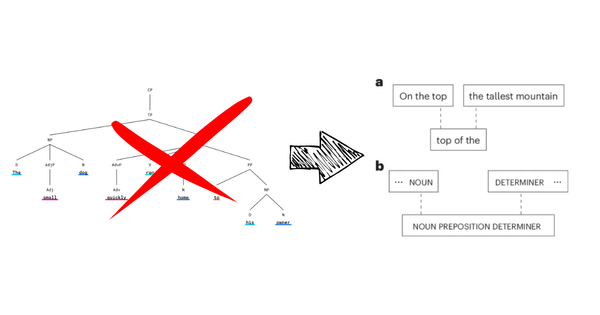
Language may not be so hierarchical after all: A new study challenges 70 years of linguistic theory
Also this week: Some dogs learn words like children + “How to kill a language”, a new book by Sophia Smith Galer

Current Linguistics
Also this week: Some dogs learn words like children + “How to kill a language”, a new book by Sophia Smith Galer

Newsletter
Why is “February” spelled with two ⟨r⟩’s even though most people only pronounce one of them?
Newsletter
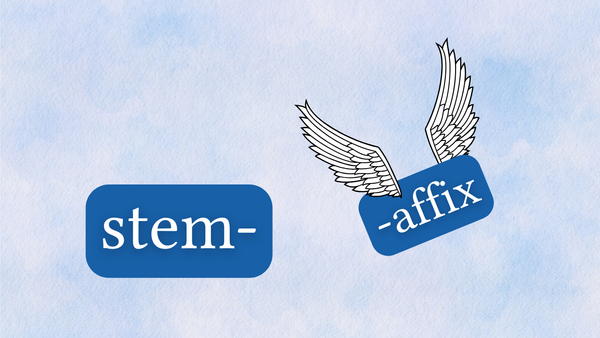
What happens when parts of words declare independence
Current Linguistics
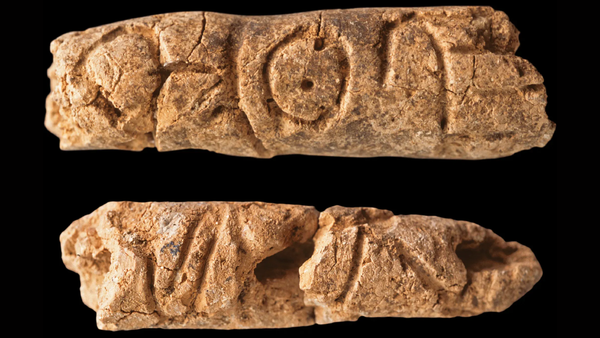
Also this week: Researchers determine that bees understand morse code + ⅓ of grammatical universals stand up to rigorous testing
Newsletter
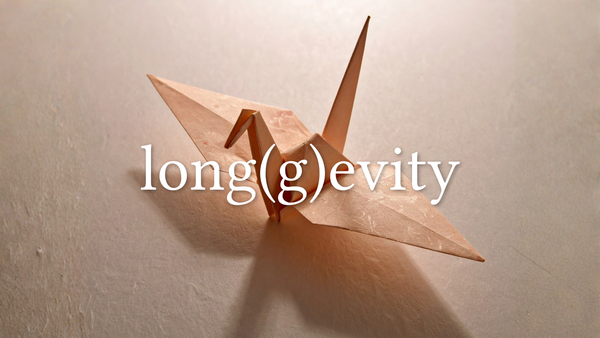
How the spelling of “longevity” is playing a mental trick on you

Current Linguistics
Also in the news this week: Merriam-Webster chooses “slop” as the 2025 Word of the Year; Gaelic and Scots now recognized as official languages in the UK; and Canada’s prime minister called out for using British spellings

Current Linguistics
Also this week: Turkic states agree on a common Latin alphabet; and researchers decode Mandarin Chinese from brain activity
Current Linguistics
Also this week: How technological advances in language modeling have allowed researchers to develop speech recognition technology even for small, endangered languages

Current Linguistics
Also this week: How playing a musical instrument helps children learn to read + Why AI is not like humans

Current Linguistics
Also this week: Smart dogs have a humanlike knack for naming new objects + Birds all over the world use the same sound to warn of threats + The Language-Lover’s Lexipedia

Current Linguistics
Also this week: The Linguistics of a Showgirl: How Taylor Swift’s accent has changed over time + We will soon be able to talk with other species—but which one will be first?
Newsletter
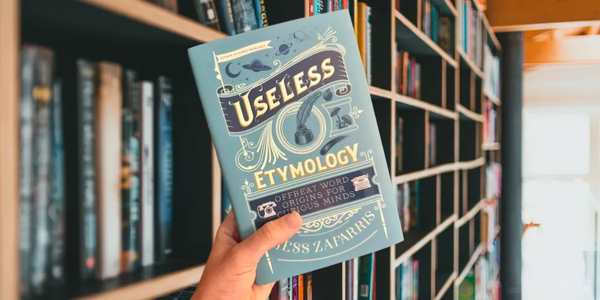
A sneak peek at Jess Zafarris’ new book, “Useless etymology: Word origins for curious minds”