Dictionary.com announces 6-7 as the word of the year
Also this week: Turkic states agree on a common Latin alphabet; and researchers decode Mandarin Chinese from brain activity

Welcome to this week’s edition of Discovery Dispatch, a weekly roundup of the latest language-related news, research in linguistics, interesting reads from the week, and newest books and other media dealing with language and linguistics!
📢 Updates & Announcements
Announcements and what’s new with me and Linguistic Discovery.
5,000 readers 🎉
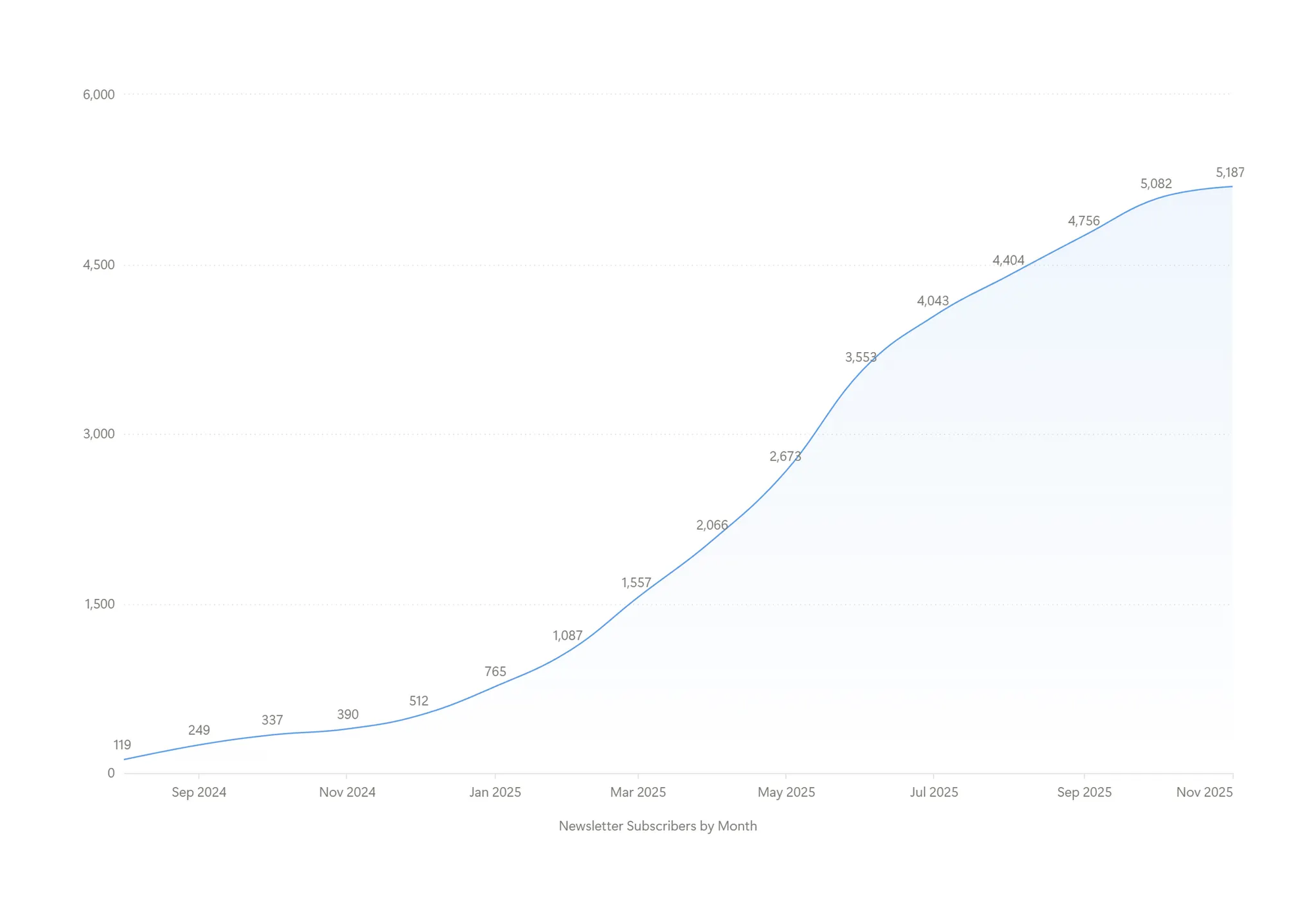
The Linguistic Discovery newsletter recently passed 5,000 readers! This combines readers from the website, Substack, and Patreon. The website alone makes up almost 3,000 of this! I only soft-launched the newsletter in August 2024, and then began publishing consistently in January, so it’s incredibly humbling that over 5,000 of you have signed up in a little over a year. I’m grateful for every single one of you!
My ultimate goal is to transition into writing for Linguistic Discovery—and writing books!—full time once my work for the Chitimacha tribe is done. In pursuit of that goal, I’d love it if you’d consider sharing the newsletter with your friends and social media networks! Word-of-mouth is still one of the best ways for a newsletter like this to grow, and recommendations would go a long way towards helping me build an audience that would let me do this full time.
If you’d like to help spread the word, the easiest way to do so is to pick your favorite article from the archives and post about it on social media, with text like:
I highly recommend the @LinguisticDiscovery newsletter to anybody who’s interested in language or linguistics! Here’s my favorite article: {{ link }}
You can explore the newsletter archives here:

Thank you so much for your support! 💝
Chitimacha language revitalization on NPR New Orleans

This week myself and Chitimacha language instructor Erin Daniels went on Louisiana Considered (New Orleans Public Radio) to talk about our work to revitalize the Chitimacha language. It’s a quick interview (about 15 minutes), but I’m happy that the tribe is getting some local attention in Louisiana for their great work, and grateful for WWNO in New Orleans and WKRF in Baton Rouge for setting up the interview. You can listen at any of the links below. Our segment of the show starts around 9:35.
 Karen Henderson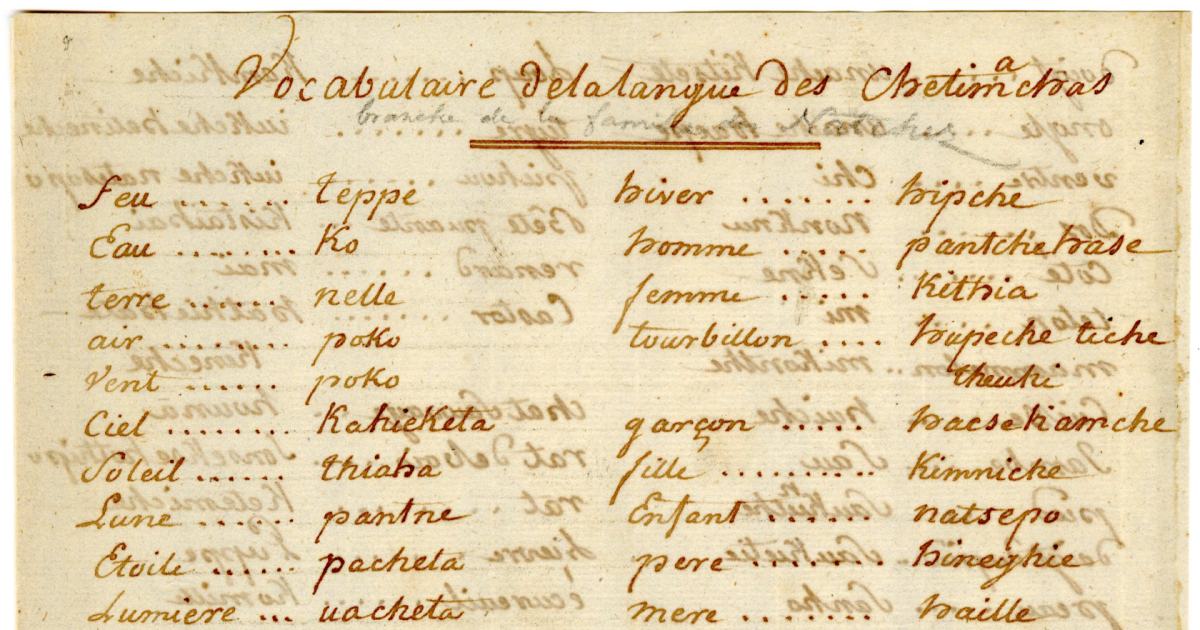
World Linguistics Day

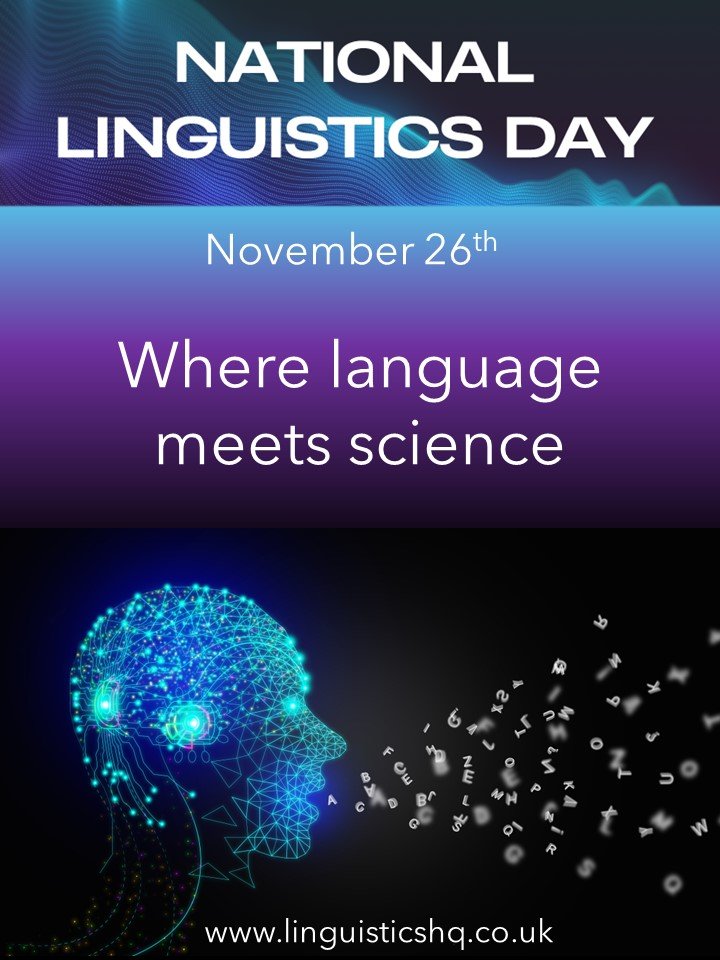
For a few years now Linguistics HQ in the UK has been popularizing a new National Linguistics Day on November 26th each year. The idea is starting to gain traction among the international community of lingthusiasts as well. As such, many of us “linguistics communicators” are now taking the idea global, and are anointing November 26th as World Linguistics Day each year going forward.

🆕 New from Linguistic Discovery
This week’s content from Linguistic Discovery.
Exploring linguistic curiosities with Joshua Blackburn
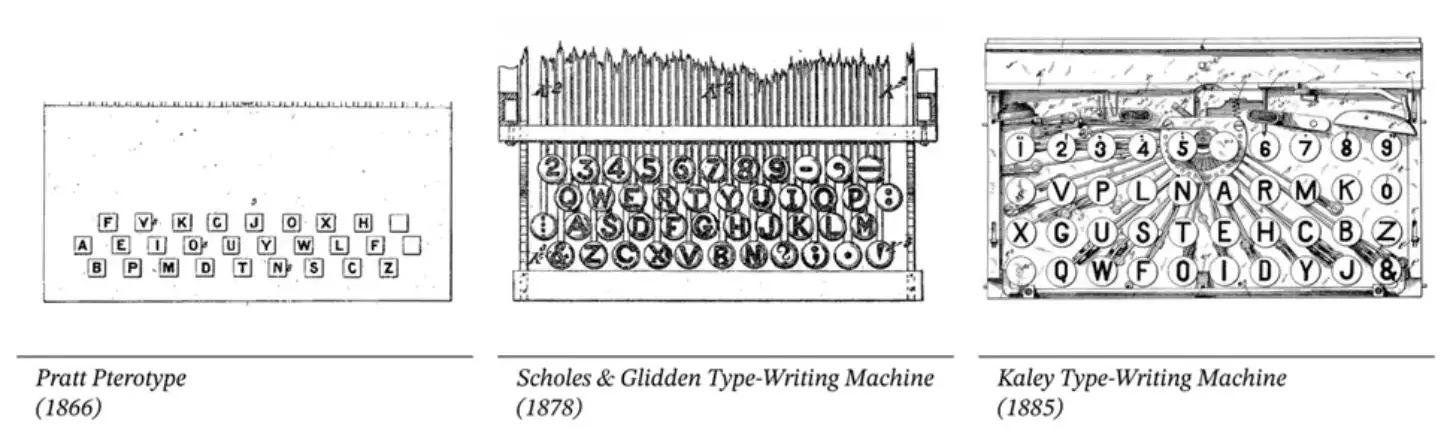
This week I had a special guest post from Joshua Blackburn, author of The Language-Lover’s Lexipedia: An A–Z of Linguistic Curiosities (Amazon | Bookshop.org) and creator of League of the Lexicon, the most successful word game in Kickstarter history. In the spirit of his book, in this article Joshua takes us on a circumambulatory intellectual adventure as he follows the thread of linguistic curiosity, beginning with the first keyboards.
 Joshua Blackburn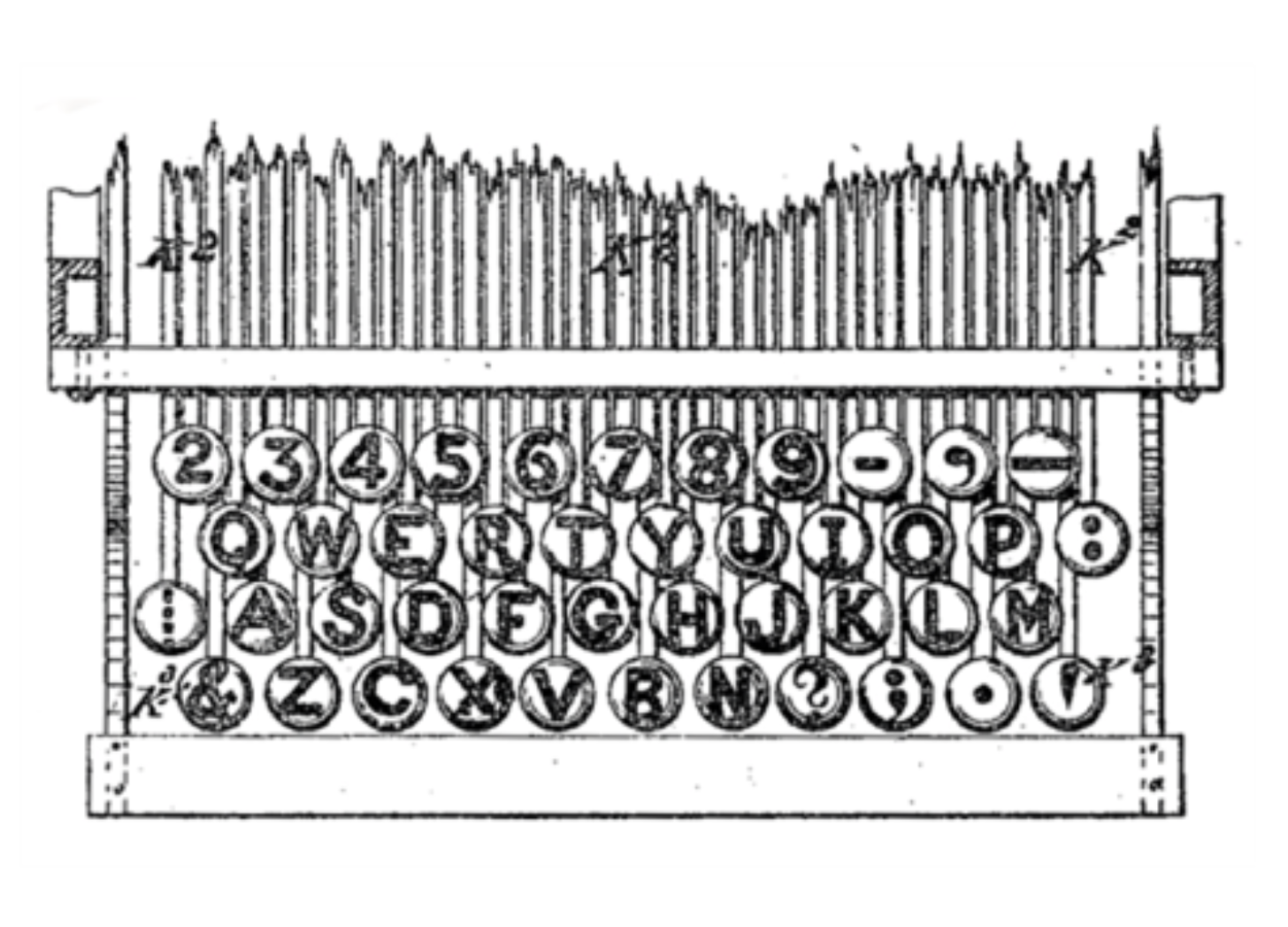
If you’d like to purchase The language-lover’s lexipedia book or The league of the lexicon game, you can do so at the links below.


man vs. human
Someone asked on Threads recently:
Serious question:
Why is it “humans” and not “humen”?
There’s a fascinating bit of etymology behind this so I penned a quick reply!
Because “man” and “human” are completely unrelated words!
“man” is a Germanic word that comes from Proto-Indo-European *man- ‘man’, but “human” is from Latin “humanus” ‘of man, human’, and comes from the Proto-Indo-European word *dhghem- ‘earth’!
In Old English, “man” meant ‘person, human being’, not a male specifically.
That’s why “man” is still used as the generic, gender-neutral term in expressions like “mankind” or “manslaughter”.
The word for ‘male person’ was “wer”, and sticks around in the word “werewolf”!
The word for ‘female person’ was “wif”, and sticks around in the word “wife”.
That’s why the word “wife” still just means ‘woman’ in some contexts: “midwife” was originally ‘with-woman’.


📰 In the News
Language and linguistics in the news.
Dictionary.com announces 6-7 as the word of the year

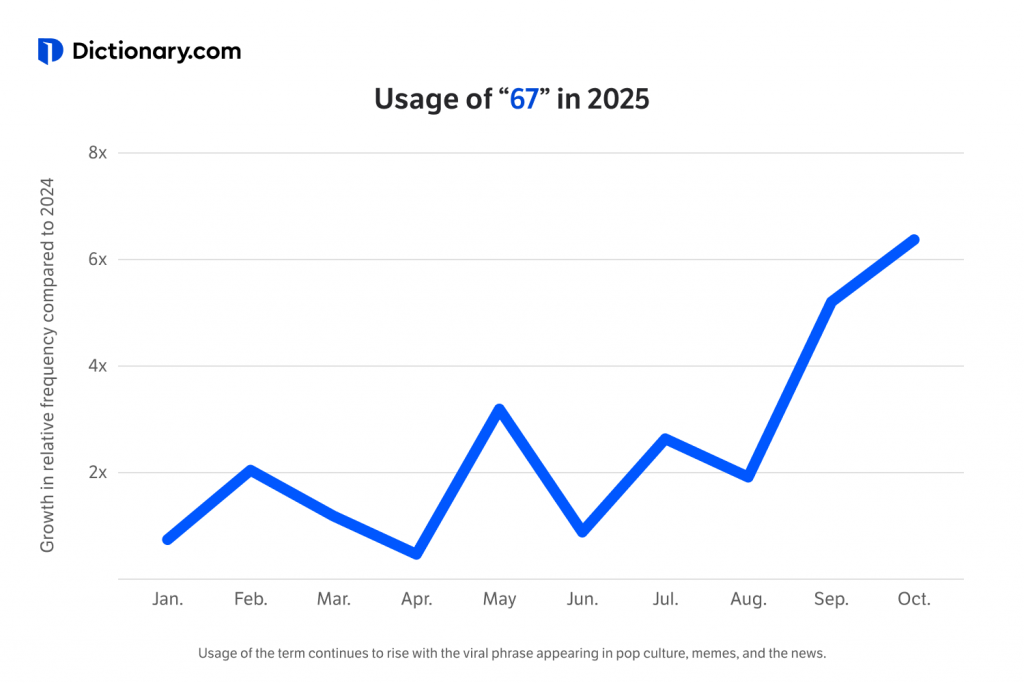
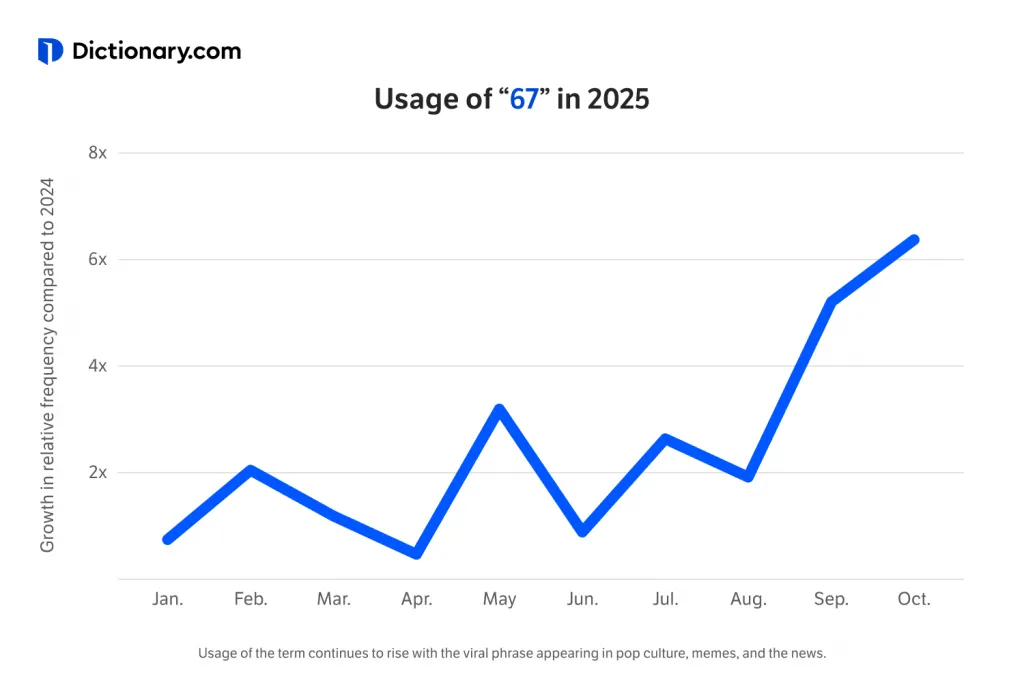
It’s Word of the Year season again, which means all the major dictionaries as well as the American Dialect Society are beginning to choose their words of the year for 2025! Dictionary.com is kicking off the season with a strong statement this year, electing the popular Gen Alpha slang 6-7 as this year’s word.
The phrase 6-7 is meant to be nonsensical, playful and absurd. Like much slang, it’s intentionally obscure and aims to disrupt common social expectations. A well-placed 6-7 is one that comes when it’s least expected.
6-7 is an example of a specific type of slang that’s received its own category of late, called brainrot slang, referring to expressions that arise in “chronically online” communities and are said to be the result of consuming large amounts of low-value internet content.
Dictionary.com notes, appropriately, that they don’t base their choice for Word of the Year on mere popularity:
To select the 2025 Word of the Year, our lexicographers analyzed a large amount of data including newsworthy headlines, trends on social media, search engine results, and more to identify words that made an impact on our conversations, online and in the real world.
Some others words on the shortlist were:
- agentic
- aura farming
- broligarchy
- clanker
- overtourism
- tariff
- tradwife
Here’s Dictionary.com’s official announcement about 6-7:

And here’s their official entry for the expression:


Matthew Cantor at The Guardian offers a good opinion piece about the social meaning of slang expressions like 6-7:
 Matthew Cantor
And since we’re on the topic of slang, here are some other relevant articles and opinion pieces from this week:
 James Marriott
 Stefanie Schantl, M.A.
Lastly, here’s some additional reporting on Dictionary.com’s announcement:
 ABC News
 ABC News
Turkic states agree on a common Latin alphabet
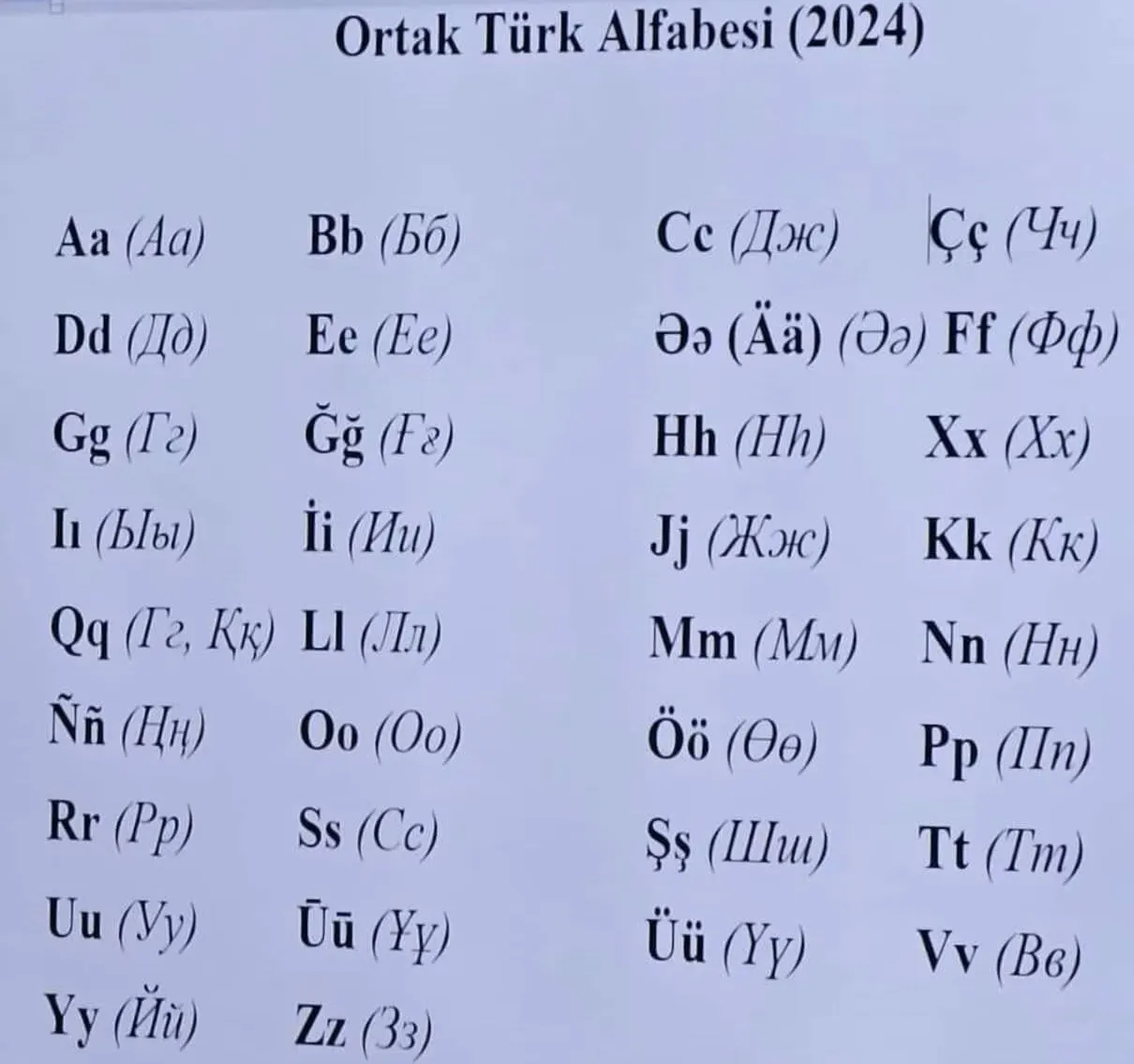
The five countries of the Organization of Turkic States (OTS) have overcome years of disagreements about letters and diacritical marks to agree on a common Latin alphabet for their languages that consists of 34 letters.
Adopting a standard alphabet could prove relatively easy for Azerbaijan, Turkey, and Uzbekistan, who already use the Latin script, as well as Kazakhstan, which is in the process of transitioning away from Cyrillic.
But it remains a sensitive topic in Kyrgyzstan, the only OTS member that has not decided to switch to the Latin alphabet amid long-standing debates by scholars, politicians, and the public.
 RFE/RL’s Kyrgyz Service
Radio Free Europe also has a shortform video on Instagram covering the topic.
🗞️ Current Linguistics
Recently published research in linguistics.
Researchers decode Mandarin Chinese from brain activity
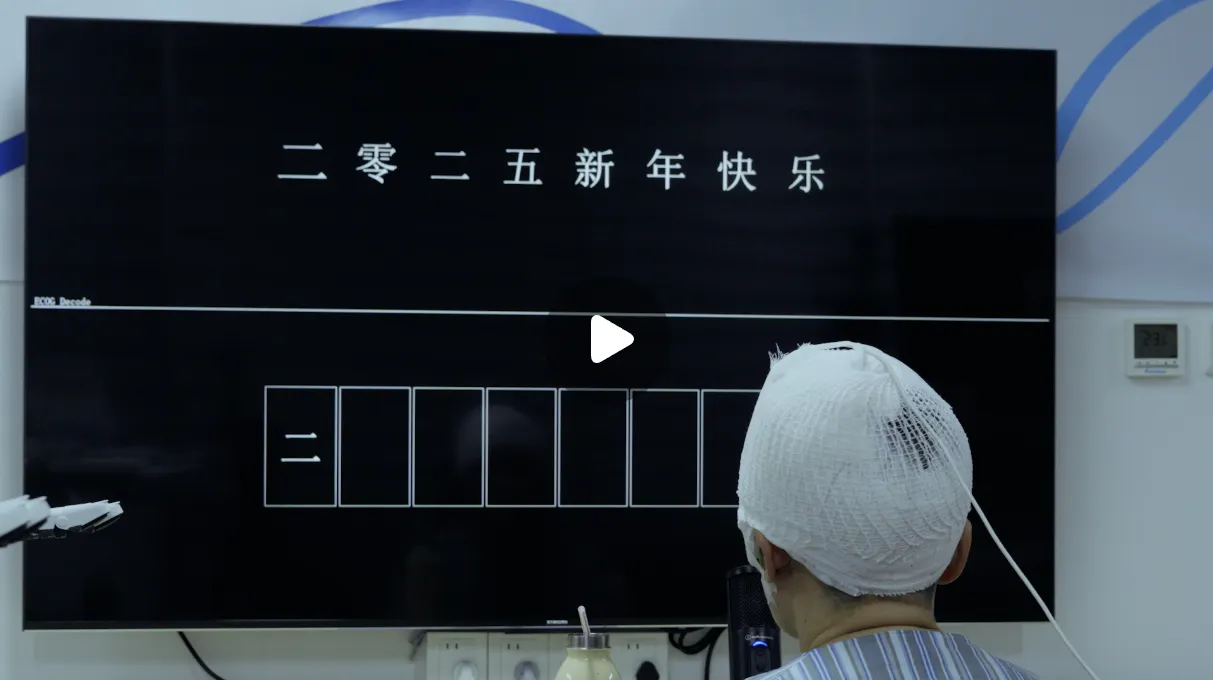
Brain-computer interfaces (BCIs) can restore communication for people who have lost their speech to a stroke or neurological disease. But these experimental systems, which combine sensors placed in the brain with algorithms that turn the neural signals of attempted speech into words, have so far been developed mostly for English speakers.
New research uses this kind of brain-computer interface with Mandarin Chinese, which is a major step forward for these technologies since Mandarin is a tonal language (and there are more tonal languages in the world than non-tonal languages). The technology that this research enables could help more people with speech impairments around the world.
- Reporting: Researchers ‘decode” Mandarin Chinese from neural signals (Science)
- Research: Qian et al. 2025. Real-time decoding of full-spectrum Chinese using brain-computer interface. Science Advances 11(45). DOI: https://doi.org/10.1126/sciadv.adz9968.
Babies’ brains recognize foreign languages they heard before birth
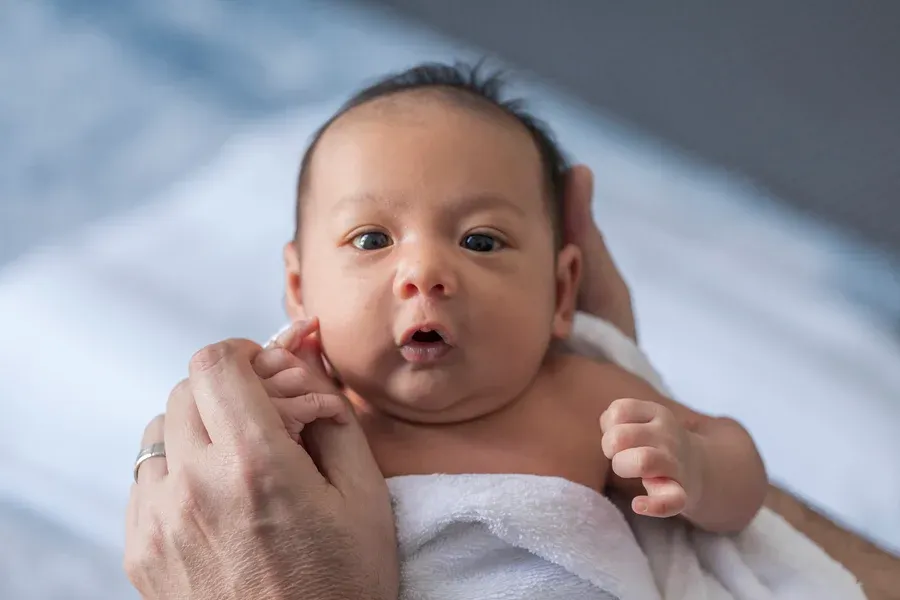
A recent study suggests that babies start processing language before they are born. A research team in Montreal has found that newborns who had heard short stories in foreign languages while in the womb process those languages similarly to their native tongue.
Previous research had shown that fetuses and newborns can recognize familiar voices and rhythms and even that they prefer their native language soon after birth. But these findings come mostly from behavioral cues—sucking patterns, head turns or heart rate changes—rather than direct evidence from the brain. This is the first study to use brain imaging to show what neuroscientists and psychologists had long suspected.
 Meghie Rodrigues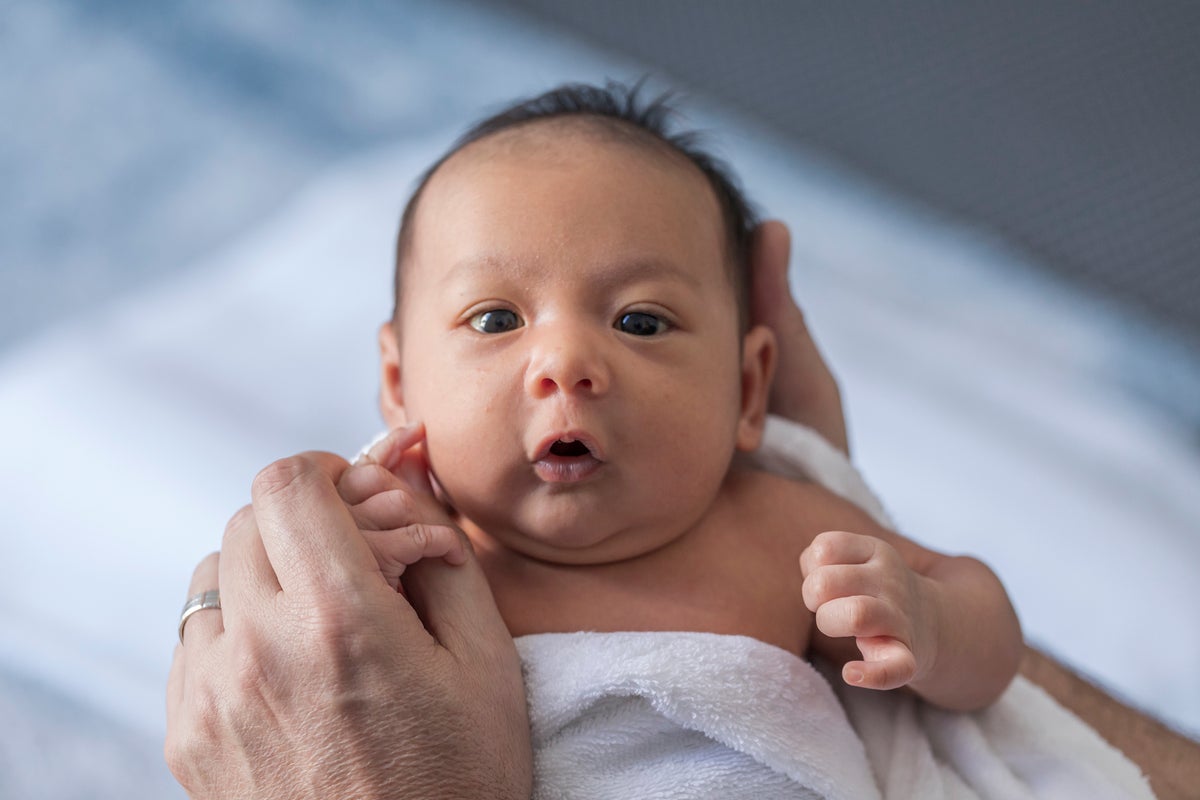
 Andréanne René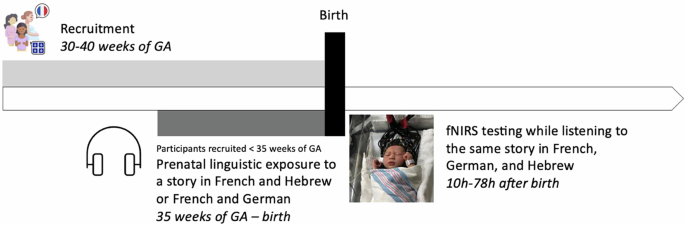
📃 This Week’s Reads
Interesting articles I’ve come across this week.
 James Marriott
 Matthew Cantor
 Stefanie Schantl, M.A.
 atremper
 Colin Gorrie
Here’s some additional reporting on Danny Bate’s new book, Why Q needs U: A history of our letters and how we use them, which Linguistic Discovery readers got a preview of the other week:
 James McConnachie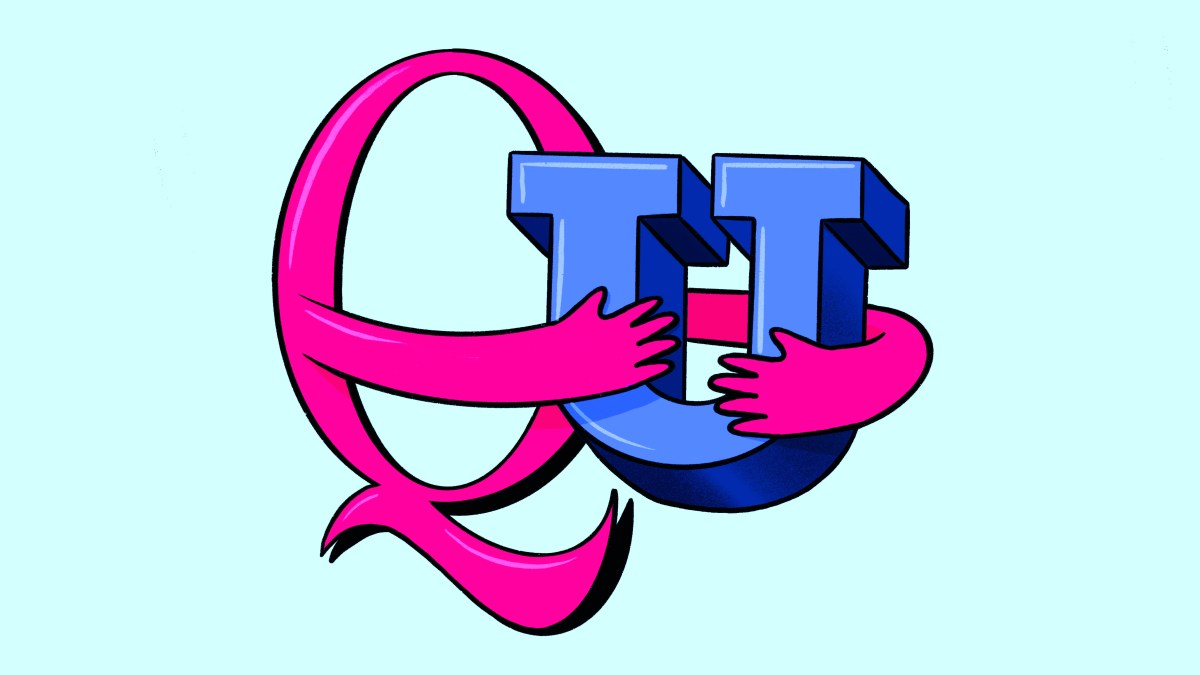
 Danny Bate
Nicholas Evans has spent decades trying to decipher the undocumented tongues of Papua New Guinea and Australia. His work has redefined the way we think about human communication:
 Laura Spinney
📚 Books & Media
New (and old) books and media touching on language and linguistics.
Linguistics HQ Podcast

A new linguistics podcast just launched in September called Linguistics HQ. Here’s the description:
Are you curious about how languages work? Have you ever wondered, for example, why humans speak and animals don’t, or why there are so many different languages? Maybe at some point you’ve asked yourself why some people start a sentence in one language and finish it in another, or whether women really do talk more than men, or who invented the alphabet, or where we get new words from. Perhaps you want to know why the language you’re learning has masculine and feminine words, or you’ve heard rumours of languages that consist entirely of whistling! And where do designer dogs fit into all this?!
Well, you’ve come to the right place, because the Linguistics HQ podcast will answer all of these questions and many more! We’ll explore every aspect of the science of language, starting with the basics, from how languages are structured to how we can use our knowledge of linguistics to discover exciting things and even make our world a better place. Whatever sort of language enthusiast you are, Linguistics HQ has got something for you. I’m Dr Rebecca Mitchell and I’m a lecturer, teacher and public speaker, and I’m on a mission to make the science of language everyone’s business. So hit subscribe and let’s get thinking, talking and learning about linguistics!
👋🏼 Til next week!
If you’d like to support Linguistic Discovery, purchasing through these links is a great way to do so! I greatly appreciate your support!
Check out my entire Amazon storefront here.