Ancient DNA rewrites the story of how Germanic and Celtic languages spread across Europe
Also this week: Rediscovered 1935 recordings reveal earliest audio of Louisiana Creole + Collins chooses “mogging” as Word of the Year + The almost-forgotten Cherokee numerals invented by Sequoyah


Welcome to this week’s edition of the Linguistic Discovery digest, a weekly roundup of the latest language-related news, research in linguistics, interesting reads from the week, and newest books and media on language and linguistics!
📢 Updates & Announcements
What’s new with me and Linguistic Discovery, and other announcements.
Support the documentation and revitalization of the world’s languages: Celebrating 30 years of the Endangered Language Fund
The Endangered Language Fund has supported language documentation and revitalization around the world for three decades, and to celebrate this milestone, they’re sharing some recent successes from their grantees: projects that exemplify endangered languages, community impact, and measurable revitalization efforts:


You can support the foundation’s excellent work by making an online donation here:
https://secure.qgiv.com/for/endangeredlanguagefundinc/
Checks can be sent to:
Endangered Language Fund
300 George Street, Suite 900
New Haven, CT 06511
World “Hello” Day
November 20 is World “Hello” Day! Here’s a fun article on the history of the word hello—and why we don’t say ahoy or hail instead.
 Andy Hollandbeck

🆕 New from Linguistic Discovery
This week’s content from Linguistic Discovery.
All the ways English gets words from Greek
Here’s the final video in my series with St. John’s College, on all the ways that the Greek language has given words to English over the years—often indirectly.
📰 In the News
Language and linguistics in the news.
Lots of lexicographical updates this week!
Pwn, skibidi, girlboss, and more added to 2026 Scrabble dictionary

Merriam-Webster has updated their official Scrabble dictionary with lots of new words, including kaiju, kawaii, boujee, pwn, skibidi, girlboss, rizz, and delulu.
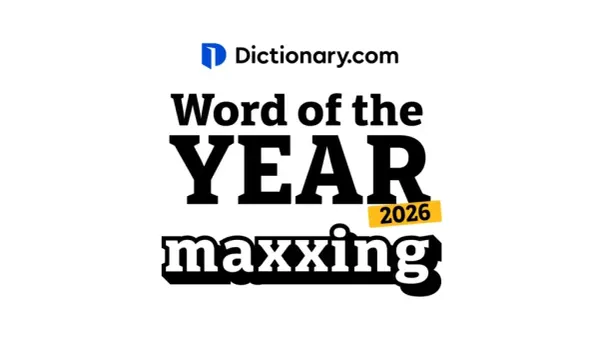
Collins crowns mogging the 2026 Word of the Year
Collins has chosen mogging as the 2026 Word of the Year:
“Mogging” is a tongue-in-cheek term jovially used by members of Gen-Z and Gen Alpha to suggest an outperforming or outshining of someone or something.
mogging staved off tough competition from rizz, with a staggering 210% surge in usage in 2026.
Like Merriam-Webster’s choice for word of the year, maxxing, mogging has its origins in the incel (involuntarily celibate) internet community (see also Aleksic 2025: 128):
Believed to be born from the acronym “AMOG,” or “alpha male of the group,” it was previously used as a noun in bodybuilding culture to describe the strongest, most physically dominant man in a gym, the blog says. Later, it was transformed into a verb and briefly adopted by the manosphere.
 Amy Herrick

Royal Spanish Academy presents the first ‘digitally native’ edition of its Spanish dictionary
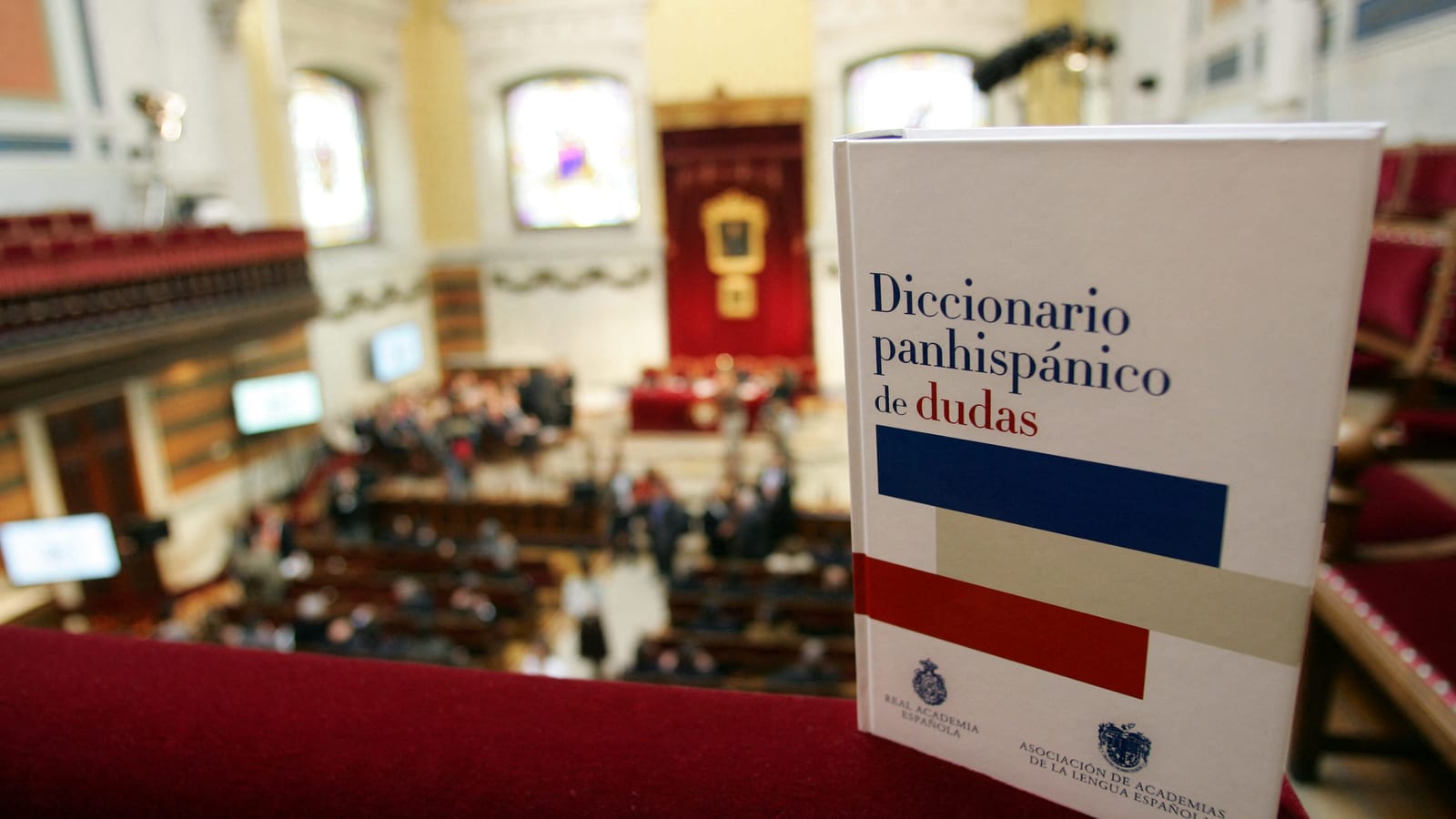
The Royal Spanish Academy (Real Academia Española [RAE]) has presented their 24th edition, and this is the first edition created digitally, with 6,000 new entries including IA (inteligencia artificial) ‘AI (artificial intelligence’, edadista ‘ageist’, influencer ‘influencer’, racializar ‘to racialize’, and narcolancha ‘drug speedboat’. This edition is the most pan-Hispanic yet, with contributions from all 23 member countries of the Association of Academies of the Spanish Language, such as acitronar ‘to sauté with lemon’ and bicisenda ‘bike path’.
 Alejandro Baños
[The article below is in Spanish.]

(Thanks to George Greenia for bringing this item to my attention.)
🗞️ Current Linguistics
Recently published research in linguistics.
Rediscovered 1935 recordings reveal earliest audio of Louisiana Creole

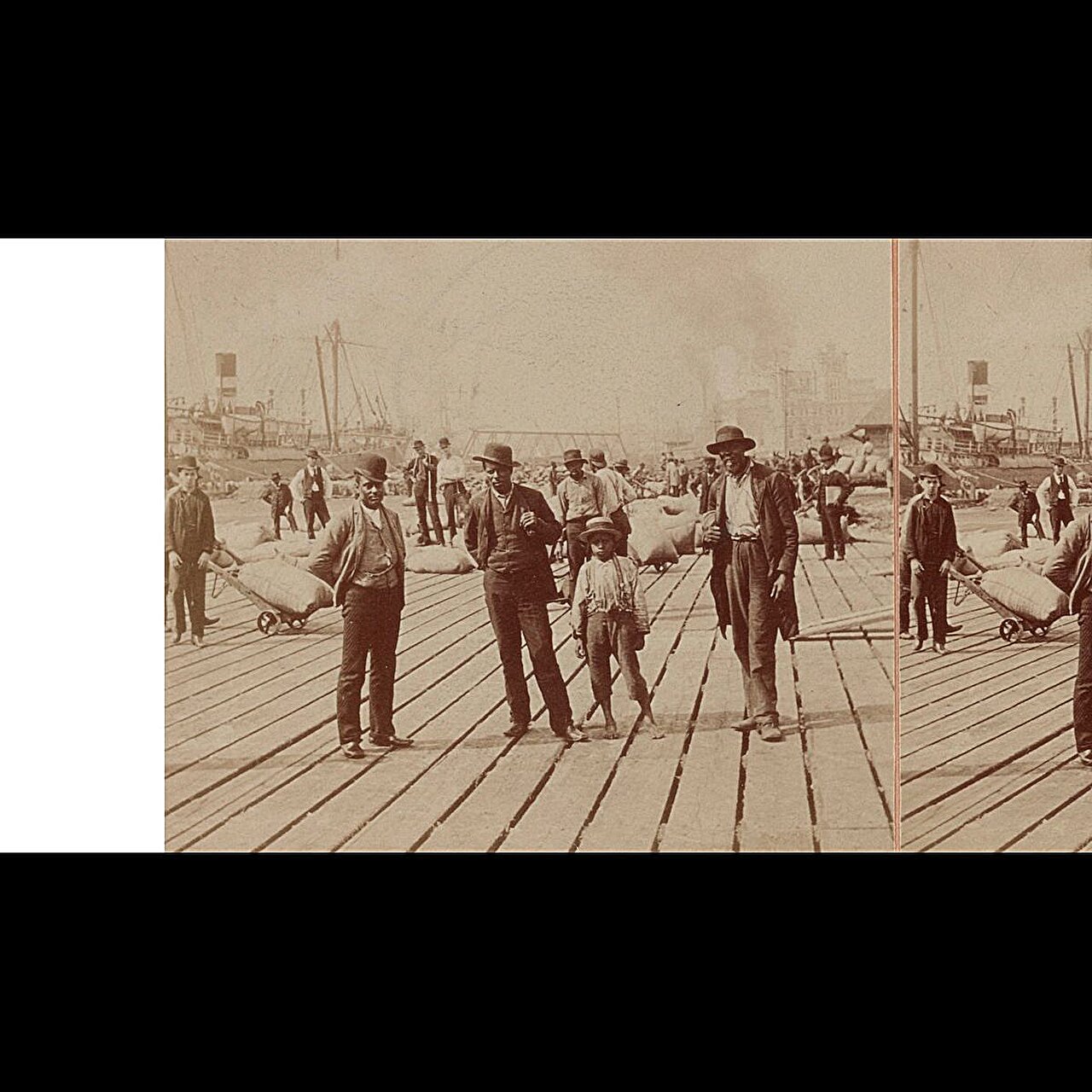
The earliest spoken-word recordings of Louisiana Creole, a uniquely American language at risk of extinction, have been uncovered and analyzed for the first time, shedding light on a tongue that defined the docks and saloons of New Orleans for well over a century.
The Promotology newsletter has a great deep dive on the find:
 Protomology

Here is some additional reporting on the topic:
 Andrew Paul

 Fred Lewsey
And here is the original research article where the recordings are described (and available for listening):
- Mayeux. 2026. Lorenzo Dow Turner’s field recordings from Louisiana, 1935. Language Documentation & Description 26(1). DOI: https://doi.org/10.25894/ldd.3083.
Ancient DNA rewrites the story of how Germanic and Celtic languages spread across Europe
It has traditionally been assumed that the Germanic languages reached Scandinavia about 4,800 years ago, but a new study of ancient DNA finds evidence of a previously unknown migration from around the Baltic region around 4,000 years ago—800 years later. The authors of the study suggest that this migration may have offered a potential later vector by which the Germanic-speaking peoples arrived in the region.
In another study using the same DNA evidence, the researchers also present data suggesting that the Celtic languages—whose exact origin has long been a hotly-debated mystery—spread westward from central Europe. This challenges the long-held idea that the Celtic languages originated on the Atlantic coast instead.
Reporting
- A barbarian tribe’s mythic origin story is true, ancient DNA reveals: Skeletons across Europe confirm the Goths surged out of Scandinavia before sacking Rome (Science)
- Mighty and mysterious Celts hailed from the heart of Europe: Ancient DNA sheds light on history of modern languages such as Welsh and Gaelic (Science)
University of Copenhagen
 Jess Cockerill

Original Research Studies
- McColl et al. 2026. Tracing the spread of Germanic languages using ancient genomics. Nature. DOI: https://doi.org/10.1038/s41586-025-09064-1.
- McColl et al. 2026. Tracing the spread of Celtic languages using ancient genomics. Nature. DOI: https://doi.org/10.1038/s41586-026-11198-9.
📃 This Week’s Reads
Interesting articles I’ve come across this week.
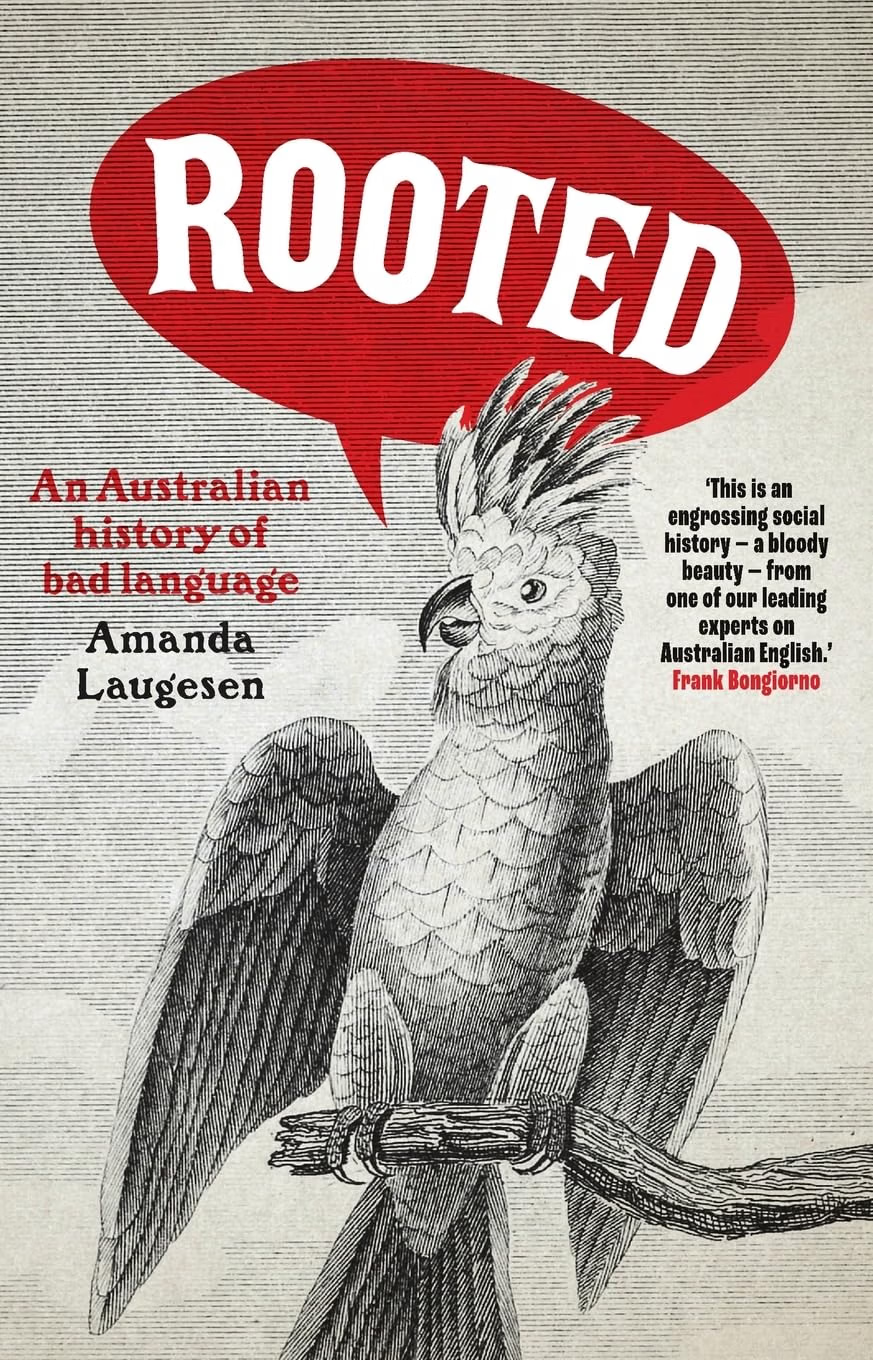
The word cunt is getting some media attention this week, in part because of the release of the second edition of the book Rooted: An Australian history of bad language (Amazon | Bookshop):
 Steve Dow

Which reminds me of an explainer about the history of the word in The Conversation from a few years back:
 Christian Ilbury

The story of how Sequoyah, fresh from inventing the Cherokee syllabary, devised a ciphered-additive numeral system in 1828—one the Cherokee ultimately passed over for Western numerals, leaving it to survive in a single manuscript.
- Sequoyah and the almost-forgotten history of Cherokee numerals: The story of a numerical system nearly consigned to oblivion (The MIT Press Reader)
And here are some other reading items for your week:
 HyoBin Jang

 Lourdes Moreno Cazalla, The Conversation

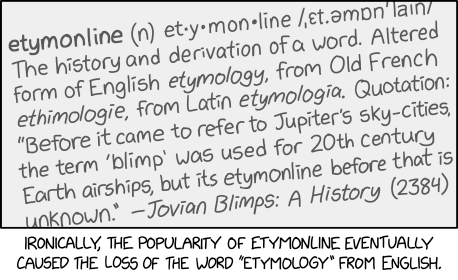
- Why a dollar is like a Neanderthal (Etymonline)
📚 Books & Media
New (and old) books and media touching on language and linguistics.
How accents shape our lives
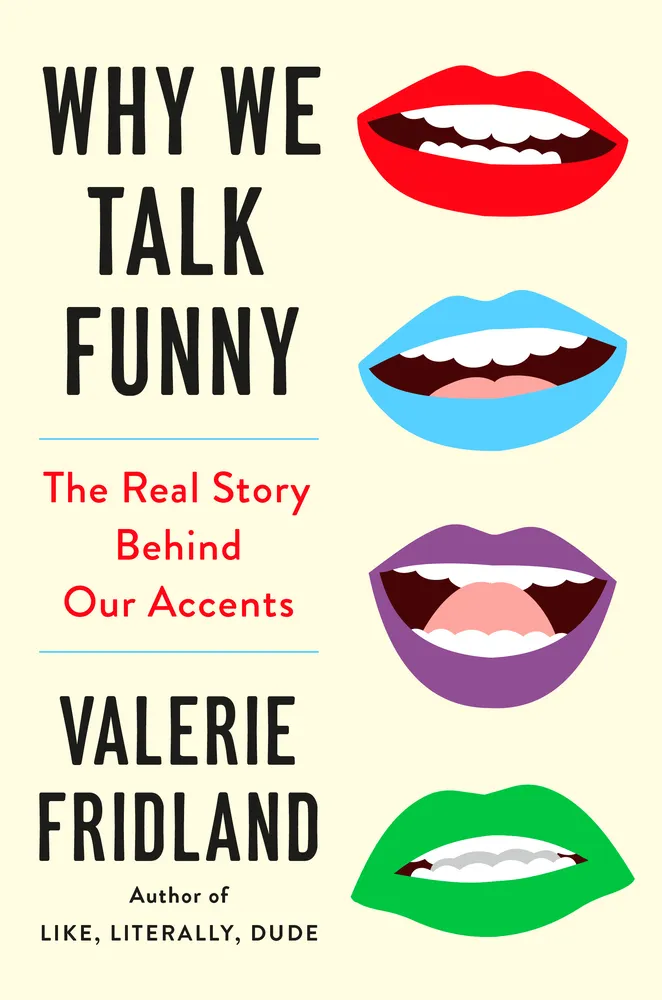
A recent book by linguistics professor Valerie Fridland, who was raised in Memphis by parents with French accents, explores the power behind the way we speak:

You can get a copy of the book at the links below:
The mystery of Easter Island’s still undeciphered script
Here’s a review of Daniel Harbour’s forthcoming book, The book of lost languages: An epic quest to decipher the past (Amazon | Bookshop), looking specifically at the mysterious undeciphered script of Easter Island, Rongorongo:
 Dennis Duncan

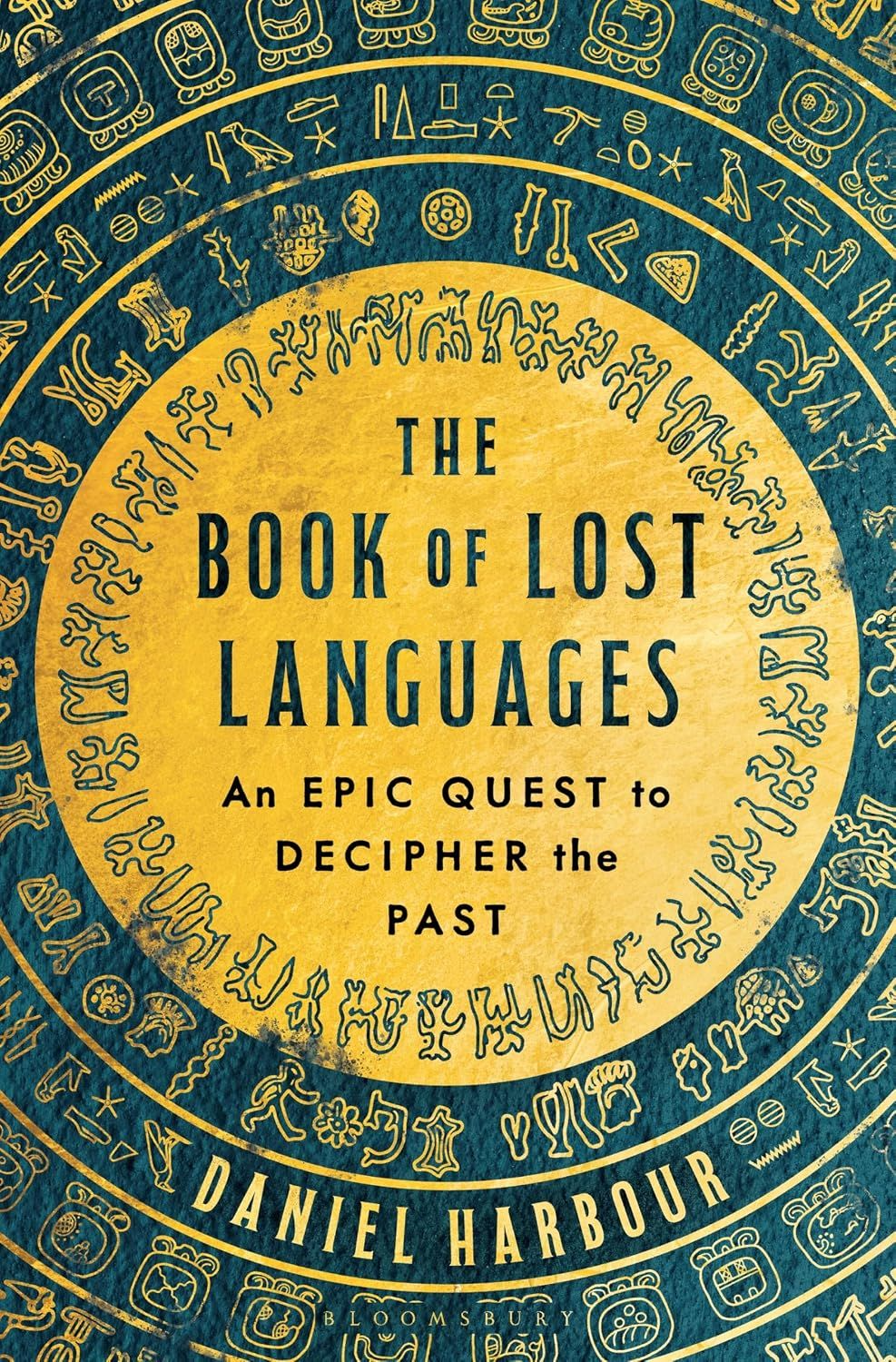
The book releases on January 19, 2027. Preorder your copy here!
🗃️ Resources
Maps, databases, lists, etc. on language and linguistics.
FamilyMapper: Guess language families by their contemporary speaker areas
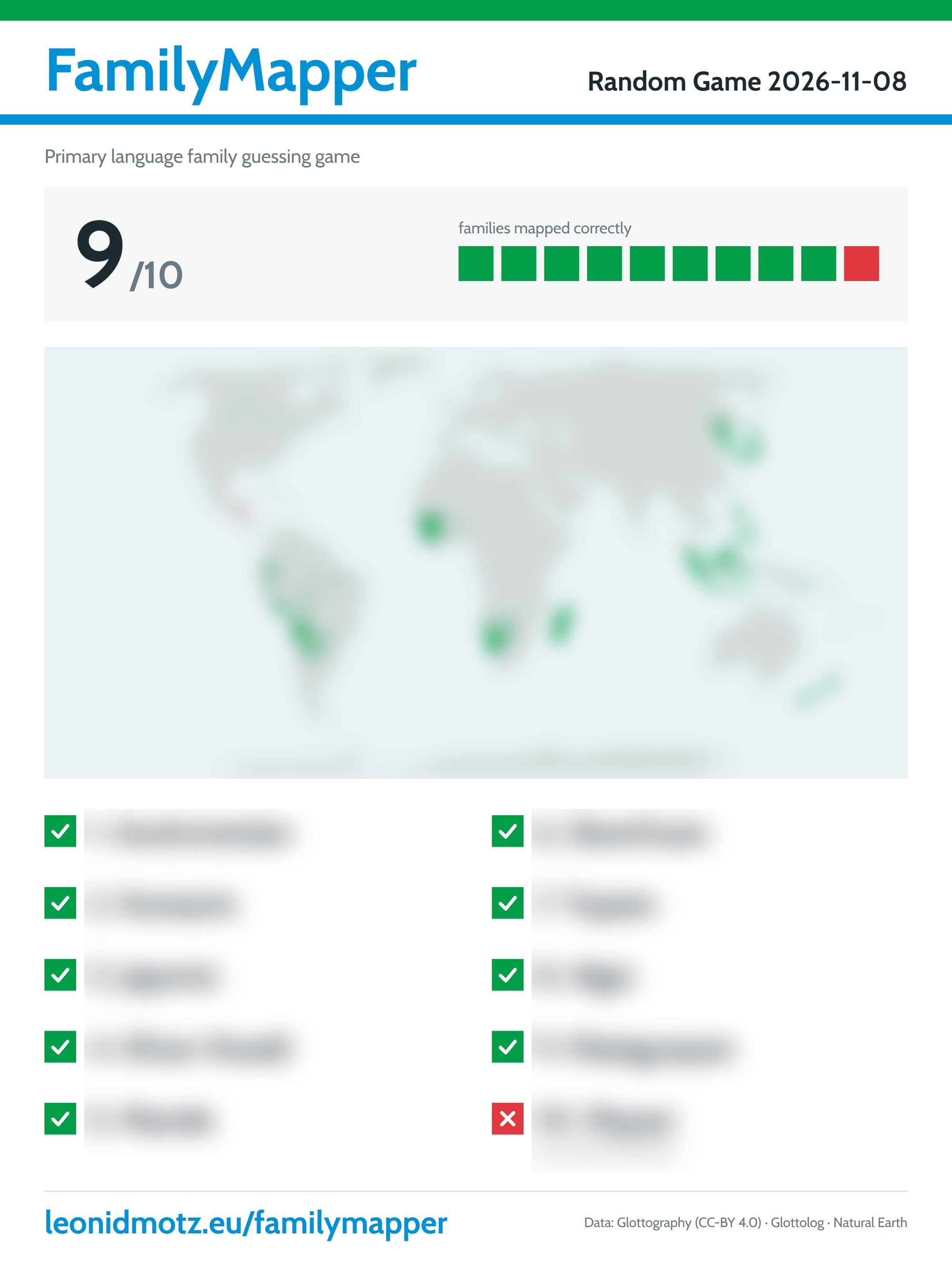
Here’s a fun daily game from historical linguist Leonid Motz that tests your knowledge of where the world’s language families are situated.

🗨️ A new corpus of spoken American English
A brand new corpus of spoken American English is now available, open access, for non-commercial research and teaching purposes. It contains about 9.4 million words (~1,300 hours) of conversation spoken by 1,116 speakers across the United States. It essentially functions as the American English counterpart to the widely used British National Corpus. Links to download the corpus files, access the corpus via #LancsBox X, and/or read the corpus documentation (e.g., transcription conventions, descriptions of the metadata, overview of corpus composition) can be found on the Share Your Voice website.
As a dedicated linguistic functionalist who greatly values the importance of naturalistic discourse in genuine social settings, I’m thrilled to see this contribution to the field. Congratulations to project lead Elizabeth Hanks for the years of hard work spent bringing this incredible resource to fruition.


- Hanks et al. forthcoming. Introducing the Lancaster-Northern Arizona Corpus of American Spoken English (LANA-CASE). Corpora. [pre-release version]
👋🏼 Till next week!
If you’d like to support Linguistic Discovery, purchasing through these links is a great way to do so! I greatly appreciate your support!
Check out my Amazon storefront here.
Check out my Bookshop storefront here.