Storytelling around campfires may have shaped human language
Also this week: AI agents invent their own language + Human speech found to follow a rhythm also found in the animal kingdom + A new book on lost languages

Welcome to this week’s edition of the Linguistic Discovery digest, a weekly roundup of the latest language-related news, research in linguistics, interesting reads from the week, and newest books and media on language and linguistics!
📢 Updates & Announcements
What’s new with me and Linguistic Discovery, and other announcements.
Linguistics Zine Challenge from Lingthusiasm
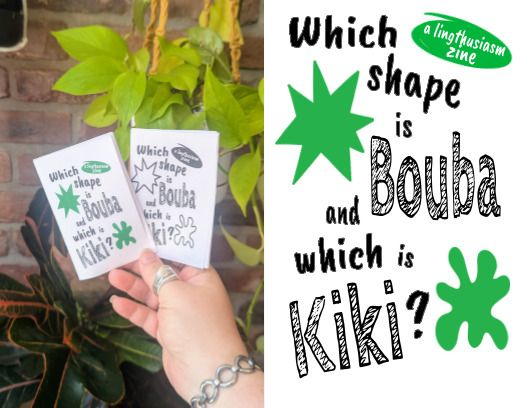
In honor of the 10th anniversary of the Lingthusiasm podcast, hosts Gretchen McCulloch and Lauren Gawne are launching the Linguistics Zine Challenge: Make or share a linguistics zine and tell them about it by the end of November 2026 to win prizes!
There are two ways to enter:
- Share an existing linguistics-y zine.
- Share one or more existing linguistics zines (we have several printable pdfs here by both us and other people) and share it however you want!
- Make your own linguistics-y zine.
- Make your own zine about something you love about linguistics, and show it to people! Maybe it’s something you learned from a Lingthusiasm episode, another lingcomm creator, a linguistics class, a pop linguistics book, a Wikipedia rabbit hole, a research paper, your own linguistic research, or some aspect of your own linguistic experience you want to tell people about.
Whichever kind of zine you choose to share, Lingthusiasm wants to hear about it! Tell your linguistics zine stories through this webform, and/or tag @lingthusiasm on social media.
More information about the Linguistics Zine Challenge is here:
 lingthusiasm

Babel Young Writers’ Competition
Each year, Babel: The Language Magazine hosts a Young Writers’ Competition, which encourages young linguists who are starting out in their study of language. The winning essay will be announced in January 2027 and published in an upcoming issue of the magazine. The competition is open to all linguistics students in secondary school or university.
- Deadline: Tuesday, December 1, 2026
- Length: 2,000–2,500 words
- Topic: Entries can be on any linguistic topic—the important thing is that your discussion of it is accessible and interesting for Babel readers.
- Format: Entries should be clearly presented in a Word file, with images submitted as separate JPEGs.
- Submission: Email your entry to babelthelanguagemagazine@gmail.com with the subject “Young Writers’ Competition”.
📰 In the News
Language and linguistics in the news.
AI agents invent their own language
AI swarms have been observed inventing their own ways of speaking—a “surreal” mix of poetic language and tech bro jargon—and this has raised concerns about AI oversight. As one researcher put it, “observability is not the same as understandability”. Here are two pieces reporting on this topic:
 Robert Booth

Apollo, the first large language model for reading Ancient Greek
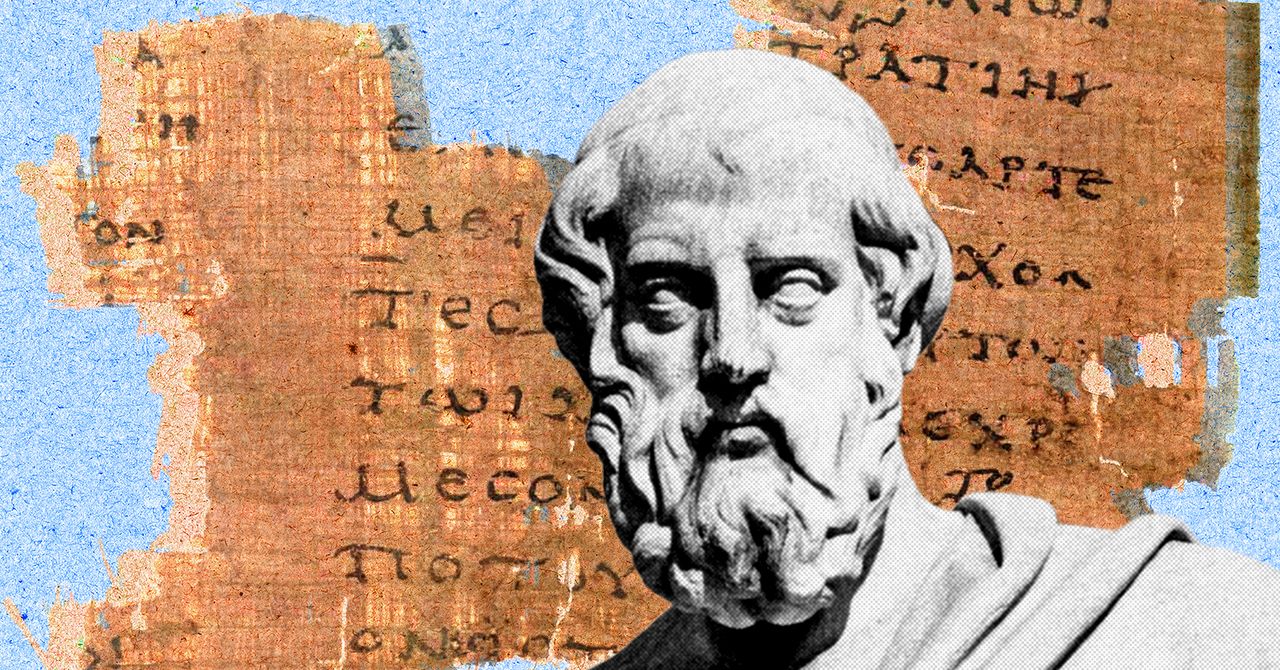
The Austrian Academy of Science recently launched Apollo, a large language model trained on 600 million words designed to help scholars decode Ancient Greek papyruses. Free to academics through a chatbot interface, it proposes statistically likely words for torn fragments.
 Joel Khalili
🗞️ Current Linguistics
Recently published research in linguistics.
Human speech follows a rhythm that is also found in the animal kingdom
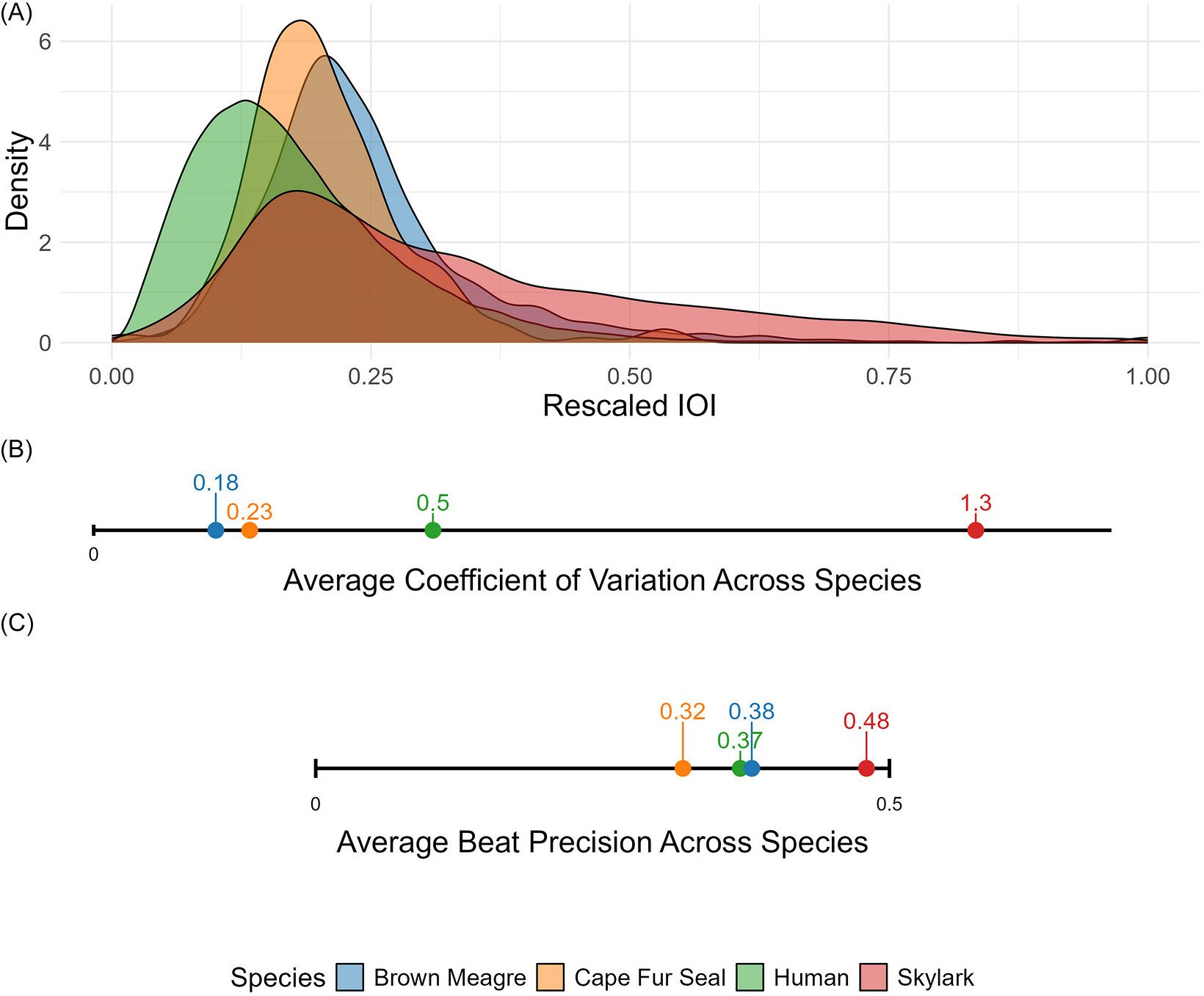
New research shows that the rhythm of human speech resembles that of the communicative signals of numerous animal species. For the study, speech recordings from 48 languages across all inhabited continents were analyzed and compared with rhythmic data from animal species such as fish, seals and birds.
 Fabienne Salfner

- Burchardt, Paschen, & Fuchs. 2026. Rhythm across species: Situating human speech in a comparative framework. Annals of the New York Academy of Sciences 1563(1): e70383. DOI: https://doi.org/10.1111/nyas.70383.
Storytelling around campfires may have shaped human language
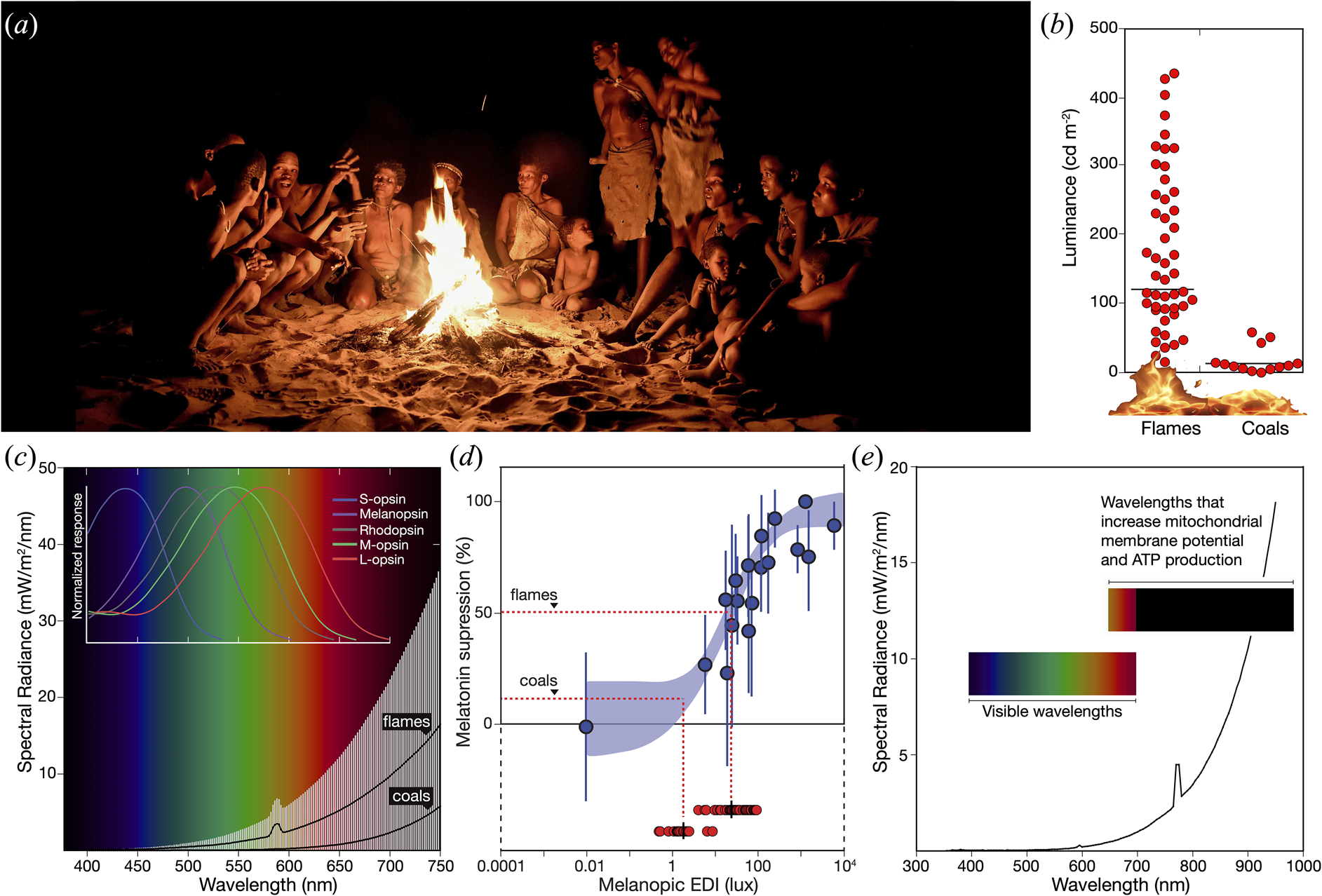
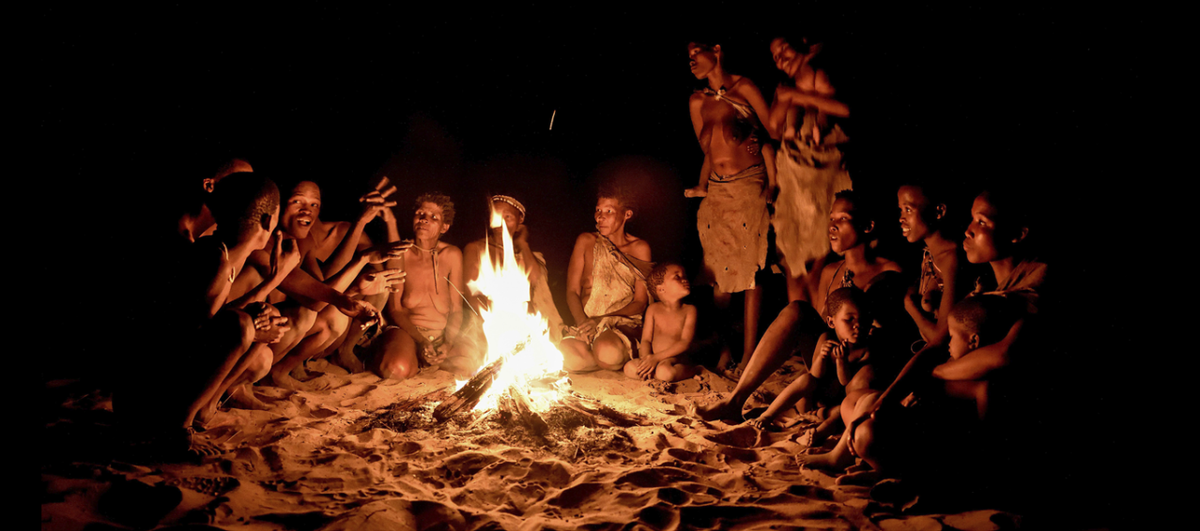
A new study argues that human language was originally gestural, i.e. sign language, but that the need to communicate stories around the dim light of campfires motivated the shift from manual to spoken language.
 Hannah Little
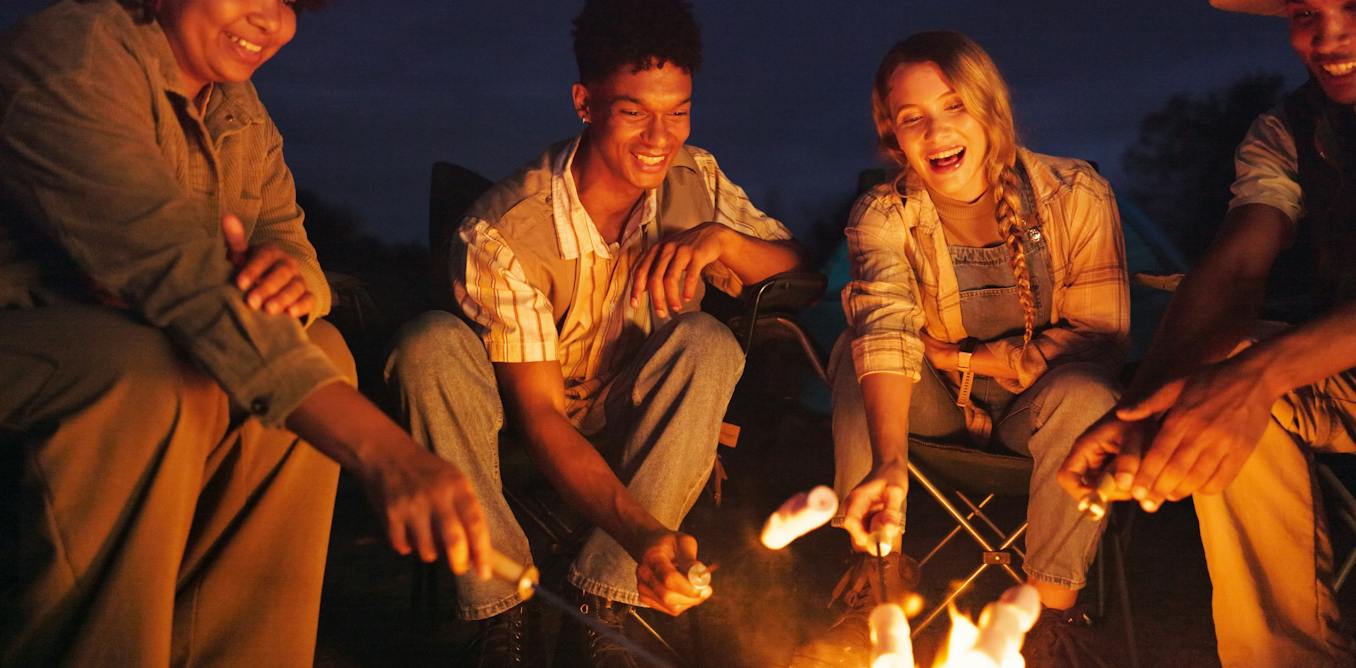
- Storytelling apes: A novel theory of how firelight was critical to the evolution of sophisticated storytelling (Press Release, EurekAlert)
- Hobaiter & Dominy. 2026. Firelight and the origins of spoken language. Proceedings of the Royal Society B 293(2078). DOI: https://doi.org/10.1098/rspb.2026.0602.
📃 This Week’s Reads
Interesting articles I’ve come across this week.
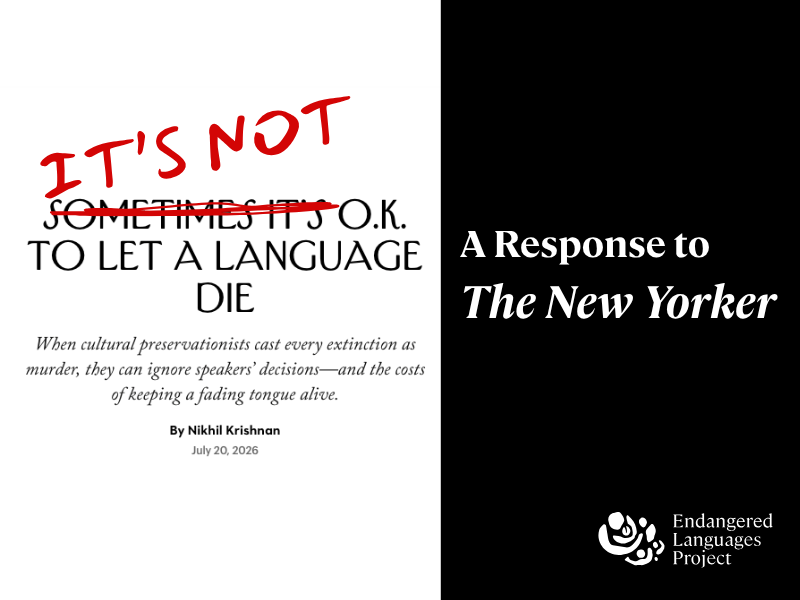
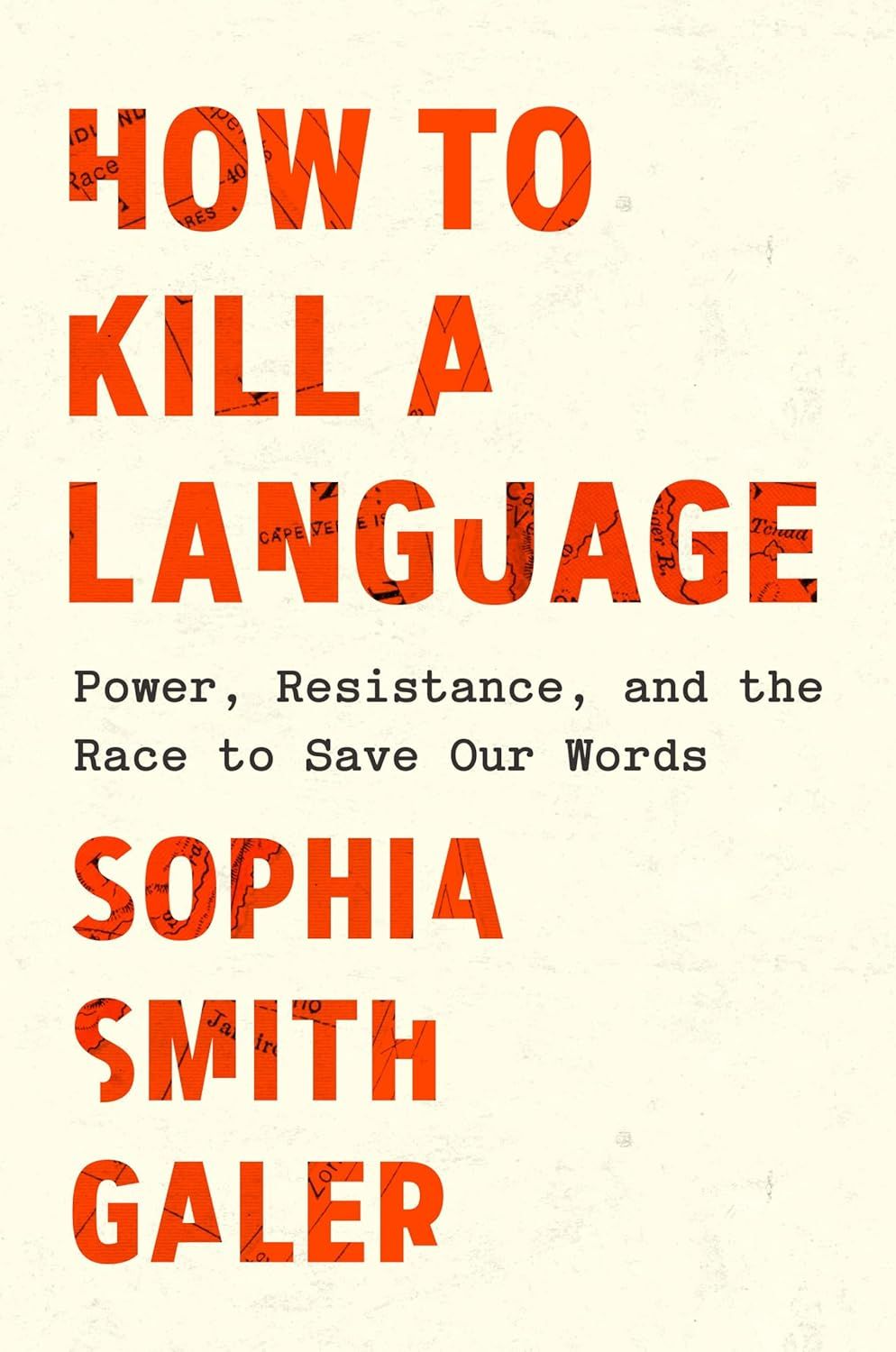
The Endangered Languages Project has a response to the controversial article in The New Yorker which argued that sometimes it’s O.K. to let a language die, discussing Sophia Smith Galer’s new book, How to kill a language: Power, resistance, and the race to save our words (Amazon | Bookshop):
This article is a decade old but it bears resharing because its topic is timeless: how teenage girls talk. While most people are extremely judgmental towards the way young girls speak, this article explains that young women have actually be driving linguistic innovation since time immemorial.
A great article in The Conversation from 2018 about how researchers combine linguistics, archaeology, and genetics to better understand the movements and cultures of ancient peoples, using South Asia and the Dravidian language family as an example:
 Annemarie Verkerk

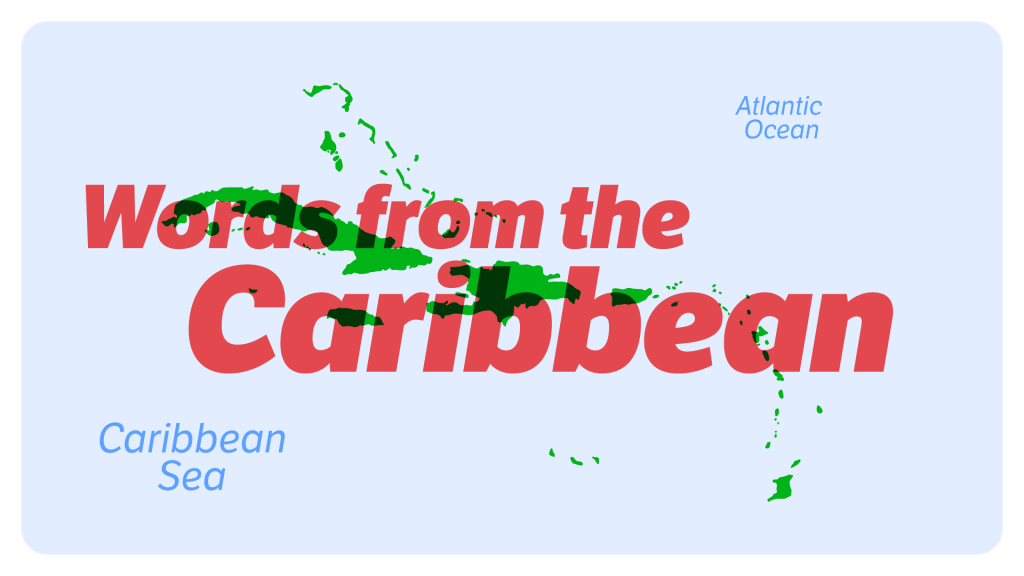
Dictionary.com has a quick introduction to the peoples and languages of the Caribbean, including a number of words that English has borrowed from the Taíno language.

Other things to read this week:
 Thomas Moore Devlin
📚 Books & Media
New (and old) books and media touching on language and linguistics.
The Book of Lost Languages
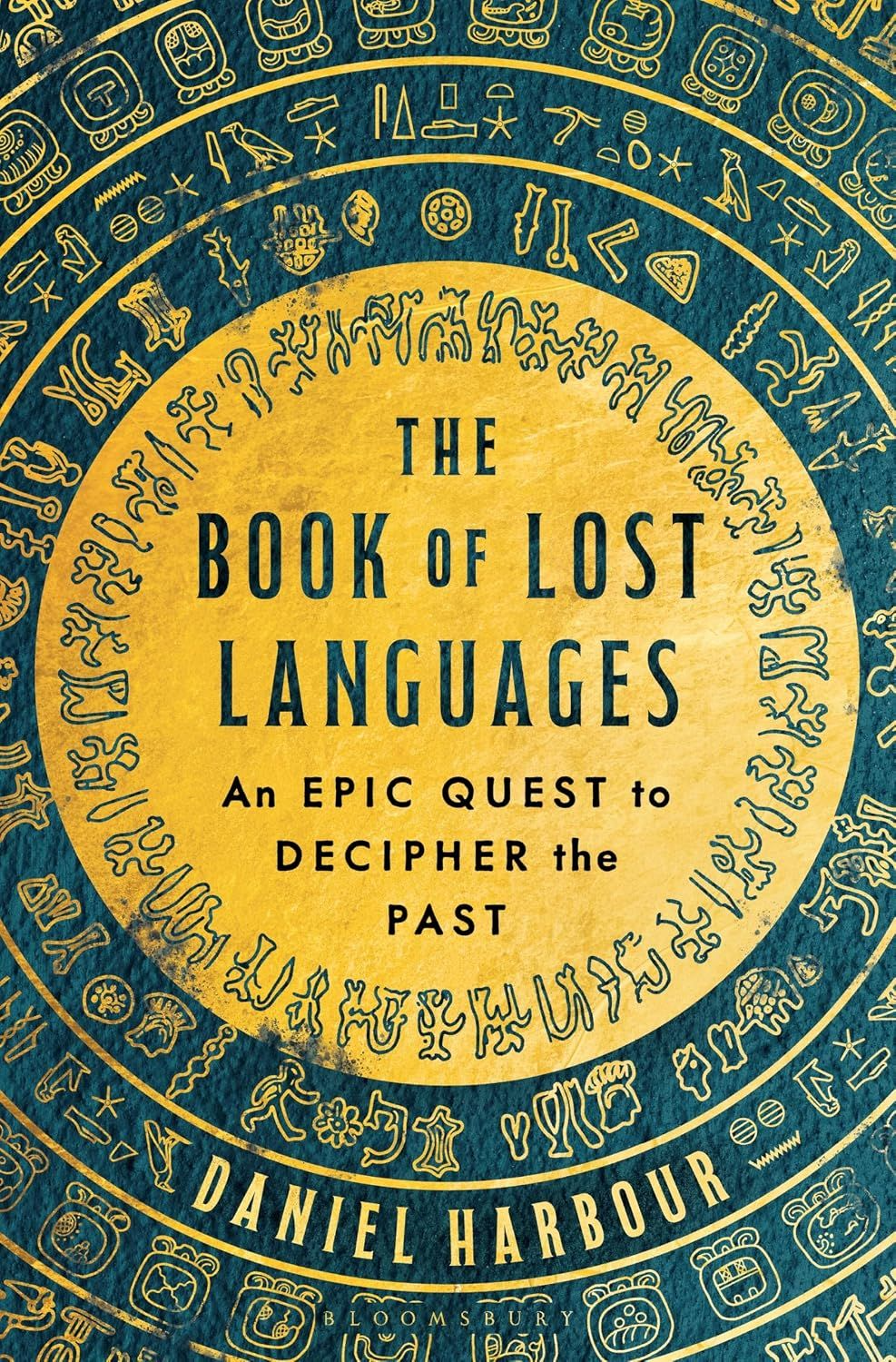
Not gonna lie, I’m pretty stoked for this one! Who doesn’t love mysterious ancient scripts?? Releases January 2027. Here’s the publisher’s blurb:
In 1799, a lieutenant in the Napoleon’s army accidentally stumbled upon an engraved rock near an Egyptian port city on the Nile. The long-hidden face of the half-buried boulder-the Rosetta Stone, as it came to known-bore the marks of three ancient scripts, an ancient Pharoah's message in triplicate. The stone became an essential key that allowed archaeologists and linguists to decipher the hieroglyphs of Ancient Egyptian, finally unlocking one of the world's most ancient written languages.
Egyptian hieroglyphs are only one of a dozen scripts we meet in The Book of Lost Languages. Endangered-language expert Daniel Harbour takes us on an adventure of discovery through the most extraordinary language decipherments in history: from the groundbreaking 18th-century effort by a French novelist to unlock the Phoenician alphabet; to an antique collector's use of engraved “dragon” bones to decipher Old Chinese; to revelations about the Andes' woolen writing that unraveled as this book came together. These intricate, obsessive quests illuminated millennia of human history that had long gone unread. And through them, ancient peoples now speak to us in words they themselves chose.
Featuring puzzles throughout that give readers the thrill of codebreaking, The Book of Lost Languages reveals the beguiling beauty that underlies the art of decipherment. Harbour weaves an utterly gripping story of people and politics, of genius and ingenuity, of blinkered skepticism and blind acceptance, and most of all, the very texture of ancient life on earth.
Get your copy here:
The etymology of alphabet
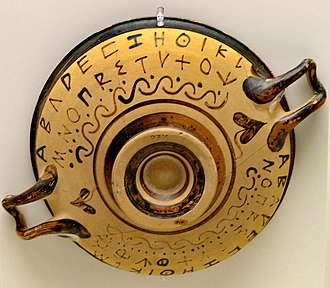
The word alphabet comes from the names of the first two letters of the Classical Greek alphabet, álpha and bêta.
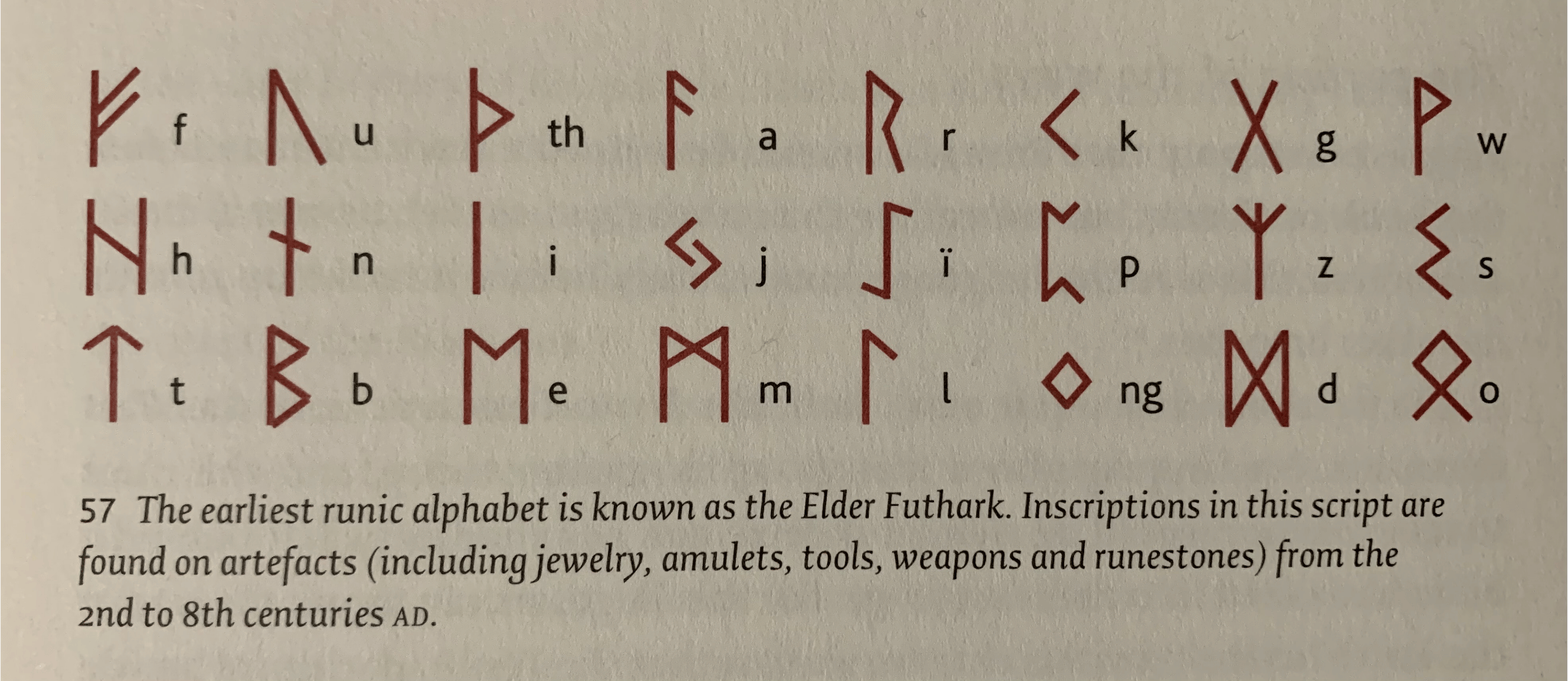
A similar term developed for the names of the Germanic runic alphabets: The Scandinavian runes were called futhark, taken from the names of the first six letters of the script: ⟨F, U, Þ, A, R, K⟩ (the letter thorn ⟨Þ⟩ represented a “th” /θ/ sound).
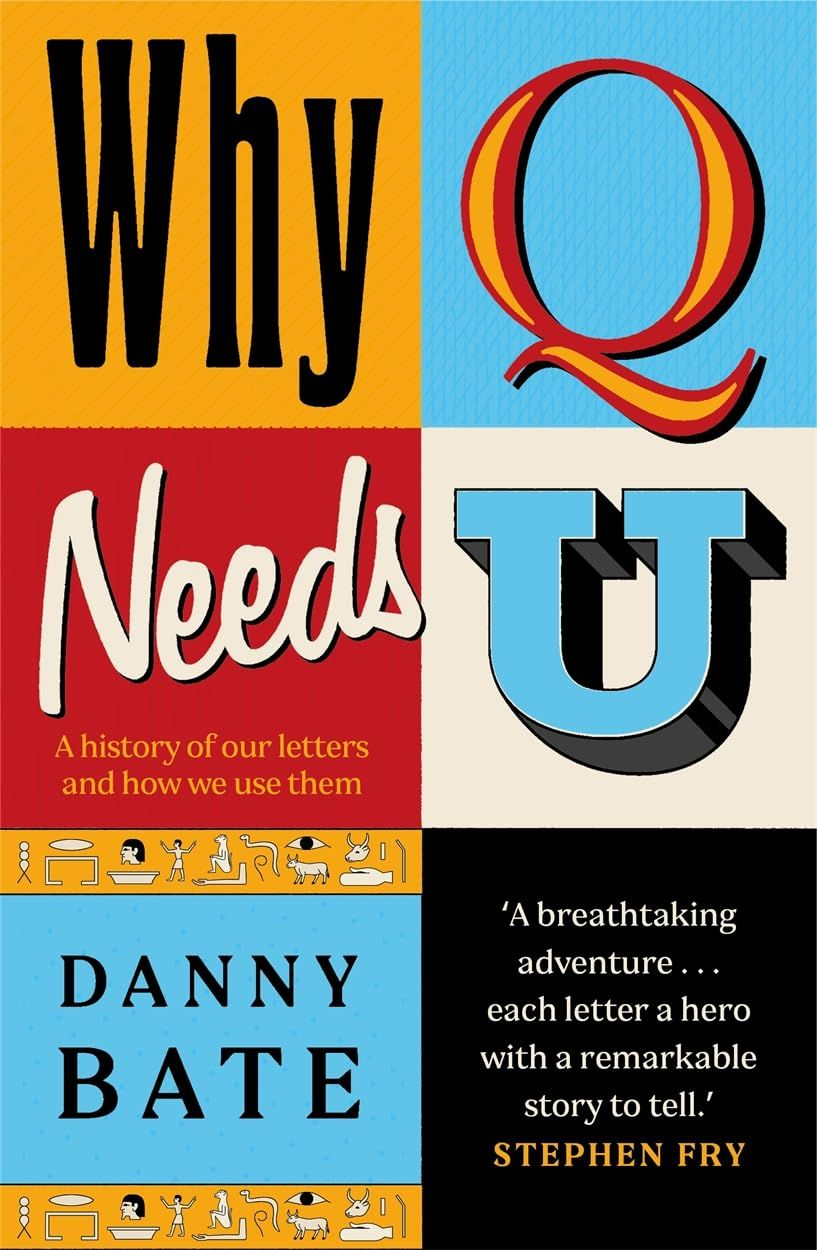
Want to learn more about the history of the alphabet? Don’t miss Danny Bate’s awesome book, Why Q needs U: A history of our letters and how we use them (Amazon | Bookshop):
🗃️ Resources
Maps, databases, lists, etc. on language and linguistics.
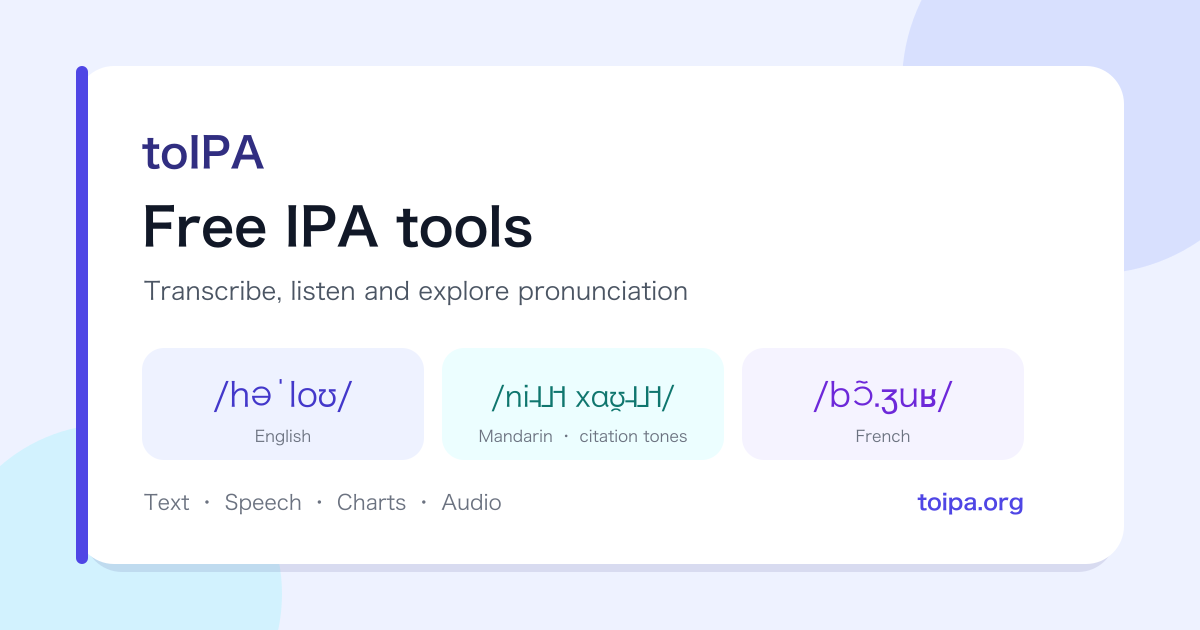
toIPA.org
Here’s a useful online tool that transliterates text in different languages to the International Phonetic Alphabet (IPA).

The Database of Cross-Linguistic Partial Colexifications (CLIPS)
The Database of Cross-Linguistic Partial Colexifications (CLIPS). It features accounts of partial affix colexifications, that is, cases in which a word form w recurs in the beginning or the end of a word form x. Cross-linguistically frequent partial colexifications have been reported to serve as a reliable proxy to word formation. CLIPS covers 9,141 partial colexification patterns involving 1,517 concepts and data from 253 language families. The first version of the database has just been released. Explore the data at the link below!

👋🏼 Till next week!
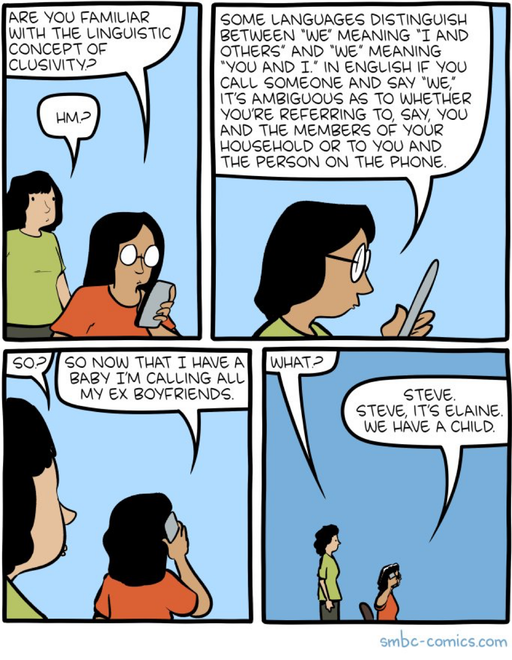
Saturday Morning Breakfast Cereal tackles the concept of linguistic clusivity (which is indeed a real thing):
Link to the original:

If you’d like to support Linguistic Discovery, purchasing through these links is a great way to do so! I greatly appreciate your support!
Check out my Amazon storefront here.
Check out my Bookshop storefront here.