A new cache of Hittite cuneiform tablets reveals the everyday lives of people in the Hittite Empire
Also this week: When languages collide, which survives? + Fiction sharpens language skills better than nonfiction + Norwegian kids think British English is cringe


Welcome to this week’s edition of the Linguistic Discovery digest, a weekly roundup of the latest language-related news, research in linguistics, interesting reads from the week, and newest books and media on language and linguistics!
📰 In the News
Language and linguistics in the news.
The Hittite world—in their own worlds
A new cache of cuneiform tablets reveals the everyday lives of people in the Hittite Empire—from religious rituals to a princess who died in a plague.


73-year-old Mohawk speaker is McGill’s first PhD in language revitalization
McGill University graduates its first PhD in Indigenous Language Revitalization, 73-year-old Mohawk speaker Mary Onwá:ri Tekahawá:khwen McDonald:
🗞️ Current Linguistics
Recently published research in linguistics.
When languages collide, which survives?
A new mathematical model of what happens when languages come into contact with each other suggests that the more that different social groups mix, the harder it is for different varieties of language to coexist.
 American Institute of Physics

- Rosillo-Rodes, San Miguel, & Sánchez. 2026. Modeling language ideologies for the dynamics of languages in contact. Chaos 33(11). DOI: https://doi.org/10.1063/5.0166636.
Fiction sharpens language skills better than nonfiction
A new review in Current Opinion in Psychology finds that reading narrative fiction is a stronger predictor of verbal and language skills than reading nonfiction: fiction’s rich language bridges reading for pleasure and language proficiency. Stories also work as social practice, building empathy and emotional intelligence as readers imagine what characters feel. In one Swiss study of 700 children, talking about inclusive stories made them more sensitive to unfairness than a standard language curriculum did.
Sanjukta Mondal
Norwegian kids think British English is cringe
In interviews with 6th-graders and 10th-graders, a recent study found that Norwegian kids now prefer to emulate American English rather than British English, since American English is the “default” dialect they hear on YouTube and Netflix. British English still has its prestige, but the kids reserve it largely for jokes and imitations.
Magnus Heie
- Rindal. 2026. You do you: English-language media influence in the everyday linguistic repertoires of young Norwegians. International Journal of the Sociology of Language. DOI: https://doi.org/10.1515/ijsl-2025-0168.
📃 This Week’s Reads
Interesting articles I’ve come across this week.
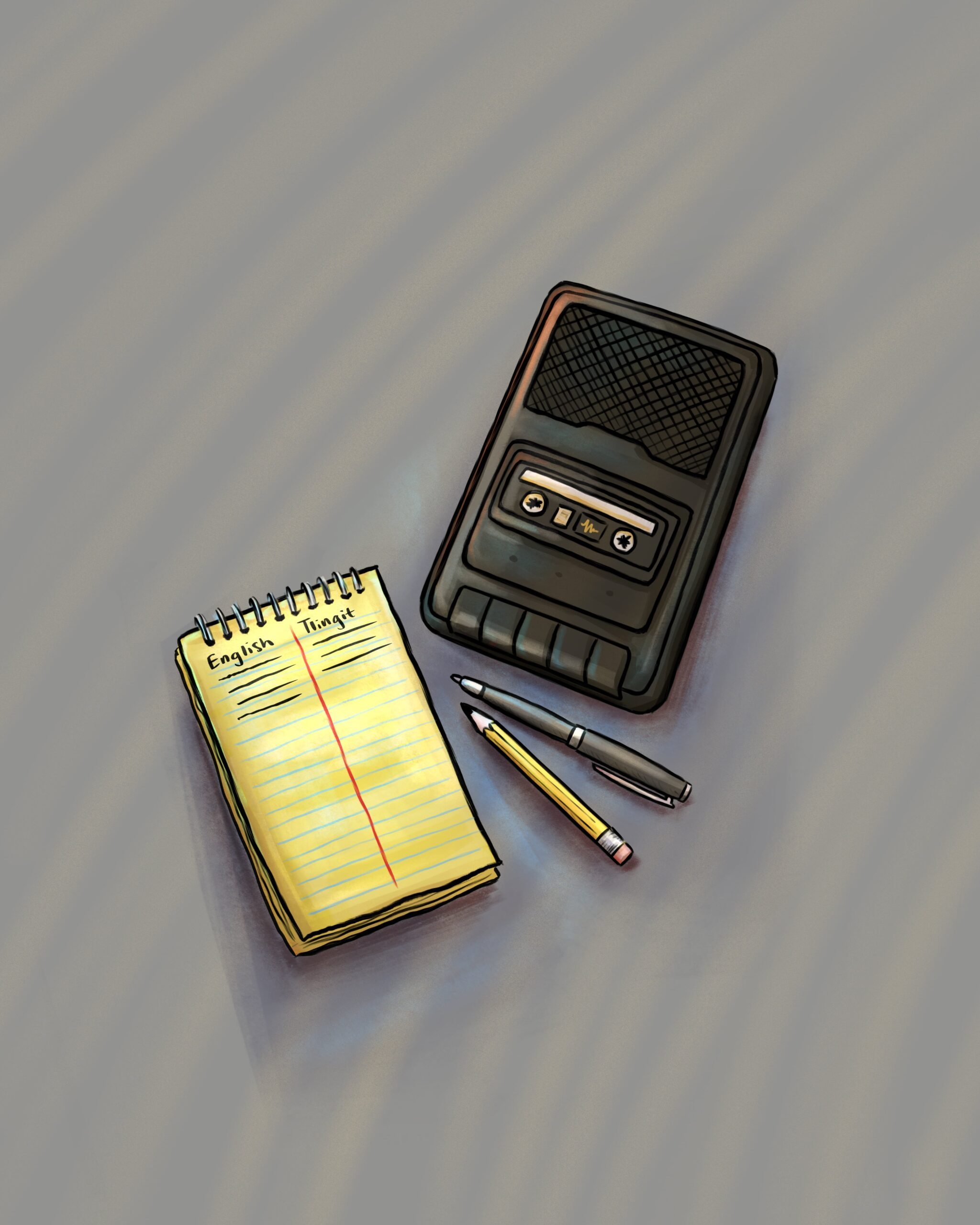
The process of documenting a language has changed tremendously in the century or so since Franz Boas began documenting indigenous languages in earnest. This article talks about how the process has shifted from a more extractive one to a more collaborative one over time:
 Admin
Would it be better to learn new languages like a child does?
Maybe not! Adults have all sorts of metacognitive and explicit learning abilities they can bring to bear on the task of language learning that children do not. Moreover, children have a great deal more neural plasticity than adults do. It might be better to embrace what makes us good learners as adults than try to imitate the way children learn language.
Here’s a good article on the topic from Babbel:
 Babbel

And another related article from Babbel:
 Steph Koyfman

And here are your other interesting reads for the week:
 Becky Clifford
 George Poulos

- Finding language in the brain: Psycholinguist Giosuè Baggio sheds light on the thrilling, evolving field of neurolinguistics, where neuroscience and linguistics meet (The MIT Press Reader)
📚 Books & Media
New (and old) books and media touching on language and linguistics.
The Accent Code
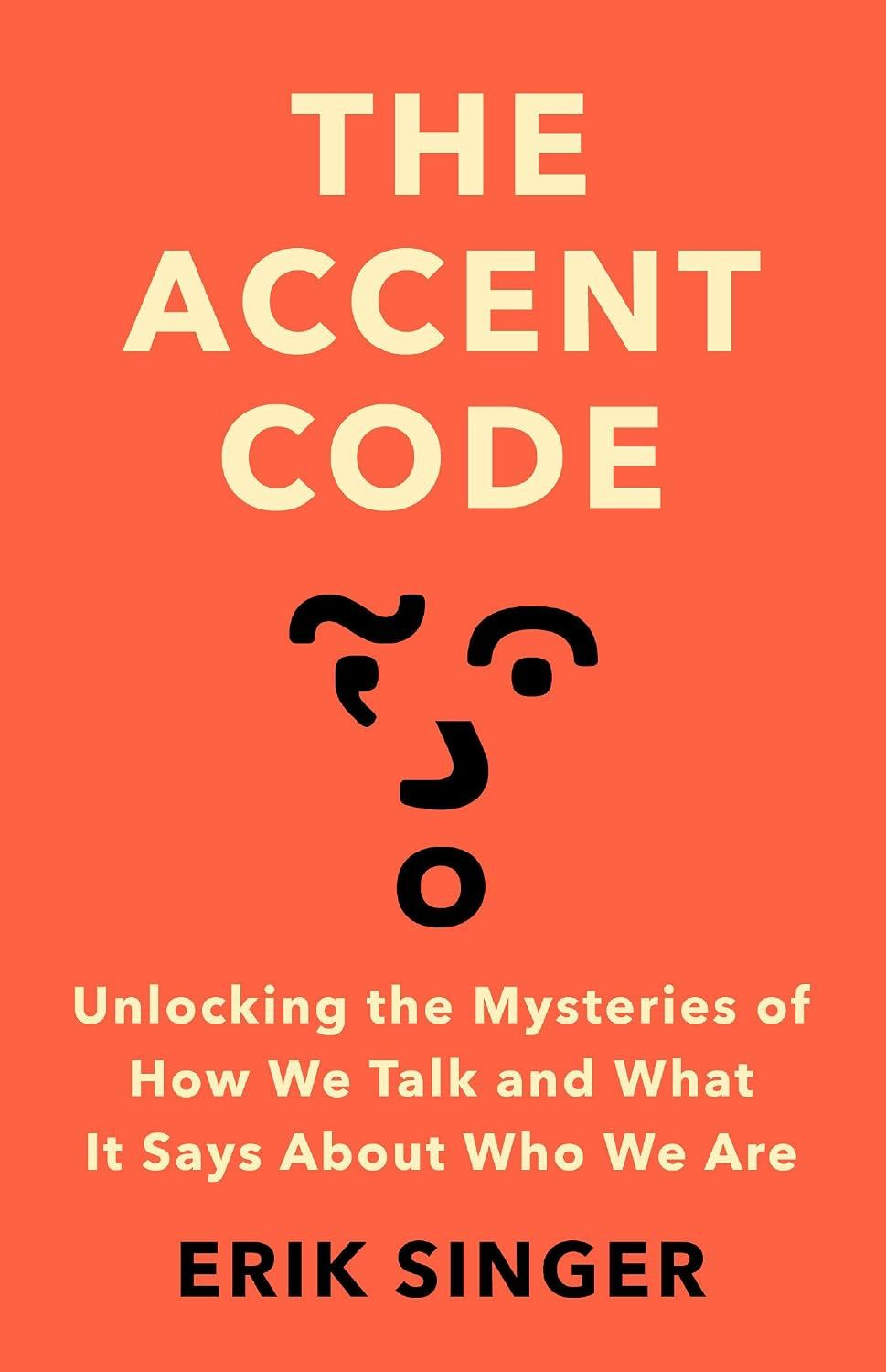
Erik Singer, dialect coach and author of the Substack I Like Your Accent, a newsletter about accents, dialects, and language, has a book coming out early next year! Here’s the blurb:
Why do so many movie villains have British accents? Why do some New Englanders say “carr” and others “cahh”? Why does Alaskan Sarah Palin sound like she’s from Minnesota?
Where do accents come from, and why do people speak with different accents in the first place? Dialect coach Erik Singer has spent decades training Hollywood actors in the nuances of accents. How we pronounce our words isn’t just a matter of how we move our mouths. Accents come with a host of associations—geography, class, intelligence, attitude—that influence how we express our identities and how we perceive those of others. In The Accent Code, Singer offers an irresistible guide to how accents work and what they mean, revealing the hidden ways accents shape our lives.
Language never stops changing: it reflects the churn of human striving and conflict, from sweeping developments like migration and war to the more quotidian intrigue of the high school cafeteria. With wit, erudition, and inexhaustible curiosity, Singer leaps across time and geography to bring a symphony of past and present accents to life. Along the way, he examines what accents might have to do with political polarization, deconstructs the dangerous biases we apply to the ways people speak, and spotlights the ingenuity of the linguists who documented language change in real time. Armed with a dialect coach’s grasp of language from the inside out, we come to understand that an accent says so much more about us than where we’re from.
Drawing on history, linguistics, and pop culture, The Accent Code is an exhilarating tour of the rich variety of human communication and identity.
Grab a copy here:
Talking hands
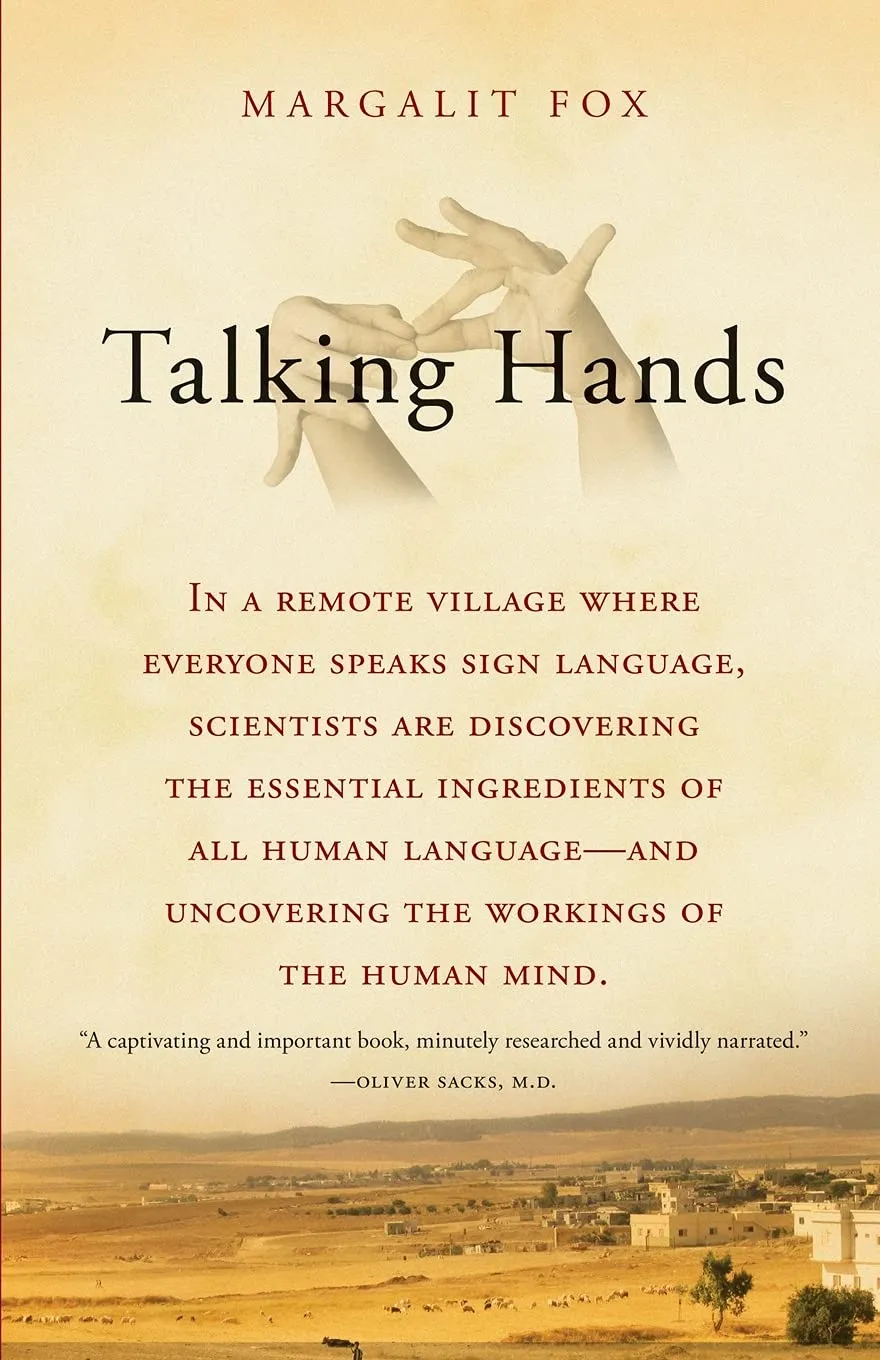
In the early ‘00s linguists found out that a new sign language had emerged among an isolated Bedouin community in Israel that happened to have a high rate of deafness. Even though these children hadn’t been exposed to sign language, their individual home signs gradually coalesced into a brand new sign language shared by the community.
This was BIG news to linguists because it was basically a new language being born, and naturally it sparked all sorts of questions about the origin of language.
This book documents the emergence of this Al-Sayyid Bedouin Sign Language (ABSL), and what it tells us about language and the human mind.
👋🏼 Till next week!
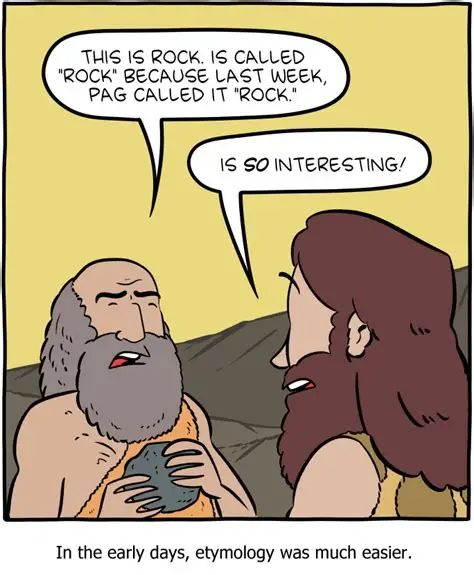
I’m not sure as a prehistoric linguist whether this would have been nice or just really boring.
If you’d like to support Linguistic Discovery, purchasing through these links is a great way to do so! I greatly appreciate your support!
Check out my Amazon storefront here.
Check out my Bookshop storefront here.