Current Linguistics
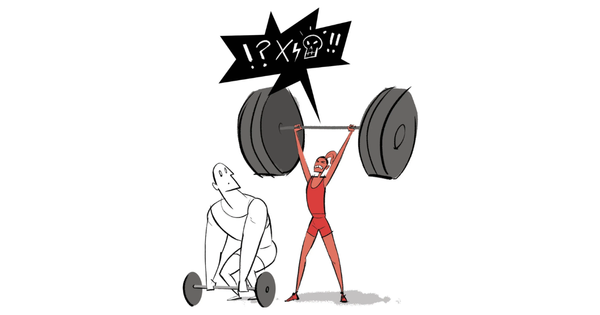
Swearing could give you a physical edge
Also this week: How the theory of the humors shaped English + New research uncovers the cerebellum’s crucial role in human language

Current Linguistics
Also this week: How the theory of the humors shaped English + New research uncovers the cerebellum’s crucial role in human language
Newsletter
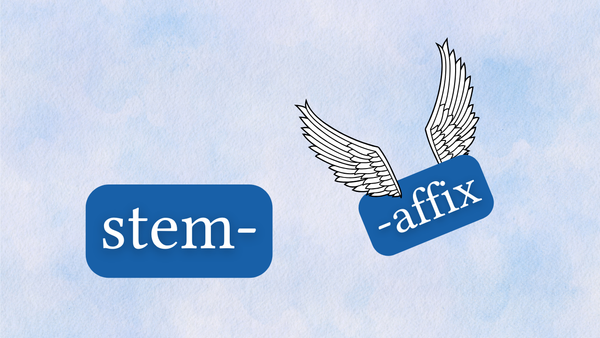
How libfixes work, where they come from, and what they teach us about language and the mind
Current Linguistics
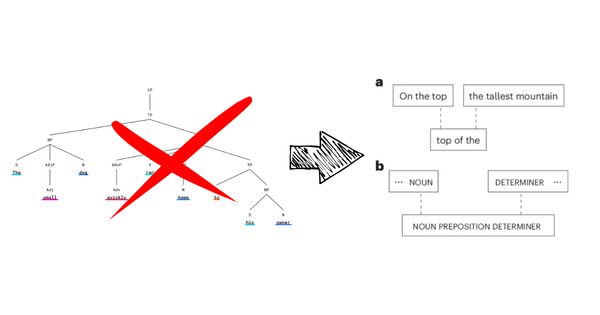
Also this week: Some dogs learn words like children + “How to kill a language”, a new book by Sophia Smith Galer
Current Linguistics
Also this week: People with personality disorders use language differently + Decoding the lost scripts of the ancient world. Here’s what happened this week in language and linguistics.
Newsletter
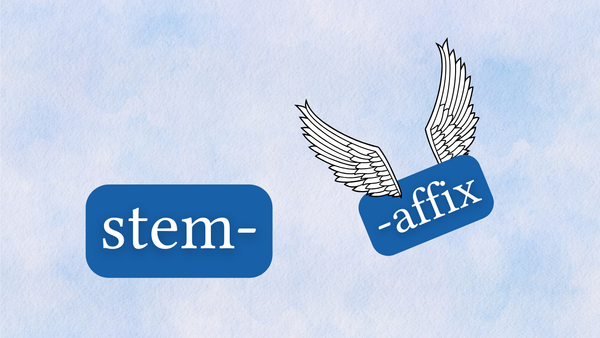
What happens when parts of words declare independence

Current Linguistics
Also in the news this week: Merriam-Webster chooses “slop” as the 2025 Word of the Year; Gaelic and Scots now recognized as official languages in the UK; and Canada’s prime minister called out for using British spellings
Newsletter
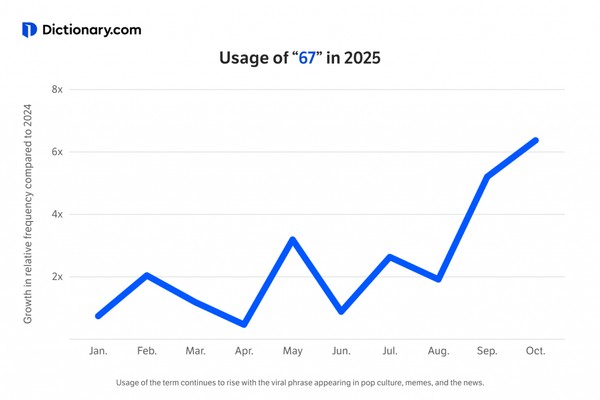
In defense of Dictionary.com’s 2025 Word of the Year
Current Linguistics
Also this week: Turkic states agree on a common Latin alphabet; and researchers decode Mandarin Chinese from brain activity
Current Linguistics
Also this week: The world’s oldest written languages, and a cool new book on etymology. Here’s what happened this week in language and linguistics.
Current Linguistics
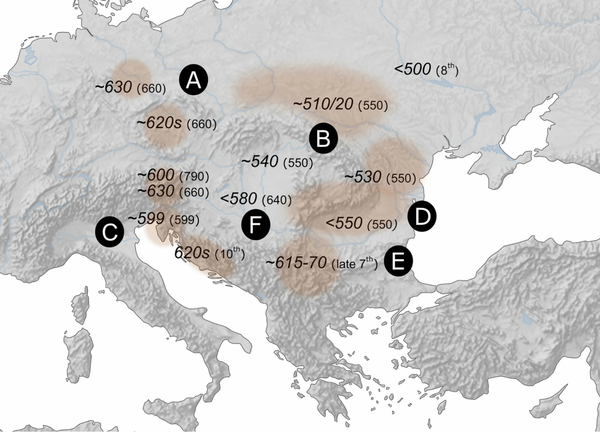
Also this week: How our DNA holds the history of our language + The Cambridge dictionary adds 6,000 new words—and not everybody’s happy about it. Here’s what happened this week in language and linguistics.