Newsletter
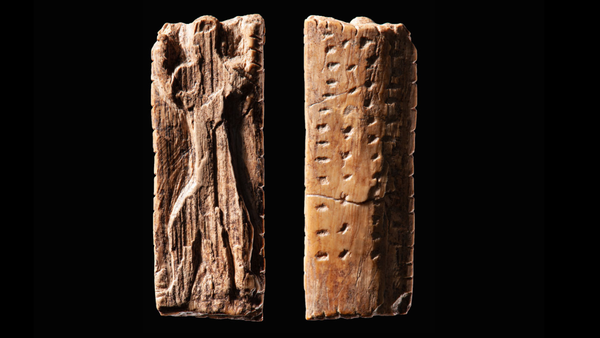
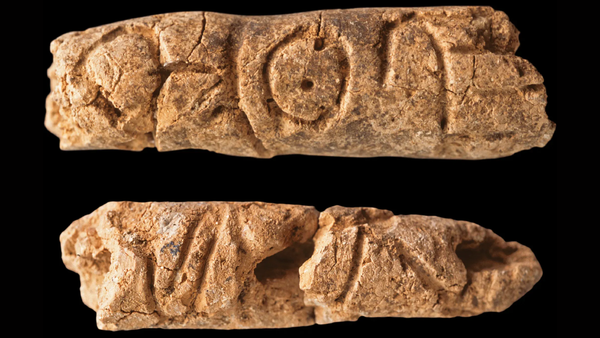
Do these Stone Age symbols push back the origins of writing by tens of thousands of years?
Nope. The real finding is even cooler.
Newsletter
Nope. The real finding is even cooler.
Current Linguistics
Also this week: Did Kanzi the bonobo have imagination? + A better English alphabet
Current Linguistics
Also this week: How the theory of the humors shaped English + New research uncovers the cerebellum’s crucial role in human language
Current Linguistics
Also this week: Some dogs learn words like children + “How to kill a language”, a new book by Sophia Smith Galer
Current Linguistics
Also this week: People with personality disorders use language differently + Decoding the lost scripts of the ancient world. Here’s what happened this week in language and linguistics.
Current Linguistics
Also in this week’s digest: Why Morse Code didn’t work for Chinese + Words affect us based on how they sound + Your brain processes language more alike to AI than we previously thought
Current Linguistics
Also this week: Researchers determine that bees understand morse code + ⅓ of grammatical universals stand up to rigorous testing
Current Linguistics
Also this week: The California Language Archives receives a treasure trove of new materials on Pomoan languages. Here's what happened this week in language and linguistics.
Current Linguistics
Also this week: Whales are found to use “vowels” + 6,000-year-old Mesopotamian seals linked to the dawn of writing
Current Linguistics
Also this week: Turkic states agree on a common Latin alphabet; and researchers decode Mandarin Chinese from brain activity
Newsletter
Join League of the Lexicon game creator Joshua Blackburn as he follows the threads of his curiosity about keyboards
Current Linguistics
Also this week: How technological advances in language modeling have allowed researchers to develop speech recognition technology even for small, endangered languages