Why your foreign accent sucks
Also this week: Why you might not want to learn language like a child + How California “Valley Girl” talk changed the way America speaks + Statistical physics reveals how languages evolve

Welcome to this week’s edition of the Linguistic Discovery digest, a weekly roundup of the latest language-related news, research in linguistics, interesting reads from the week, and newest books and other media dealing with language and linguistics!
📢 Updates & Announcements
Announcements and what’s new with me and Linguistic Discovery.
🏳️🌈🏳️⚧️ Polari and the history of queer language: Learning to live out loud
Happy Pride! The video from my commencement speech at the Lavender Celebration at the College of William & Mary is now live! You can watch here:
🗞️ Current Linguistics
Recently published research in linguistics.
Why your foreign accent sucks
Did you know that your foreign accent is a lot worse than you think it is? It is. You just can’t hear how awful you sound. This is the finding from a study published back in 2020, with some reporting in Fast Company:
- Linguistics have discovered why your foreign language accent sucks: You can hear your friends’ bad accent just fine but not your own (Fast Company)
- Mitterer, Eger, & Reinisch. 2020. My English sounds better than yours: Second-language learners perceive their own accent as better than that of their peers. PLOS One. DOI: https://doi.org/10.1371/journal.pone.0227643.
Statistical physics reveals how languages evolve
Models based on the principles of statistical physics can provide useful insights into how languages change through contact between speakers of different languages. In particular, the analysis reveals how unusual linguistic forms are more likely to be replaced by more regular ones over time.
 Samuel Jarman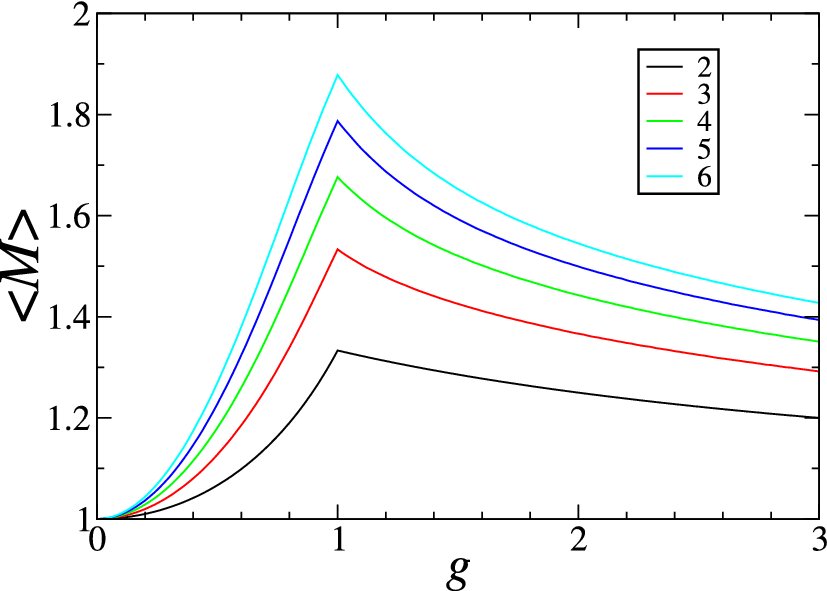
- Luck & Mahta. 2023. Evolution of grammatical forms: Some quantitative approaches. The European Physical Journal B 96(19). DOI: https://dx.doi.org/10.1140/epjb/s10051-023-00488-0.
📃 This Week’s Reads
Interesting articles I’ve come across this week.
Would it be better to learn new languages like a child does?
Maybe not! Adults have all sorts of metacognitive and explicit learning abilities they can bring to bear on the task of language learning that children do not. Moreover, children have a great deal more neural plasticity than adults do. It might be better to embrace what makes us good learners as adults than try to imitate the way children learn language.
Here’s a good article on the topic from Babbel magazine:
 Babbel
 Beth Meisinger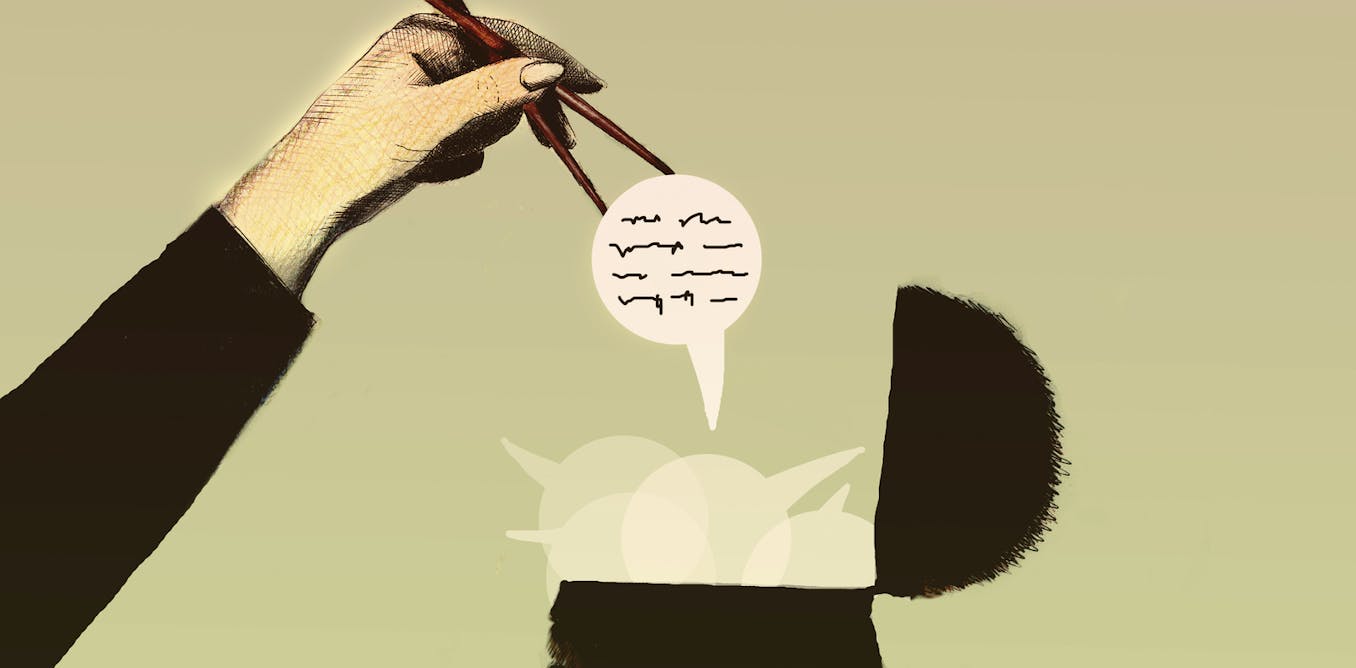
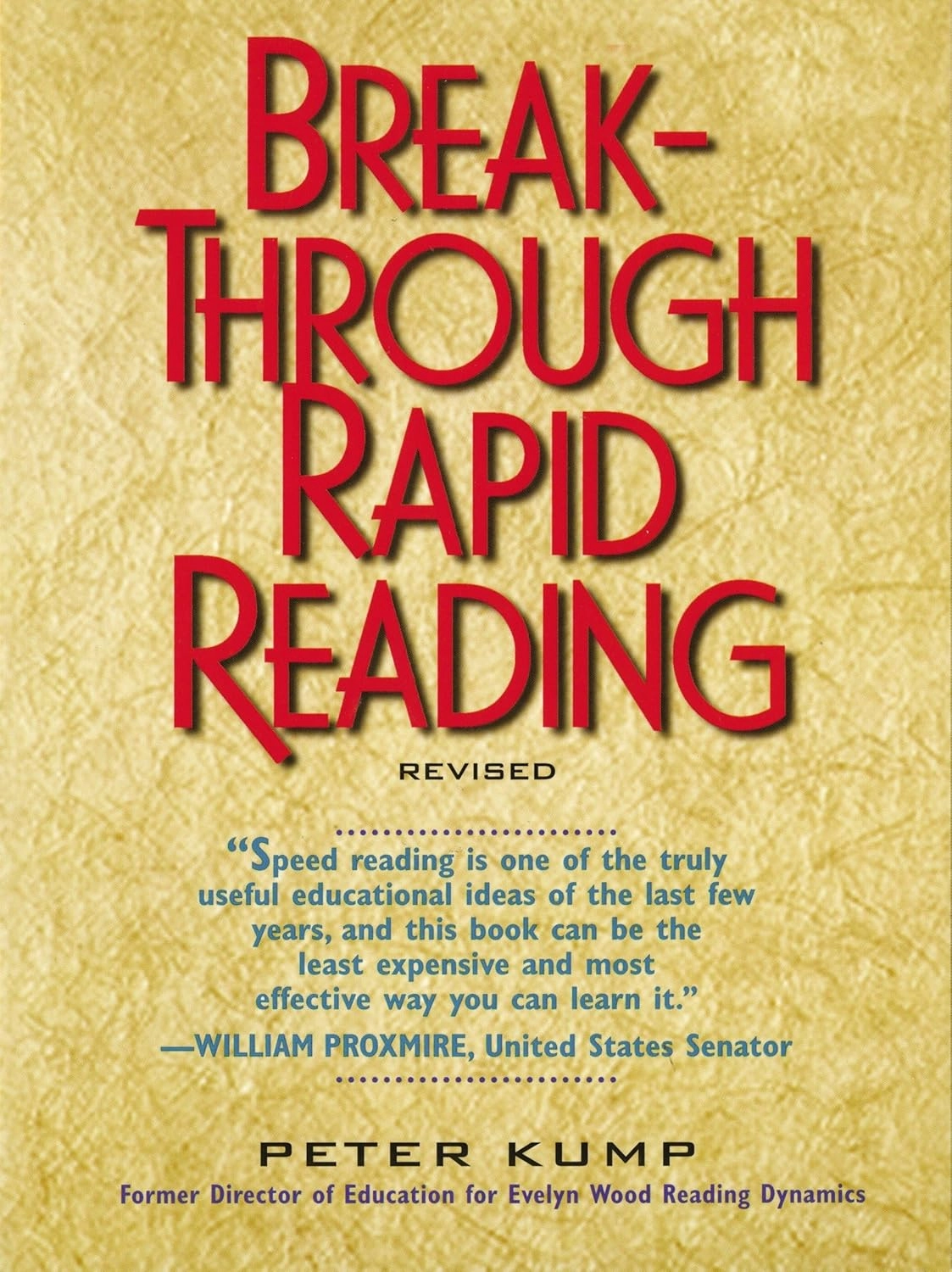
Incidentally, one of the tricks to reading faster is to stop these “subvocalizations”, as they’re called. This has been shown to drastically increase a person’s reading rate. I learned this trick from this (very full-of-itself but nonetheless very helpful) book:
Other reads for your week:
 Maddie Bender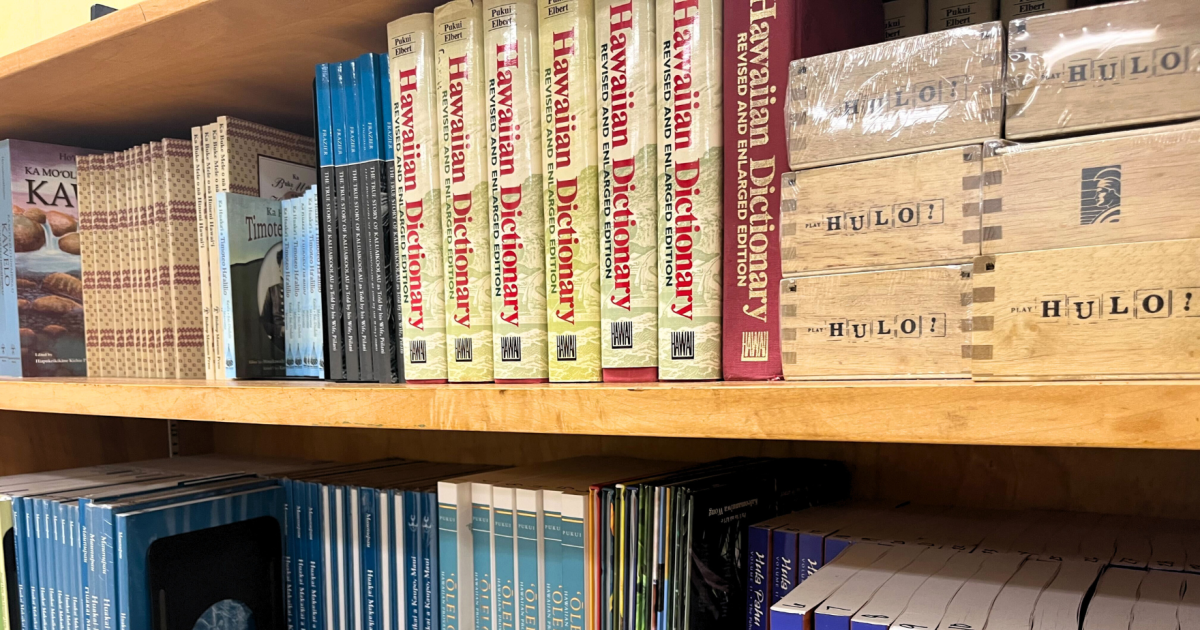
 Jennifer Gunner
 Michael Ferber
 Matt Elias
📚 Books & Media
New (and old) books and media touching on language and linguistics.
How to keep your language alive
If you’re trying to preserve your heritage language and pass it on to your kids and future generations, you’ll want to check out this book:

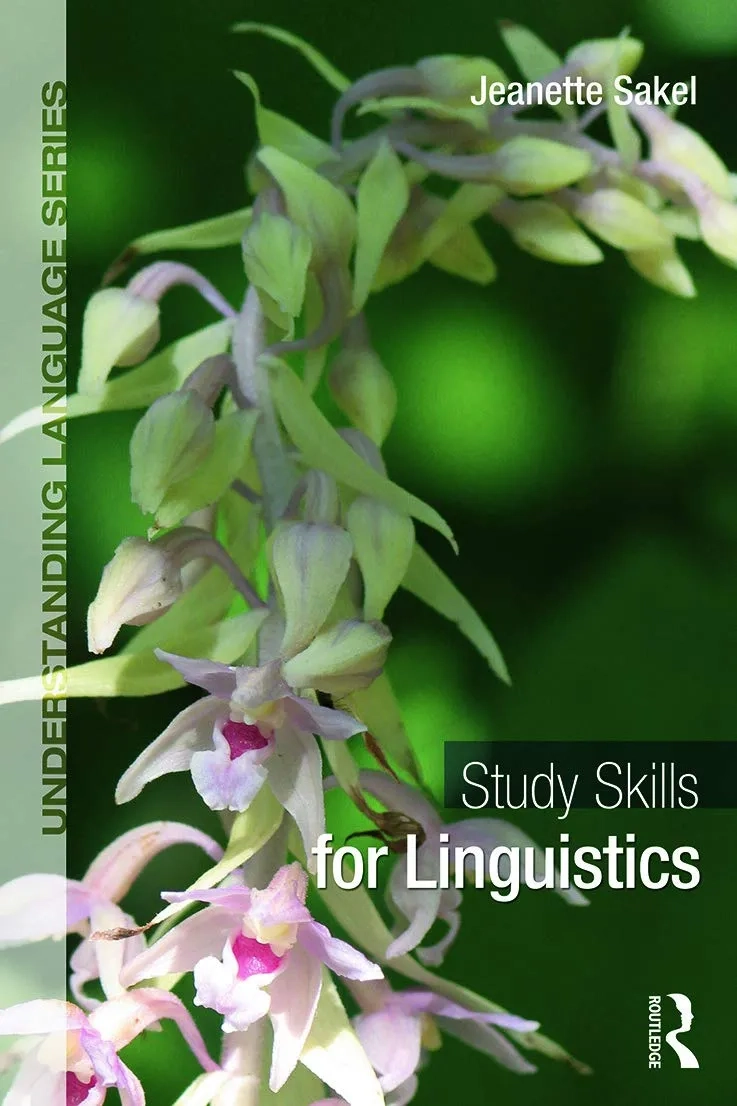
Study skills for linguistics
If you or a college-aged person in your life are studying linguistics or thinking about studying linguistics, I highly recommend picking up a copy of this book. It’s got some great advice for linguistics students: it gives you overviews of basic concepts in the field, walks you through how to do a research project, and even talks about what you can do with your linguistics degree when you graduate.
🗃️ Resources
Maps, databases, lists, etc. on language and linguistics.
Early Indo-European Online
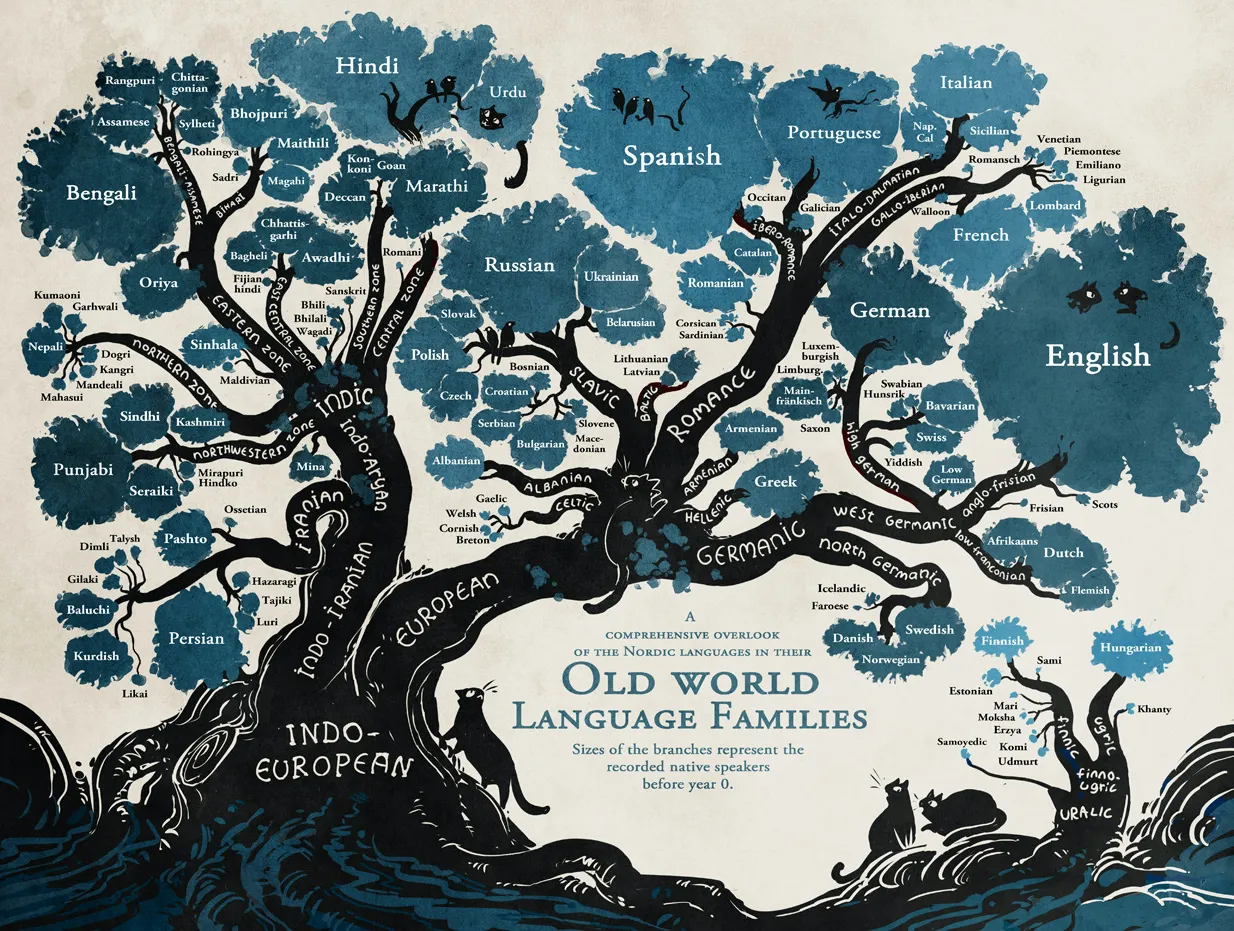
Do you think ancient languages are freakin’ cool? Yeah, same.
Then you should check out the incredible Early Indo-European Online course, a completely free online course that tours you through all the attested early Indo-European languages. You’ll analyze original texts from each of these languages and learn all about the details of Indo-European grammar.


👋🏼 Till next week!
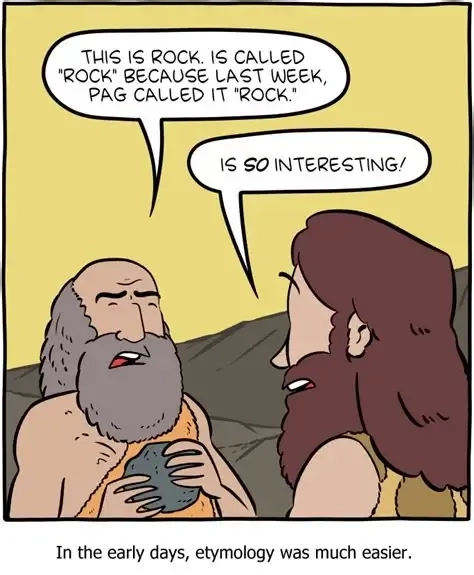
If I were a prehistoric linguist I’m not sure whether this would have been really nice or just really boring.
If you’d like to support Linguistic Discovery, purchasing through these links is a great way to do so! I greatly appreciate your support!
Check out my Amazon storefront here.
Check out my Bookshop storefront here.