We’re losing 338 spoken words every year, linguists find
Also this week: Sperm whale communication closesly mirrors human language + Why toddlers don’t understand the words “I” and “you”


Welcome to this week’s edition of Discovery Digest, a weekly roundup of the latest language-related news, research in linguistics, interesting reads from the week, and newest books and other media dealing with language and linguistics!
🗞️ Current Linguistics
Recently published research in linguistics.
We’re losing 338 spoken words every year

Linguists and psychologists have discovered that, since 2005, the average person has spoken less each year than the year before, by approximately 338 fewer words per day.
 Hatty Willmoth
- Pfeifer & Mehl. 2026. Sliding into silence? We are speaking 300 daily words fewer every year. Perspectives on Psychological Science. DOI: https://doi.org/10.1177/17456916261425131.
Sperm whales’ communication closely parallels human language

Researchers with Project CETI (the Cetacean Translation Initiative), an organization dedicated to understanding the communication of sperm whales, has found that the whales’ communication is remarkably similar to our own in several respects: not only do the whales have something akin to an “alphabet” and form vowels within their vocalizations, but the structure of these vowels behaves in the same way as human speech.
Sperm whales communicate in a series of short clicks called codas. Analysis of these clicks shows that the whales can differentiate vowels through the short or elongated clicks or through rising or falling tones, using patterns similar to languages such as Mandarin, Latin and Slovenian.
Allison Parshall Oliver Milman
- Beguš et al. 2026. The phonology of sperm whale coda vowels. Proceedings of the Royal Society B: Biological Sciences 293(2069): 20252994. DOI: https://doi.org/10.1098/rspb.2025.2994.
📃 This Week’s Reads
Interesting articles I’ve come across this week.
Some new reporting on a study of language universals in 1,700 languages (which I included in the digest a few weeks back):
Vishwam Sankaran
Toddlers struggle to understand the meanings of the pronouns I and you. Think about it: the meanings of those words change constantly depending on who is saying them! This article talks about some cool research on how children use pronouns:

Home to some of the last speakers of Aramaic, Maaloula was attacked in Syria’s civil war. Its residents are determined to rebuild–and preserve their mother tongue from extinction:

Other reads:
Danny Bate Jacyb Porter
📚 Books & Media
New (and old) books and media touching on language and linguistics.
Why we talk funny
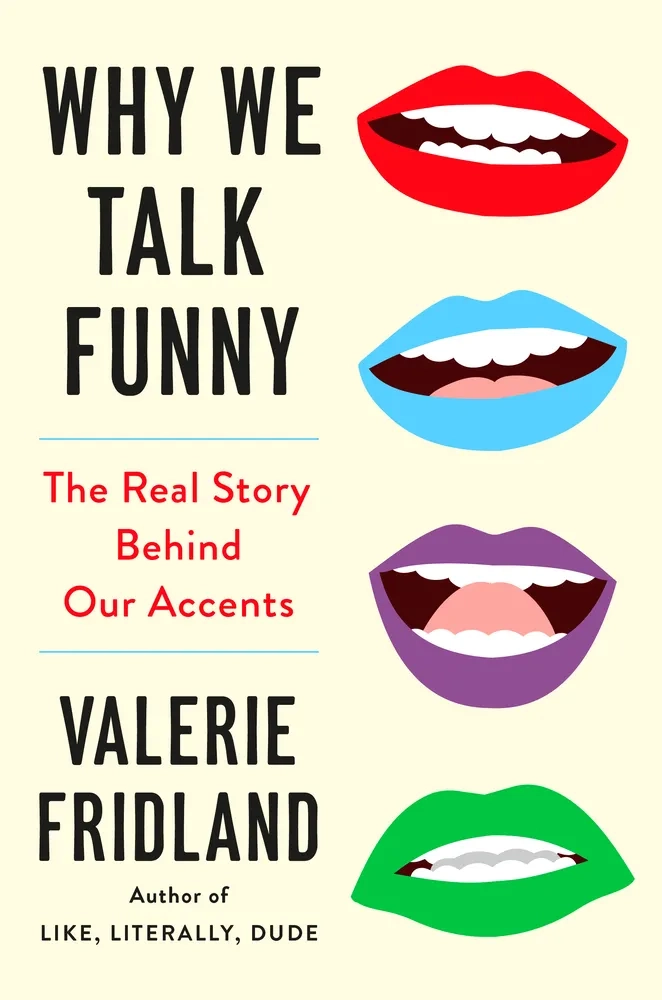
Historically it’s been difficult to find books aimed a general audience about sociolinguistics, which is a real shame because it’s one of the most applicable and relatable areas of linguistics, that probably has the most to teach people. So I’m very happy to see this new book from Valerie Fridland, author of Like, literally, dude: Arguing for the good in bad English (Amazon | Bookshop.org). Here’s the publisher’s blurb:
Accents have long held our fascination. As far back as the 7th century BCE, Egyptian pharaohs experimented with babies to test out theories about the “original” accent and the Old Testament relays how a small difference in the pronunciation of “s” became a fatal litmus test of tribal belonging. Still today, from dinner parties to job interviews, you’ll find people kicking up dust about things like where and how to pronounce a ‘t,’ as in, never in “often,” but with proper British poshness, as in “t(y)une.”
In Why We Talk Funny, linguist Valerie Fridland unlocks the secrets of what linguistic science, psychology and history can tell us about the evolution of human speech, why accents develop, and how they shape our professional and social lives. With a healthy dose of her signature humor and captivating anecdotes, Fridland explores how the twin forces of physiology and psychology along with the need to fit in changes the trajectory of speech over languages and lifetimes, diving deep into the history and social forces driving the way people talk. Along the way, she emphasizes that accents don’t always set us apart, they can also bring us together. Whether it’s the accent that hints at your hometown, your group, your social status or your ethnicity, the sounds we say reveal a lot about who we are and where we’ve been – even for those who might think they have no accent at all.
The story of language is the story of humanity, and as Fridland reminds us, the funny sounds we make – whether from the mouths of ancient ancestors or the tongues of screenbound teens – all come from the same powerful desire to communicate and belong. Why We Talk Funny will change the way you think about your own accent – and transform the way you listen to the sounds of others.
Get your copy here:
👋🏼 Till next week!
Here’s great blog post from Ryan Starkey showing the etymologies of endonyms (community-internal names for one’s own group) and exonyms (names given to a group by an outsider community) for several different countries. Read the full blog post here for details.
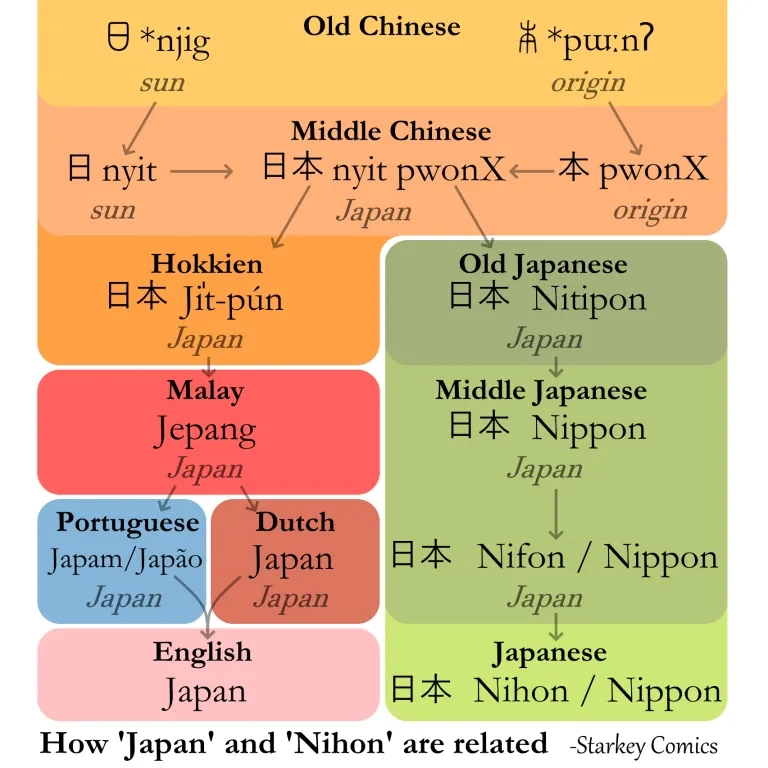 Ryan Starkey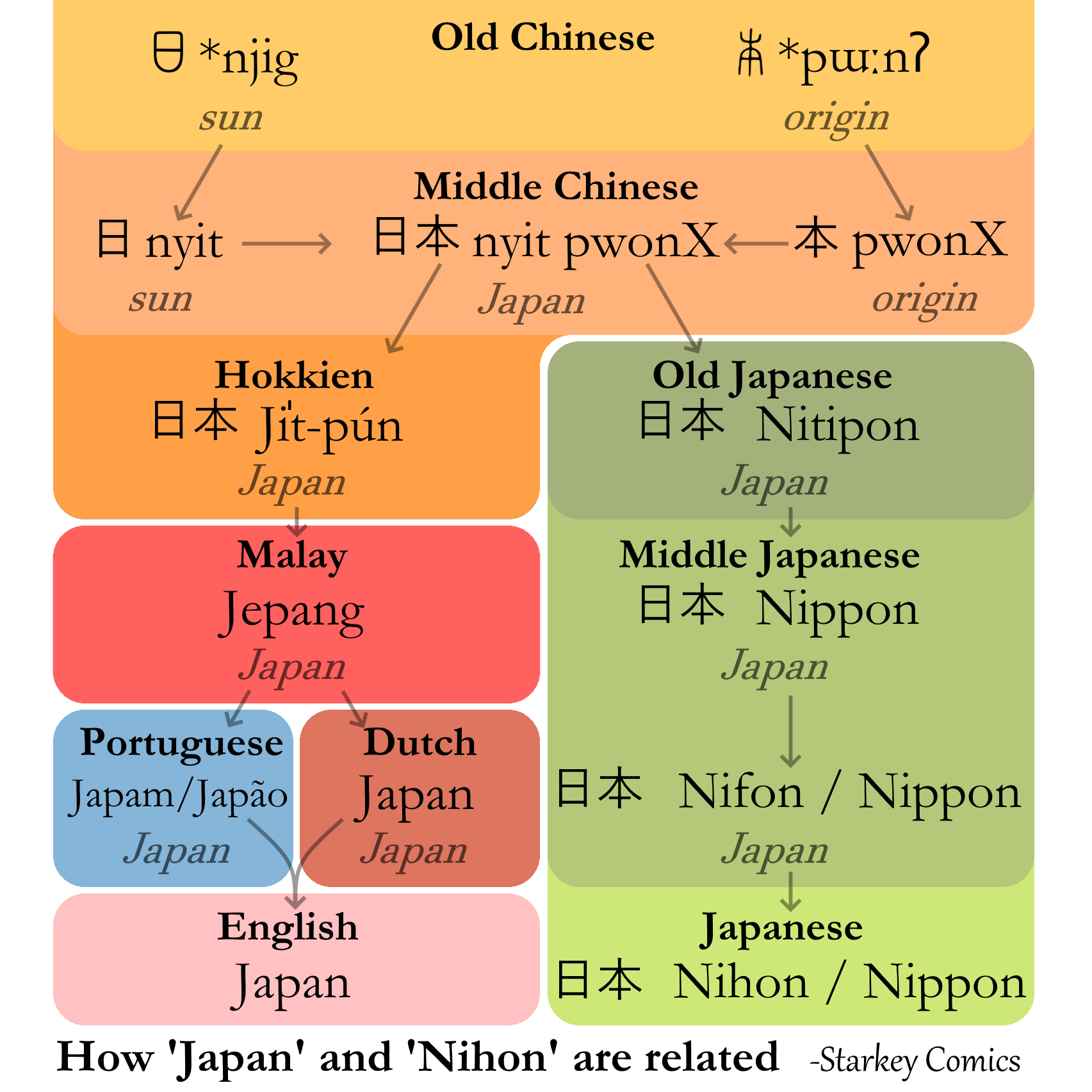
If you’d like to support Linguistic Discovery, purchasing through these links is a great way to do so! I greatly appreciate your support!
Check out my Amazon storefront here.
Check out my Bookshop storefront here.