New evidence that language evolved before humans did
Also this week: Universals of swearing across languages + Does learning Latin improve your SAT scores? + What killed penmanship

Welcome to this week’s edition of Discovery Digest, a weekly roundup of the latest language-related news, research in linguistics, interesting reads from the week, and newest books and other media dealing with language and linguistics!
📢 Updates & Announcements
Announcements and what’s new with me and Linguistic Discovery.
The North American Computational Linguistics Open Competition (NACLO)
Can you solve these language puzzles? Test your skills with these problems from North America’s biggest linguistics competition.
For 20 years, this computational linguistics competition has inspired new generations of innovators in AI and language preservation.
 Emma R. Hasson

🆕 New from Linguistic Discovery
This week’s content from Linguistic Discovery.
Why we talk funny: The real story behind our accents
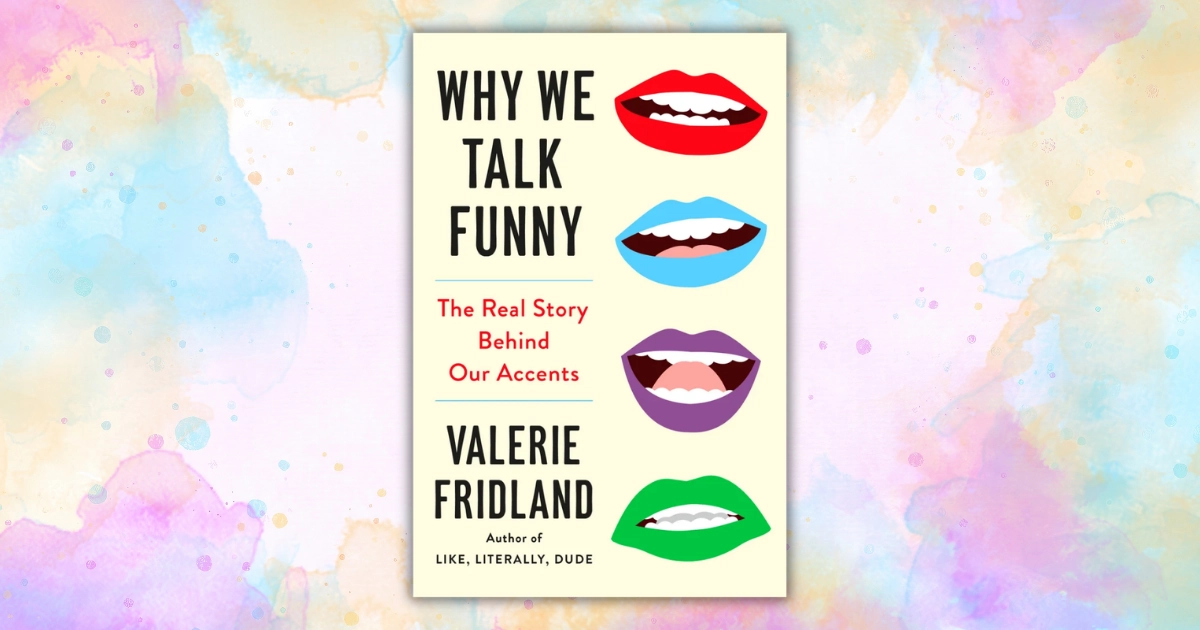
This week we’ve got a special guest post from sociolinguist Valerie Fridland, Ph.D., who’s giving us a sneak peek at her new book, Why we talk funny: The real story behind our accents (Amazon | Bookshop)! I’m really happy to see this book come into existence, because there are surprisingly few books on sociolinguistics for popular audiences, even though the field has some of the most—and most important—things to teach the general public about language. Dr. Fridland is also the author of Like, literally, dude: Arguing for the good in bad English (Amazon | Bookshop), so if you enjoyed that one you’ll definitely enjoy this book too!
Daniel W. Hieber, Ph.D.
Get your copy of the book here:
📱 Shortform Video: Why Homer uses color terms so strangely in the Iliad and the Odyssey
I recently partnered with St. John’s College to produce a video about Homer’s strange use of color terms in the Iliad and the Odyssey (based on my newsletter issue on the topic, which you can read here), and thought I’d share the video here as well:
We picked this topic for the video because of how nicely it dovetails with St. John’s unique educational model. Their curriculum focuses around their Great Books program, where students gradually work through the greatest and most significant books in history over the course of their degree. They also learn Ancient Greek sufficiently well that they get to read some of the classics in the original Greek. In general their curricula have a strong language focus, and they even offer graduate programs in Sanskrit, Biblical Hebrew, Classical Chinese, and Classical Arabic. So exploring the fun linguistics behind Homer’s use of color terms seemed like the perfect fit, given that both the Iliad and the Odyssey are included in their Great Books curriculum.
You can learn more about their programs here:

🗞️ Current Linguistics
Recently published research in linguistics.
New evidence that language evolved before humans

It’s becoming increasingly clear that the genetic and cognitive capacities necessary for language evolved long before modern humans did, which means that our cousins the Neanderthals likely had an early, perhaps much more primitive, form of language too.
A recent study contributes to the converging evidence for this conclusion by using genetic data to show that a set of genes important for language likely evolved before humans did:
Jackie Flynn Mogensen
- Did Neanderthals have language? New research suggests they had the genetic hardware for it, like humans (Smithsonian Magazine)
- “The old ‘Did Neanderthals even speak?’ question is very hard to sustain”: Genetic hardware for language abilities evolved long before modern humans appeared (IFLScience)
- Casten et al. 2026. Ancient regulatory evolution shapes individual language abilities in present-day humans. Science Advances 12(17). DOI: https://doi.org/10.1126/sciadv.aed5260.
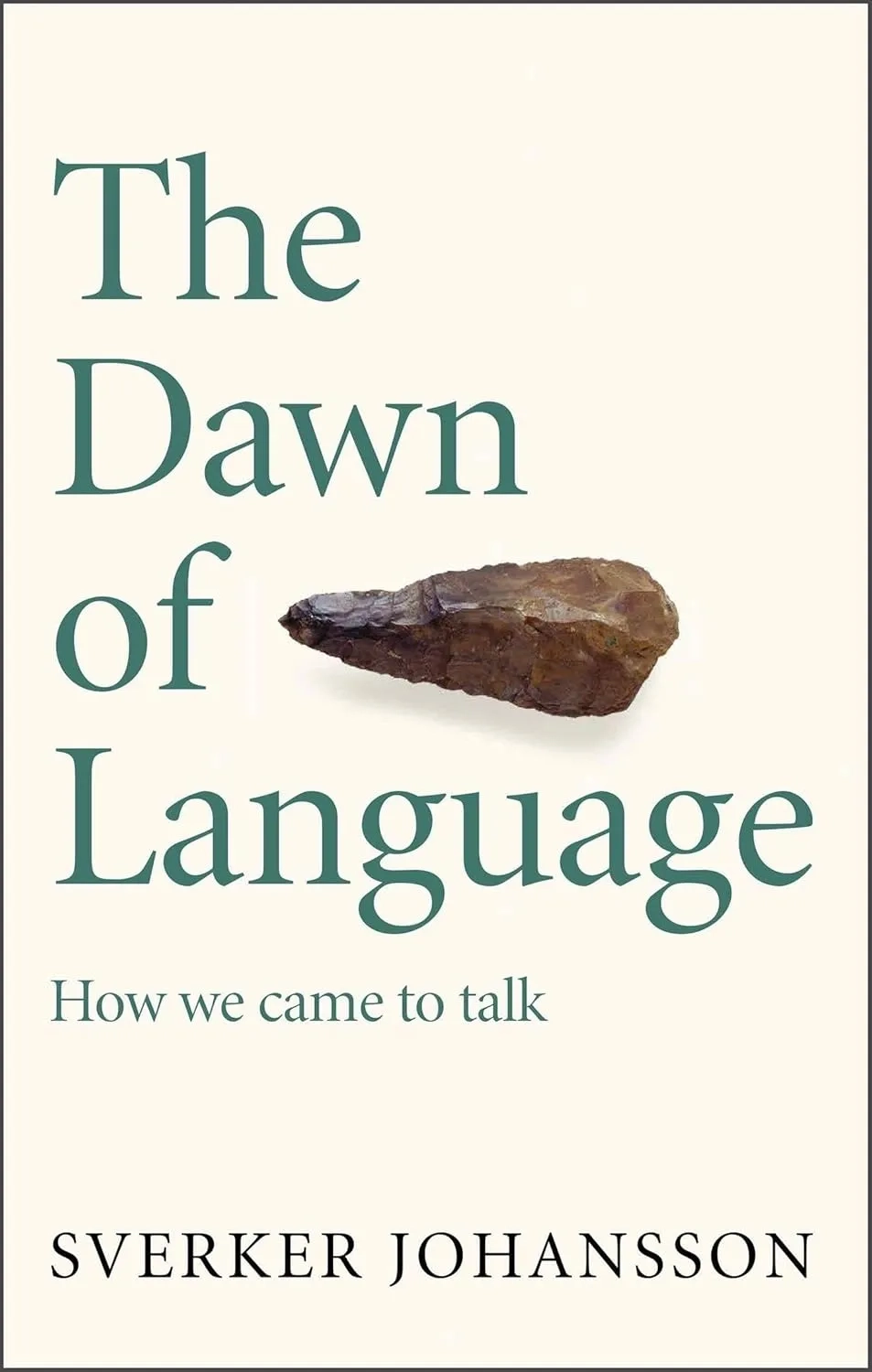
I recommend this book on language evolution often, but I’ll recommend it again because it’s fantastic and talks a little bit about this issue:
Universals of swear words
This is reporting on an older study from 2024, but I just recently came across it:
Linguists found that swear words share certain universal traits across languages! For example, they all tend to exclude /l, r, w/ sounds (words like asshole are the exceptions that prove the rule, because they are quite rare).
 Elana Spivack
- Lev-Ari & McKay. 2023. The sound of swearing: Are there universal patterns in profanity? Psychonomic Bulletin & Review 30: 1103–1114. DOI: https://doi.org/10.3758/s13423-022-02202-0.
📃 This Week’s Reads
Interesting articles I’ve come across this week.
Cognitive linguistics adheres to two important principles:
- The Generalization Commitment: Our explanation of language should work for all parts of language—syntax, phonology, morphology, etc. There are no distinct “modules” within language. It’s a unified phenomenon.
- The Cognitive Commitment: Our explanation of language should jive with everything we know about the mind and brain from other disciplines.
Here’s a great explainer article about cognitive linguistics from 2019:
Vyvyan Evans Ph.D.
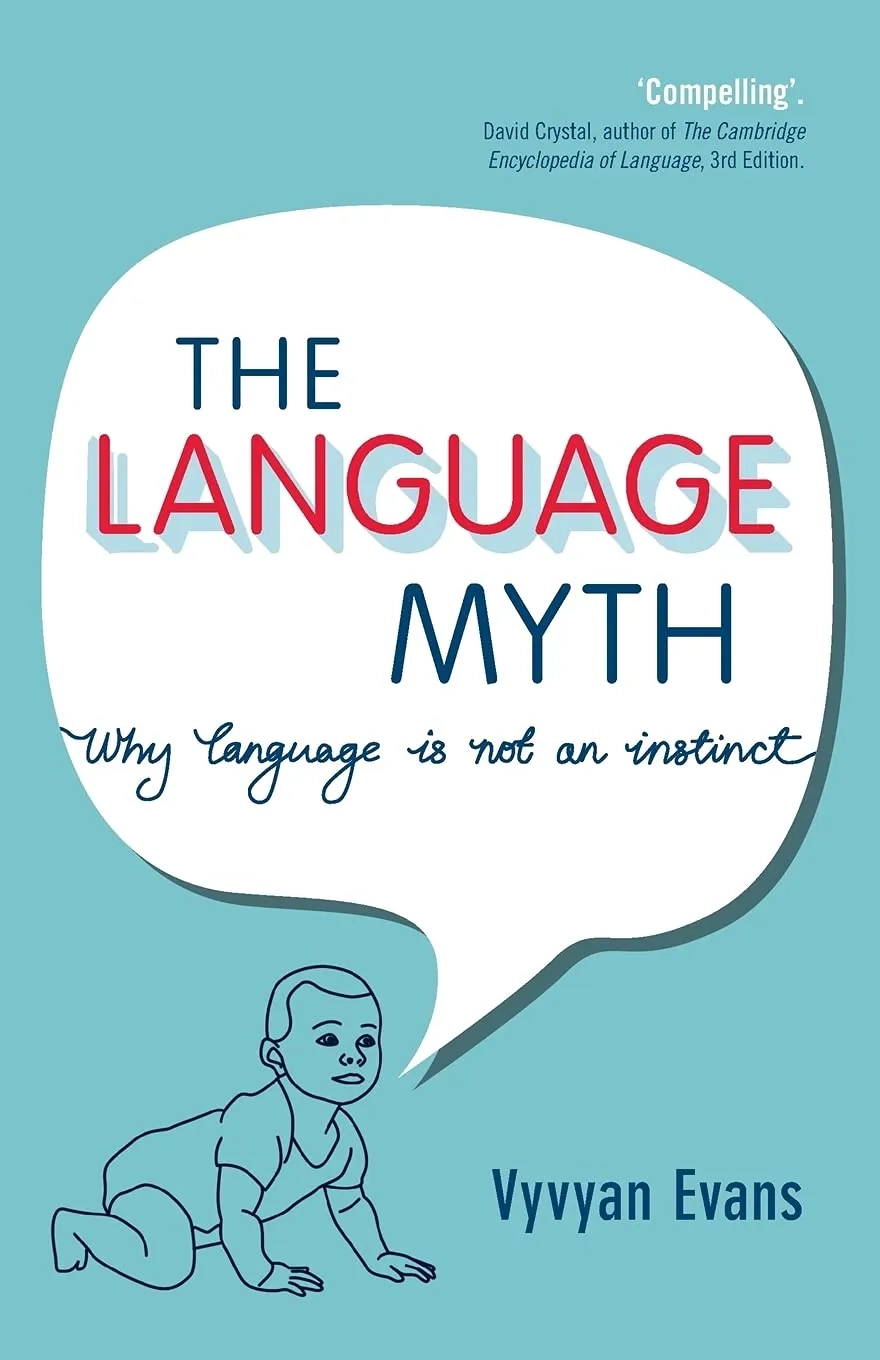
An awesome book that explains language from a cognitive perspective is Vyvyan Evans’ The language myth: Why language is not an instinct (Amazon | Bookshop):
The National Museum of Language has a neat blog where they feature a language of the month! They recently pointed me to their article about Hawaiian since I posted about the sound system of the language:
- Language of the Month March 2023: Hawaiʻian (National Museum of Language)
And here’s their most recent language of the month, Tut, an argot created by enslaved African Americans:
- Language of the Month October 2025: Tut (National Museum of Language)
Other articles I came across this week:
 Andrew Cohen
 Jennifer Gunner
📚 Books & Media
New (and old) books and media touching on language and linguistics.
Babel, or the necessity of violence: An arcane history of the Oxford Translator’s Revolution
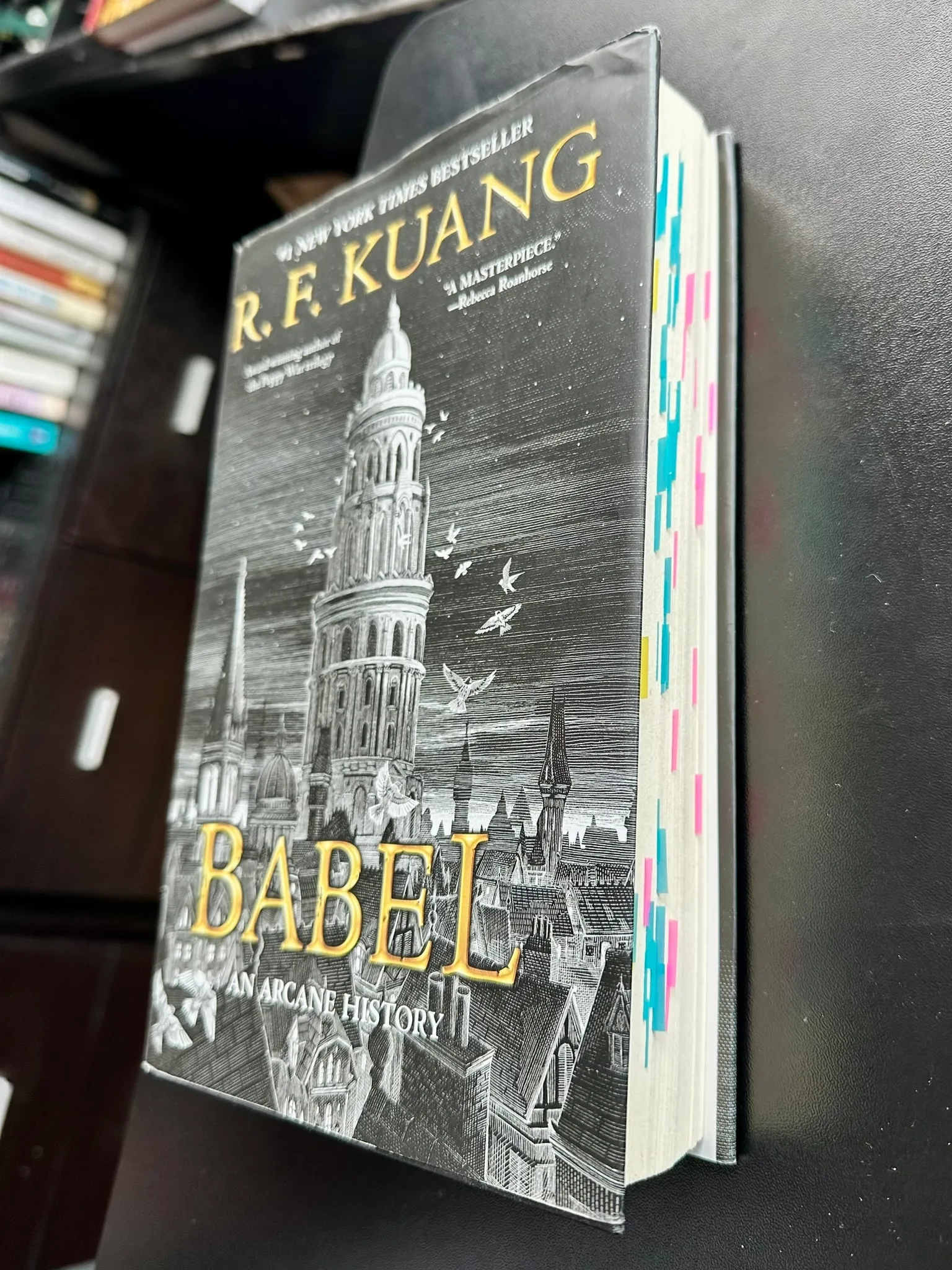
I just finished reading Babel and loved all the linguistics that Kuang packed into the book. It seems like every third page introduces another fun etymology—and they’re all accurate! (Or at least, plausible given the extant evidence.) It’s a dark academia fantasy book, heavy on the sociopolitical commentary (the book is essentially a fictional polemic against colonialism, racism, capitalism, classicism, and the West in general), so if that sounds up your alley, grab a copy here:
When languages die: The extinction of the world’s languages and the erosion of human knowledge
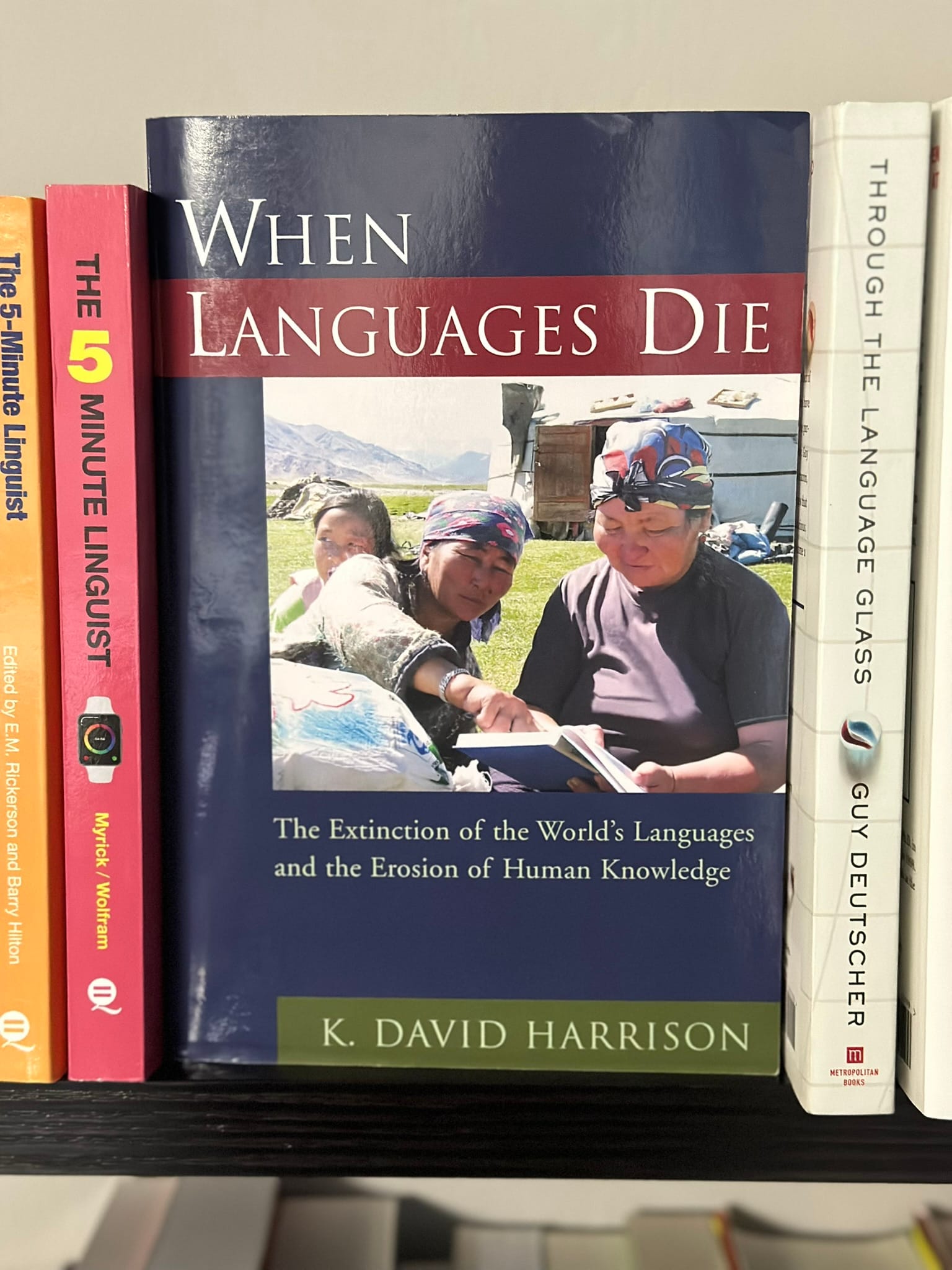
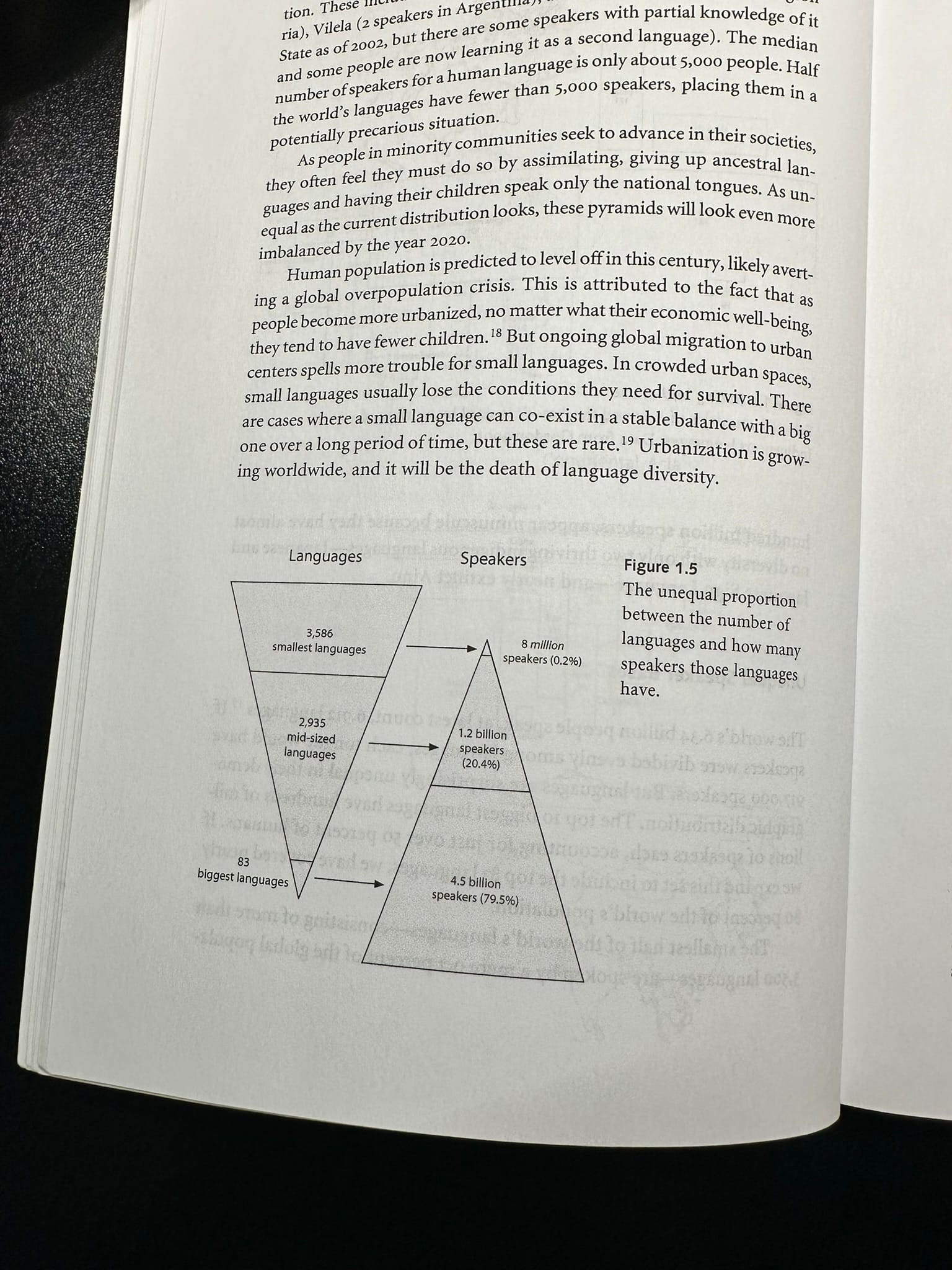
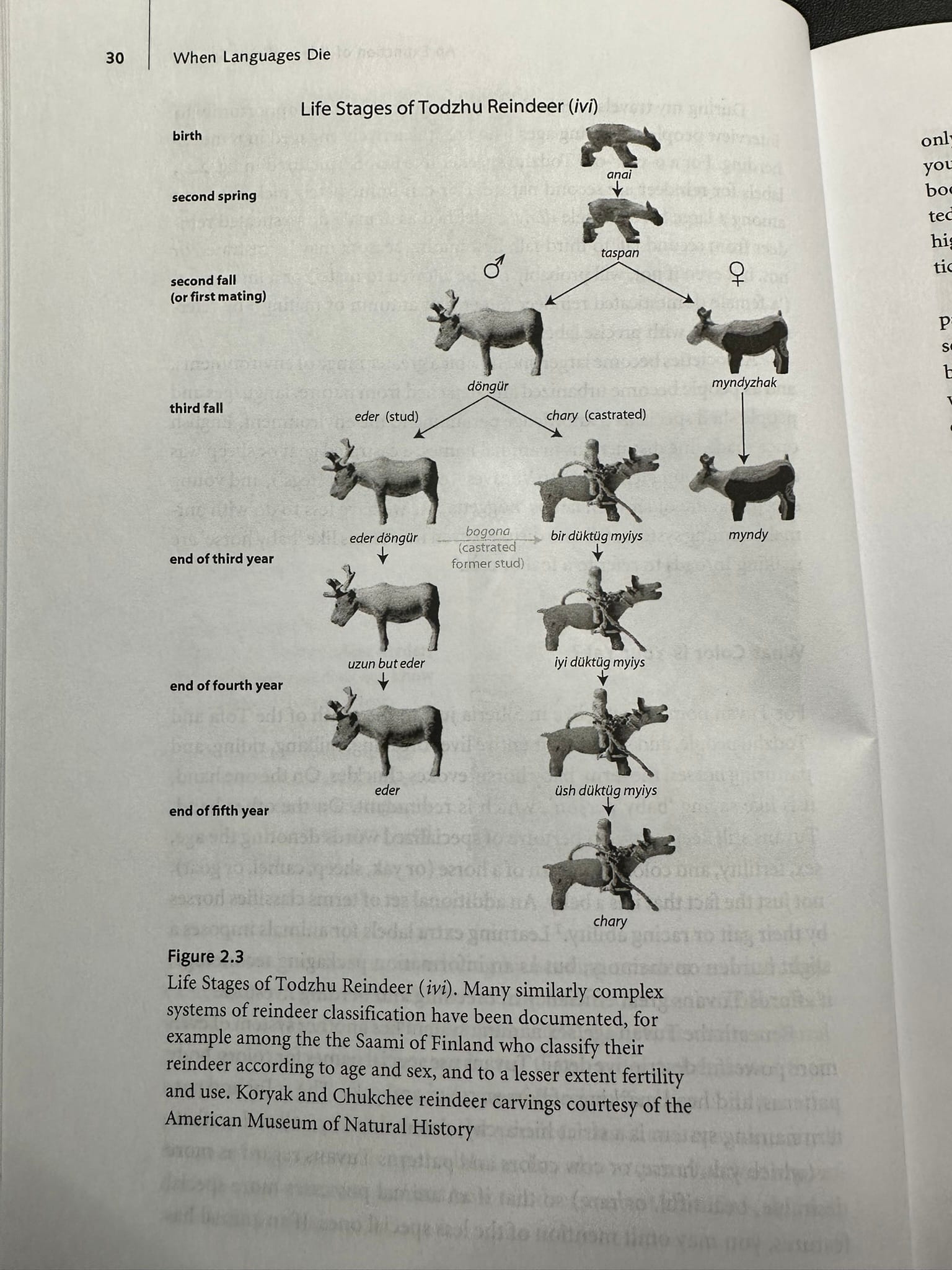
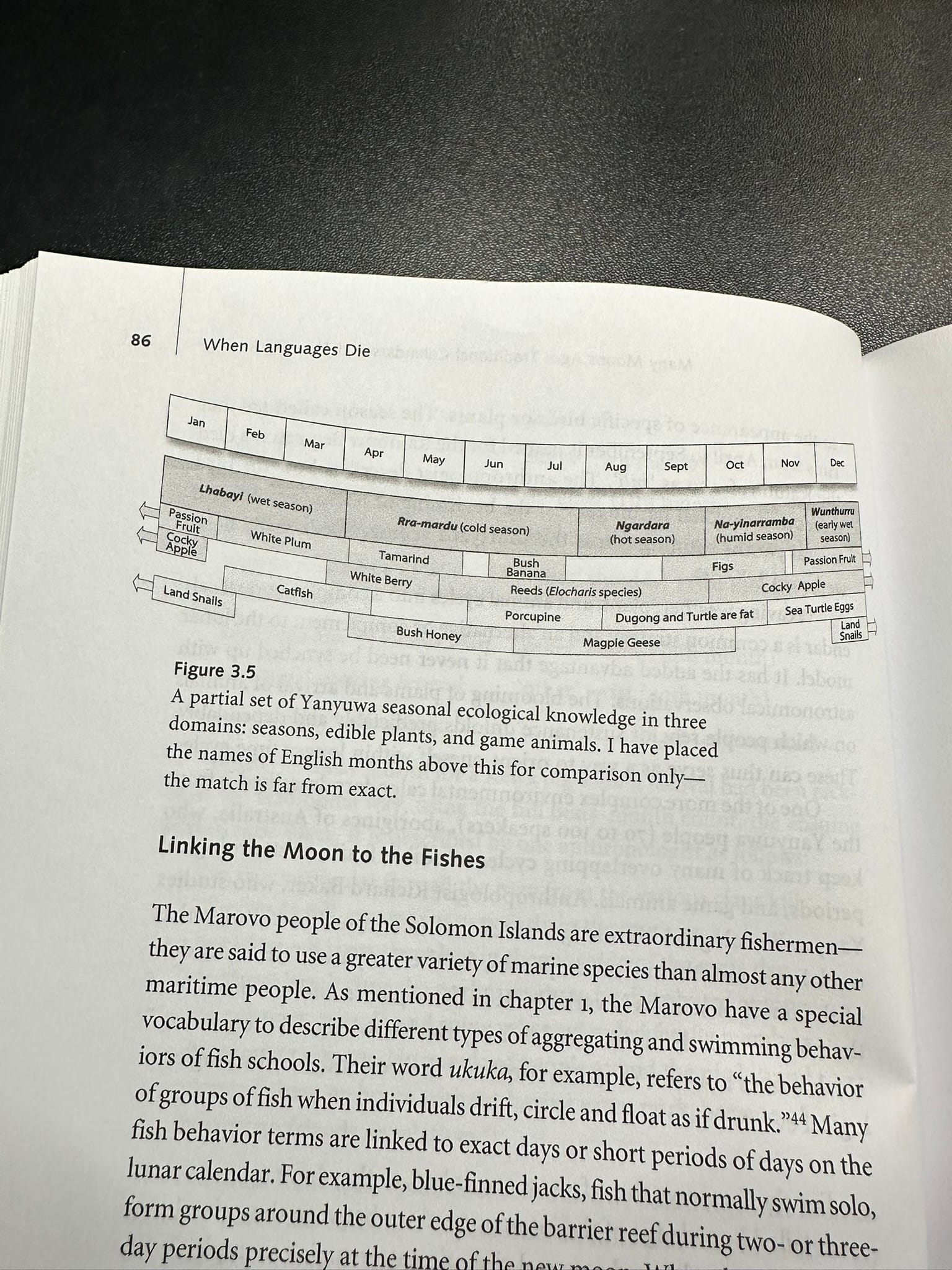
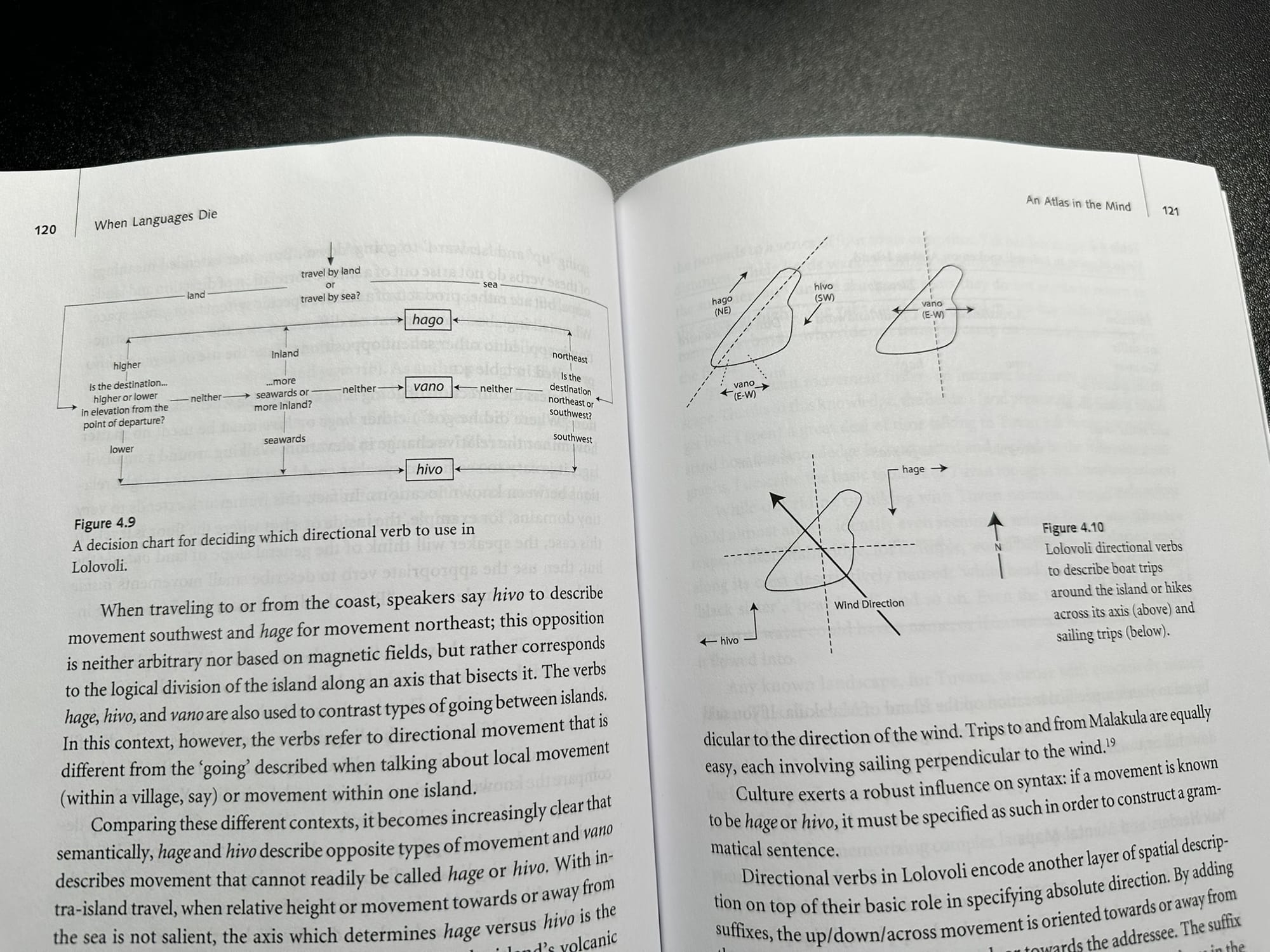
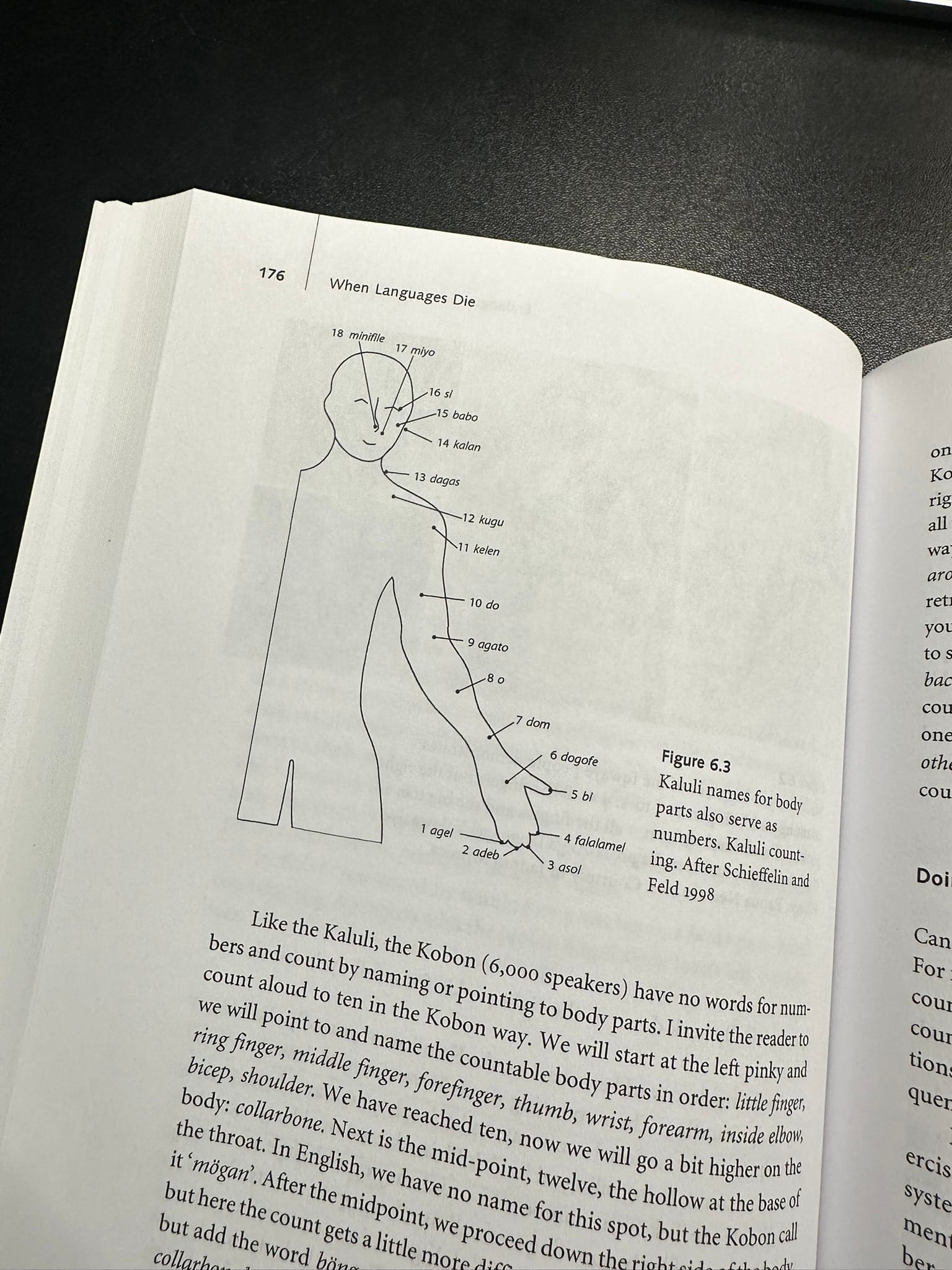
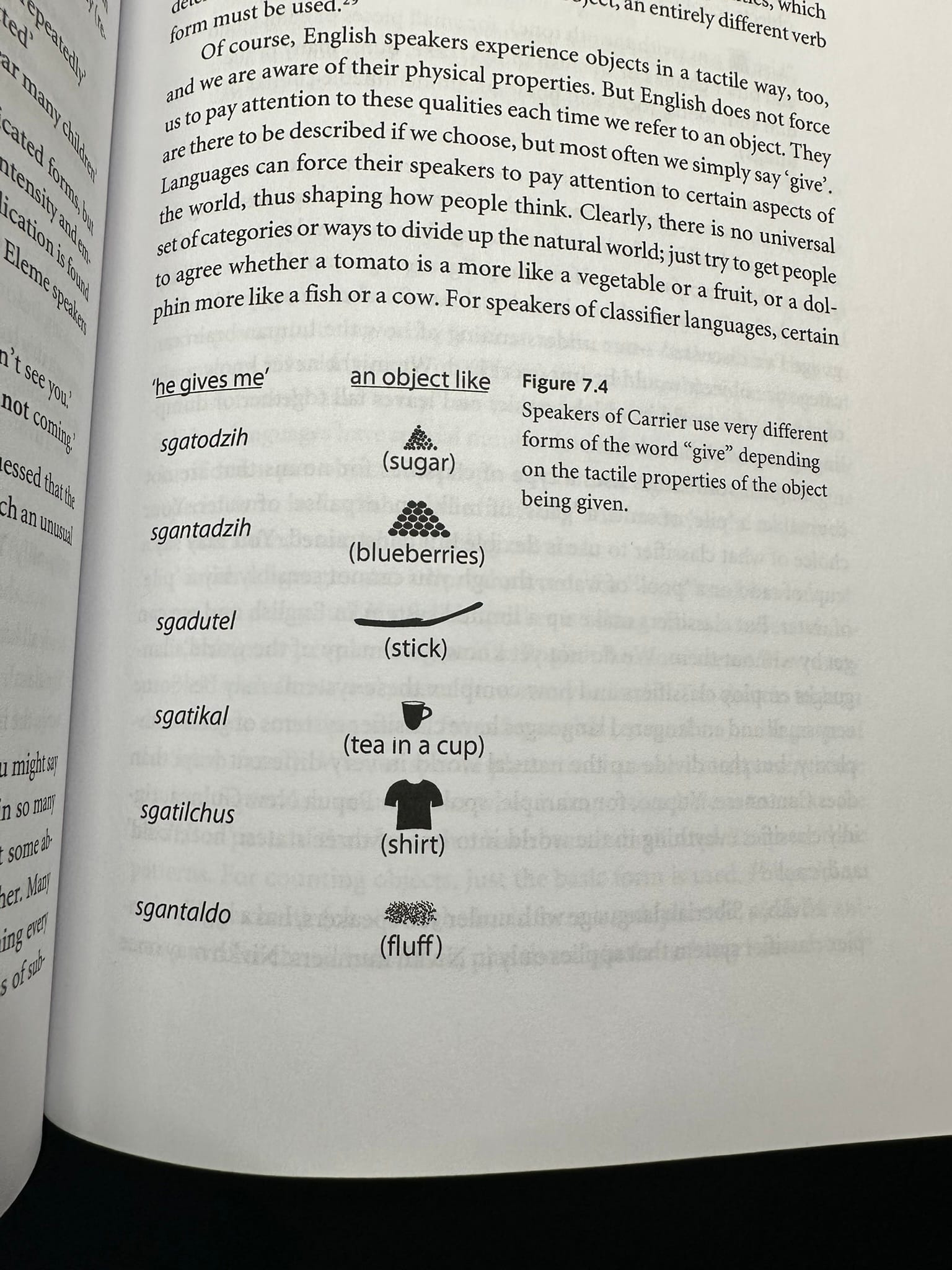
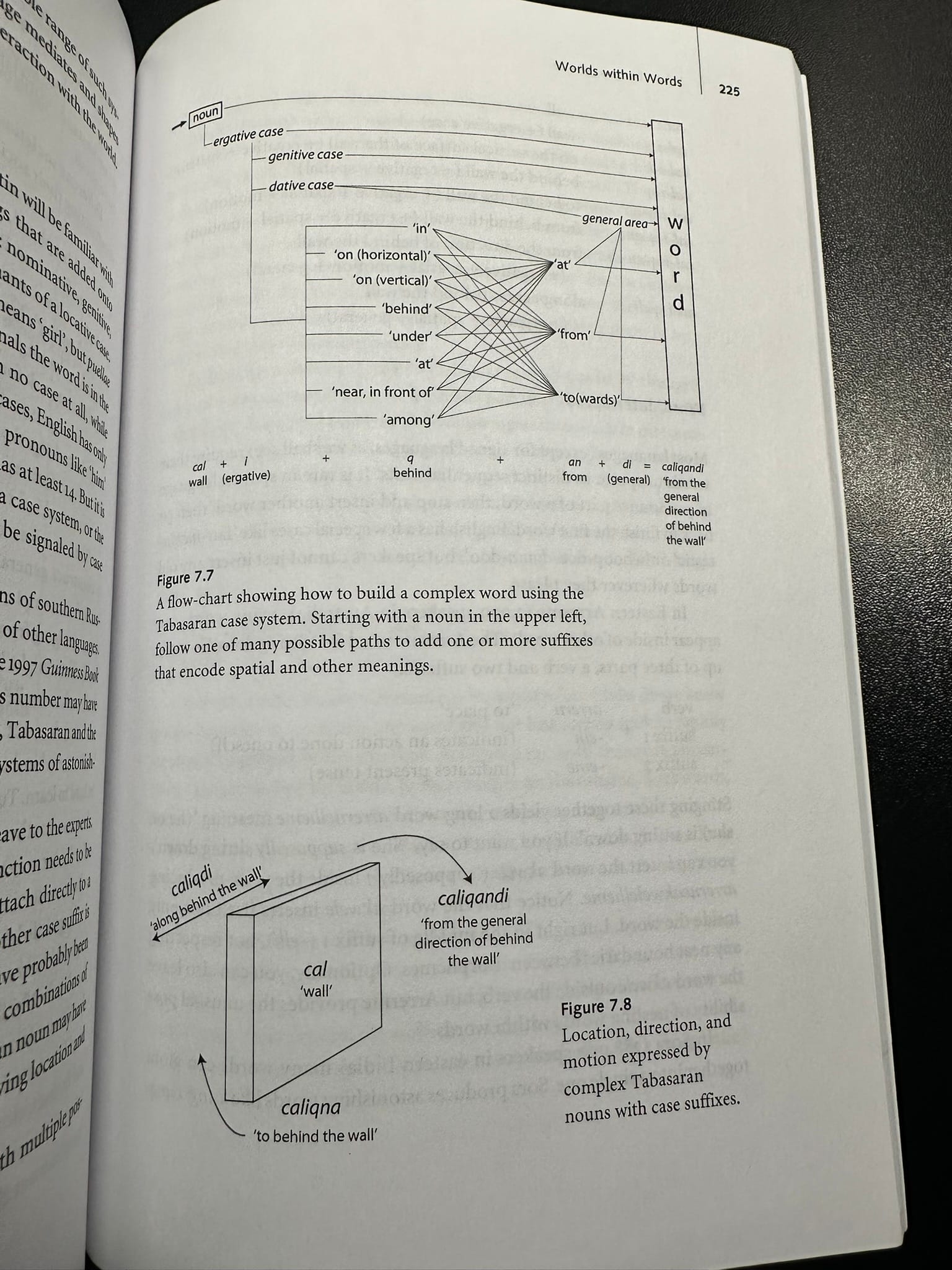
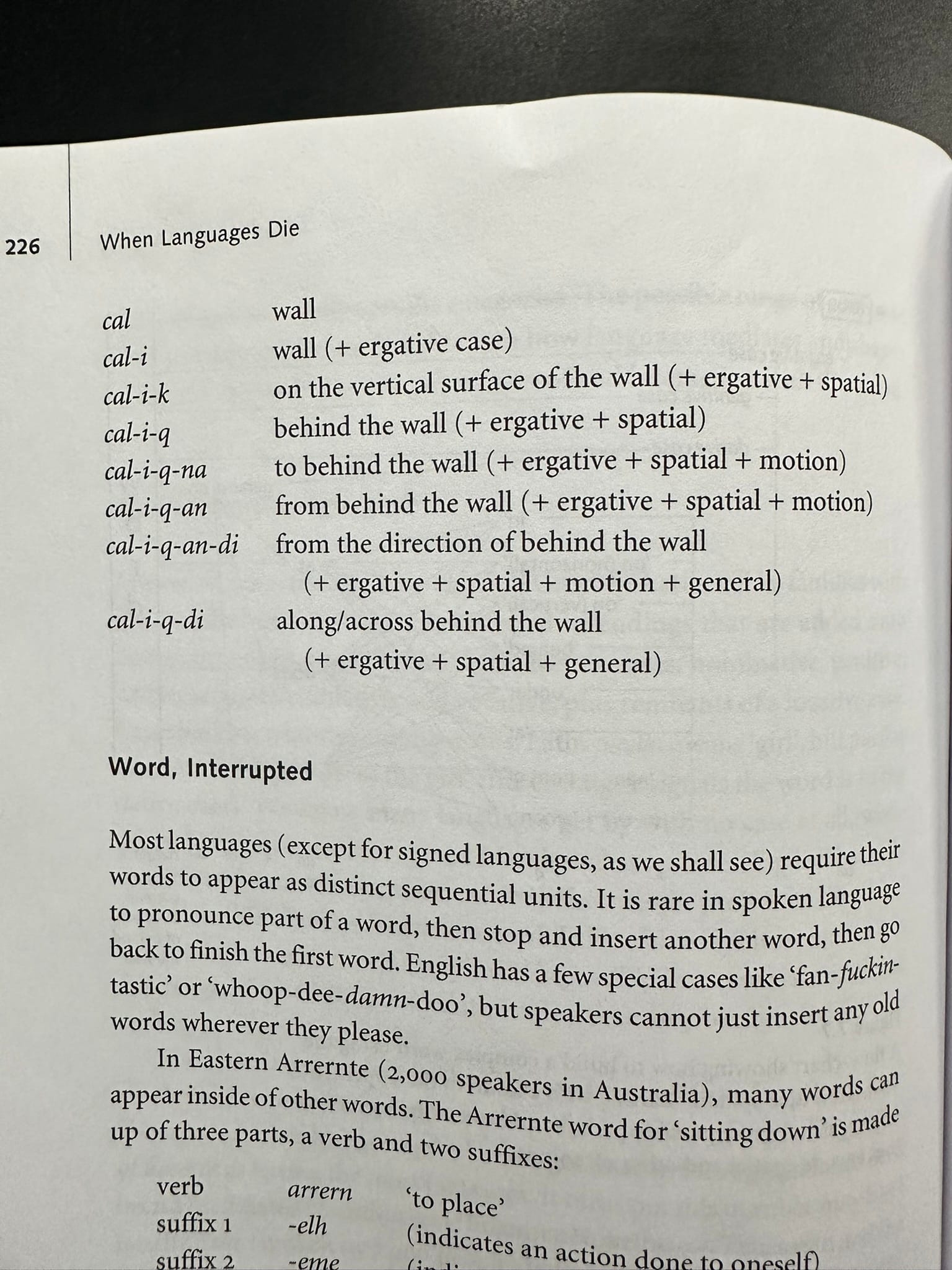
What do we lose when a language stops being spoken? What cultural knowledge tied up in language vanishes forever? When languages die: The extinction of the world’s languages and the erosion of human knowledge (Amazon | Bookshop) sets out to show just what is lost when a language becomes endangered or entirely dormant. It explores indigenous systems of counting, time-telling, indicating directions, categorizing species, and many other kinds of indigenous knowledge embedded in the world’s languages.
This is hands down one of my all-time favorite pop linguistics books—I recommend it every chance I get. Get your own copy here!
👋🏼 Till next week!
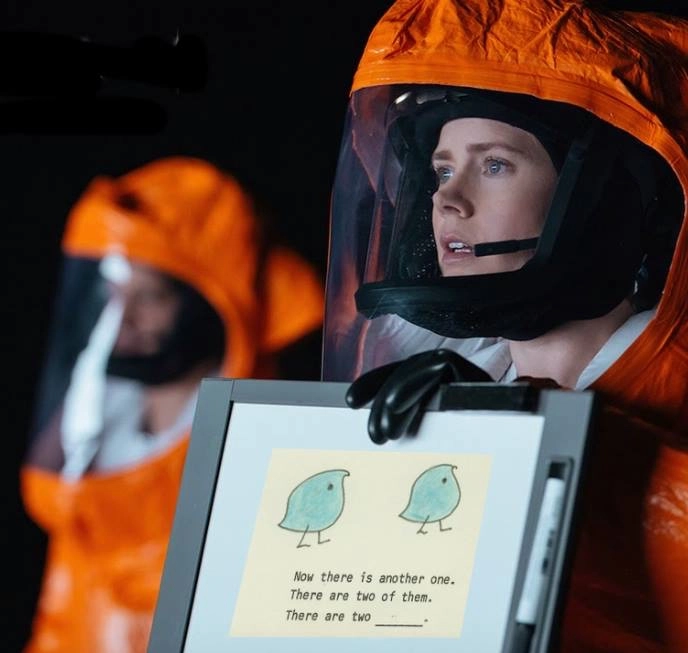
Actual photo of me when the aliens arrive:
If you’d like to support Linguistic Discovery, purchasing through these links is a great way to do so! I greatly appreciate your support!
Check out my Amazon storefront here.
Check out my Bookshop storefront here.