Linguists work to create UK’s first swear map
Also this week: Bumble bees show a surprising knack for rhythm + Sperm whale songs are surprisingly like human language


Welcome to this week’s edition of Discovery Digest, a weekly roundup of the latest language-related news, research in linguistics, interesting reads from the week, and newest books and other media dealing with language and linguistics!
🆕 New from Linguistic Discovery
This week’s content from Linguistic Discovery.
Baby talk in the languages of the world
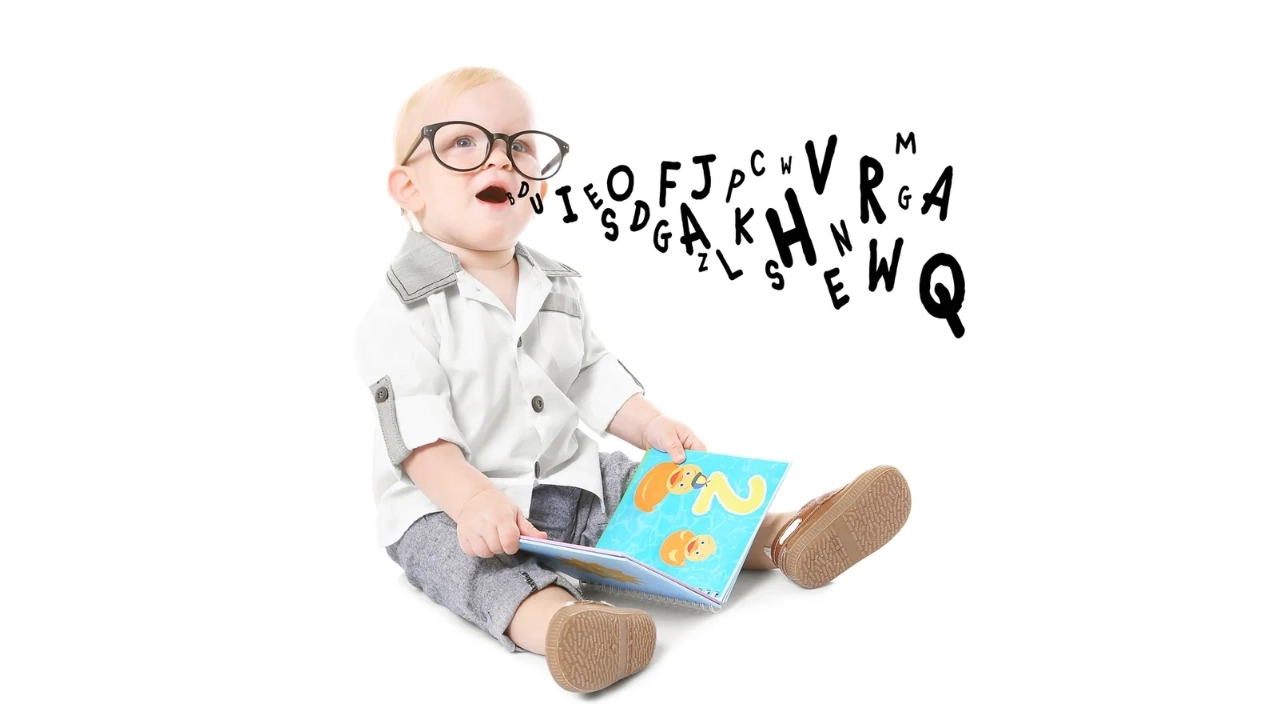
In the last issue of my series on baby talk, we saw that all cultures use it. But that doesn’t mean that all baby talk is the same! In this latest issue in the series, you’ll learn all about the diverse ways that baby talk works in the world’s languages.
 Daniel W. Hieber, Ph.D.
🔢 Articles in this Series
- Part 1: Why you should be talking to your infant
- Part 2: What’s the point of baby talk?
- Part 3: Is baby talk good for your child?
- Part 4: Do all cultures use baby talk?
- Part 5: Baby talk in the languages of the world
- Part 6: How much should you talk to your child? [forthcoming]
- Part 7: What really matters when talking to your child
📰 In the News
Language and linguistics in the news.
The College of William & Mary hosts landmark Indigenous Language Symposium
Happy to see this great event happening at my alma mater:
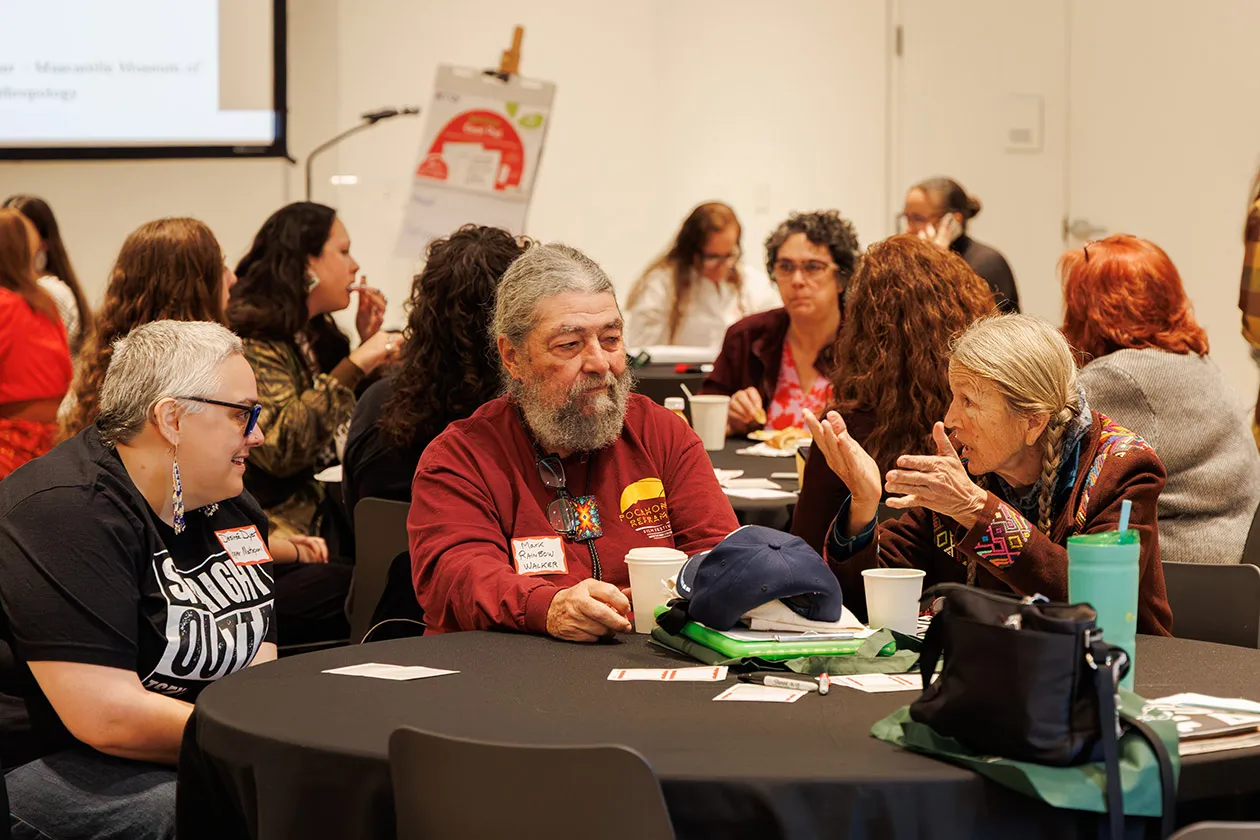
On Feb. 21 — International Mother Language Day — 65 tribal members from across Virginia and the Eastern Seaboard gathered at the Muscarelle Museum of Art for William & Mary’s first Indigenous Language Symposium, hosted by the American Indian Research Center and the Powhatan Algonquian Intertribal Roundtable (PAIR).
The daylong convening was built around a simple question: What role can the university play in supporting Indigenous communities in reclaiming their language?
The answer, two years in the making, brought together tribal leaders, linguists and W&M students and scholars for workshops, teaching demonstrations and difficult conversations — all of it shaped by the tribal communities themselves. The research underlines W&M’s commitment to civic leadership — among the university’s defining institutional priorities — put into practice through faculty research and tribal partnership.
 Danny Devlin, Strategic Cultural Partnerships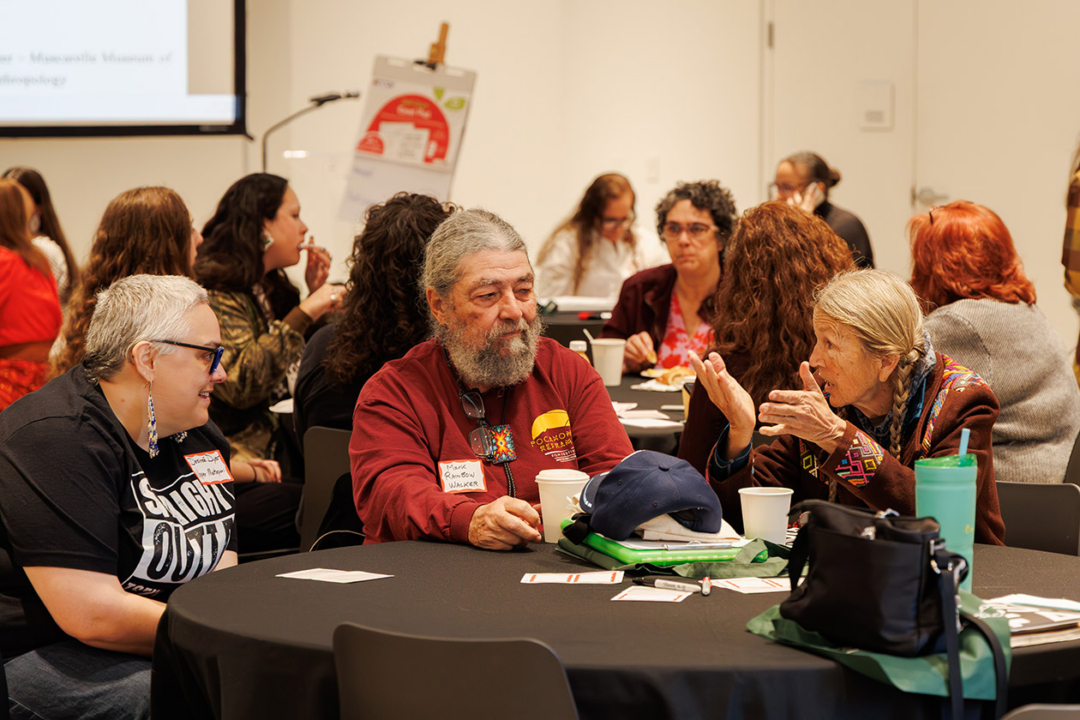
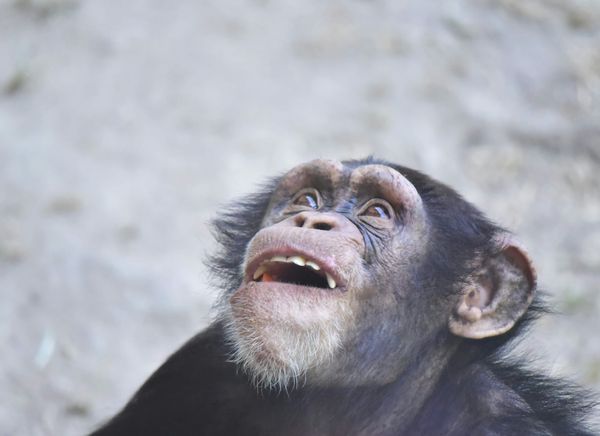
Linguists work to create UK’s first swear map

Linguists at the the University of Sheffield are creating the first-ever collection of regional swear words and are asking the public to contribute swear words and phrases they commonly use in their local areas, so that the linguists can study how people really speak in everyday life across the country.
You can participate and submit your own swear words here!
More reporting here:
🗞️ Current Linguistics
Recently published research in linguistics.
Dating the evolution of language
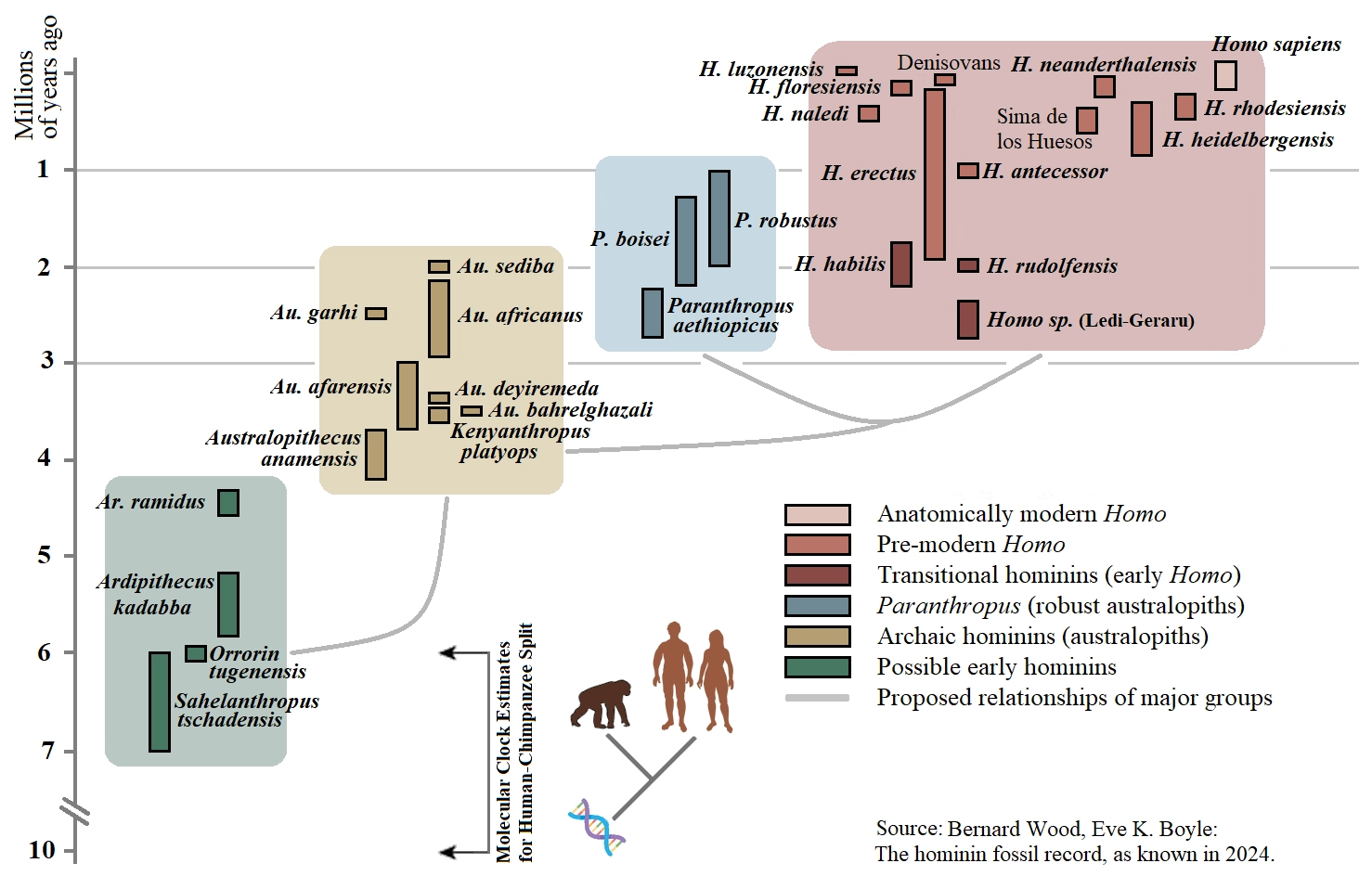
A new analysis of genetic studies proposes that the cognitive capacity for language was already present at least 135,000 years ago, with language likely becoming a social tool around 100,000 years ago.
The team examined genetic evidence to trace the earliest known divergence of human populations, reasoning that all human languages likely share a common origin.
I believe this is actually a flawed assumption. It’s entirely possible (even likely) that humans had the cognitive capacity for language before language actually arose. When it did emerge, language would have then spread as a process of social learning across human populations. A second issue is that evidence increasingly suggests that language evolution was an extremely long, gradual process, with the various prerequisites evolving piecemeal. Attempting to pinpoint a precise point at which it evolved, or even clear boundaries for that evolution, is therefore an abortive endeavor.
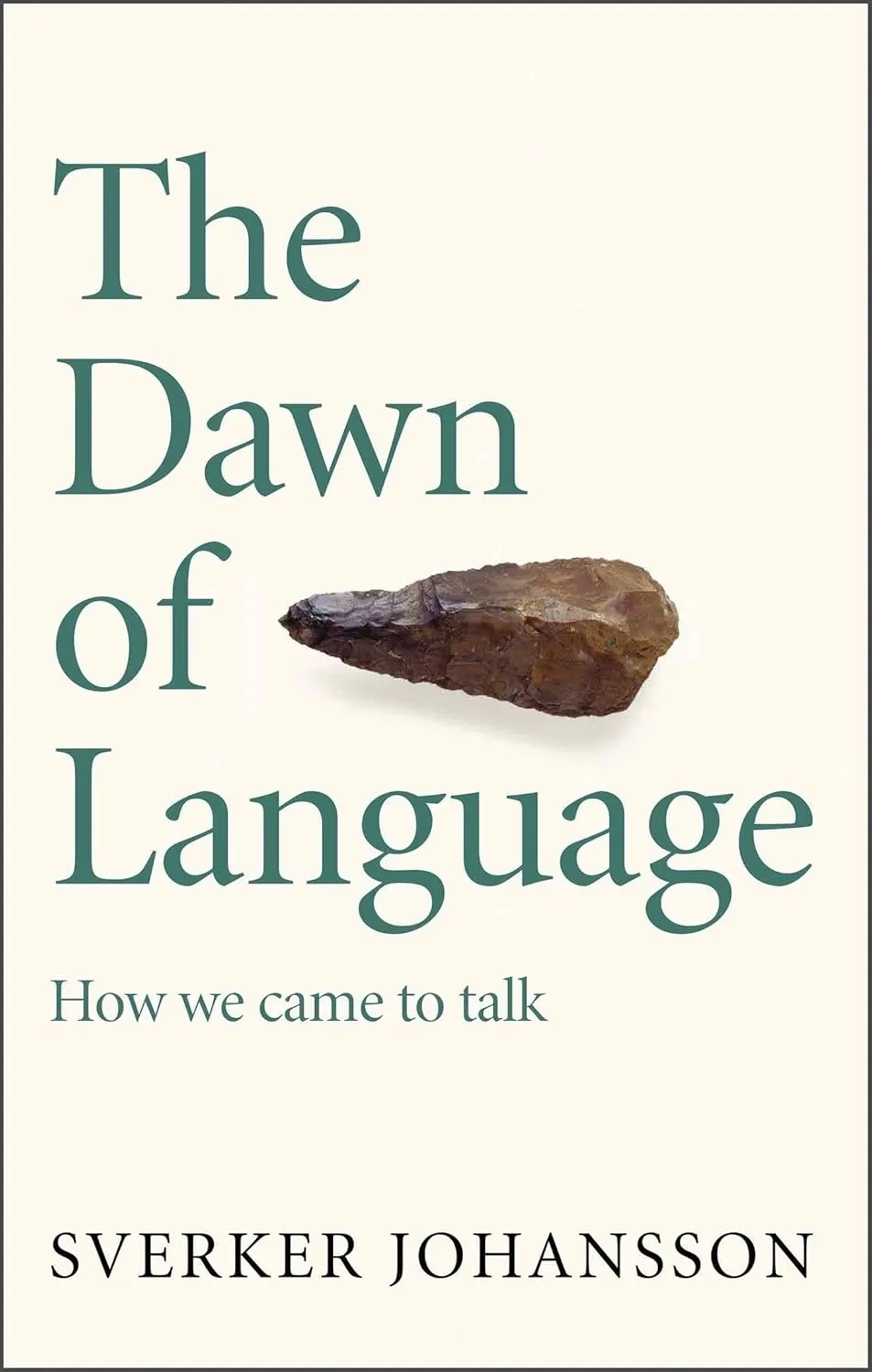
A great book on the topic is The dawn of language by Sverker Johansson (Amazon | Bookshop):
 Eric Ralls
- Miyagawa et al. 2025. Linguistic capacity was present in the Homo sapiens population 135 thousand years ago. Frontiers in Psychology 16. DOI: https://doi.org/10.3389/fpsyg.2025.1503900.
Bumble bees show a surprising knack for rhythm

Flexible rhythm perception, once thought to require a big brain, has been shown in humble bumble bees. The fuzzy insects can not only recognize a rhythm but also identify the same pattern when scientists change the tempo, according to research published on 2 April in Science—the first time this ability has been documented outside of a few mammals and birds.
- Bumble bees show a surprising knack for rhythm (Science)
- Zeng et al. 2026. Flexible, abstract rhythm perception in bumble bees. Science 392(6793): 93–95. DOI: https://doi.org/10.1126/science.adz2894.
📃 This Week’s Reads
Interesting articles I’ve come across this week.
Jennifer Gunner Colin Gorrie
When analyzing the oldest books of the Bible, including Genesis and Exodus, scholars have identified the hands of various writers and editors, from the author who produced the first core version in the 10th to 9th century B.C., to Ezra, the religious reformer who likely compiled a final version in the 5th century B.C.:

Neat article about the spread of writing systems in Africa specifically:
 isaac Samuel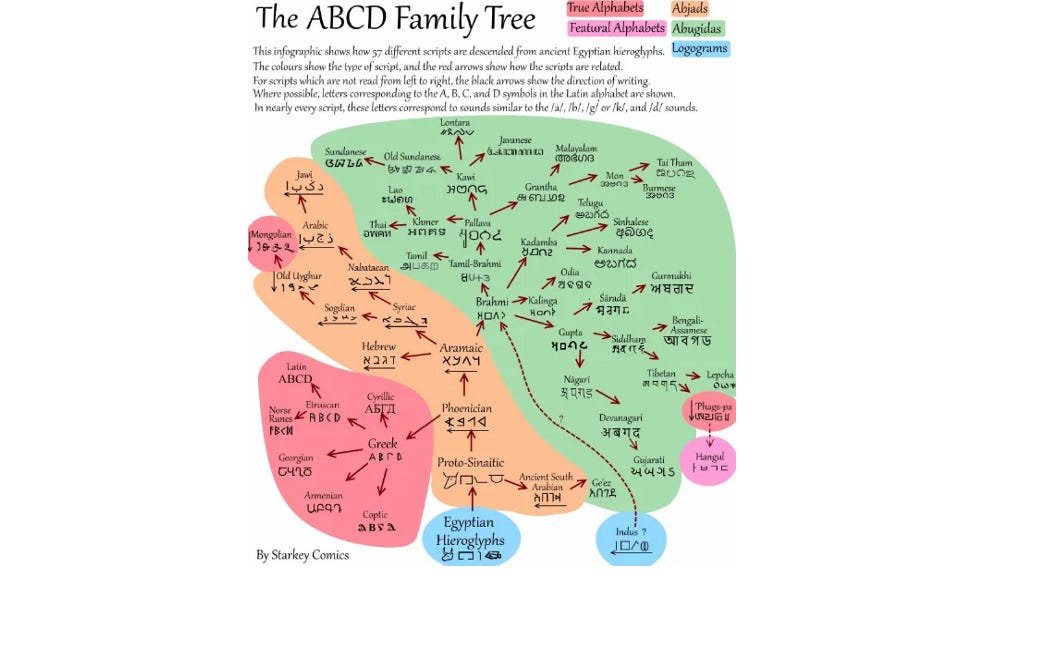
Danny Bate writes about why his favorite historical document is a unique Armenian text without a word of Armenian:
 Danny Bate
📚 Books & Media
New (and old) books and media touching on language and linguistics.
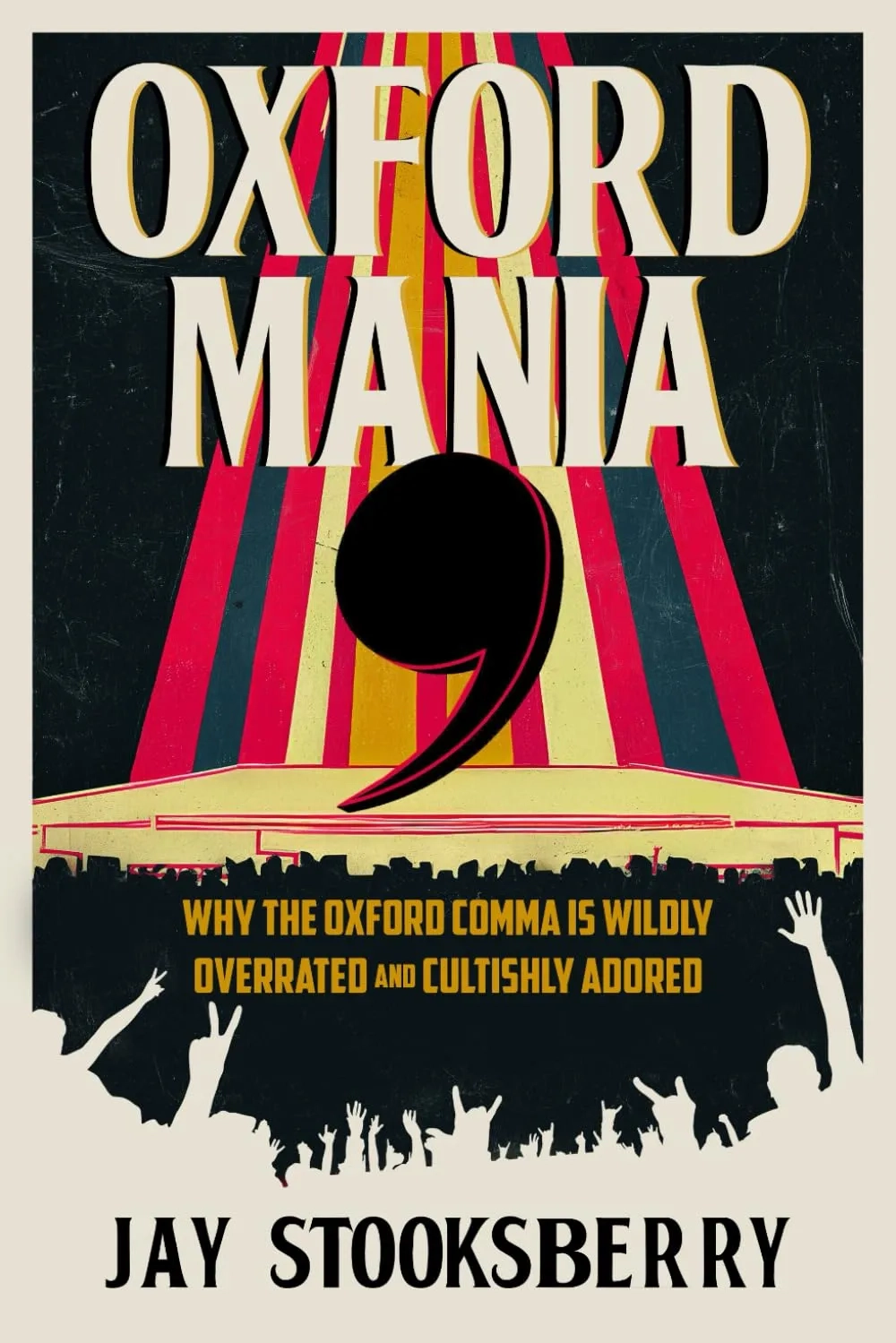
Oxford mania: Why the Oxford comma is cultishly adored and wildly overrated
Style guide nerds will love this one:
Did JFK and Stalin moonlight as exotic dancers?
Was Nelson Mandela an 800-year-old demigod who collected dildos?
Did Ayn Rand and God fall in love and parent a child?
“Yes, yes, and yes,” say the Oxfordnistas, the fussy cult of grammatical zealots who obsess about that comma between the second yes and the conjunction—also known as the Oxford comma.
But they’re wrong.
In fact, there is a lot that most Oxford comma enthusiasts get wrong. They’re wrong about the Associated Press “banning” it. They’re wrong about O’Connor v. Oakhurst Dairy, the 2018 court decision they claim set a legal precedent for the comma. Most importantly, they’re wrong about the comma’s ability to clarify.
But when challenged about their devotion to the comma, they will dogmatically reply, “You can pry my Oxford comma from my cold, dead, and lifeless hands.”
So, how did one little comma attract so much attention and capture the imagination of millions?
Oxford Mania dives into the comma’s rich history and how it became the most famous punctuation mark in the English language. Its meteoric rise to stylistic fame shines light on the litany of bad-faith claims and logical fallacies propagating this overrated punctuation mark—all of which Oxford Mania debunks.
And if Oxfordnistas insist on prying the Oxford comma from their “cold, dead, and lifeless hands,” Oxford Mania accepts that challenge.
- Preorder Here: Amazon
👋🏼 Till next week!
 About
About
If you’d like to support Linguistic Discovery, purchasing through these links is a great way to do so! I greatly appreciate your support!
Check out my Amazon storefront here.
Check out my Bookshop storefront here.