Language genes may be much older than previously thought
Also this week: ConlangCrafter: The AI that invents languages + What linguists think everyone should know about language


Welcome to this week’s edition of the Linguistic Discovery digest, a weekly roundup of the latest language-related news, research in linguistics, interesting reads from the week, and newest books and media on language and linguistics!
🆕 New from Linguistic Discovery
This week’s content from Linguistic Discovery.
🔓 Unlocked: The Ass Camouflage Construction: What this African American English expression teaches us about the world’s languages
This article is now available to all subscribers, free or paid. So if you weren’t able to read it when it came out, have a read now!
African American English (AAE) has a cool expression called the Ass Camouflage Construction:
- They done arrested her stupid ass.
- I’m gonna sue her ass.
- Get your triflin’ ass out of here.
- I saw his ass yesterday.
- His ass is gonna get fried.
It turns out this fun expression can teach us a lot about how the world’s languages work! Learn more in this issue of the newsletter:
 Daniel W. Hieber, Ph.D.
Shortform Video: Pre-Greek
As part of my collaboration with St. John’s College, I created a 3-minute video about the Pre-Greek language that influenced Ancient Greek. So if you want a condensed version of my longer article on the topic, have a watch!
And if you haven’t read (or haven’t finished) the article itself, I definitely recommend doing so! I’m very pleased to report that this is my best-performing article yet, so readers seem to be really enjoying it.
 Daniel W. Hieber, Ph.D.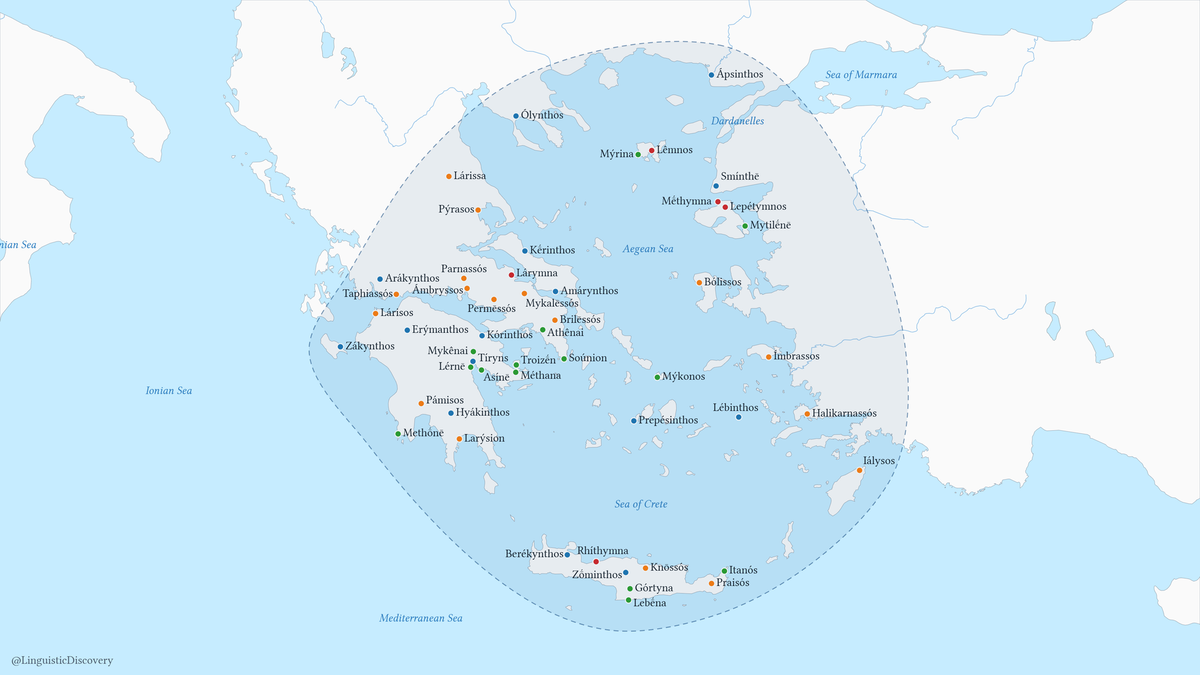
📰 In the News
Language and linguistics in the news.
California’s indigenous communities reclaim their languages

The Breath of Life institute brings California tribal members to California Language Archive at UC Berkeley for a week each summer to train them how to access and read archival materials about their languages.
- Berkeley: California’s indigenous communities reclaim their own language—and pieces of their history (SFGate)
ConlangCrafter: The AI model that invents languages

A new AI model called ConlangCrafter is capable of generating new languages, including ones with unconventional communication systems such as a language for cephalopod species that uses colors and gestures instead of sounds.
- ConlangCrafter turns AI to imagining languages (IEEE Spectrum)
A recent article in Science also looks at whether ConlangCrafter is truly creative—does it produce genuinely novel tongues, or does it simply spit out a remix of existing languages?
The model was published in a research paper:
- Alper et al. 2026. ConlangCrafter: Constructing languages with a multi-hop LLM pipeline. Proceedings of the 64th Annual Meeting of the Association for Computational Linguistics, Vol. 1: Long Papers, pp. 9318–9349. DOI: https://doi.org/10.18653/v1/2026.acl-long.422.
🗞️ Current Linguistics
Recently published research in linguistics.
What linguists think everyone should know about language
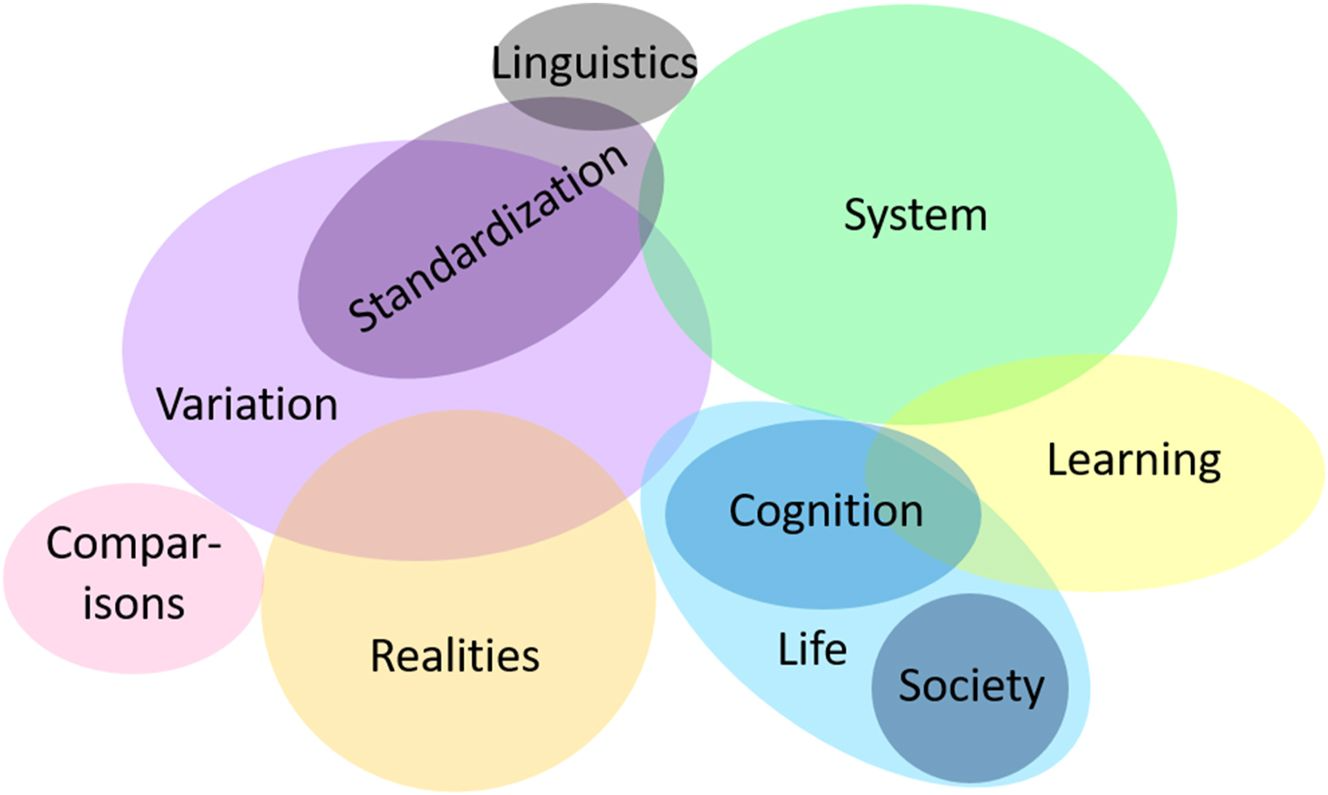
A recent study asked linguists around the world what they thought everyone should know about language. Here’s a write-up of the findings:
 Connect Linguistics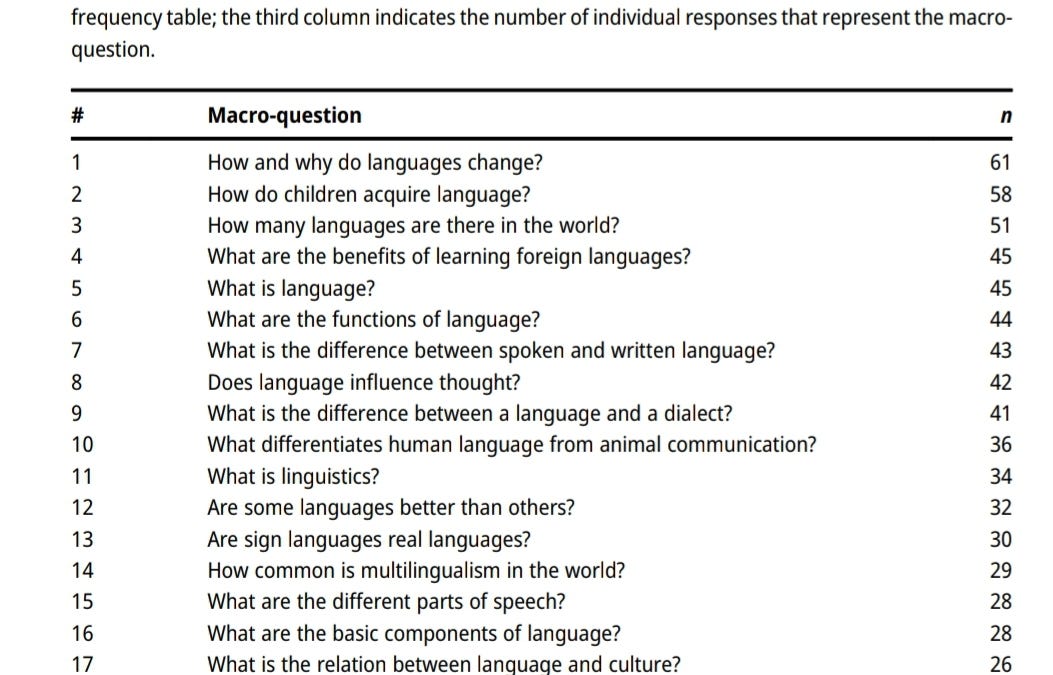
Here are the most common macro-questions among the responses, ordered by frequency:
| # | Macro-question | n |
|---|---|---|
| 1 | How and why do languages change? | 61 |
| 2 | How do children acquire language? | 58 |
| 3 | How many languages are there in the world? | 51 |
| 4 | What are the benefits of learning foreign languages? | 45 |
| 5 | What is language? | 45 |
| 6 | What are the functions of language? | 44 |
| 7 | What is the difference between spoken and written language? | 43 |
| 8 | Does language influence thought? | 42 |
| 9 | What is the difference between a language and a dialect? | 41 |
| 10 | What differentiates human language from animal communication? | 36 |
| 11 | What is linguistics? | 34 |
| 12 | Are some languages better than others? | 32 |
| 13 | Are sign languages real languages? | 30 |
| 14 | How common is multilingualism in the world? | 29 |
| 15 | What are the different parts of speech? | 28 |
| 16 | What are the basic components of language? | 28 |
| 17 | What is the relation between language and culture? | 26 |
| 18 | What other languages are related to your first language(s)? | 26 |
| 19 | What does it mean to know a language? | 23 |
| 20 | What is the difference between learning first and subsequent languages? | 21 |
| 21 | Is language change equal to language decay? | 21 |
| 22 | In what ways do languages differ? | 21 |
| 23 | What features are shared by (almost) all human languages? | 21 |
| 24 | What does it mean to speak “correctly”? | 20 |
| 25 | What is syntax? | 20 |
- Lehecka & Östman. 2025. What linguists think everyone should know about language—on extracting salience from open-ended responses. Folia Linguistica 60(1): 497–530. DOI: https://doi.org/10.1515/flin-2025-2020.
Genes controlling language may be much older than previously thought

A new study links language to genes that predate the divergence of modern humans and Neanderthals, suggesting that Neanderthals too had some form of early communication.
 Jackie Flynn Mogensen
- Casten et al. 2026. Ancient regulatory evolution shapes individual language abilities in present-day humans. Science Advances 12(17). DOI: https://doi.org/10.1126/sciadv.aed5260.
📃 This Week’s Reads
Interesting articles I’ve come across this week.
Inside the creation of Project Hail Mary’s musical alien language:
 Rachel Feltman and Allison Parshall and Fonda Mwangi and Alex Sugiura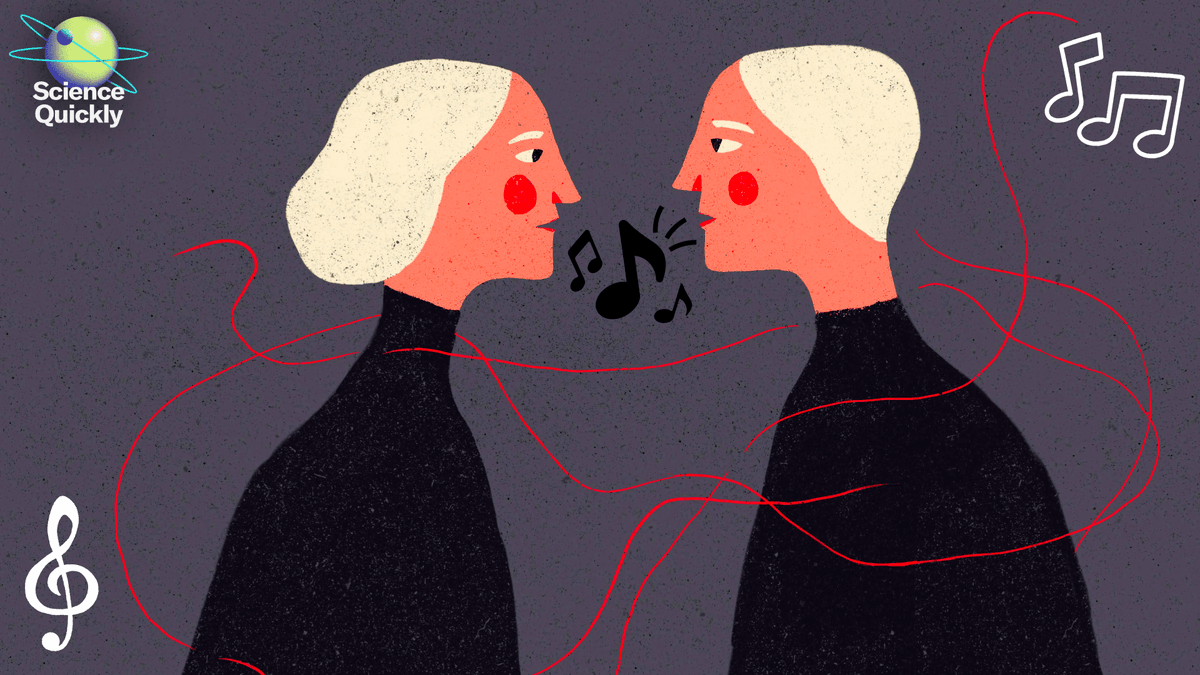
For my own take on the linguistics of Project Hail Mary, take a look at this issue of the newsletter:


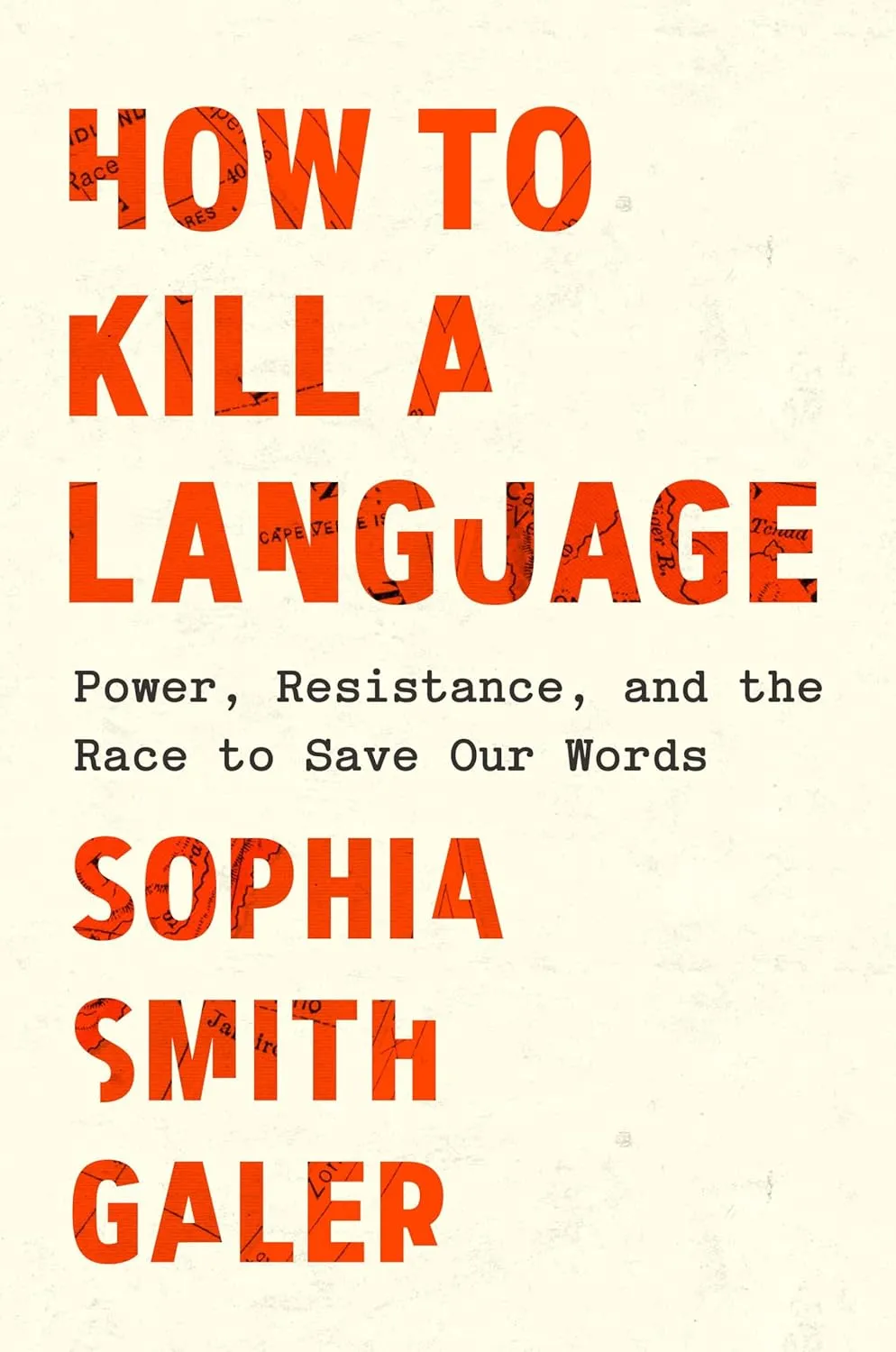
Here’s a review of Sophia Smith Galer’s forthcoming book, How to kill a language: Power, resistance, and the race to save our words (Amazon | Bookshop):
 Sophia Smith Galer
 Karen Stollznow
 Danny Bate
 Michael Ferber
📚 Books & Media
New (and old) books and media touching on language and linguistics.
The Book: A cover-to-cover exploration of the most powerful object of our time
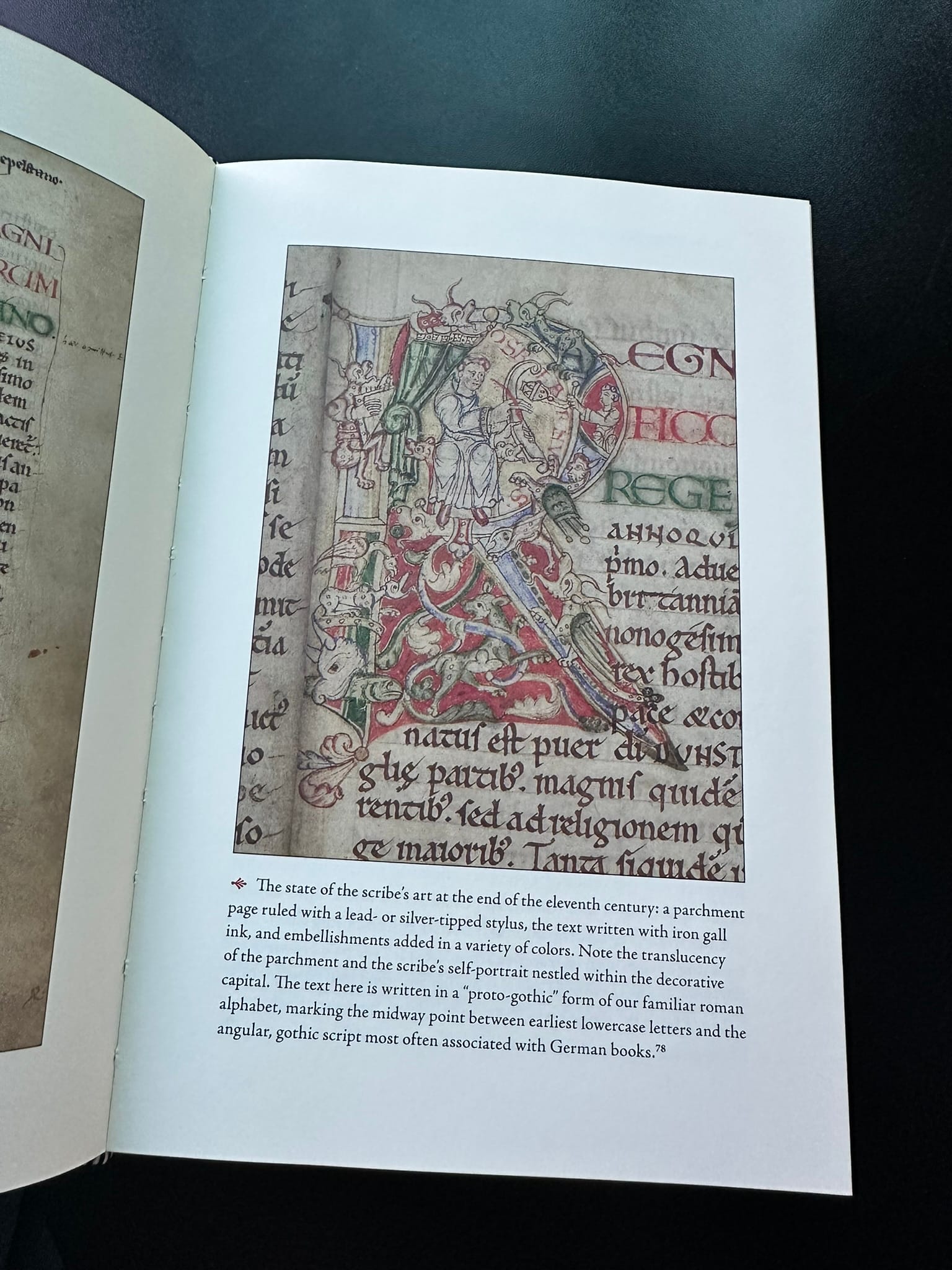
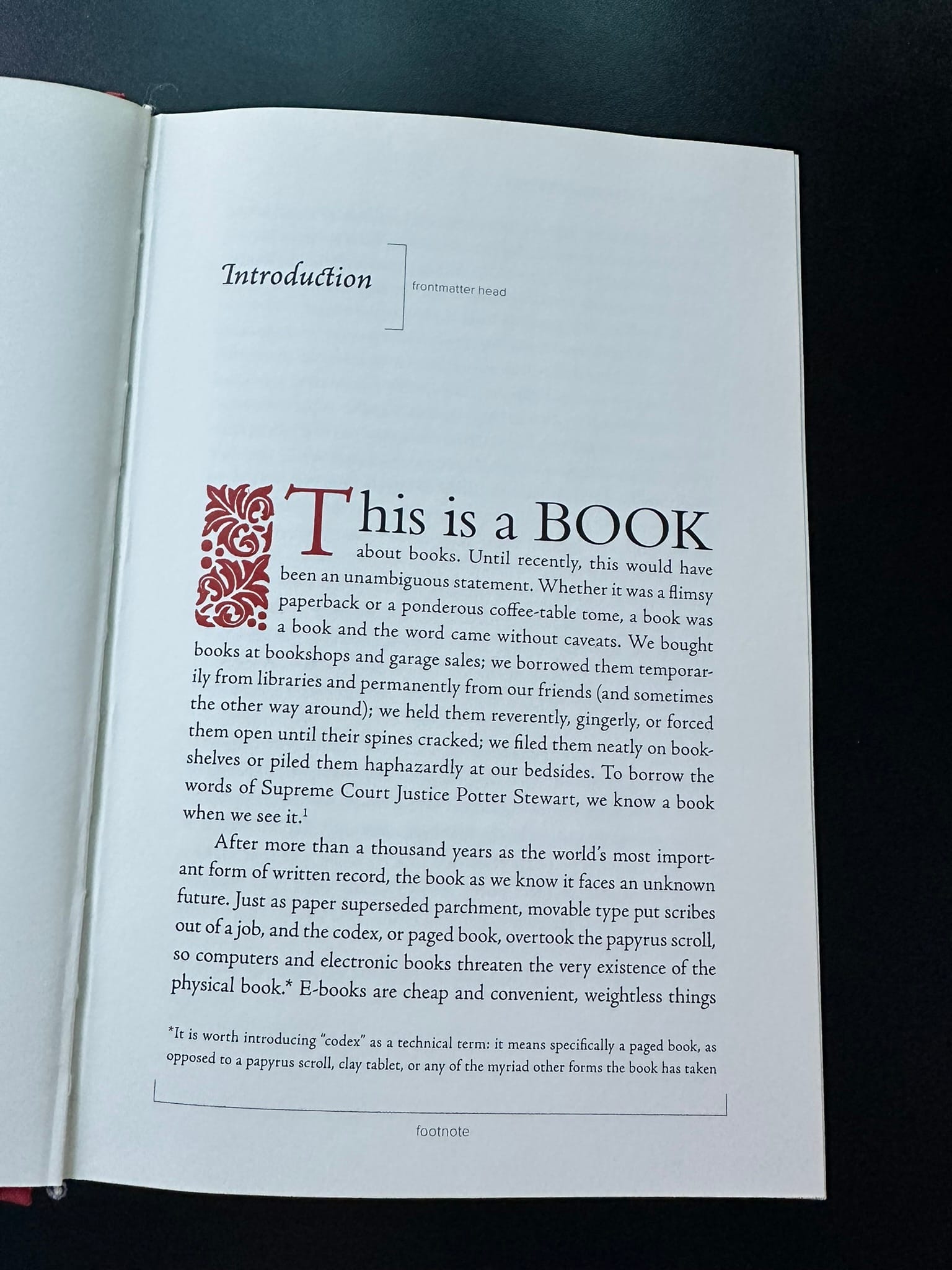
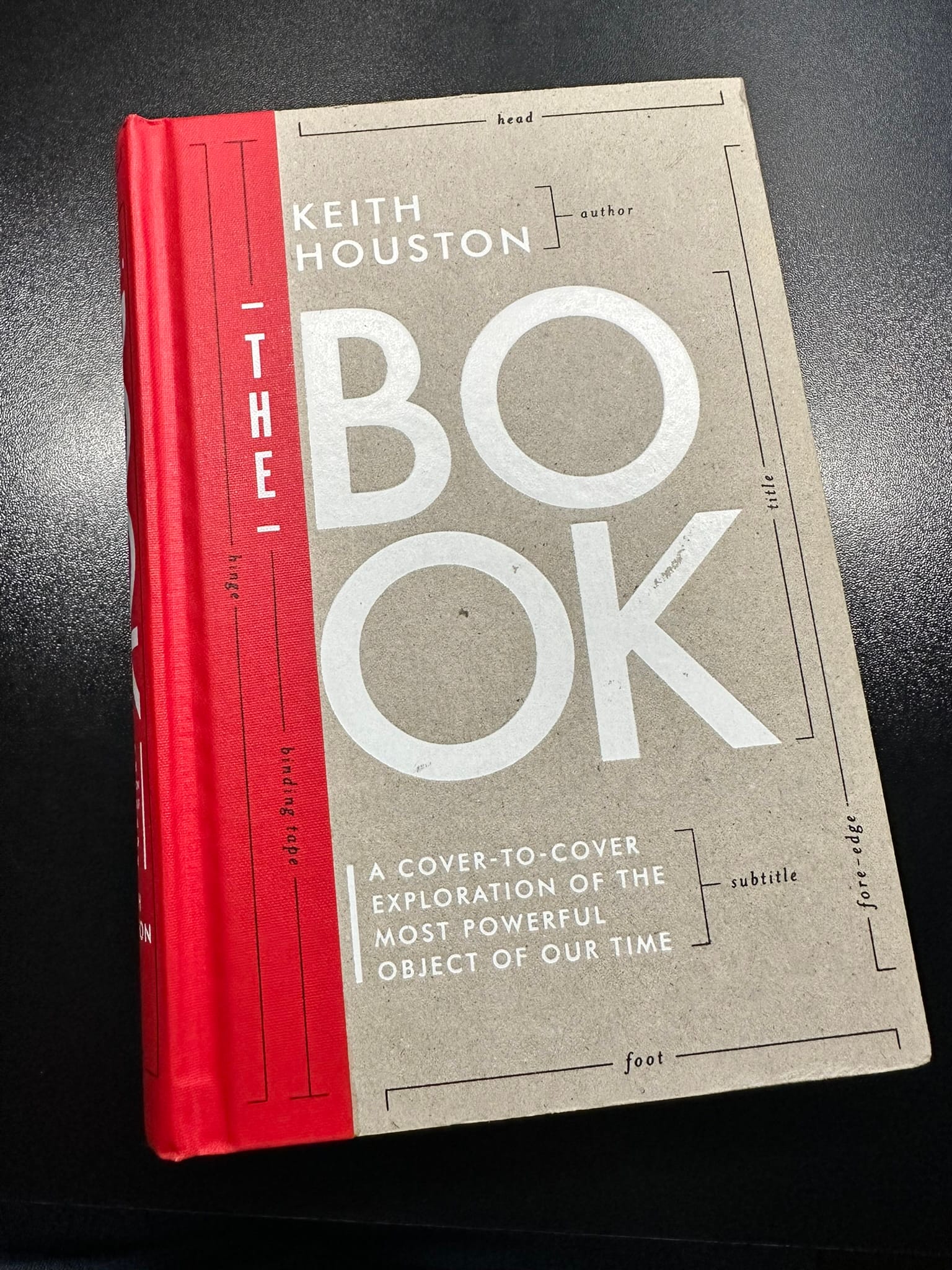
This was such a neat book! It’s a history of not just the book but writing technologies in general, from papyrus to parchment to paper to the printing press and much more. It got me thinking a lot about how the mediums used to write affected the writing systems themselves. I also highly recommend getting the hardcover version pictured here, which is gorgeously bound and illustrated.
Why is a tiger a tiger?
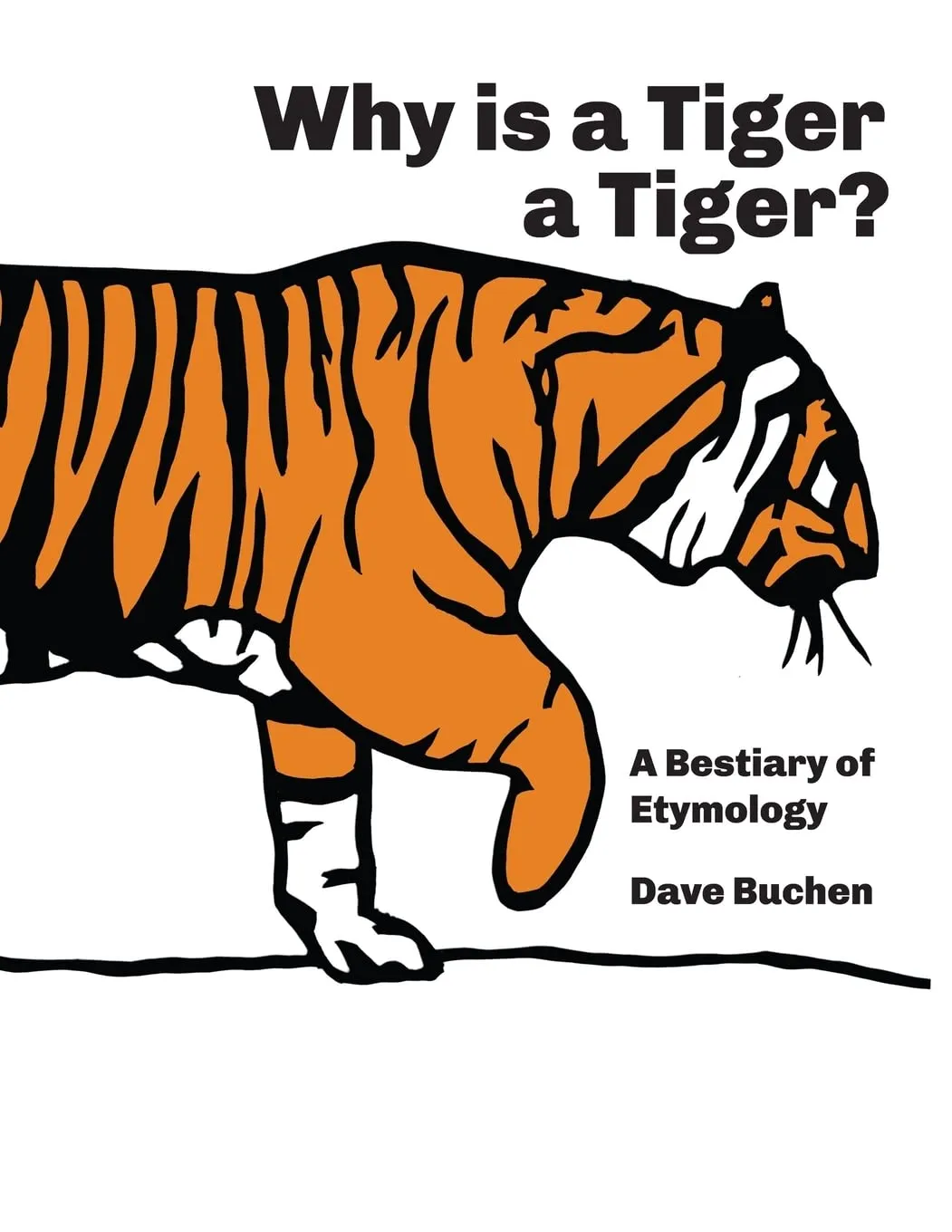
I recently learned about this fun etymology book for kids from Lauren Gawne’s blog Superlinguo. I’ll quote from her post:
There are many books with etymological stories for adults, but why should adults have all the fun? Dave Buchen has been created illustrated books for children with short, accessible etymology stories.
Why is a Tiger a Tiger? is full of animal etymologies with playful black and white illustrations. I counted around eighty pages of illustrations. Buchen is a self-published author, and the print on demand copy I received has the perfect paper to make this a fabulous linguistically-informative colouring book.
Get your own copy here:
👋🏼 Till next week!
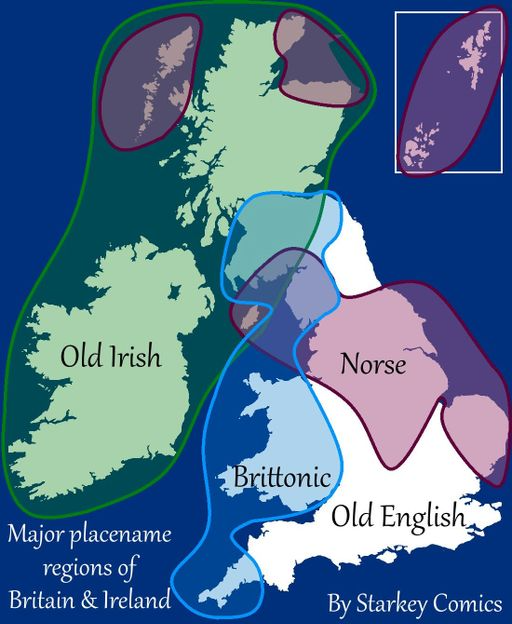
In my article on the Pre-Greek substrate that influenced Ancient Greek, I likened contact between languages to geographical strata, i.e. layers of linguistic history. Ryan Starkey of Starkey Comics illustrates this nicely with a map of toponyms (place names) of Old Irish, Norse, Brittonic, and Old English origins across Britain and Ireland.
Read his full description here:
- Major placename regions of Britain & Ireland (Starkey Comics)
If you’d like to support Linguistic Discovery, purchasing through these links is a great way to do so! I greatly appreciate your support!
Check out my Amazon storefront here.
Check out my Bookshop storefront here.