Wordsmaxxing: Merriam-Webster adds 1,400 new entries to its dictionary
Also this week: How children talk can indicate risk for future mental health problems + Birdsong and whalesong have both been found to follow a fundamental law of human language

Welcome to this week’s edition of the Linguistic Discovery digest, a weekly roundup of the latest language-related news, research in linguistics, interesting reads from the week, and newest books and media on language and linguistics!
📢 Updates & Announcements
Announcements and what’s new with me and Linguistic Discovery.
How I manage my social media content
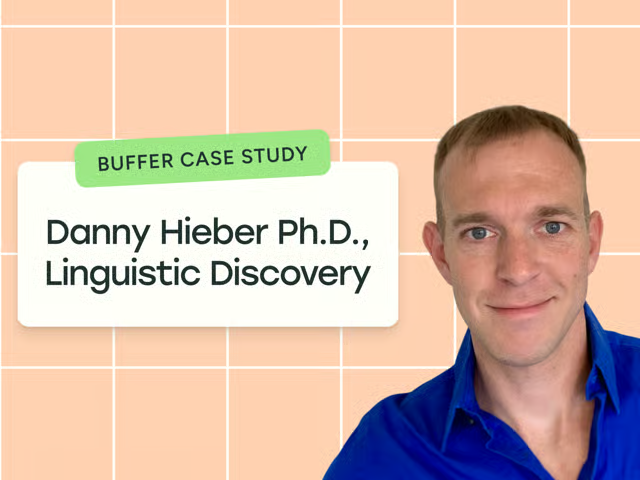
If you’re interested in a behind-the-scenes look at my content creation strategy for social media and how I handle scheduling and posting, the company Buffer recently did a profile about me as part of their launch of scheduling for Substack Notes. Buffer is the scheduling tool I use for all my social media content, so I wasn’t too surprised when Buffer made me aware that I’m actually one of their power users (!) and asked me if I’d like to do an interview.
If you’d like to try Buffer for your own content, here’s my affiliate link.
How Greek got its grammatical gender
Here’s another video I created as part of my collaboration with St. John’s College, about how Greek (and Indo-European languages generally) got its grammatical gender:
📰 In the News
Language and linguistics in the news.
Wordsmaxxing: Merriam-Webster adds 1,400 new entries to its dictionary
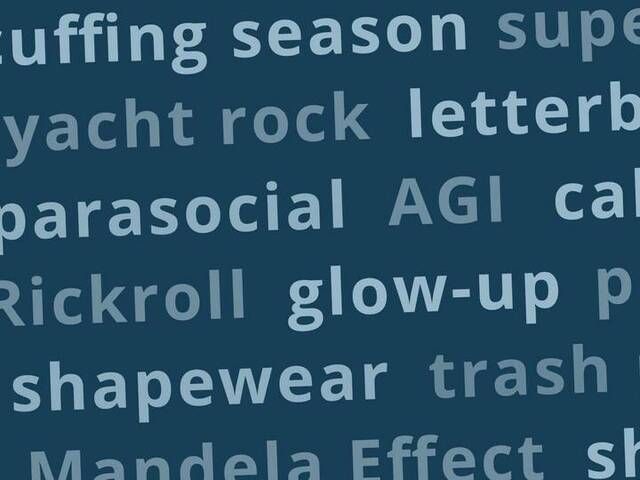
Merriam-Webster just added 1,400 new entries to its dictionary, including cuffing season, Sunday scaries, crashout, Mandela Effect, vibe coding, and parasocial.
 Haley Moreland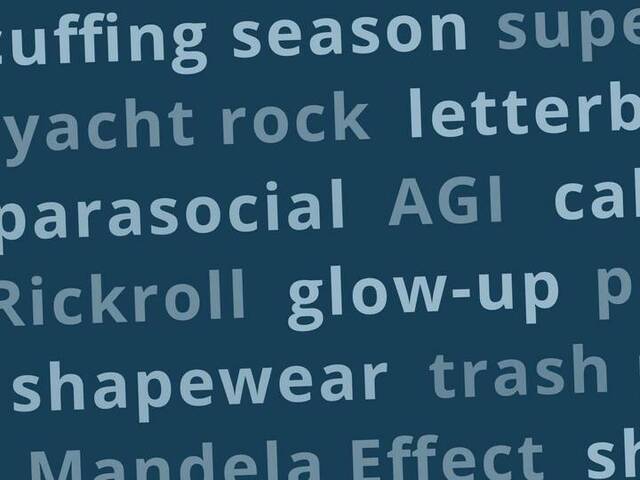
- 1,400 new words and definitions added to Merriam-Webster.com (Merriam-Webster)
Vikings and Scots lock horns over Shetland dialect

Some islanders say their speech is a form of Norse—and are even adding Scandi-style accents to words—but most linguists insist it is solidly Scottish.
- Vikings and Scots lock horns over Shetland dialect (The London Times)
🗞️ Current Linguistics
Recently published research in linguistics.
How children talk can indicate risk for future mental health problems
Linguistic models that analyzed the words children used when talking about stressful events were better at predicting future mental health problems than a panel of human experts.
 Stanford University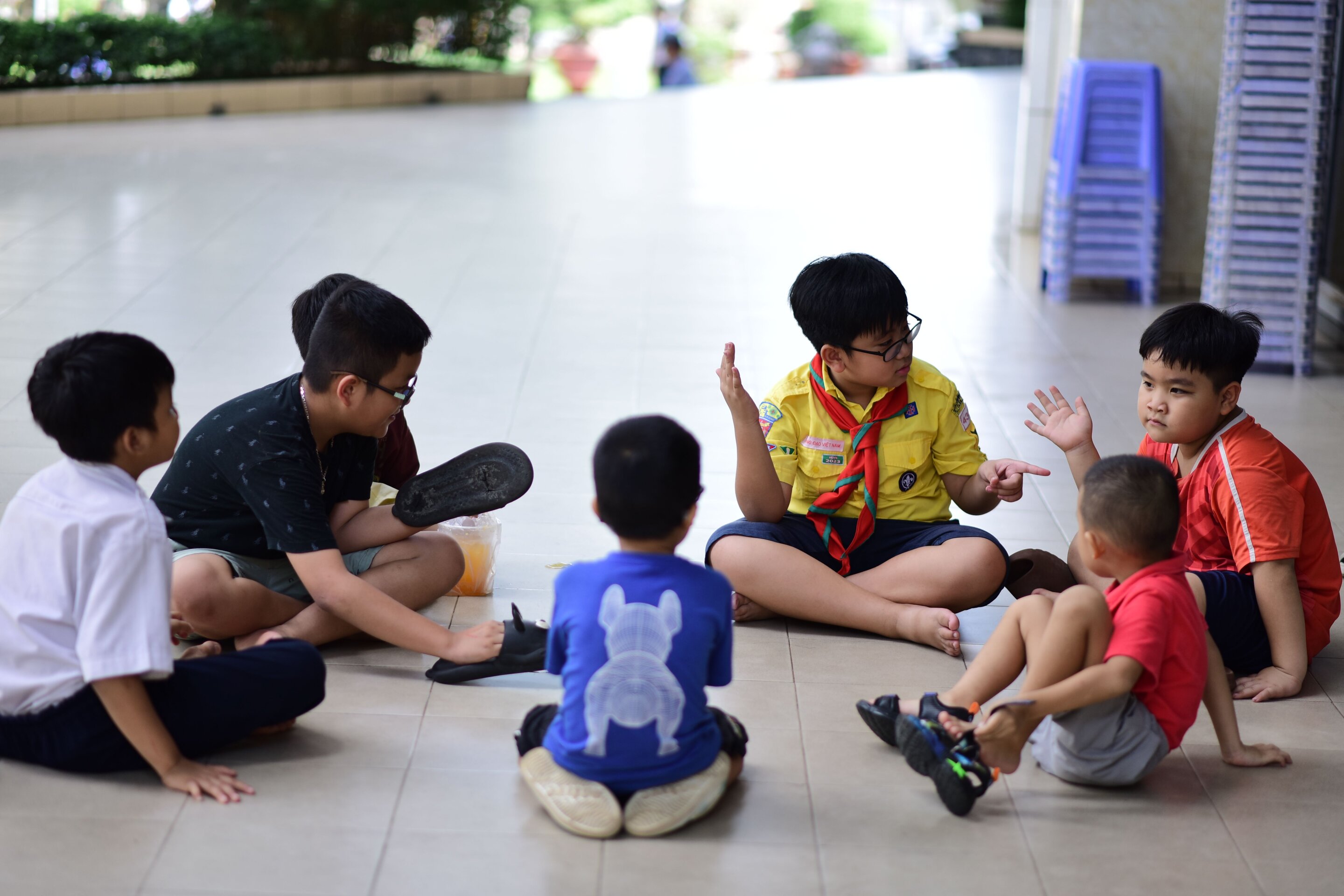
- Antonacci et al. 2026. Natural language processing of youth speech predicts psychopathology across adolescence. Nature Mental Health 4: 1227–1238. DOI: https://doi.org/10.1038/s44220-026-00683-9.
Birdsong and whalesong have both been found to follow a fundamental law of human language
New research on Bengalese Finches shows that their vocalizations follow a fundamental structural principle found in all languages, called Zipf’s Law, which is a statement about the frequency of words in a language—or, in this case, chirps, whistles, and trills. Whalesong has previously also been found to follow Zipf’s Law.
 Cody Cottier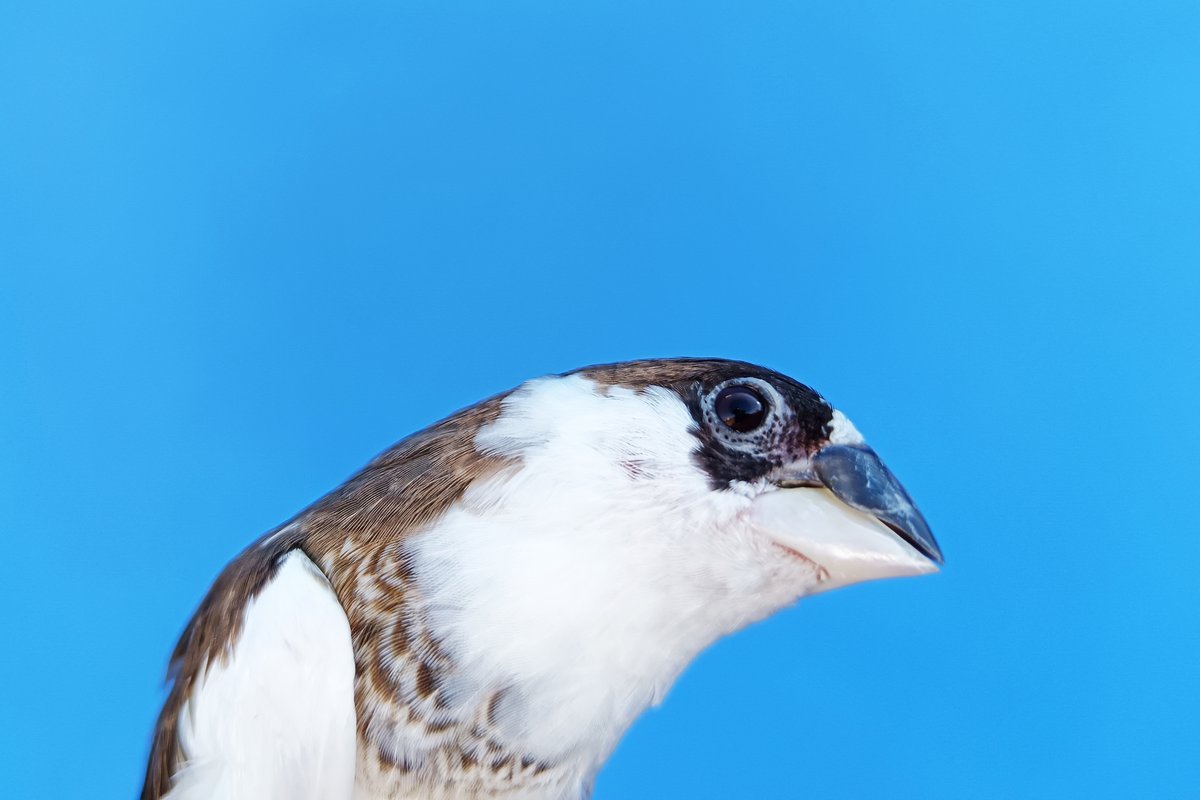
- Kirby et al. 2026. Language-like statistical structure arises in learned signaling: Evidence from birdsong. Science Advances 12(32): eaea3015. DOI: https://doi.org/10.1126/sciadv.aea3015.
📃 This Week’s Reads
Interesting articles I’ve come across this week.
The remarkable journey of the Austronesians to Madagascar is also a linguistic journey of the spread of the Austronesian language family:
 World Politics & History
Colin Gorrie writes about the origin of the prescriptive rule distinguishing the use of will vs. shall:
 Colin Gorrie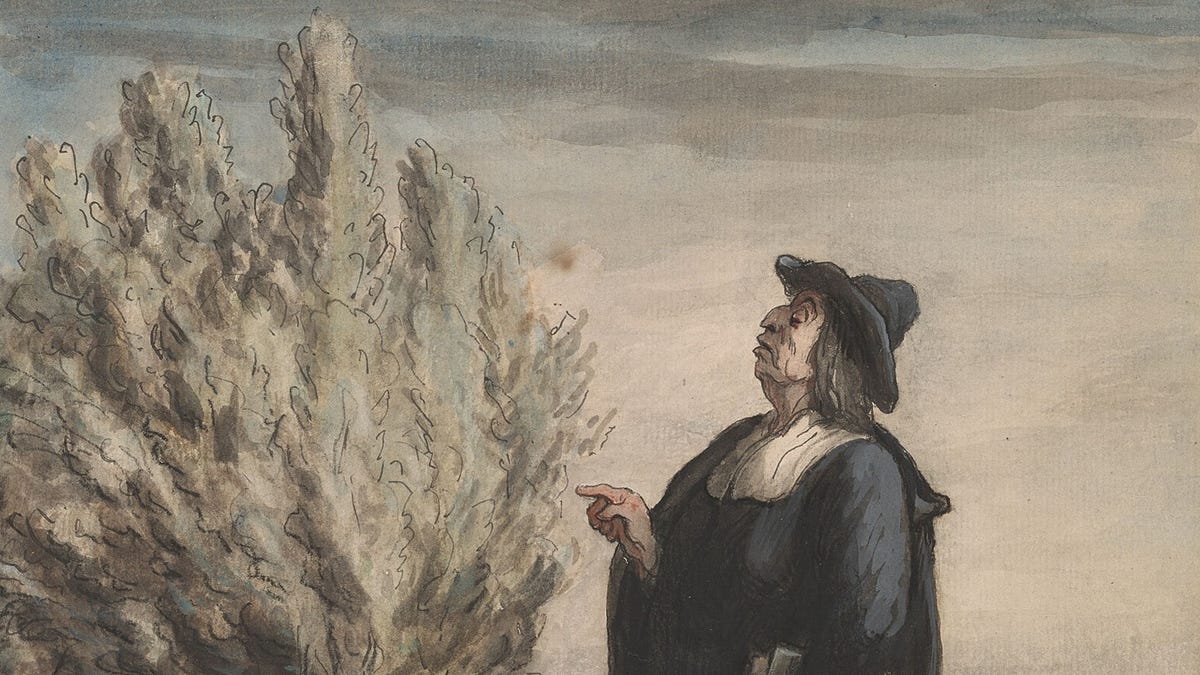
Other reads this week:
 Ad Putter
 Shalailah Medhora
📚 Books & Media
New (and old) books and media touching on language and linguistics.
The dawn of language: How we came to talk
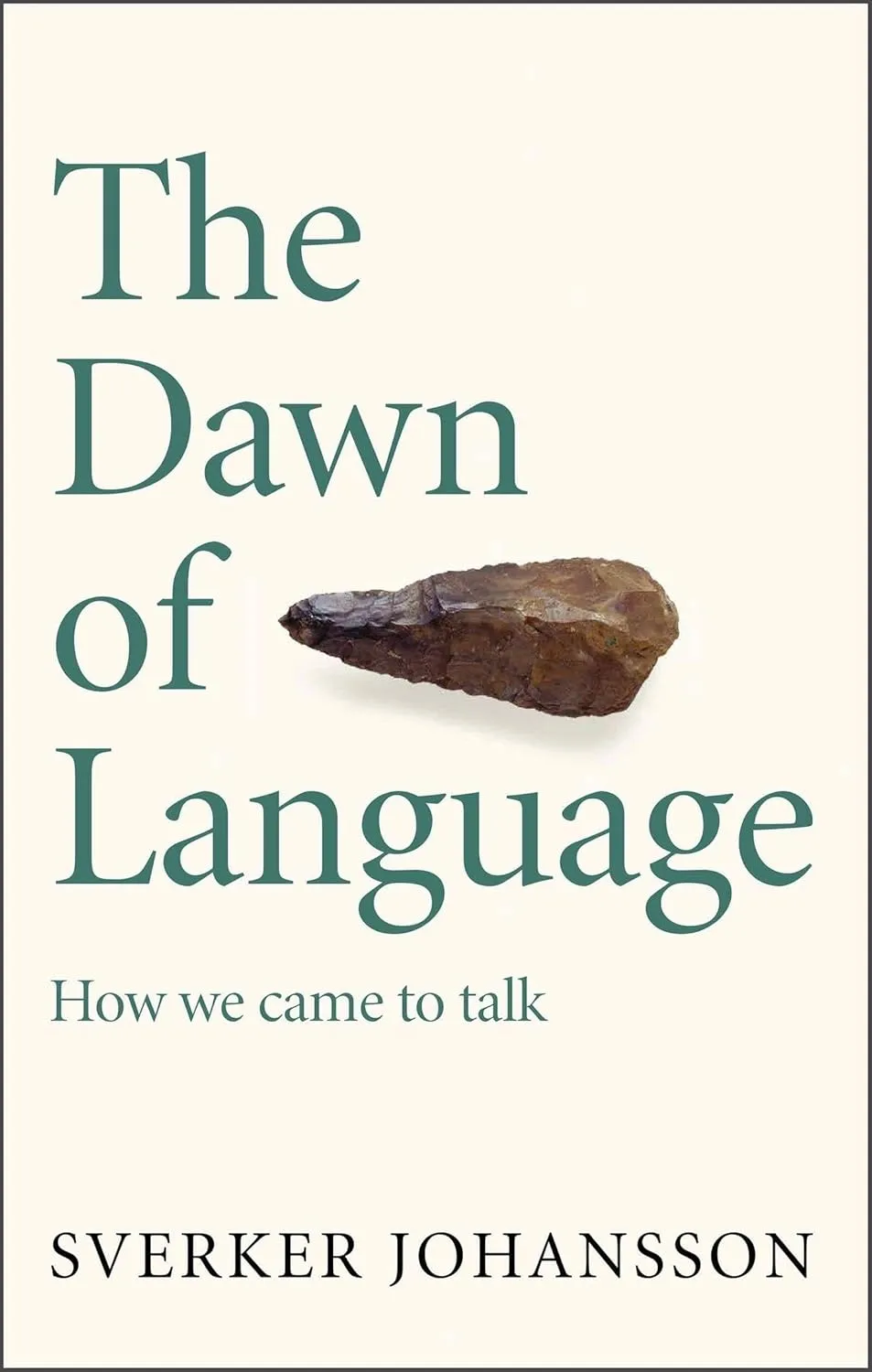
This is my favorite book on the evolution of language! What I love about it is that, while it does discuss both nativist (generativist) and functionalist approaches to language, I think it makes it pretty clear that only the functionalist approach really comports with all the genetic and paleontological evidence we have about the evolution of language.
Endangered languages
What are endangered languages and how do did 58% of the world’s language become endangered?
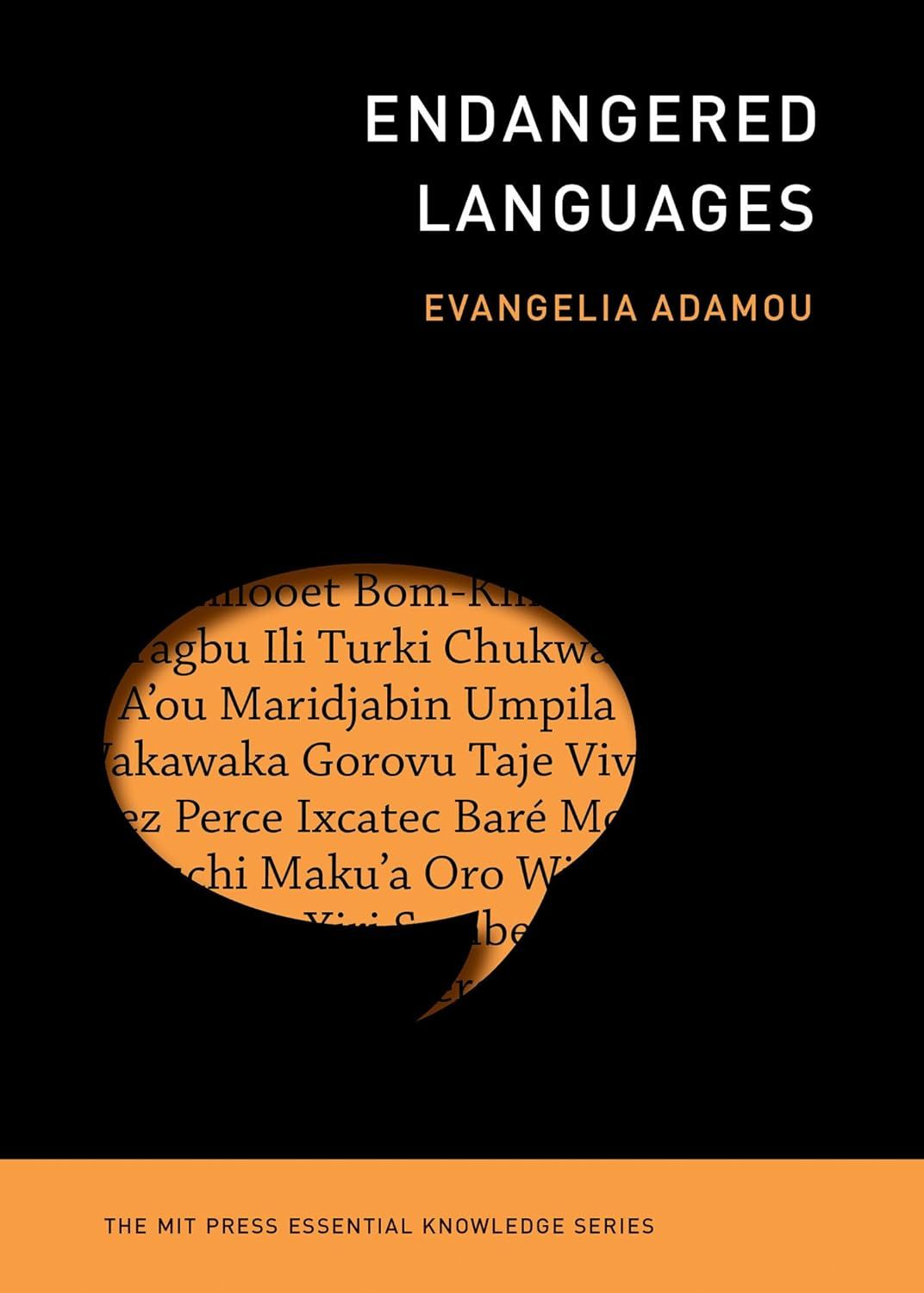
This recent book is an introduction to language endangerment. Here’s the publisher’s blurb:
58% of the world’s languages—or, approximately 4,000 languages—are endangered. When we break this figure down, we realize that roughly ten percent of languages have fewer than ten language keepers. And, if one language stops being used every three months, this means that in the next 100 years, if we do nothing, 400 more languages will become dormant. In Endangered Languages, Evangelia Adamou, a specialist of endangered languages and a learner of her own community language, Nashta, offers a sobering look at language endangerment and what is truly lost when a language disappears from usage.
Combining recent advances from the Western scientific tradition—from the fields of linguistics, psycholinguistics, neurolinguistics, language attrition, population genetics, and natural language processing—and insights from Indigenous epistemology, theory, and ethics, Adamou examines a wealth of issues surrounding endangered languages. She discusses where endangered languages are found, including how they are faring in a digital world, why these languages are no longer used, and how communities can reclaim languages and keep them strong. Adamou also explains the impact of language continuity on community and individual health and well-being, the importance of language transmission in cultural transmission, and why language rights are essentially human rights.
Drawing on varied examples from the Wampanoag Nation to Wales, Endangered Languages offers a powerful reminder of the crucial role every language has in the vitality and well-being of individuals, communities, and our world.
Get your copy here:
👋🏼 Till next week!
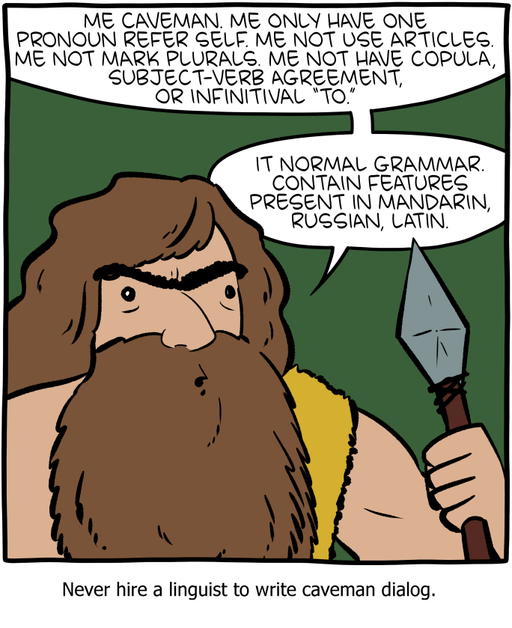
From Saturday Morning Breakfast Cereal:
If you’d like to support Linguistic Discovery, purchasing through these links is a great way to do so! I greatly appreciate your support!
Check out my Amazon storefront here.
Check out my Bookshop storefront here.