Choctaw Nation launches Rosetta Stone language app
Also this week: Do languages become less complex with more new adult speakers? + Is it okay to let a language die?

Welcome to this week’s edition of the Linguistic Discovery digest, a weekly roundup of the latest language-related news, research in linguistics, interesting reads from the week, and newest books and media on language and linguistics!
📢 Updates & Announcements
Announcements and what’s new with me and Linguistic Discovery.
Butter No Parsnips
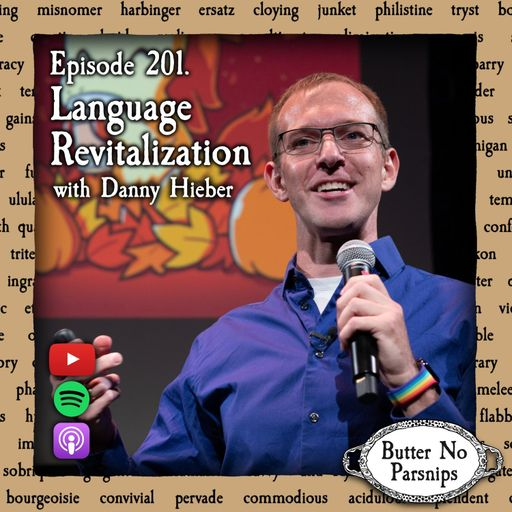
I recently went on the Butter No Parsnips podcast to talk about Chitimacha language revitalization! But our conversation took us to faraway topics like historical linguistics, typology, and etymology too! I had a ton of fun talking with hosts Emily Moyers and Kyle Imperatore, so I think you’ll enjoy it too. Have a listen at the links:
 Seth Gliksman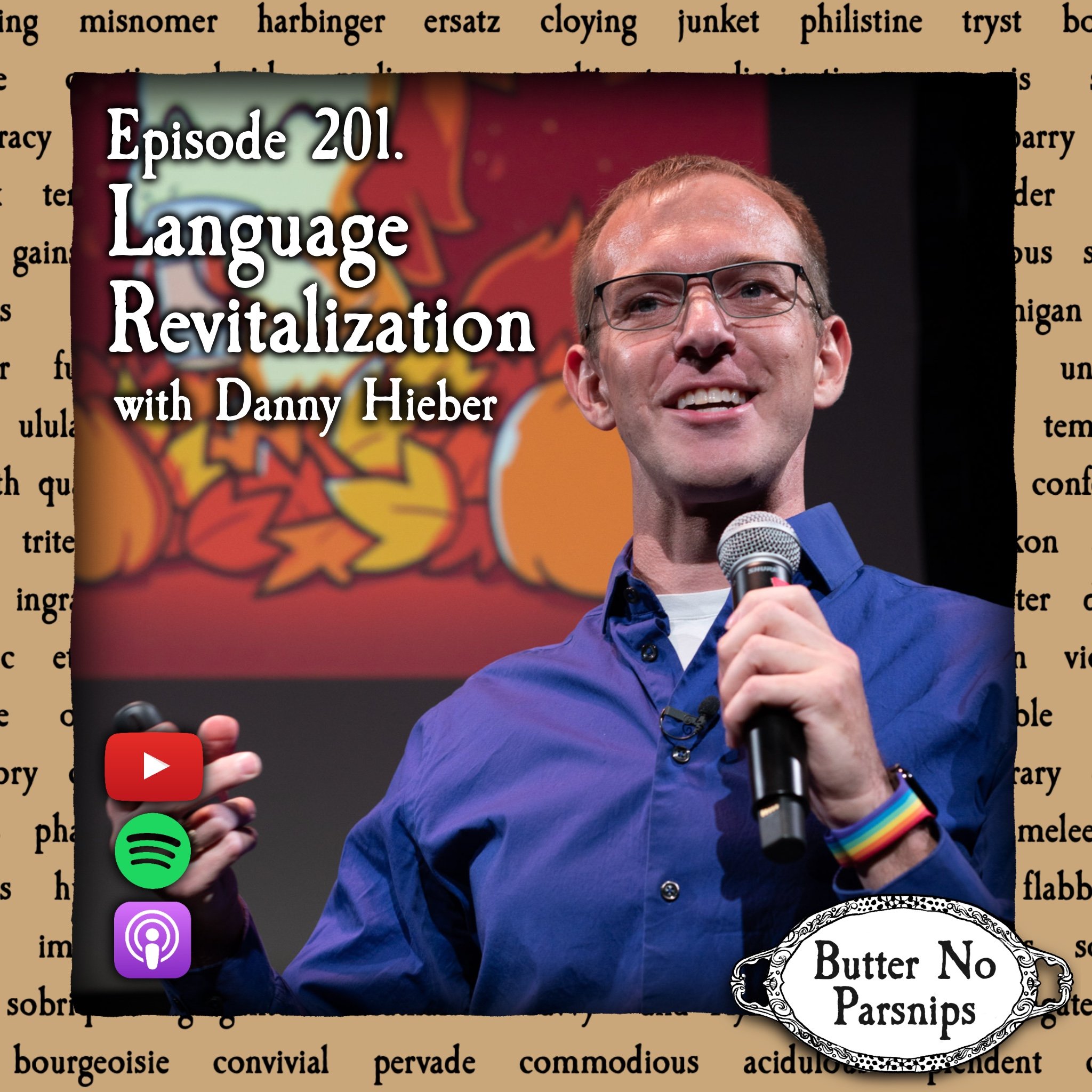
🆕 New from Linguistic Discovery
This week’s content from Linguistic Discovery.
How much should you talk to your toddler?
In 1995 an infamous study claimed that young children in higher socioeconomic status homes hear up to 30 million more words by age 4 than those in lower socioeconomic status households.
Does this mean that the more you speak to your child, the better they eventually become at language? Should you be speaking to your child as much as humanly possible? Are children who receive less language input linguistically disadvantaged compared to children of more loquacious parents? In this installment of my series on the science of baby talk, we’ll look at what the research says about how much you should be talking to your child, and discuss the infamous 30-million-word gap and whether it’s something you need to worry about.
 Daniel W. Hieber, Ph.D.
You can also read all of the previous issues in this series at the links below:
- Part 1: Why you should be talking to your infant
- Part 2: What’s the point of baby talk?
- Part 3: Is baby talk good for your child?
- Part 4: Do all cultures use baby talk?
- Part 5: Baby talk in the languages of the world
- Part 6: How much should you talk to your toddler?
🔓 Unlocked: Do these Stone Age symbols push back the origins of writing by tens of thousands of years?
This article is now available to all subscribers, free or paid. So if you weren’t able to read it when it came out, have a read now!
Do these Stone Age symbols push back the origins of writing by tens of thousands of years?
Nope. The real finding is even cooler.
 Daniel W. Hieber, Ph.D.
📰 In the News
Language and linguistics in the news.
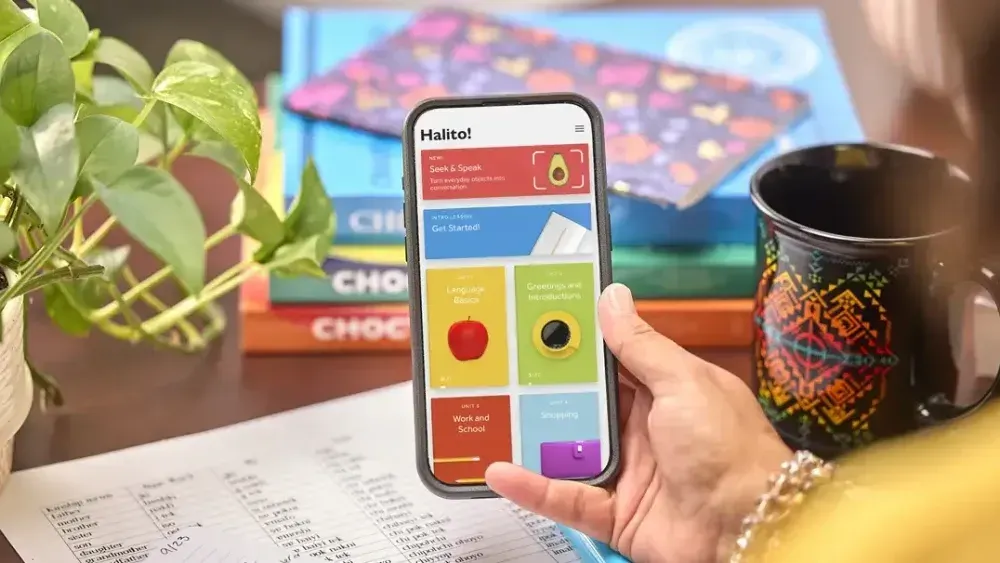
Choctaw Nation launches Rosetta Stone language app
The Choctaw Nation of Oklahoma is launching the Chahta Anumpuli language app through Rosetta Stone’s Endangered Language Program. The service will provide free access to Chahta Anumpa, the Choctaw language, for Choctaw tribal members and nonmembers interested in learning.
 Isabel Contreras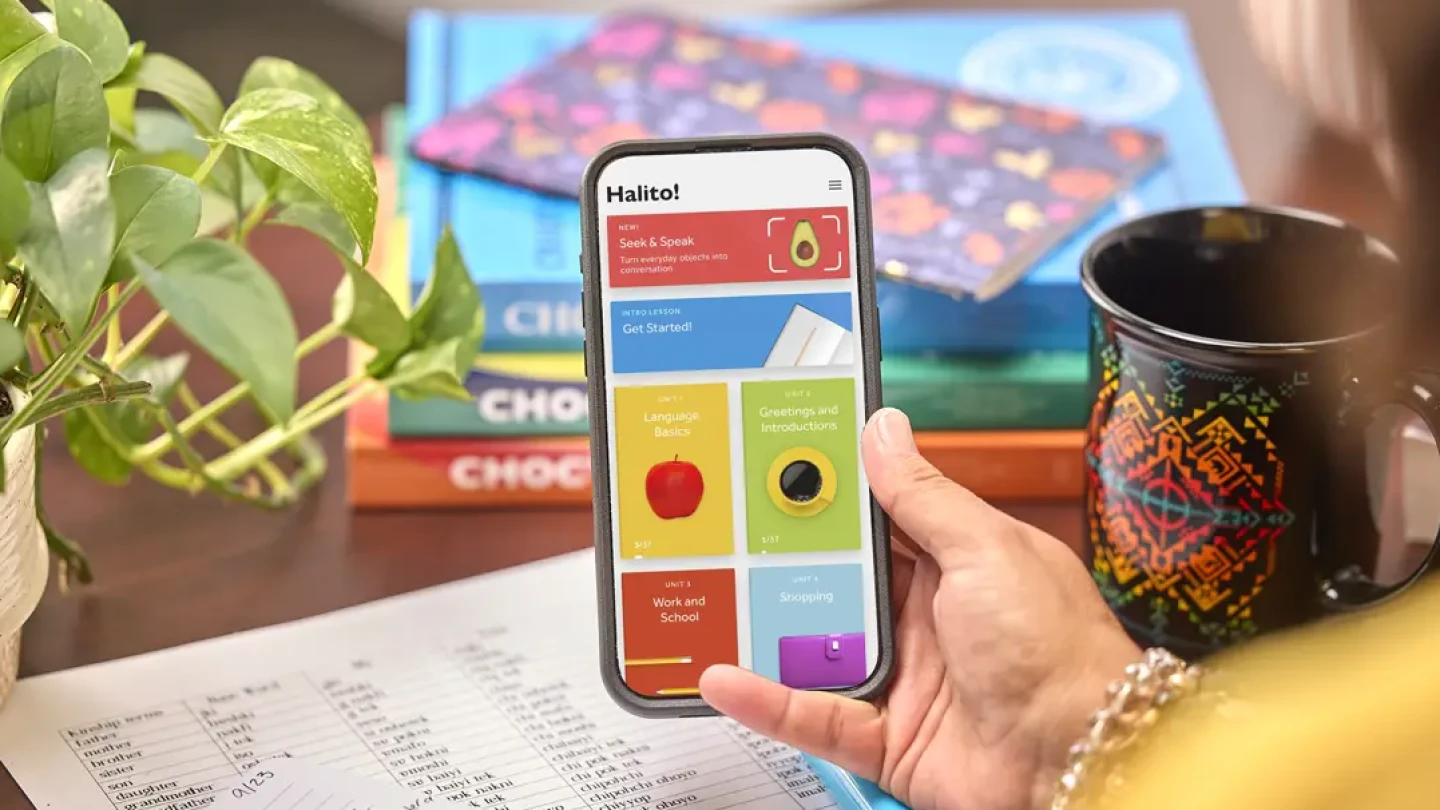
University of Alaska Southeast launches first licensure program for teaching indigenous languages
Classes have started for the University of Alaska Southeast’s first Master of Arts in Teaching Indigenous Languages—the state’s first full licensure route for speakers. Many of the state’s indigenous language educators previously had to work under a limited certificate that caps both scope and pay, so this program is a big step towards aiding language revitalization in the state. The hybrid program admits both high-fluency speakers and advanced learners of any indigenous language.


🗞️ Current Linguistics
Recently published research in linguistics.
Do languages become less complex with more new adult speakers?
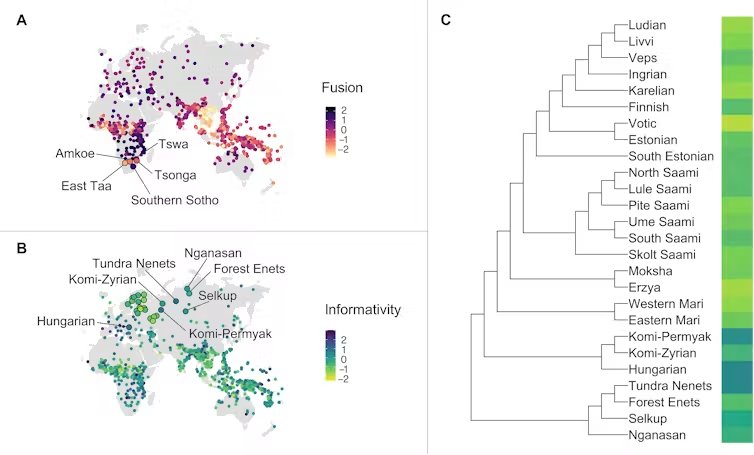
The field of sociolinguistic typology investigates whether the structure of societies affects the types of languages they speak. Do certain demographics lead to certain types of languages? One hypothesis that linguists have entertained in recent years is that languages become less complex as the number of adult speakers learning the language increases. In other words, languages with lots of second-language learners might be getting simpler. However, the research summarized in this article for The Conversation suggests that the correlation isn’t so straightforward. (Note that this research was published in 2023. I’m admittedly not certain how it has been received by others in the field in the intervening years.)
 Olena Shcherbakova
- Shcherbakova et al. 2023. Societies of strangers do not speak less complex languages. Science Advances 9(33). DOI: https://doi.org/10.1126/sciadv.adf7704.
Why do you have to reread some sentences and not others?
New research digs into why we breeze through some sentences in a book or article but have to reread others to comprehend their meaning. […] Humans and AI process language in similar ways during the earliest moments of reading: both rely on next-word predictions. However, as reading continues and passages become more complex—often requiring rereading—humans’ processing differs from that of AI, which is entirely built on next-word prediction and therefore cannot account for how we navigate these types of passages.
 James Devitt-NYU
📃 This Week’s Reads
Interesting articles I’ve come across this week.
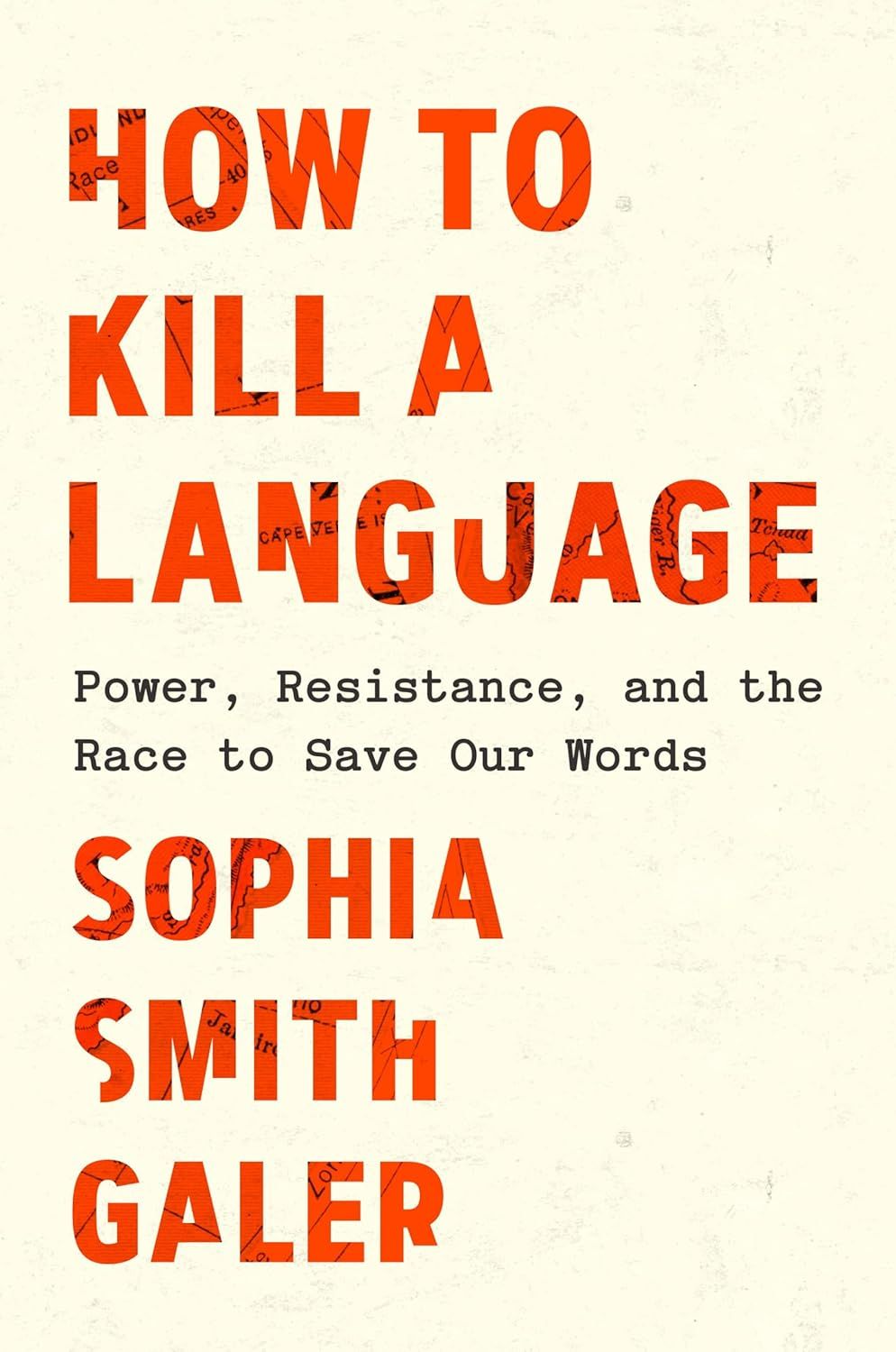
A controversial piece in The New Yorker reviews Sophia Smith Galer’s new book, How to kill a language: Power, resistance, and the race to save our words (Amazon | Bookshop):
 Nikhil Krishnan
Gerald Roche pushes back on this perspective over at The Conversation:
 Gerald Roche
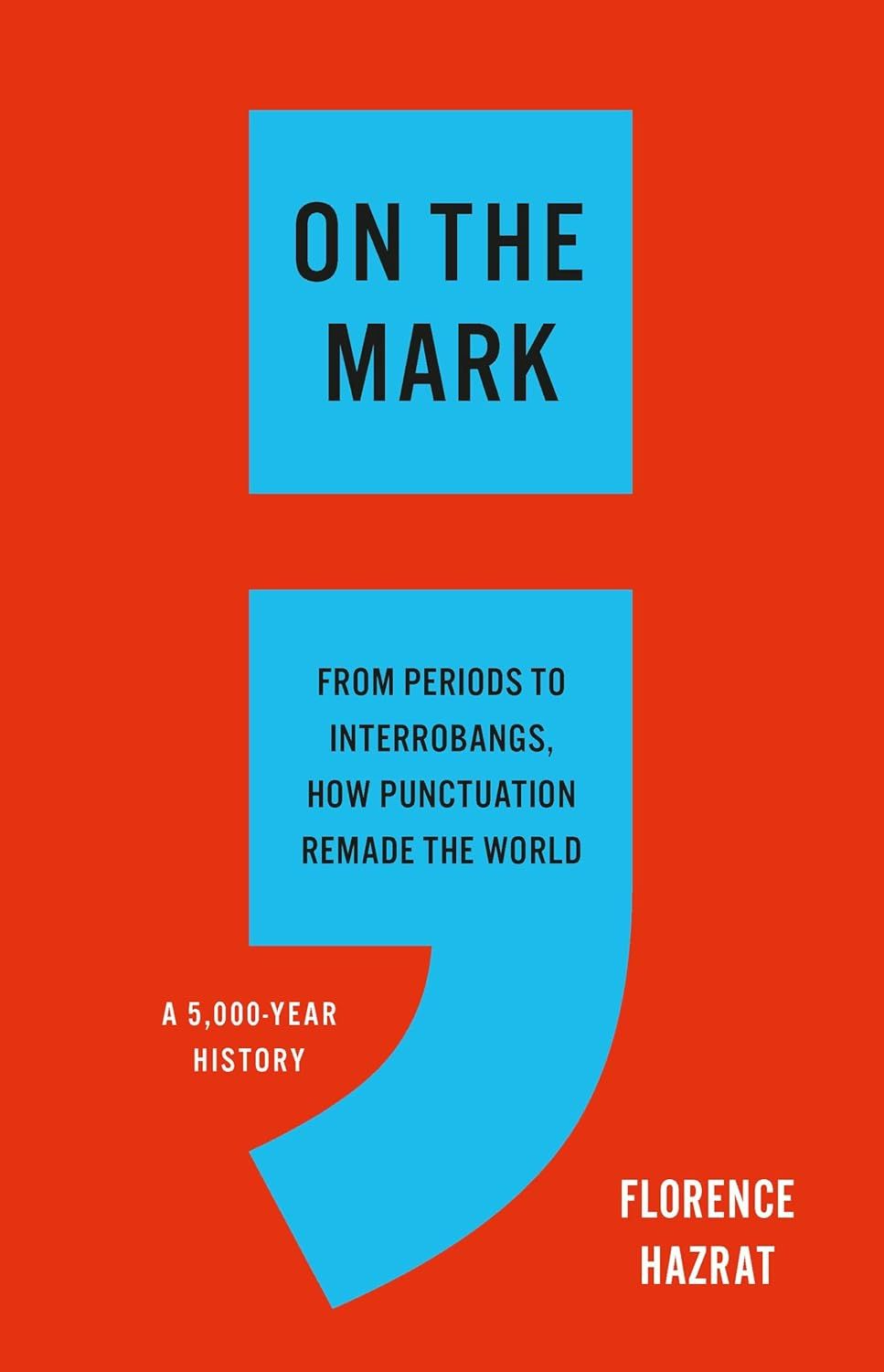
Here’s a review of Florence Hazrat’s new book, On the mark: From periods to interrobangs—How punctuation remade the world (Amazon | Bookshop).
 Louis Menand
Linguist Heather Littlefield argues that many of the words recently added to Merriam-Webster’s dictionary aren’t technically new, in the sense that the word-building techniques they use are centuries old:
 Katya Poltorak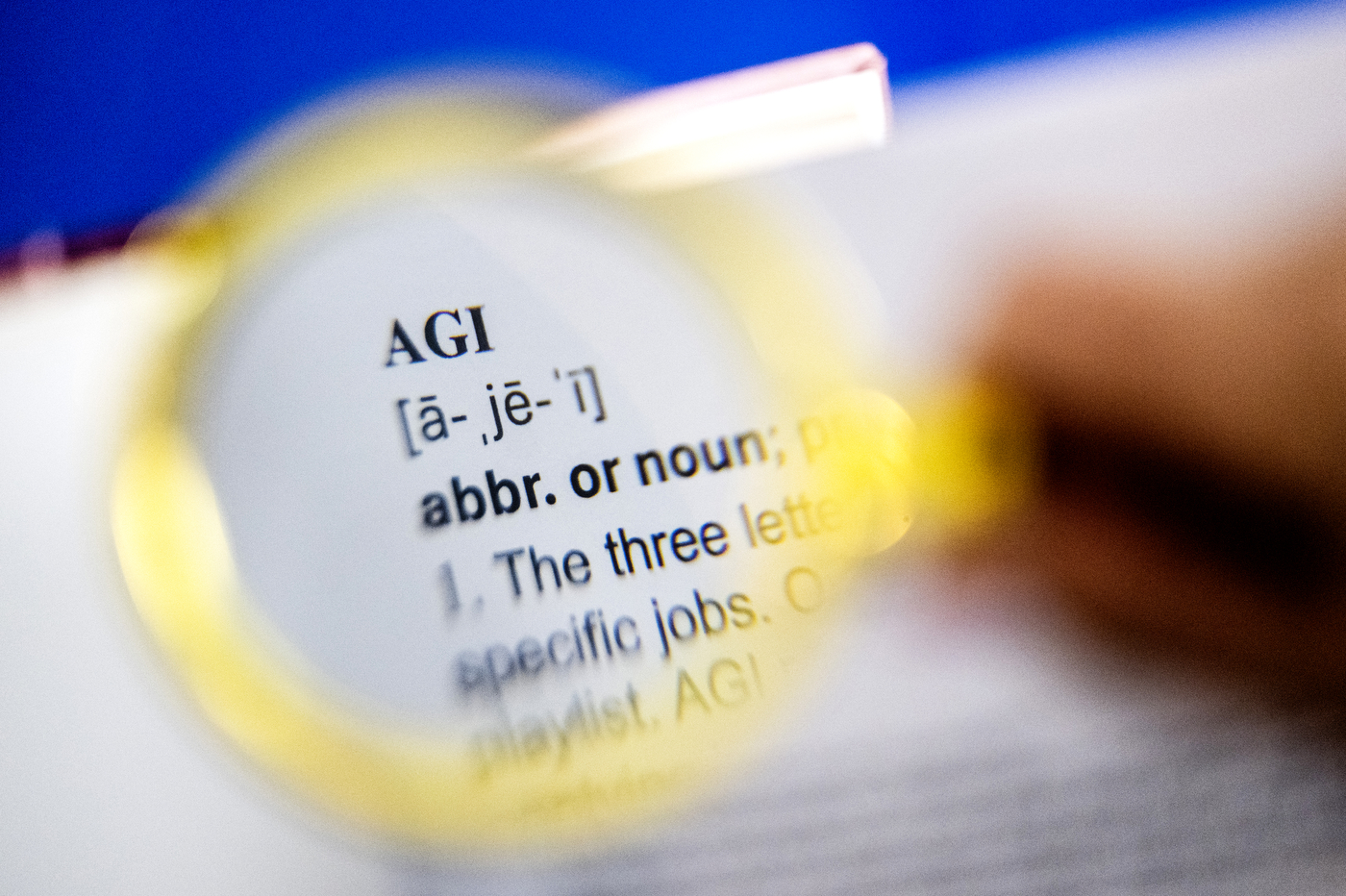
This is an older article but I’m sharing it because Swahili is a language near and dear to my heart, having lived there my junior year of college and also conducted fieldwork there during grad school:
 Morgan J. Robinson
 Rachel Feltman and Sushmita Pathak and Brianne Kane and Alex Sugiura
🗃️ Resources
Maps, databases, lists, etc. on language and linguistics.
Frequency Dictionaries
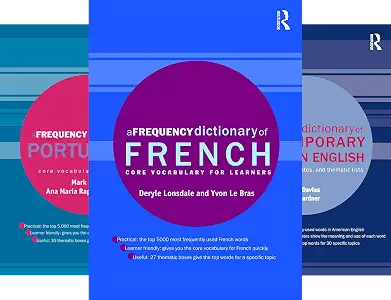
Did you know there are dictionaries that are organized by how frequently each word is used? SUPER useful if you're learning the language. Here’s a collection of frequency dictionaries from Routledge for various languages:
 Van de auteur
👋🏼 Till next week!
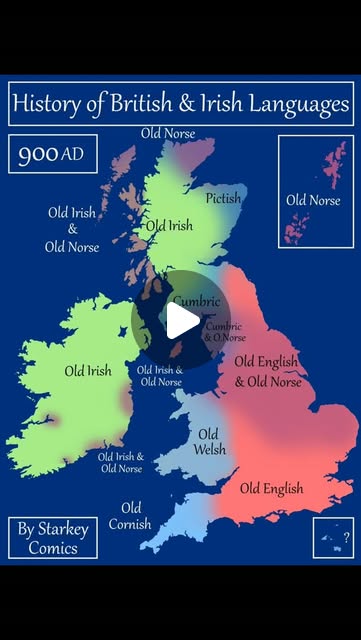
Ryan Starkey of Starkey Comics fame recently put together a timelapse of the linguistic history of Britain and Ireland. This is the first time I’ve seen him make an animation/timelapse like this, and I thought it was really nicely done!

If you’d like to support Linguistic Discovery, purchasing through these links is a great way to do so! I greatly appreciate your support!
Check out my Amazon storefront here.
Check out my Bookshop storefront here.